
This analysis examines the shifting landscape of the video game industry during the first quarter of 2022, focusing on the tension between traditional business models and emerging digital trends. The primary thesis suggests that the industry is undergoing a period of intense transition characterized by a "seller's market" for talent and a desperate pivot toward Web3 and live-service technologies by legacy players. The scope is global, covering major Japanese entities like Sony and FromSoftware, American retailers like GameStop, and the broader labor market across major tech hubs.
Key findings highlight the massive commercial success of Elden Ring, which sold over 12 million units in its first three weeks, signaling the continued power of high-difficulty, premium titles. In contrast, the report notes the financial struggles of GameStop, which reported an unexpected quarterly loss and an 8% share price drop. To compensate for the erosion of its physical retail model, GameStop is aggressively pivoting toward blockchain and NFT platforms. Similarly, Sony’s acquisition of Haven Studios and Bungie reflects a strategic move to future-proof its portfolio through live-service multiplayer expertise.
A significant portion of the analysis is dedicated to the "talent war" and labor practices. It concludes that the industry’s historical reliance on the "dream job" narrative is failing as publishers face increased competition from Big Tech and crypto firms. This competition, combined with rising scrutiny of workplace toxicity and "crunch," is forcing a reevaluation of how developers are compensated and treated. Data points from the broader ecosystem show mixed signals: while Roblox saw a 28% year-over-year increase in daily active users to 55.1 million, its bookings per user declined, suggesting that even high-growth platforms face monetization challenges in a post-pandemic economy.
SuperJoost · 2026

SuperJoost · 2026
SuperJoost · 2026
SuperJoost · 2026
SuperJoost · 2026
SuperJoost · 2026
SuperJoost · 2026

SuperJoost · 2026
SuperJoost · 2026
SuperJoost · 2026
SuperJoost · 2026
SuperJoost · 2026
InvestGame & GDEV · 2024
Stream Hatchet · 2024
Game7 Research · 2024
PitchBook · 2023
PitchBook · 2023
DappRadar · 2022
DappRadar · 2022
Newzoo · 2022
Newzoo · 2022
Newzoo · 2022
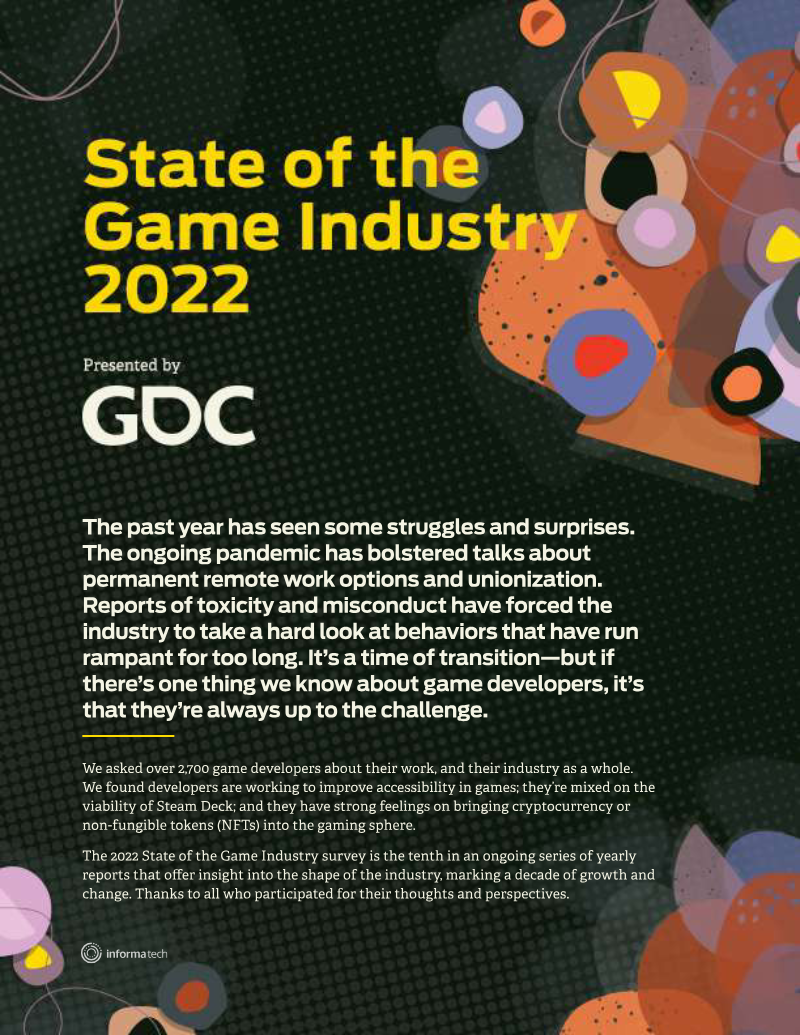
GDC · 2022
DappRadar · 2022