This analysis examines internal Microsoft documents inadvertently released during legal proceedings with the Federal Trade Commission, providing a strategic roadmap for the Xbox division through 2030. The primary thesis suggests that while Microsoft is aggressively pursuing a "hybrid gaming" future across console, PC, mobile, and cloud, its internal financial projections reveal significant inconsistencies regarding mobile growth and the path to profitability for its subscription services.
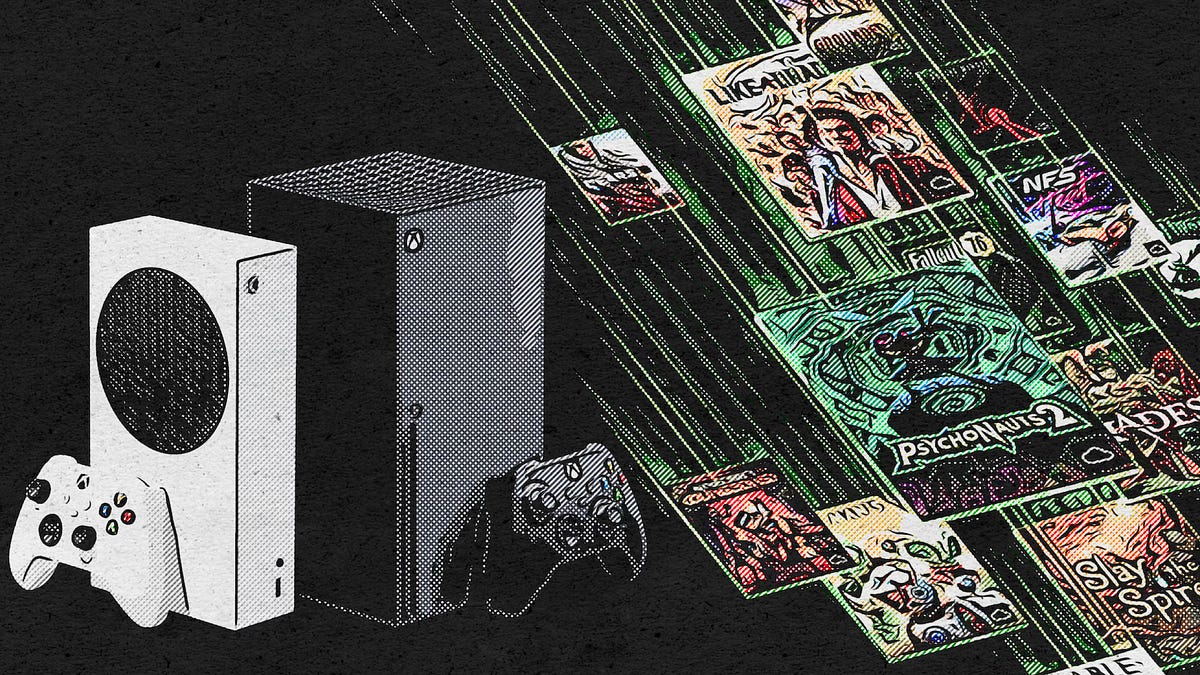
Key findings highlight a hardware refresh planned for 2024, including a disc-less, cylindrical Xbox Series X codenamed "Brooklin." Strategically, the documents confirm Microsoft’s ongoing interest in massive acquisitions, with Nintendo, Valve, and Warner Bros. previously discussed as potential targets. Financially, Microsoft aims for $35.4 billion in annual gaming revenue by 2030, representing a 41 percent increase from post-merger estimates with Activision Blizzard. However, the analysis notes that a projected $2.6 billion in mobile revenue by 2030 appears conservative, given that Activision’s King division already surpassed that figure in 2021.
The economics of Game Pass present a central challenge. Internal data suggests an average monthly revenue per user of $6.50, significantly lower than current retail pricing. This discrepancy implies the potential introduction of a "Game Pass Mobile" tier or heavy discounting to reach a target of 100 million subscribers by 2030. Furthermore, data from April 2022 shows that third-party titles dominate engagement, accounting for 87 percent of console play hours and generating higher revenue per hour ($0.25) than first-party titles ($0.18).
The scope of the data covers global Xbox operations from 2022 through 2030 projections, utilizing internal emails, hardware roadmaps, and subscriber charts. The methodology involves reconciling these leaked internal figures against public financial reports and market conditions. Ultimately, the analysis concludes that Microsoft is currently subsidizing its cloud and subscription infrastructure, earning roughly half of what is required to reach break-even on a per-hour streaming basis.