
ArticleSuperJoost
Start Rolling for Initiative: Sobering Market Signals Trigger Video Game Industry Reality Check
1 Sept 2021~14 min full read
The video game industry is currently undergoing a significant "reality check" as pandemic-era hypergrowth transitions into a period of market contraction. Data from major research firms confirms this downward trend: NPD reported a 5 percent decline in U.S. consumer spending for 22Q3, Niko Partners noted the first revenue drop in the Chinese market in two decades, and Newzoo revised its global 2022 forecast from growth to a 4.3 percent decline. This cooling period is exacerbated by high inflation, geopolitical instability, and a softening macroeconomic landscape that has increased the cost of capital while lowering demand.
The analysis highlights several structural shifts and corporate missteps within the sector. The esports segment is facing a "moment of sobriety" as team values crater and major players like Riot Games scale back international efforts due to sponsorship challenges. Furthermore, the aggressive acquisition strategy of conglomerates like The Embracer Group is under scrutiny; despite a multi-billion dollar buying spree, the firm recently cut earnings forecasts and lost 20 percent of its share price value, signaling that "get-big-quick" strategies are failing to account for shifting economic realities.
Demographic changes represent a long-term challenge for the industry. While the global population has reached 8 billion, the number of children under 15 has peaked. Future growth will depend on the industry’s ability to engage an aging population, as the number of people over 65 is expected to double by 2043. Additionally, the document notes increased regulatory and legal friction, evidenced by the high-profile breakup between NetEase and Activision Blizzard in China, the ongoing antitrust litigation between Epic Games and Apple, and intensified scrutiny of insider trading within Japanese game studios. These factors collectively suggest that the industry must pivot from indiscriminate expansion toward more disciplined, demographically diverse strategies.

SuperJoost · 2026

SuperJoost · 2026
SuperJoost · 2026

SuperJoost · 2026

SuperJoost · 2026

SuperJoost · 2026

SuperJoost · 2026

SuperJoost · 2026

SuperJoost · 2026
SuperJoost · 2026

SuperJoost · 2026

SuperJoost · 2026
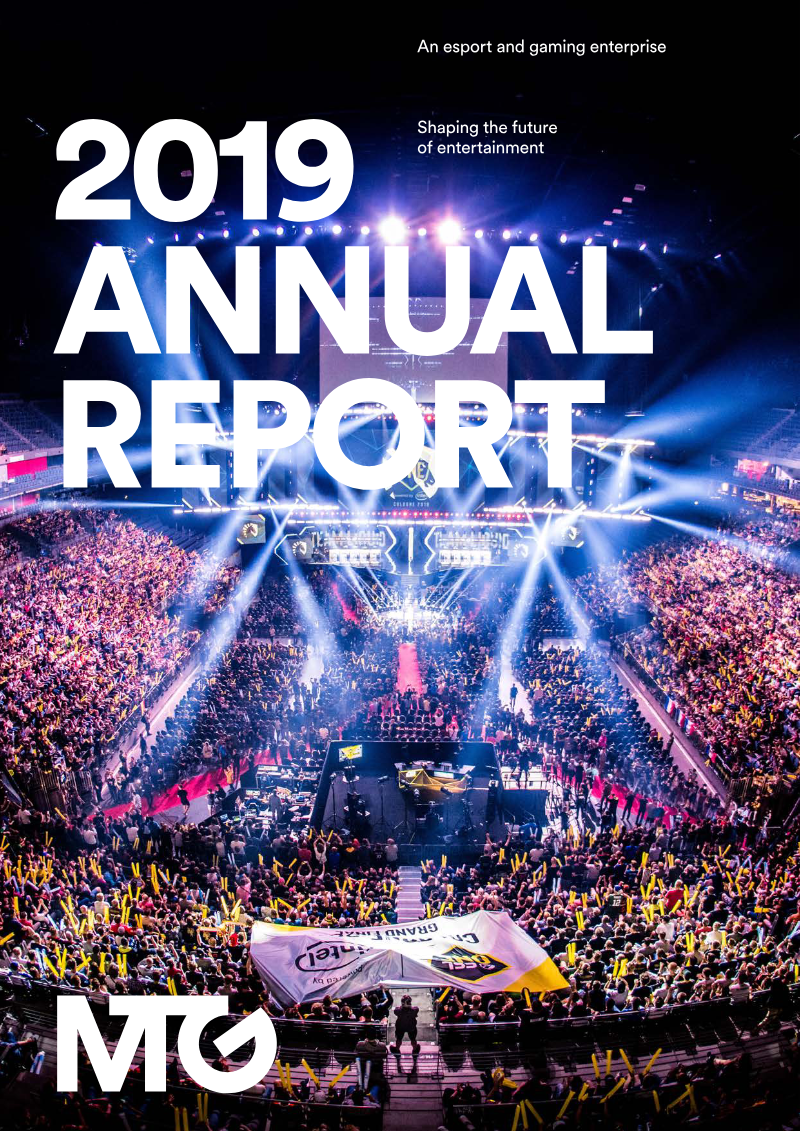
Modern Times Group · 2019
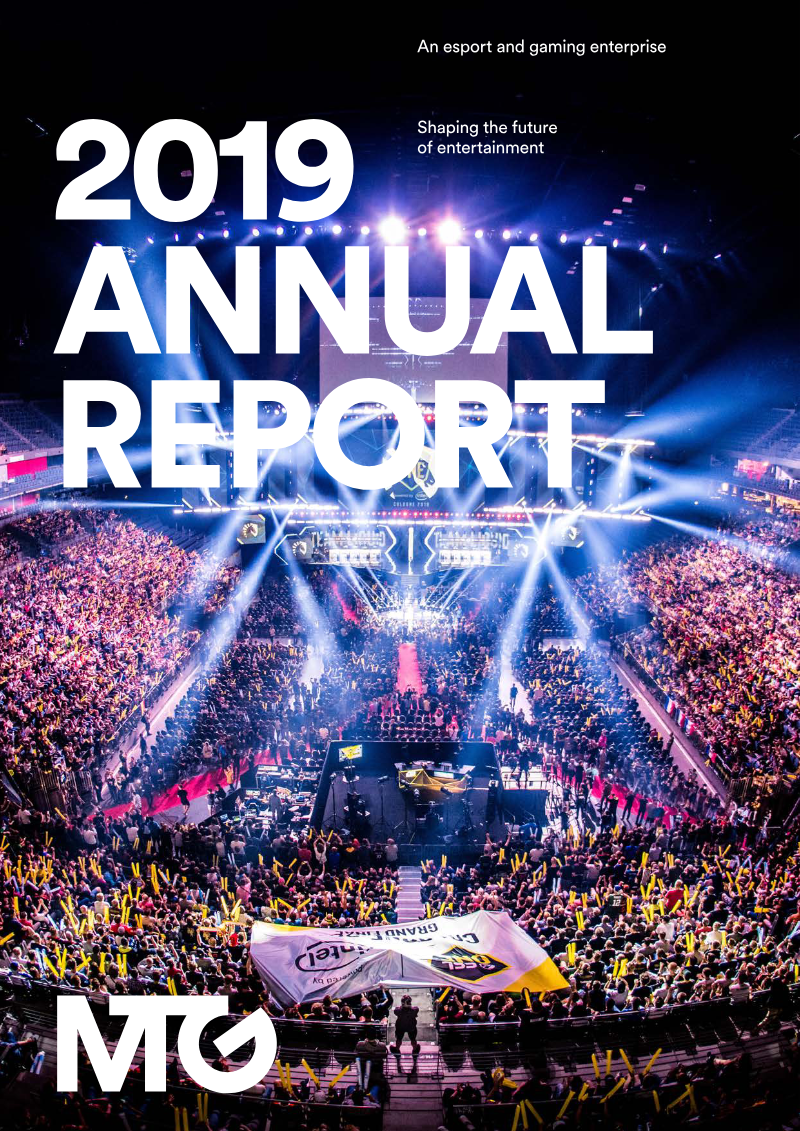
Modern Times Group
Savvy Games Group

Niko Partners · 2026
Ocean Entertainment Group · 2026
GamesBeat · 2026

Aream & Co · 2026
Drake Star Partners · 2026

SpielFabrique · 2026
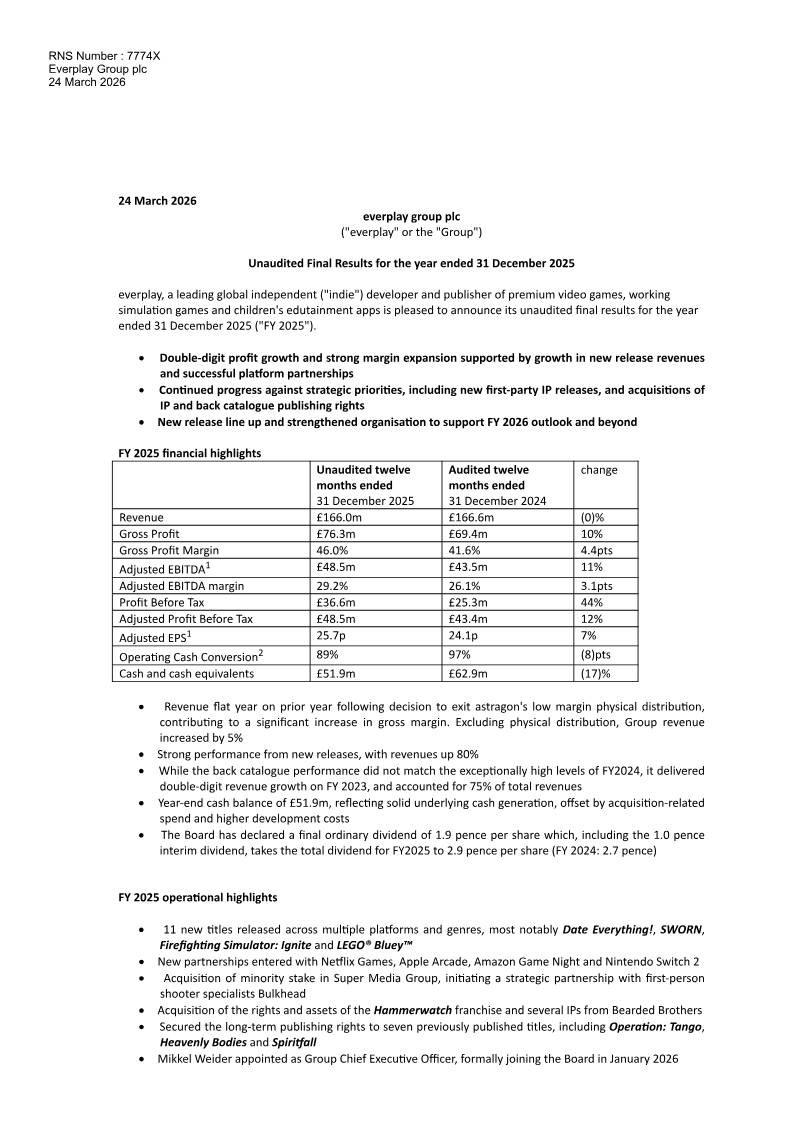
Everplay Group · 2026

Modern Times Group · 2026
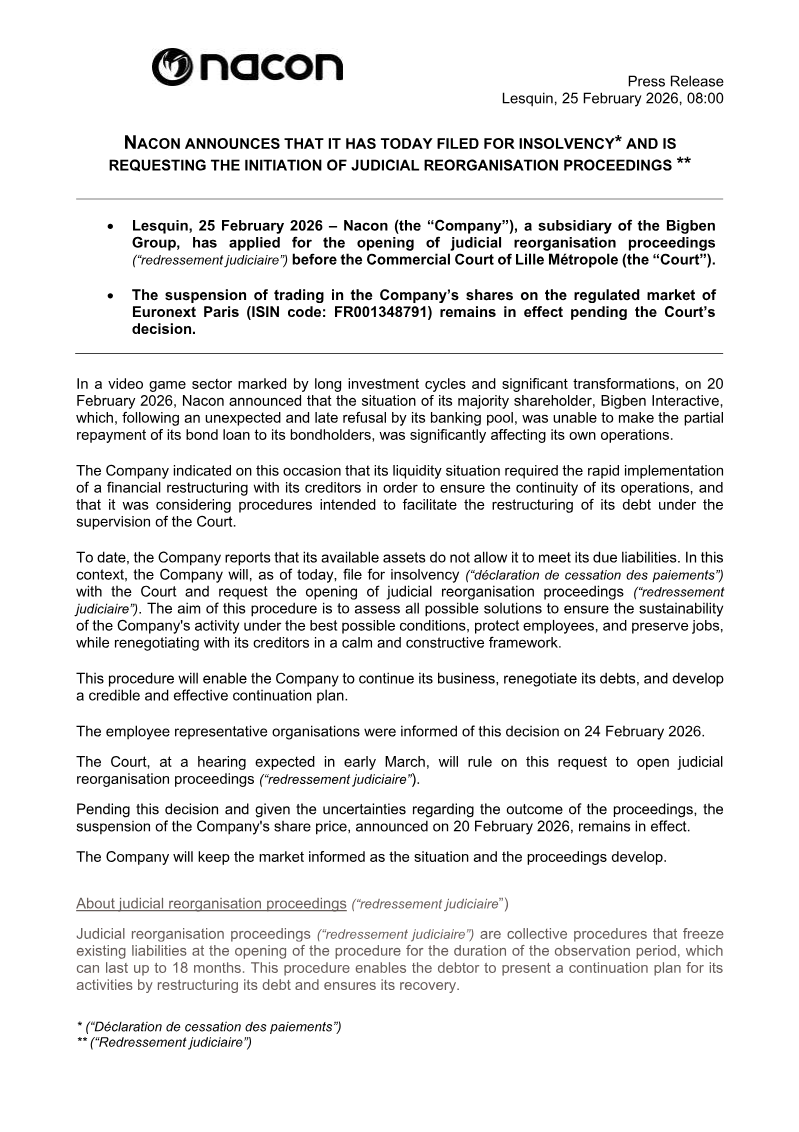
Nacon · 2026