
ArticleSuperJoost
Brands, Ads, and Video Games: Rising User Acquisition Costs Reshape the Brand-game Relationship
17 Oct 2024~7 min full read
The relationship between the video game industry and global brands is undergoing a fundamental transformation driven by shifting consumer habits and escalating economic pressures. As traditional media like broadcast television and magazines lose relevance among younger demographics, interactive platforms such as Roblox, Minecraft, and Fortnite have emerged as the primary venues for product discovery and social engagement. These platforms now command monthly active user bases that rival major public infrastructure, forcing non-endemic brands in sectors like beauty, retail, and apparel to pivot toward immersive digital experiences to maintain market share.
A critical catalyst for this integration is the dramatic rise in user acquisition costs for mobile game developers. To offset these expenses, game makers are increasingly embracing indirect revenue streams and brand partnerships. Data indicates that monthly ad impressions across mobile apps have quadrupled over the past year, reaching an estimated 164 billion. This shift signals a move away from pure direct-to-consumer monetization toward a hybrid model where games serve as a novel relationship layer between brands and audiences.
Despite the clear momentum, significant hurdles remain regarding cultural alignment and strategic execution. There is a notable demographic and professional divide between the advertising sector and game development communities, leading to friction in collaboration. Furthermore, many brands continue to rely on short-term, one-off activations rather than committed, long-term strategies, which often results in diminished returns. Issues of brand safety and the need for parental trust in digital environments also remain paramount. Ultimately, the success of this burgeoning partnership depends on the ability of both industries to move past mental inertia and develop authentic, value-driven experiences within the gaming ecosystem.
SuperJoost · 2026

SuperJoost · 2026
SuperJoost · 2026
SuperJoost · 2026
SuperJoost · 2026
SuperJoost · 2026
SuperJoost · 2026

SuperJoost · 2026

SuperJoost · 2026
SuperJoost · 2026
SuperJoost · 2026
SuperJoost · 2026
Gamesight · 2026
Tenjin · 2022

AudioMob · 2021
GEEIQ · 2026
Almedia · 2026
SocialPeta · 2026

SocialPeta · 2026
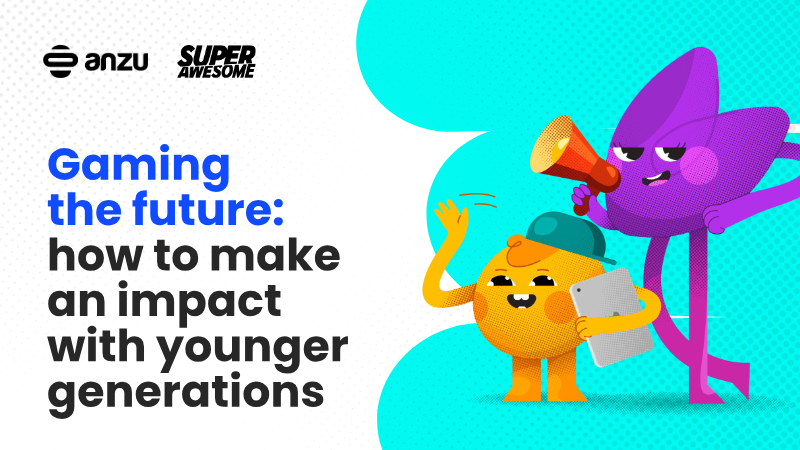
Anzu · 2026
SocialPeta · 2026
Raptive · 2026
InvestGame · 2026
Moloco · 2026