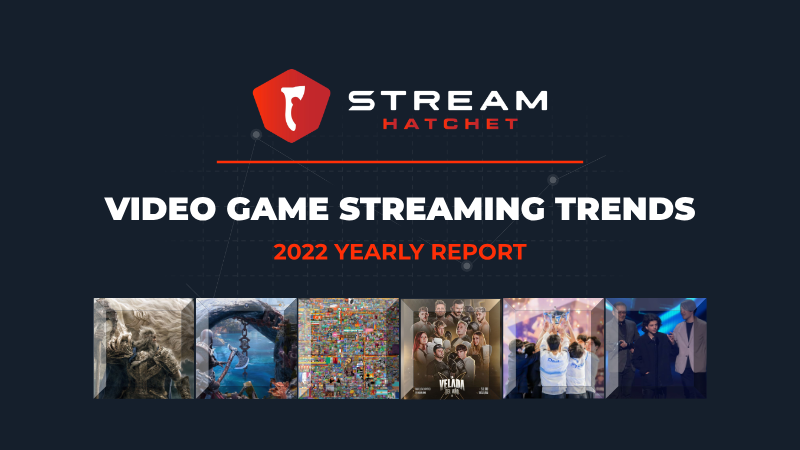
Western live streaming viewership experienced a 13.5% year-over-year decline in 2022, totaling 29.5 billion hours watched. This contraction was primarily driven by a 14% reduction in unique active channels, suggesting that streamer burnout impacted content supply more significantly than a lack of audience demand. While Facebook Gaming suffered a substantial 56% drop in viewership, Twitch maintained its market dominance, and YouTube Gaming solidified its status as the second-largest platform. Notably, non-gaming content reached new heights, with the "Just Chatting" category leading Twitch and female creator representation expanding across YouTube and Facebook.
The industry landscape shifted toward creator-driven events and original programming, which frequently outperformed traditional AAA game launches. High-profile spectacles like Ludwig’s Chessboxing and Ibai’s boxing matches demonstrated the immense power of individual personalities to command massive audiences. This trend extended to esports organizations, which generated 1.6 billion hours watched; however, more than half of that engagement was attributed to their rosters of content creators rather than professional competitive matches. Marketing strategies evolved accordingly, as brands prioritized long-term sponsorships with mid-sized influencers and publishers utilized "drops" campaigns to boost game viewership by as much as 412%.
Engagement metrics from 2022 highlight the continued dominance of established titles such as Counter-Strike: Global Offensive and Escape From Tarkov, alongside the rise of international creators like the Portuguese streamer Gaules. As the ecosystem matures, the integration of business intelligence, social analytics, and programmatic advertising has become essential for stakeholders. These tools allow brand marketers and media publishers to navigate a complex market where influencer management and creator-led events serve as the primary engines for revenue growth and audience retention.
Stream Hatchet · 2025
Stream Hatchet · 2025
Stream Hatchet · 2025
Stream Hatchet · 2025
Stream Hatchet · 2025
Stream Hatchet · 2025
Stream Hatchet · 2025
Stream Hatchet · 2025
Stream Hatchet · 2024
Stream Hatchet · 2024
Stream Hatchet · 2024
Stream Hatchet · 2024
Stream Hatchet · 2023
Stream Hatchet · 2023
IGN Entertainment · 2026
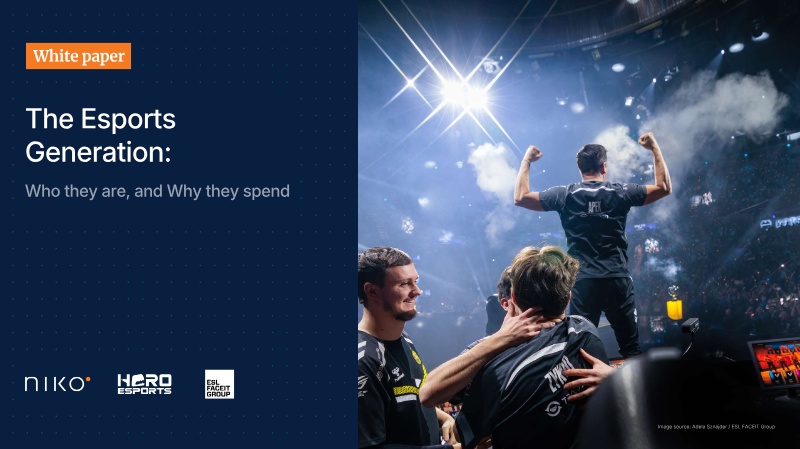
Niko Partners · 2026
Bryter · 2026
GameAnalytics · 2026
Poki · 2026
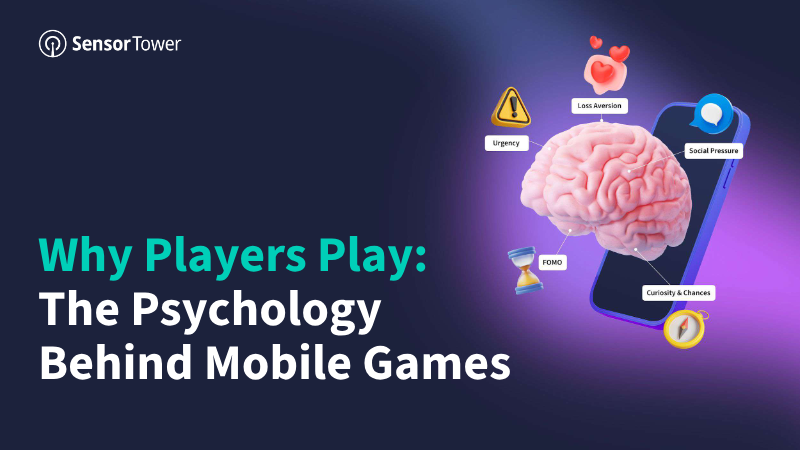
Sensor Tower · 2026
Anzu · 2026
Newzoo · 2026
Poki · 2026
InvestGame · 2025