ArticleGame Production Alchemist
Stop Briefing the AI Every Monday Morning
17 Jun 20261 pages~11 min full read
The primary thesis of this analysis is that current agentic AI workflows in game production are fundamentally flawed due to a reliance on volatile context windows rather than durable, externalized state management. By treating AI context as long-term storage, producers are forced to perform repetitive, manual re-briefing at the start of every session, which serves as a symptom of poor architectural design rather than a necessary step in the workflow.
The analysis highlights significant industry challenges, noting that up to 80% of AI projects fail, with many deployments expected to be canceled by 2027 due to rising costs and unclear value. A key technical finding is that context windows function as volatile RAM; they are inherently unsuitable for maintaining long-term project continuity. Relying on summaries or larger context windows only delays failure, as these methods degrade over time and fail to capture the nuance required for complex game production.
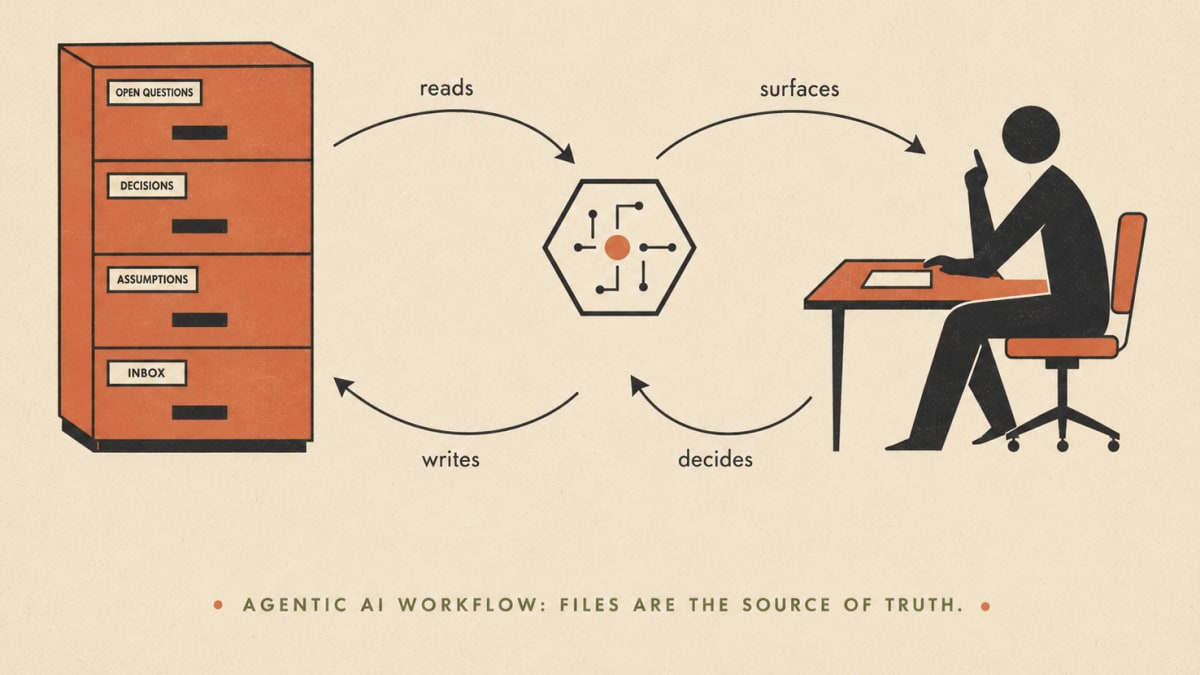
To resolve these issues, the analysis advocates for a structural shift where AI acts as a stateless processor that reads from and writes to a persistent, human-readable file system. By utilizing structured files—such as decision logs, open question trackers, and assumption ledgers—producers can ensure that project state remains intact across sessions, model upgrades, and system crashes. This approach allows producers to focus on high-level judgment and decision-making while offloading the administrative burden of tracking dependencies and project history to the AI. Ultimately, this transition transforms the AI from a simple chat tool into a reliable, durable component of the production pipeline, effectively eliminating the need for manual Monday morning briefings.

Game Production Alchemist · 2026

Game Production Alchemist · 2026

Game Production Alchemist · 2026

Game Production Alchemist · 2026
Game Production Alchemist · 2026

Game Production Alchemist · 2026

Game Production Alchemist · 2026
Game Production Alchemist · 2026

Game Production Alchemist · 2026
Game Production Alchemist · 2026
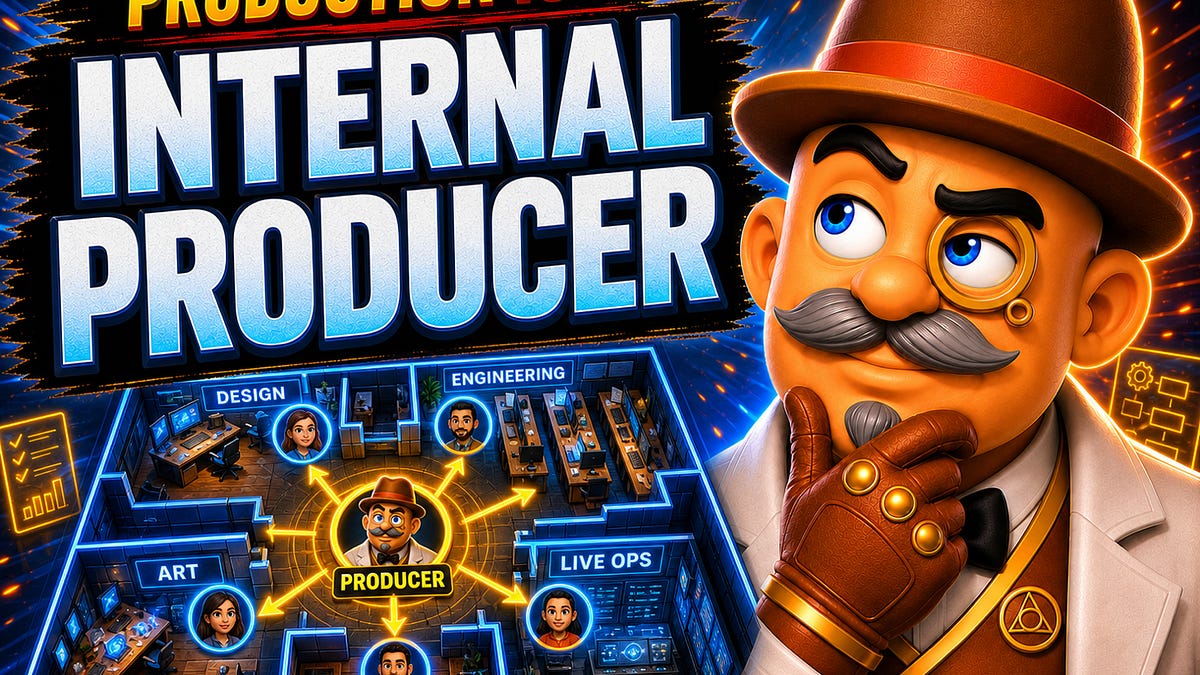
Game Production Alchemist · 2026

Game Production Alchemist · 2026
University of Bristol
BITKRAFT Ventures · 2026
KOCCA – Korea Creative Content Agency · 2025
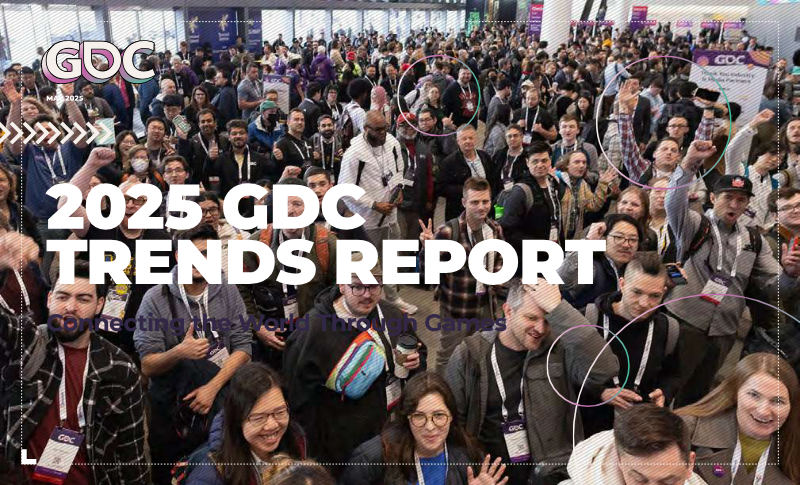
Game Developers Conference · 2025
modl.ai · 2025
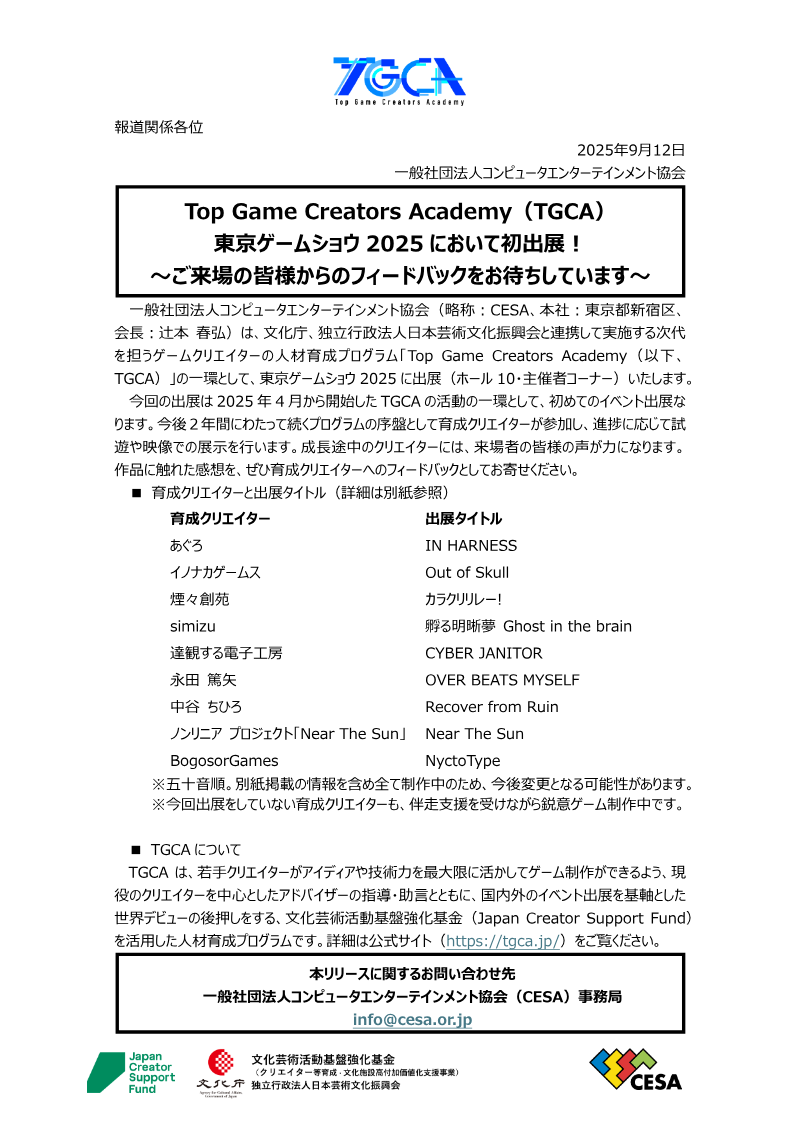
CESA – Computer Entertainment Supplier's Association · 2025
Google Cloud · 2025
Informa · 2024
Drake Star Partners · 2024

Perforce · 2024
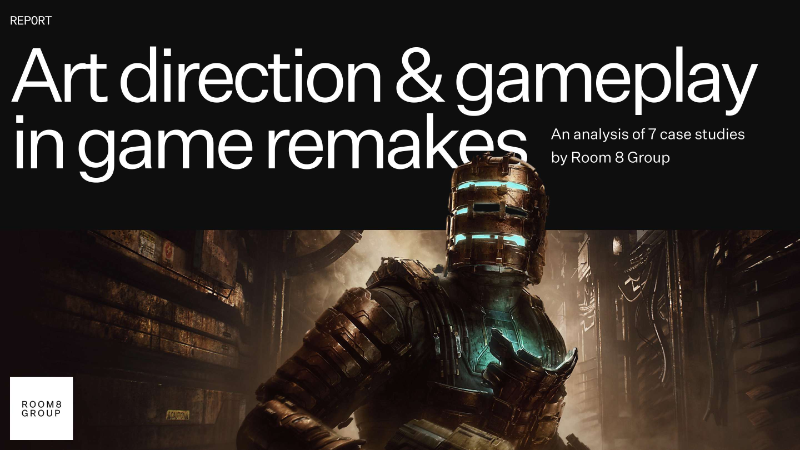
Room 8 Group · 2024

Sensor Tower · 2023