
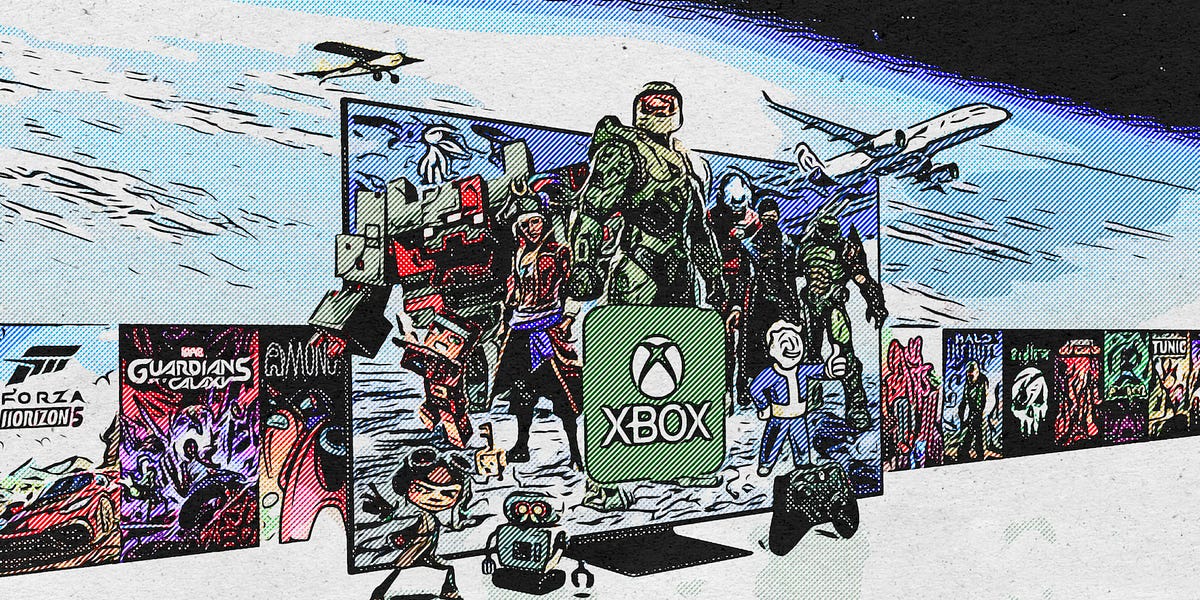
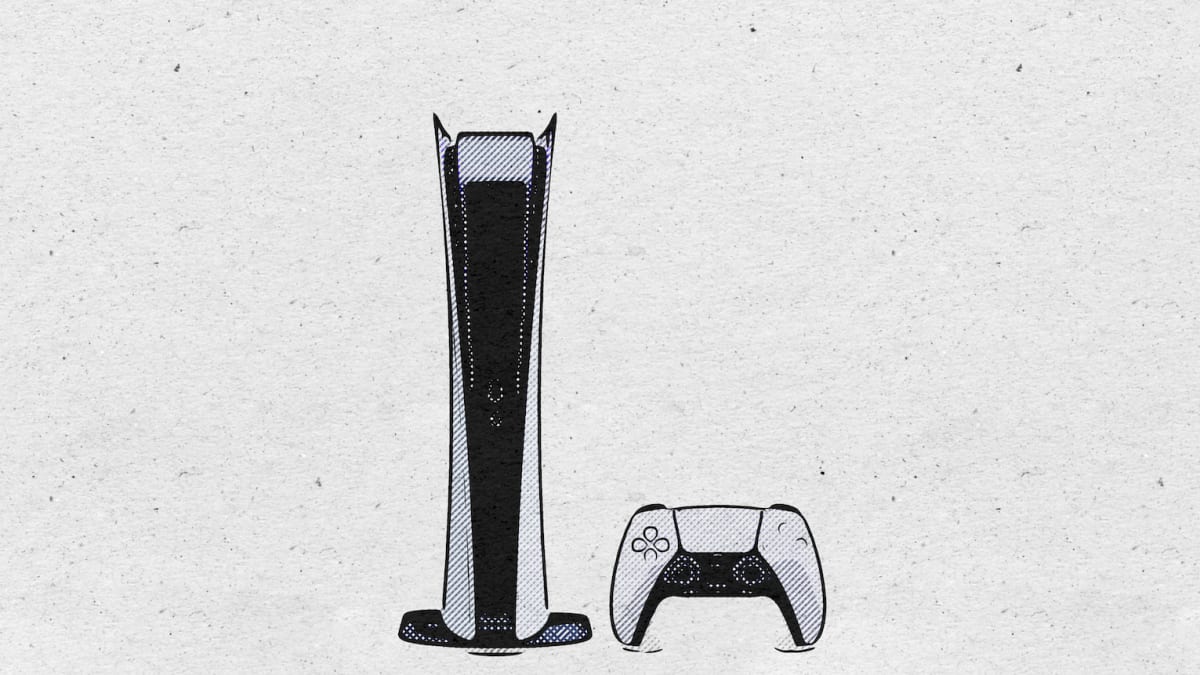
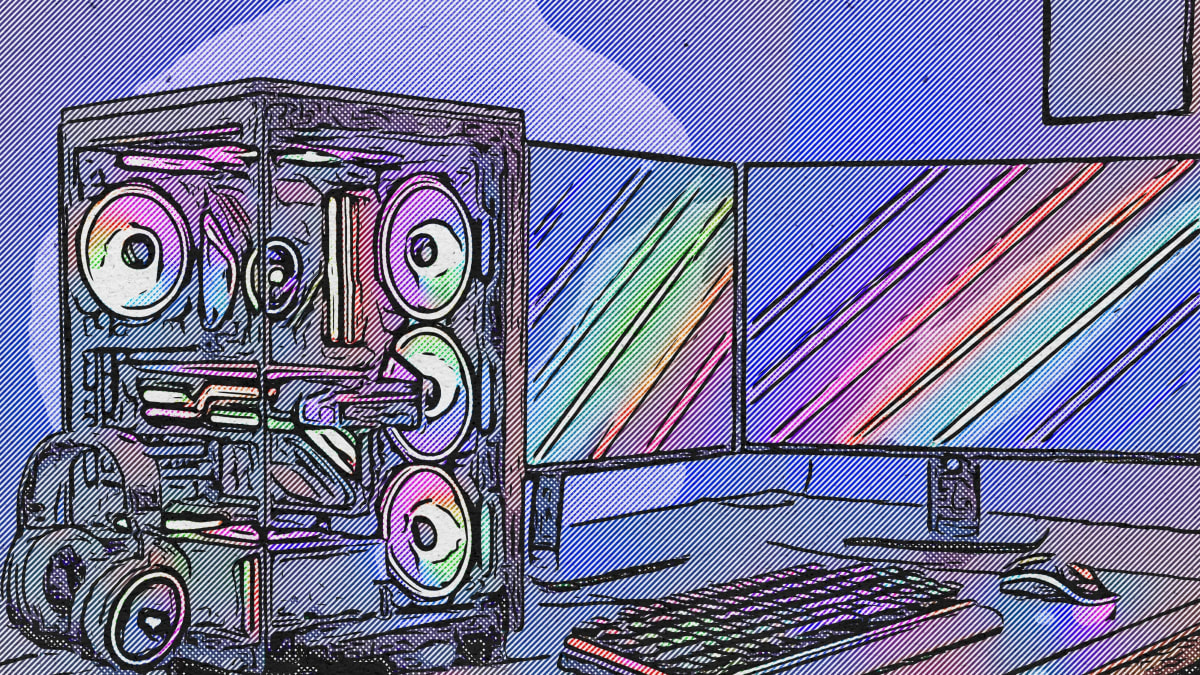
Valve’s announcement of a new Steam Machine and updated Steam Controller, slated for early 2026, signals a strategic shift in the gaming industry’s distribution landscape. By introducing console-sized hardware that runs SteamOS and offers performance parity with current-generation consoles like the PlayStation 5, Valve aims to bridge the gap between the convenience of traditional consoles and the openness of the PC ecosystem. This hardware initiative serves as a "Trojan horse" designed to establish Steam as the default platform for gaming, effectively challenging the closed-model dominance of Sony and Microsoft by eroding the distinction between PC and console gaming.
The broader industry context is defined by significant shifts in distribution and blockbuster release cycles. The repeated delay of Grand Theft Auto 6 to November 2026 highlights the power of high-quality, anticipated releases to dictate market momentum, despite initial negative reactions from investors. While the delay caused a temporary dip in Take-Two’s stock, the publisher remains the largest independent American game publisher, bolstered by a strategy that prioritizes long-term quality over annual releases. This environment also reflects a broader trend of consolidation and financial maneuvering, evidenced by the record-breaking $55 billion privatization of Electronic Arts and the continued growth of the global anime market, which has reached a valuation of $25 billion.
Ultimately, these developments suggest that the gaming industry is undergoing a period of significant structural change. Valve’s hardware play represents an attempt to rewire how games reach players, while the success of major franchises and the rise of new revenue models underscore a shifting landscape. As the industry moves toward 2026, the focus remains on how these distribution innovations will influence player behavior and market valuations, particularly as the market anticipates the impact of major upcoming releases and the potential for a post-blockbuster period of financial recalibration.
SuperJoost · 2026
SuperJoost · 2026
SuperJoost · 2026
SuperJoost · 2026
SuperJoost · 2026
SuperJoost · 2026
SuperJoost · 2026
SuperJoost · 2026
SuperJoost · 2026

SuperJoost · 2026
SuperJoost · 2026
SuperJoost · 2026
Rokky · 2025
PlayWay · 2018
IGN Entertainment · 2026
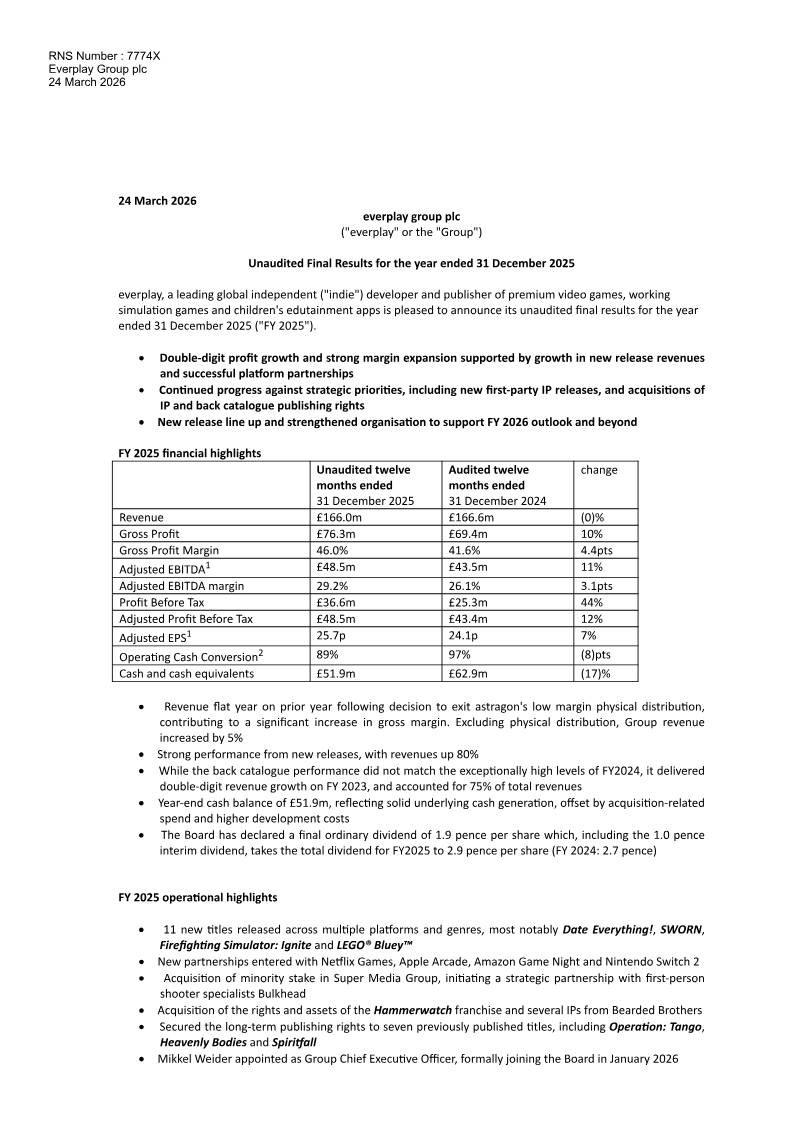
Everplay Group · 2026
Capcom · 2026
Square Enix · 2026
Coda · 2026
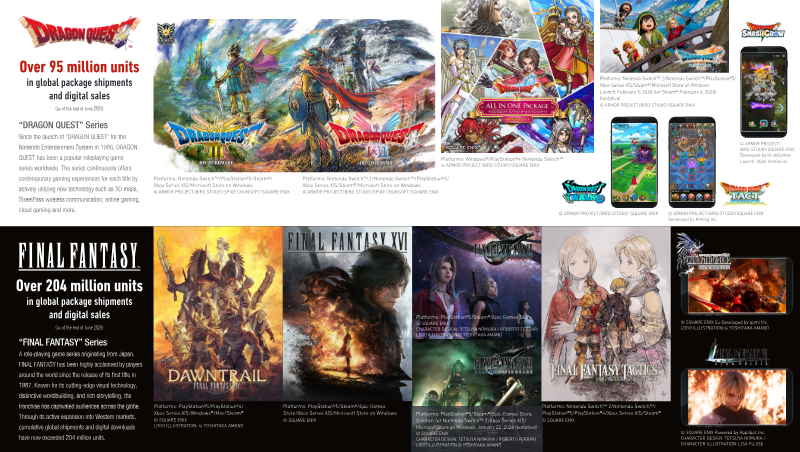
Square Enix · 2025
CD Projekt · 2025
Video Game Insights · 2025
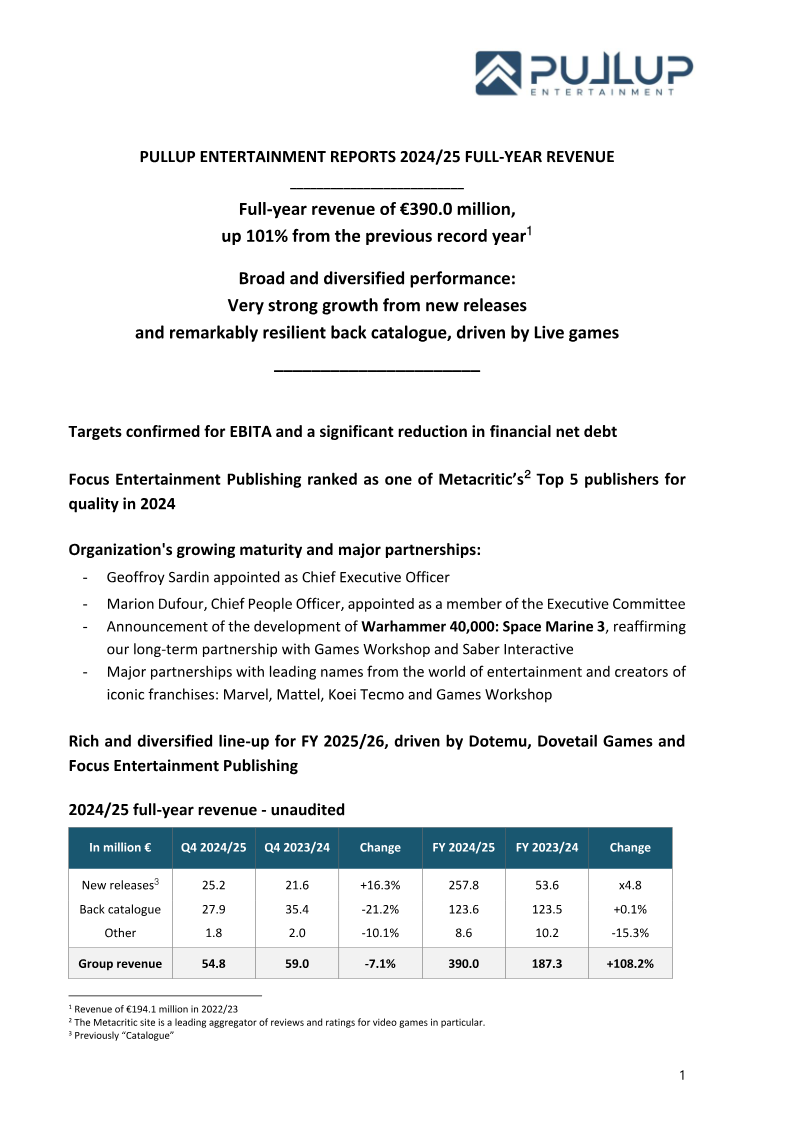
Pullup Entertainment · 2025
Sensor Tower · 2025