The primary purpose of this analysis is to evaluate recent developments in video game discovery, specifically focusing on Valve’s experimental updates to the Steam store and broader industry trends regarding player engagement metrics. The central thesis posits that enhanced, granular categorization of game catalogs significantly improves user discovery, while acknowledging the ongoing challenge of accurately measuring player activity across diverse platforms.
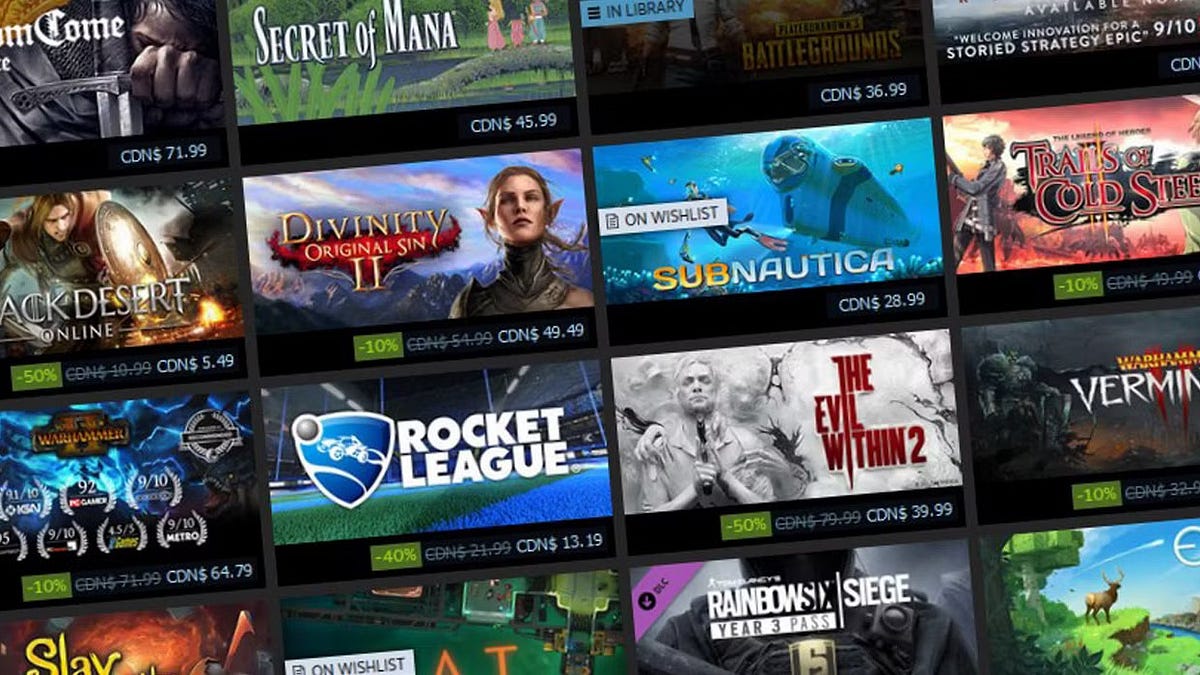
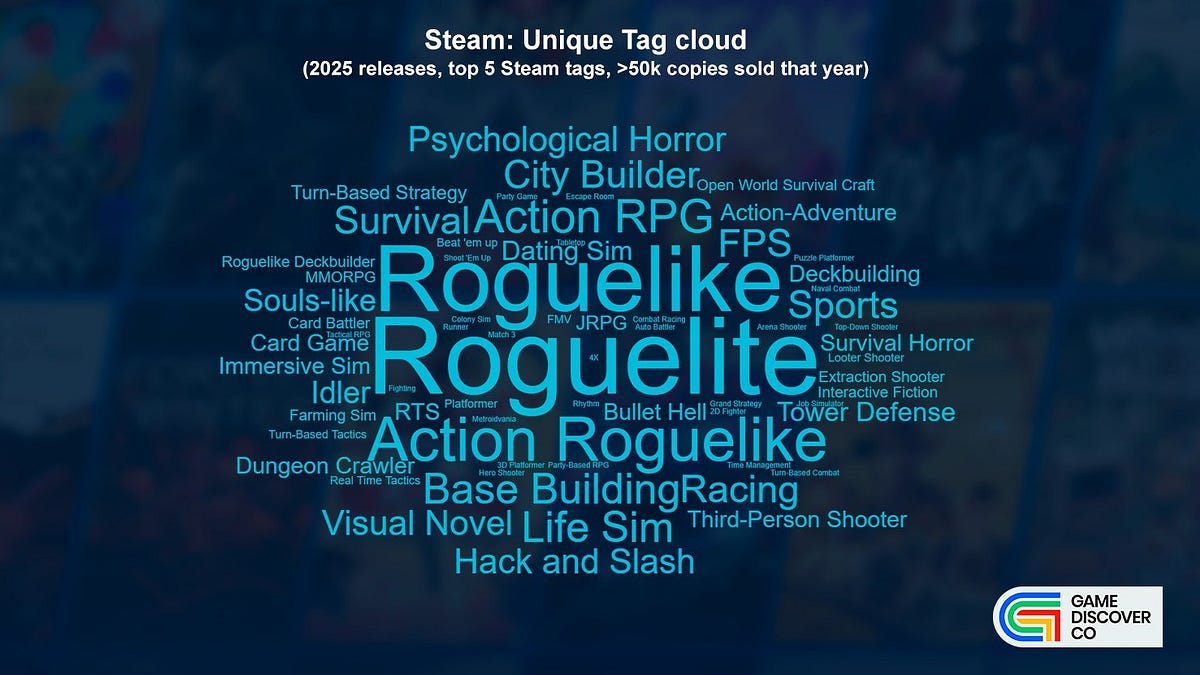
Valve’s latest Steam Labs experiment introduces 63 new categories—comprising 48 genres, 8 themes, and 7 player modes—to facilitate more intuitive browsing without requiring complex searches or logins. These landing pages function as intelligent hybrids that provide curated carousels, trending charts, and upcoming release information for specific niches. This initiative aims to increase the store's surface area, allowing for better exposure of titles that might otherwise be buried in broader genre classifications.
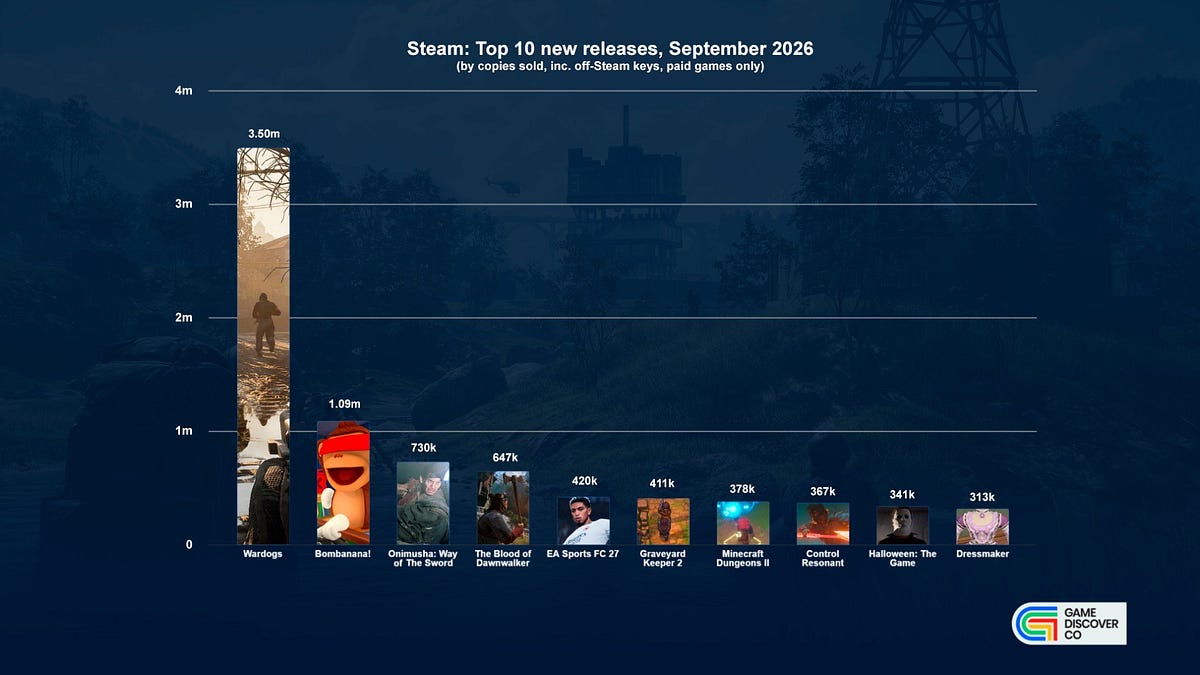
Regarding industry-wide metrics, the analysis highlights the limitations of estimating player numbers on PlayStation and Xbox platforms following the cessation of third-party tracking services like GamStat. Data points from late 2020 indicate significant variance in player acquisition strategies; for instance, titles launching directly into subscription services like Game Pass often see substantially higher player counts compared to traditional storefront releases. The analysis emphasizes that while these metrics are indicative rather than exact, they remain vital for understanding the performance of indie titles.
The scope of this overview covers the global PC and console gaming market as of December 2020. It incorporates qualitative observations on platform-specific performance, such as the Nintendo Switch’s efficacy for family-centric titles, and notes broader industry milestones, including record-breaking concurrent user counts on Steam driven by major releases like Cyberpunk 2077. The methodology relies on a synthesis of platform announcements, third-party API-based sampling, and industry expert commentary to provide a comprehensive view of the evolving game discovery landscape.