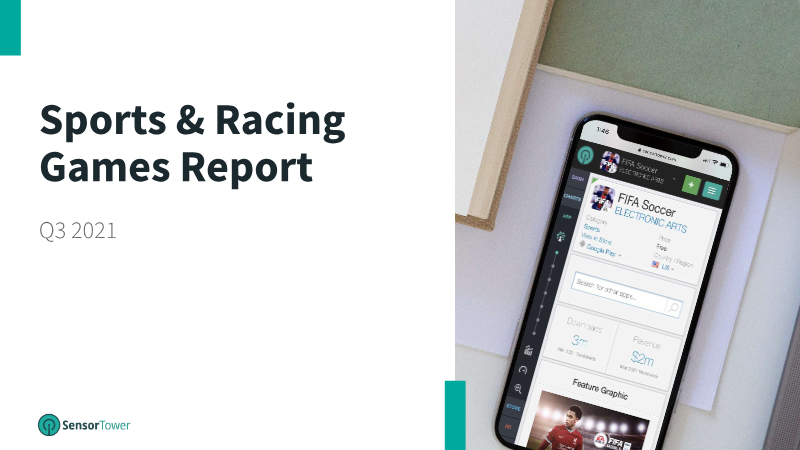
The sports and racing gaming sectors experienced a transformative period throughout 2020 and early 2021, characterized by a 40.2% year-over-year revenue increase to $2 billion. This growth was underpinned by a clear bifurcation in market dynamics: while realistic sports and racing titles consistently outperformed arcade-style counterparts in revenue generation, arcade games maintained higher download volumes. The industry remains highly concentrated, with a small cohort of major publishers—including Electronic Arts, Konami, Tencent, and Zynga—exerting significant control over both market share and intellectual property. Strategic consolidation through high-profile mergers and acquisitions, such as the integration of Glu Mobile and Codemasters into Electronic Arts, reflects a broader industry trend toward portfolio expansion and market dominance.
Geographic performance reveals distinct regional preferences that dictate global revenue flows. The United States remains the primary revenue driver for Western-centric sports and drag racing, while Japan serves as the critical hub for baseball and soccer titles. Conversely, emerging markets such as India and Brazil lead in total download volume, highlighting a disparity between user acquisition and monetization potential. Within the racing segment, kart racing has emerged as a superior model for long-term player retention and balanced gender demographics, contrasting with the gradual revenue decline observed in racing simulators since late 2019.
Despite a temporary pandemic-induced surge in arcade racing downloads during 2020, the market has largely normalized to pre-pandemic levels. The sports manager sub-genre exemplifies the industry’s shift toward high-value monetization, as it has successfully increased net revenue despite a multi-year decline in download volume. Ultimately, the sector is defined by a reliance on established intellectual property and a strategic focus on realistic simulation, with revenue spikes frequently tethered to the launch of major new titles. These trends underscore a mature, consolidated market where success is increasingly dependent on publisher scale and the ability to sustain engagement within specific, high-performing sub-genres.
Sensor Tower · 2026

Adjust · 2026

Sensor Tower · 2026

Sensor Tower · 2026

Sensor Tower · 2026
Sensor Tower · 2026

Sensor Tower · 2026

Sensor Tower · 2026

Sensor Tower · 2026

Sensor Tower · 2026

Sensor Tower · 2026

Sensor Tower · 2026
Competition · 2026
Bryter · 2026

Almedia · 2026
GameAnalytics · 2026

AppLovin · 2026
SocialPeta · 2026

SocialPeta · 2026
BITKRAFT Ventures · 2026
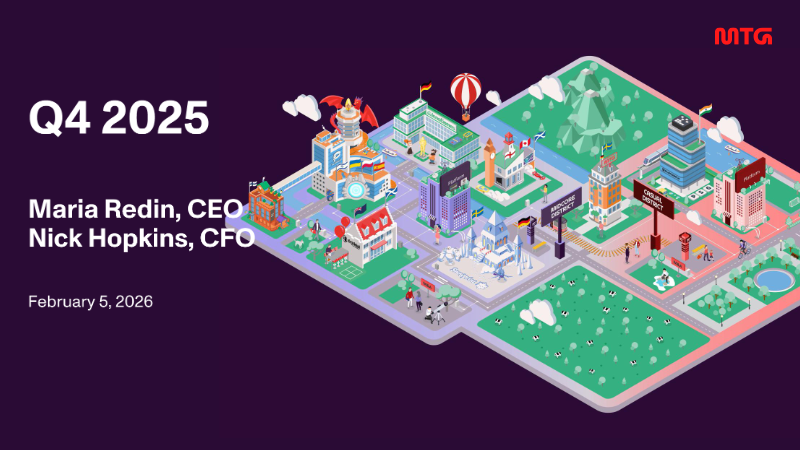
Modern Times Group · 2026

AppMagic · 2026
Aream & Co · 2026

InvestGame · 2026