1 free read left. Create a free account for unlimited reading + AI research.
Create free accountWhitepaper DiGRA
1 free read left. Create a free account for unlimited reading + AI research.
Create free accountWhitepaperDiGRA
Distilling the key insights…
Chen and Rank's DiGRA 2018 paper argues that humor remains understudied in interactive emergent narrative, and it proposes that humor can be analyzed and systematically generated by treating it as a form of "pleasant surprise." The authors center their framework on the boundary between plot, the high-level sequence of events, and discourse, the manner in which those events are told. They distinguish plot-based humor, which alters the story's overall progression, from discourse-based humor, which does not. Their review of four classical theories of humor (incongruity, benign violation, relief, and superiority) concludes that most apply primarily at the discourse level, leaving plot-level humor comparatively neglected.
The paper's central claim is that humor emerges when players test the limits of a system without breaking it, producing "aha moments" of delight. The authors illustrate this with case studies from The Stanley Parable, Sunspring, and Middle Earth: Shadow of War, and they offer a workplace compliment-bonus scenario as a concrete example of a breakable-rule design. They find that general narrative techniques, such as "therefore/but" structuring, do not reliably produce humor, which motivates their call for a humor-focused drama manager.
The authors acknowledge that realistic AI behavior capable of supporting such designs remains technically out of reach. In the interim, they point to pseudo-realistic approaches like the drama manager in Façade as the practical alternative. Their theoretical example and the constraints it would impose are presented as a starting point for future work rather than a finished system.
The scope is primarily theoretical and conceptual, drawing on narrative theory from Chatman, Propp, and Murray, interactive storytelling research from Mateas and Stern and from Riedl and Bulitko, and game examples spanning several titles. The paper's contribution lies in reframing humor as an analyzable, formalizable property of interactive systems rather than a purely subjective response.
Each row is a game or company this document names, each column a document, oldest first. A mark means that document names it. Select a row to see those documents.
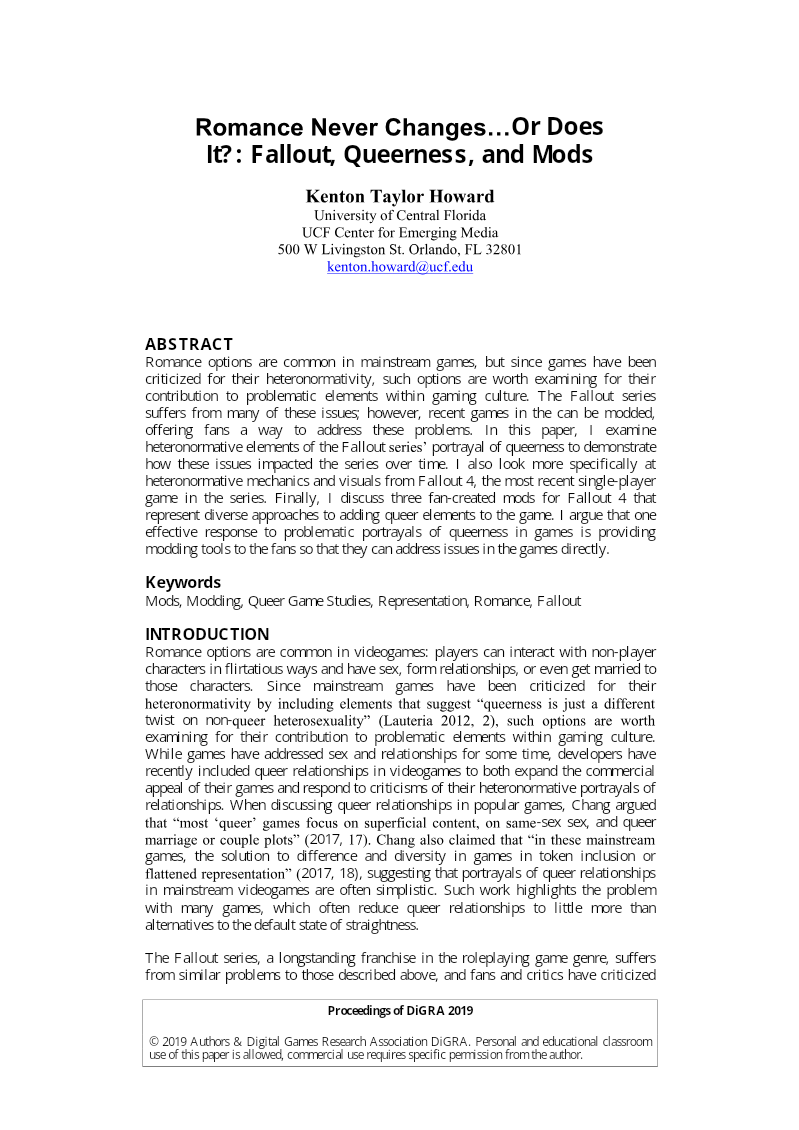
DiGRA · 2019
DiGRA · 2019
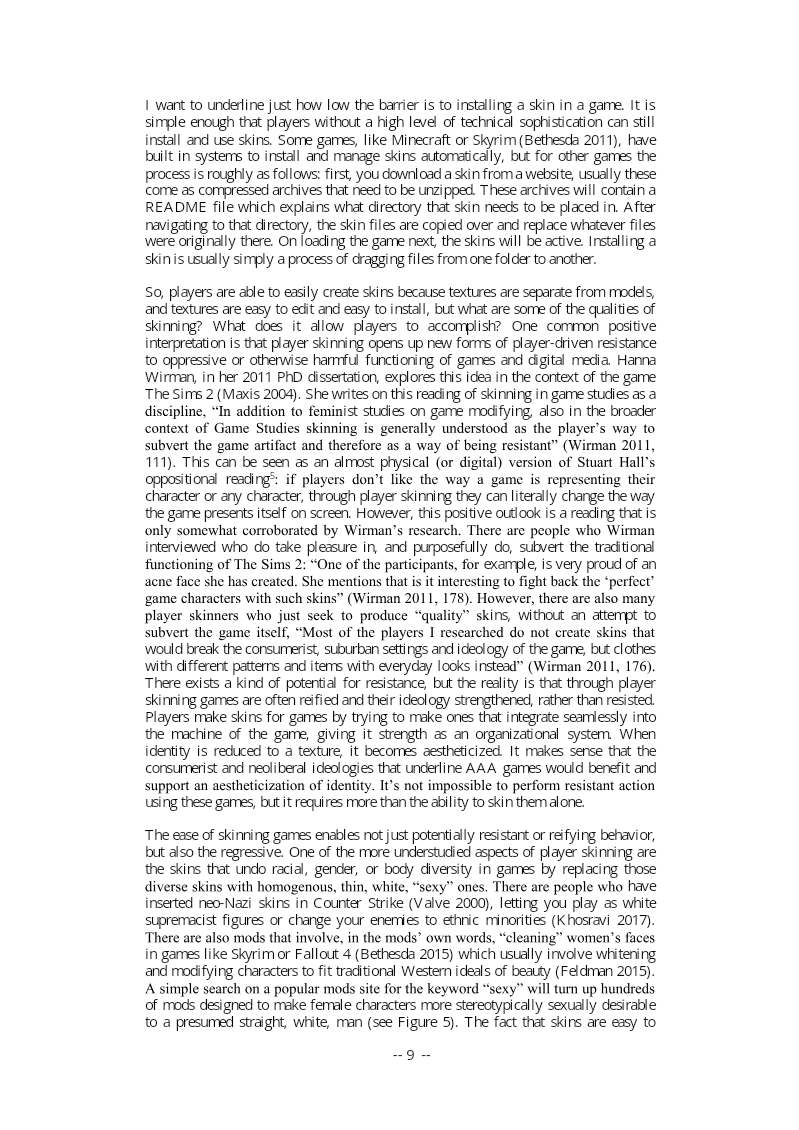
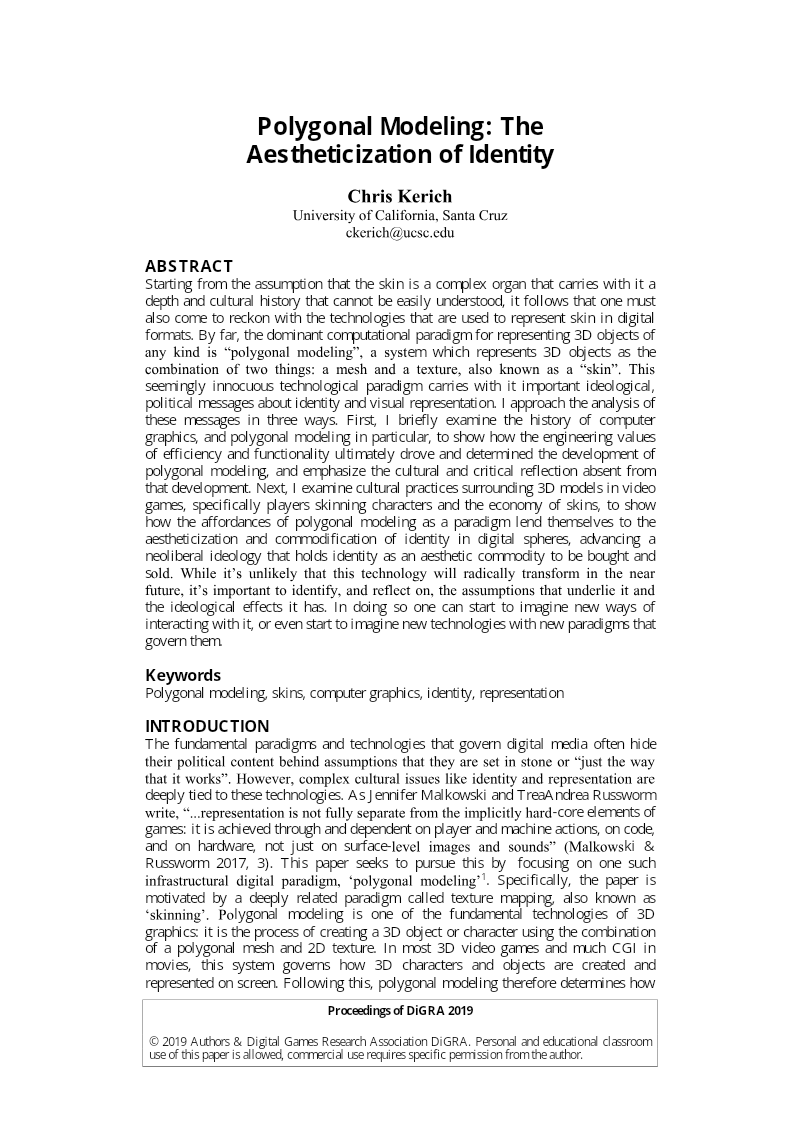
DiGRA · 2019
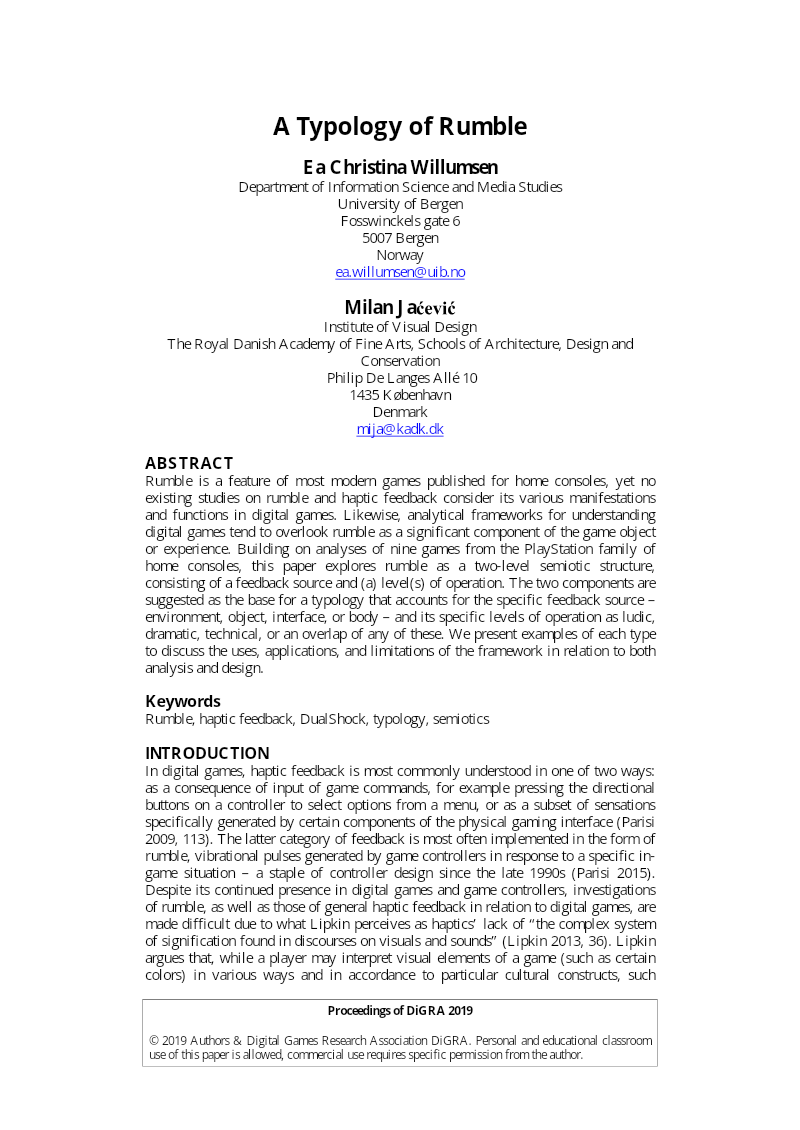
DiGRA · 2019
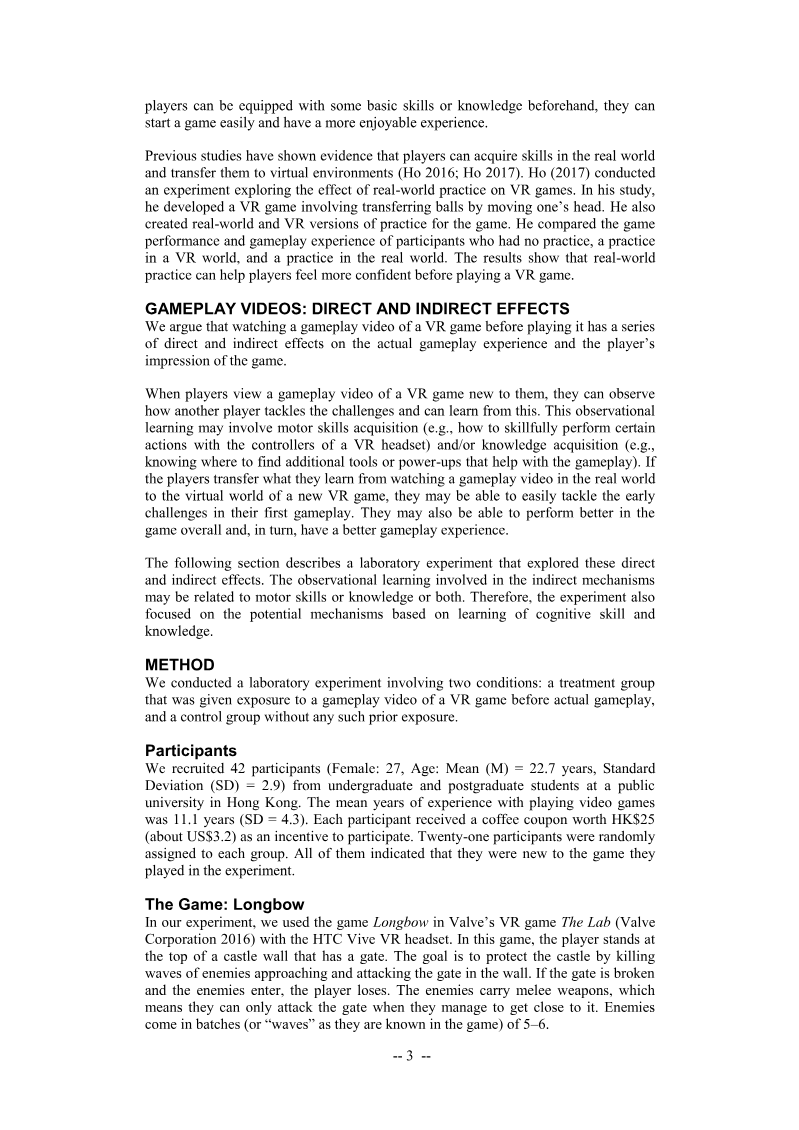
DiGRA · 2019
DiGRA · 2019
DiGRA · 2019
DiGRA · 2019
DiGRA · 2019
DiGRA · 2019
DiGRA · 2019
DiGRA · 2019
Naavik · 2025