1 free read left. Create a free account for unlimited reading + AI research.
Create free accountWhitepaper Ludic Language Pedagogy
1 free read left. Create a free account for unlimited reading + AI research.
Create free accountWhitepaperLudic Language Pedagogy
These analog tools address both cognitive and affective dimensions of learning. They offer a practical alternative to digital platforms within classroom environments.
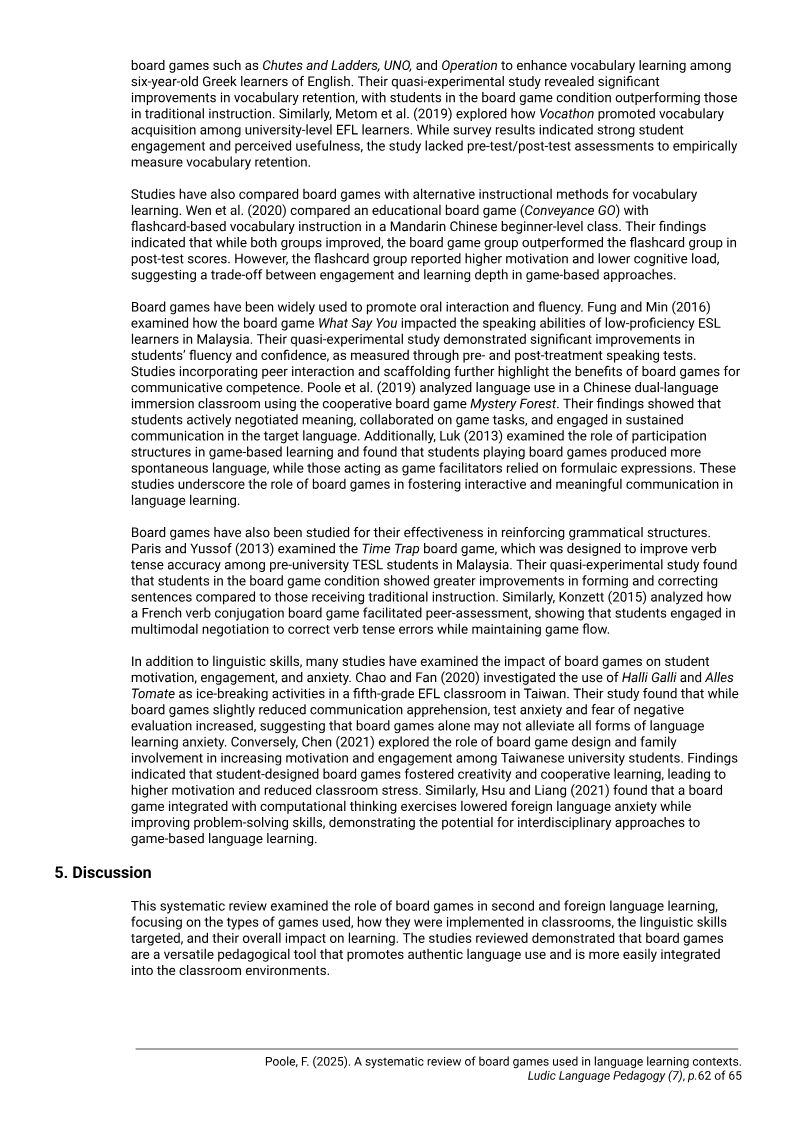
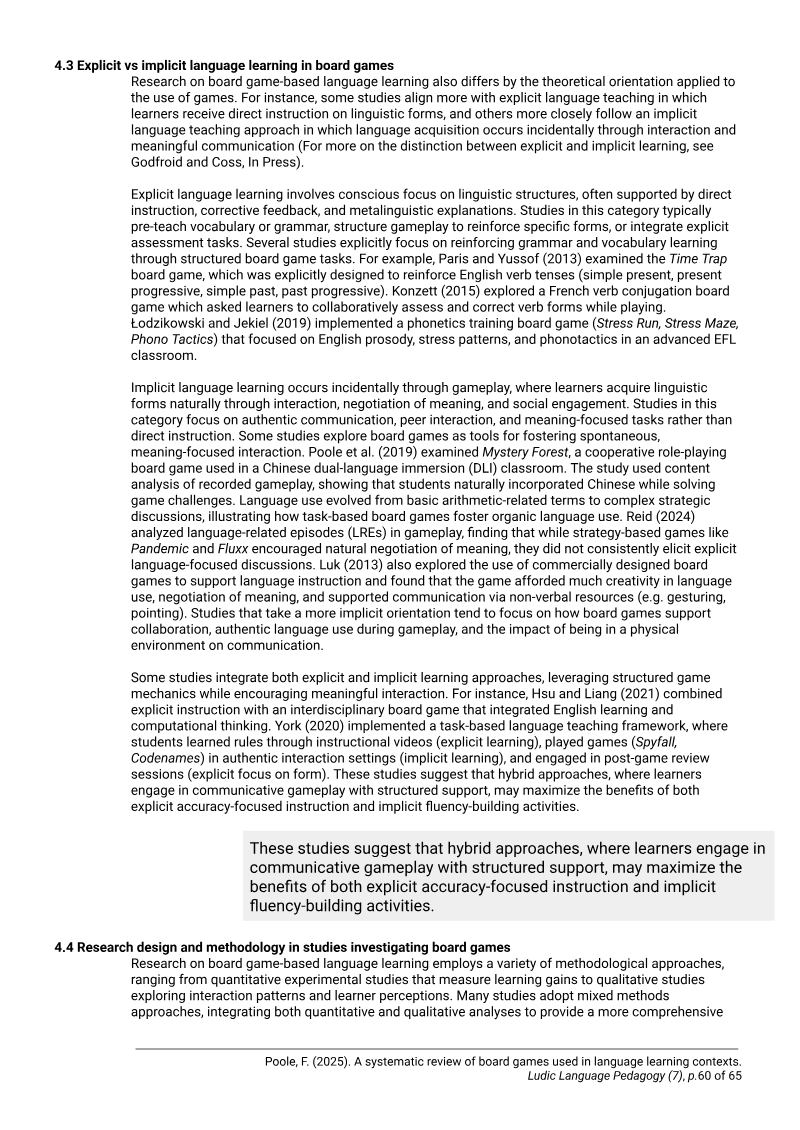
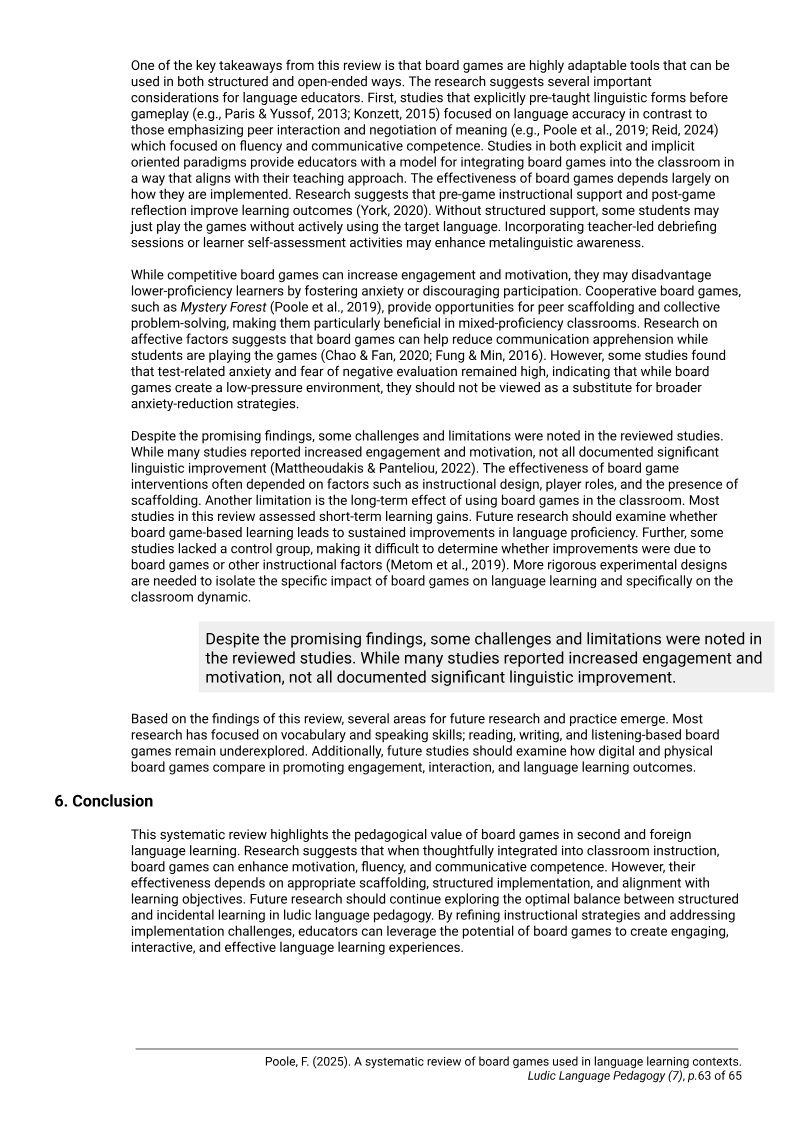
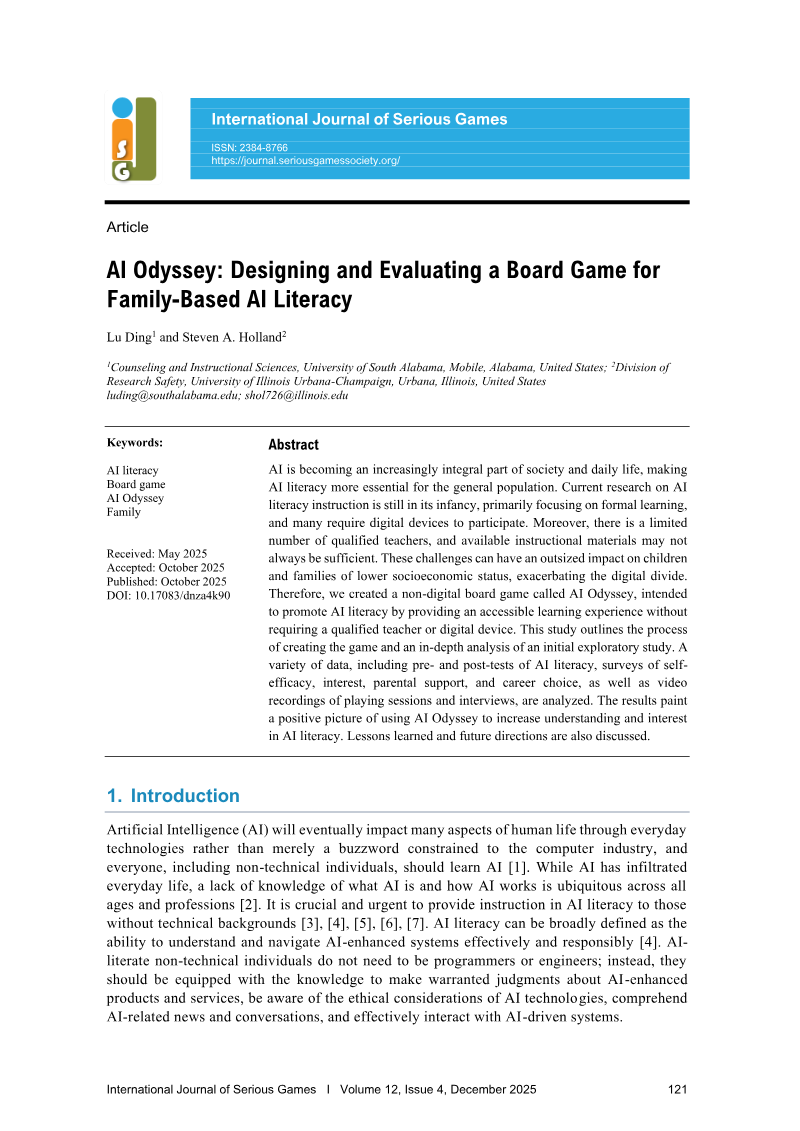
Board games serve as highly effective, versatile pedagogical tools for language acquisition, offering a practical alternative to digital platforms within classroom environments. By fostering communicative competence, vocabulary retention, and grammatical accuracy, these analog tools address both the cognitive and affective dimensions of learning. The central thesis posits that while board games significantly enhance student motivation and reduce communication apprehension, their efficacy is not inherent; rather, it is contingent upon deliberate pedagogical integration, including pre-game scaffolding and structured post-game reflection.
The research landscape for this instructional approach is broad, encompassing diverse age groups with a primary focus on English as a Foreign Language (EFL) learners in primary and secondary educational settings. Empirical evidence, derived from a combination of quantitative performance metrics and qualitative interaction analysis, demonstrates that board games are particularly adept at facilitating collaborative language use. The most successful outcomes arise from hybrid instructional models that balance the implicit fluency-building nature of gameplay with explicit, accuracy-focused teaching methods.
Ultimately, the field advocates for a comprehensive Ludic Language Pedagogy that synthesizes analog and digital tools to optimize long-term proficiency. While board games are proven to boost engagement and provide a low-stakes environment for language practice, they do not function as a universal remedy for all forms of learning anxiety. Future research must continue to investigate the long-term impact of these games on sustained language proficiency, ensuring that educators move beyond viewing games as mere supplementary activities and instead treat them as core components of a structured, balanced curriculum.
Ludic Language Pedagogy · 2026
Ludic Language Pedagogy · 2026
Ludic Language Pedagogy · 2026
Ludic Language Pedagogy · 2026
Ludic Language Pedagogy · 2026
Ludic Language Pedagogy · 2026
Ludic Language Pedagogy · 2026
Ludic Language Pedagogy · 2026
Ludic Language Pedagogy · 2026
Ludic Language Pedagogy · 2026
Ludic Language Pedagogy · 2026
Ludic Language Pedagogy · 2026
Ludic Language Pedagogy · 2026