1 free read left. Create a free account for unlimited reading + AI research.
Create free accountWhitepaper International Journal of Serious Games
1 free read left. Create a free account for unlimited reading + AI research.
Create free accountWhitepaperInternational Journal of Serious Games
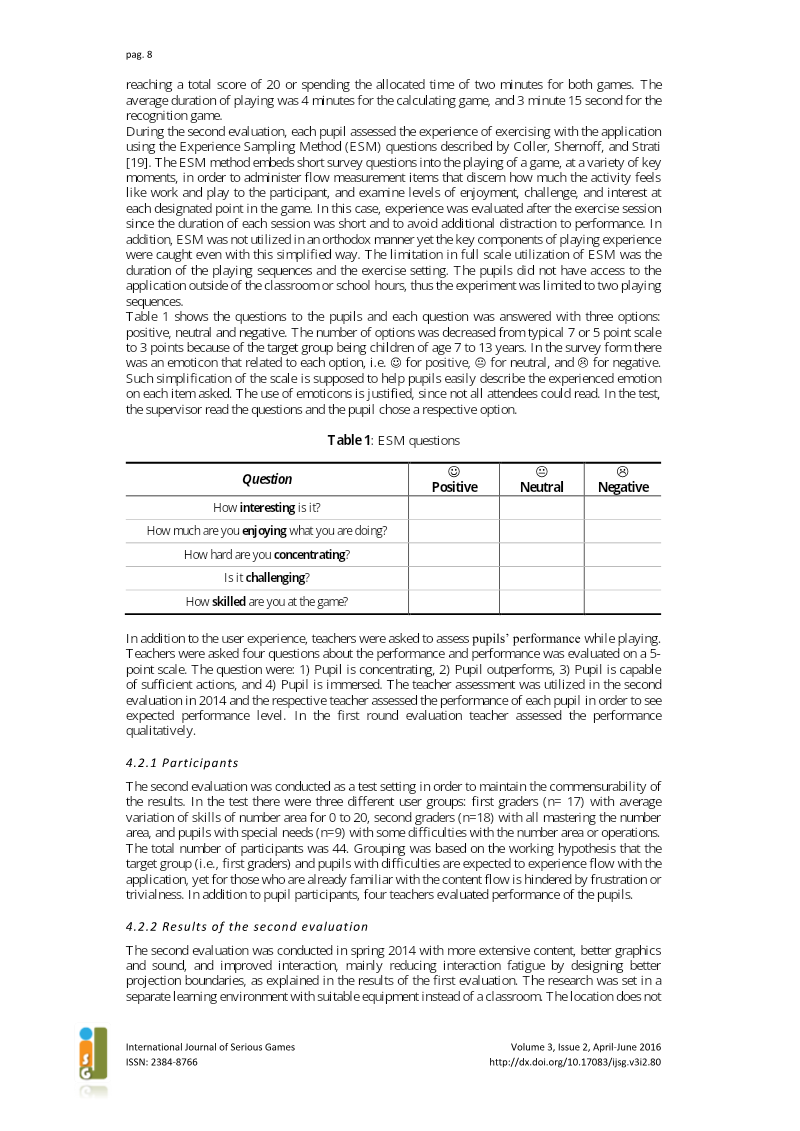
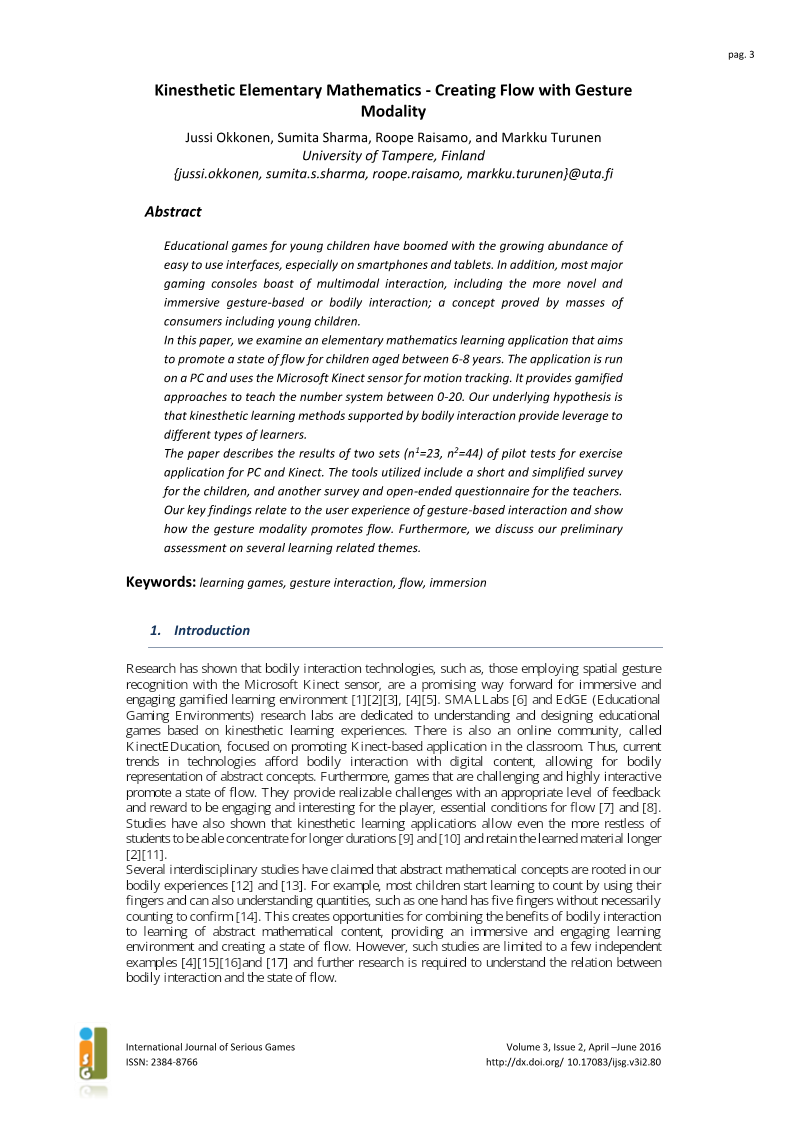
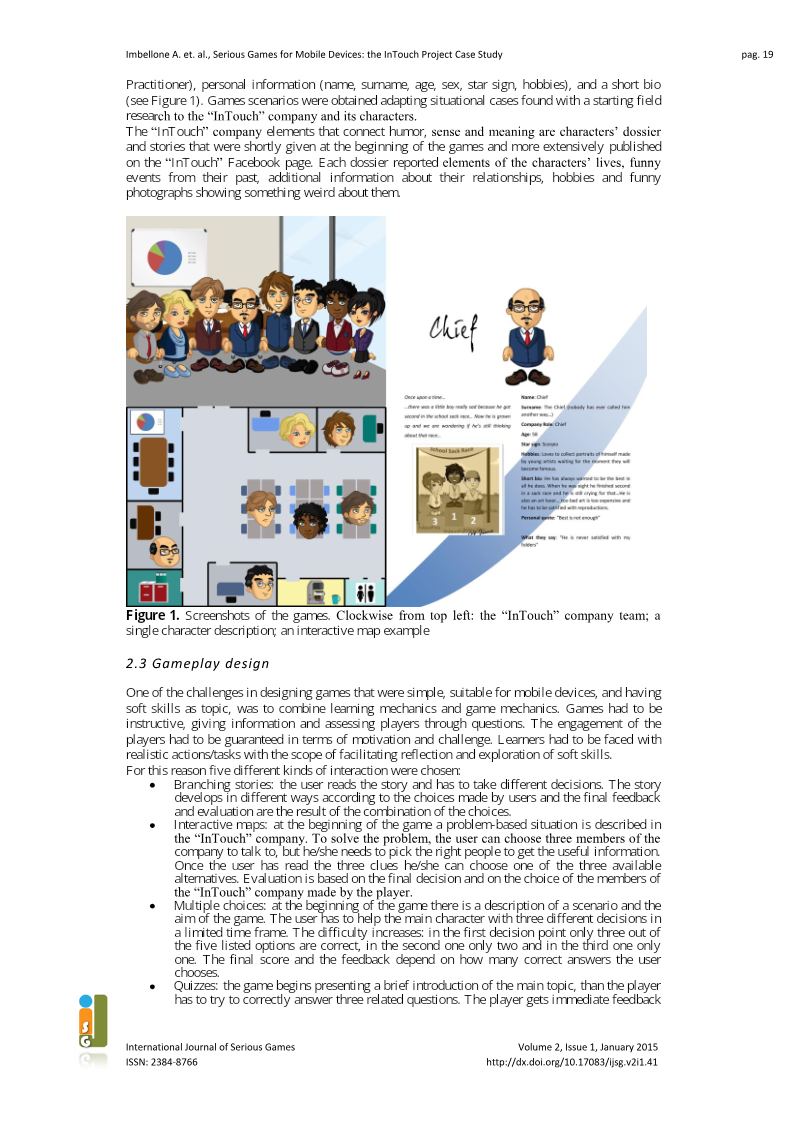
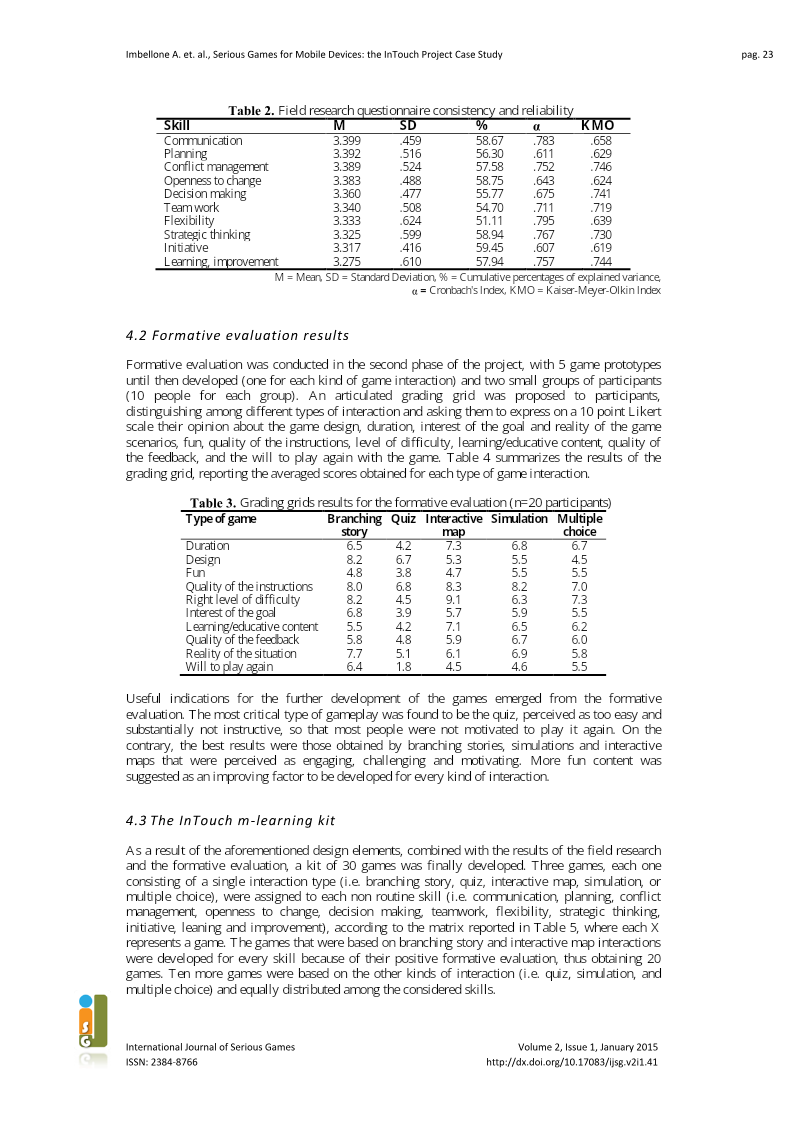
This analysis examines the development and teacher assessment of three simulation-based serious games designed for science education in South Korean elementary and middle schools. The games—Force and Motion, State Change of Water, and Earth and Moon—were created to address complex scientific concepts that are often difficult to teach through traditional methods. By utilizing physically-based simulations, such as particle-based fluid dynamics and gravitational/magnetic force modeling, the project aimed to provide students with interactive, accurate learning experiences that avoid the common misconceptions associated with purely visual educational software.
The development process involved a collaborative effort between educators and game designers to identify curriculum components with mid- to high-level learning difficulties. These components were then translated into game-based scenarios. The games were evaluated by a cohort of science teachers who assessed them across five categories: teaching-learning contents, teaching-learning strategy, screen organization, technology, and economics-morality. The evaluation utilized a standardized scoring system ranging from one to four.
Findings indicate that while the games are highly regarded for their technical innovation and educational alignment, they face challenges in user engagement. The technology category received the highest average score (2.97), reflecting the successful implementation of complex physical simulations. However, teachers identified significant room for improvement in screen organization and user interface design, which scored below 2.5. Feedback suggested that while the curriculum is well-structured, the games require more intuitive controls, clearer instructions, and enhanced graphics to compete with the quality of commercial entertainment titles. Ultimately, the study concludes that simulation-based serious games serve as promising, effective complementary tools for science education, provided that developers prioritize user experience and aesthetic quality to better motivate students.
Each row is a game or company this document names, each column a document, oldest first. A mark means that document names it. Select a row to see those documents.
International Journal of Serious Games · 2023
International Journal of Serious Games · 2022
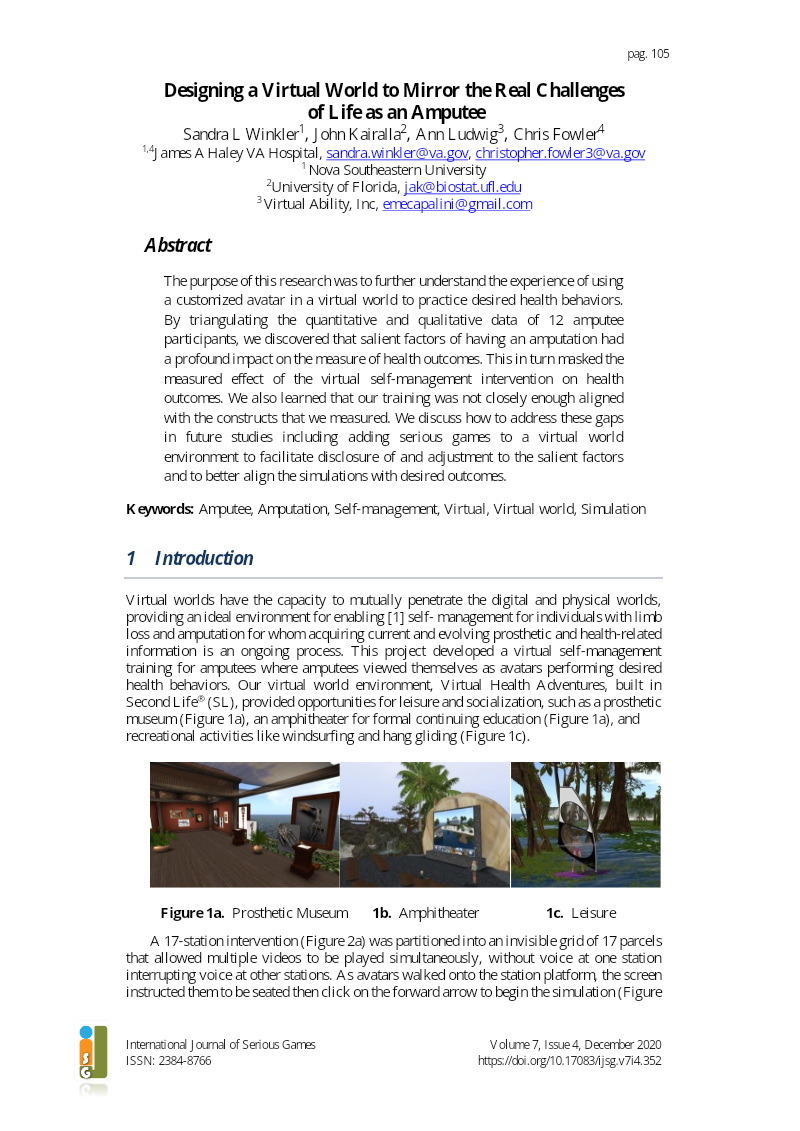
International Journal of Serious Games · 2020
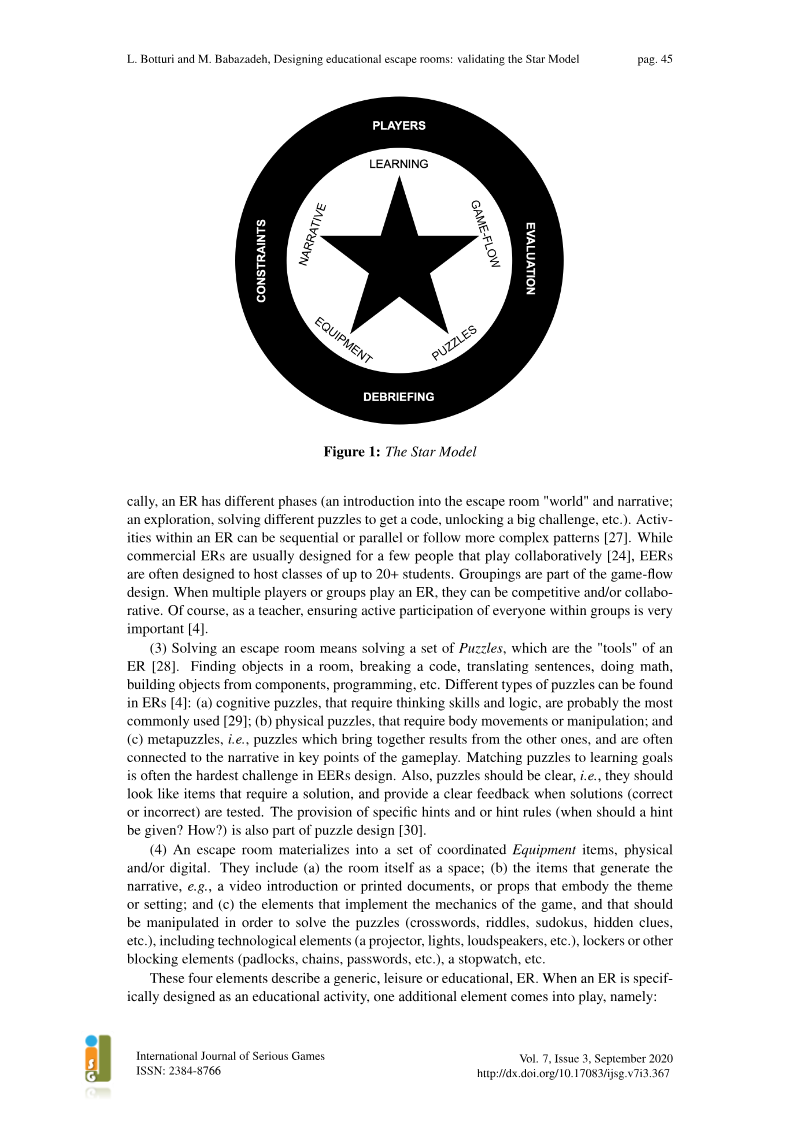
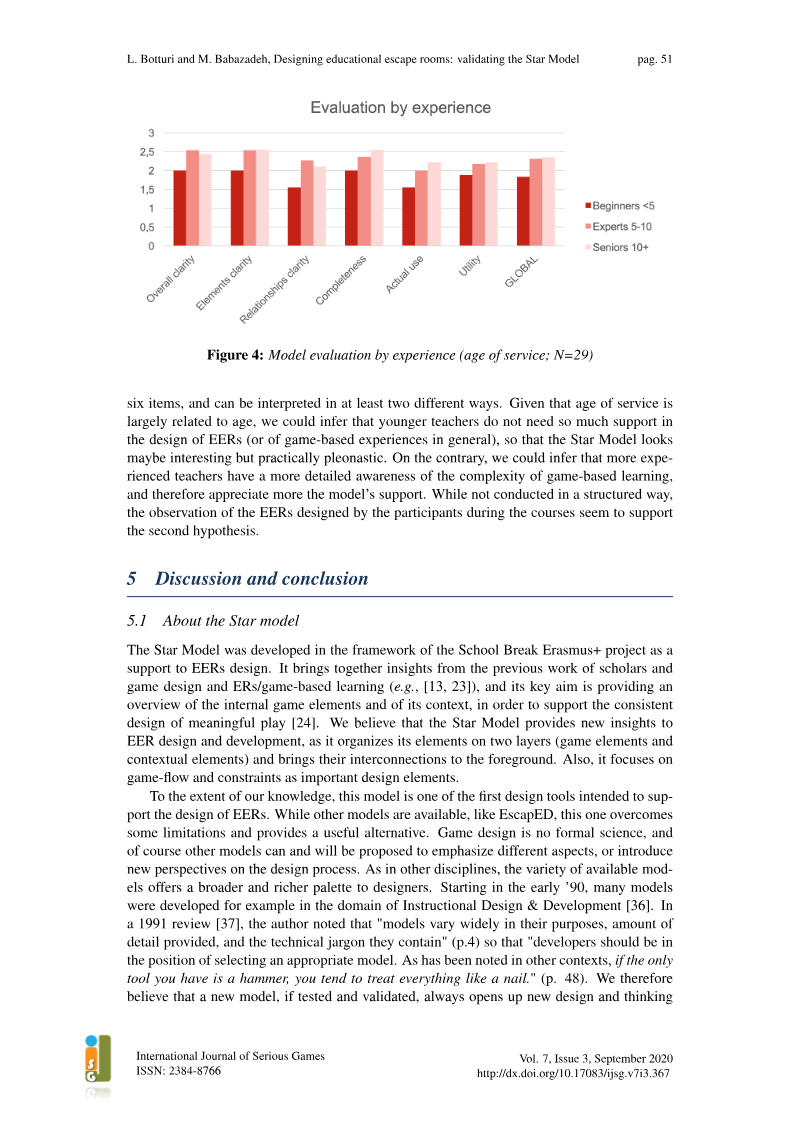
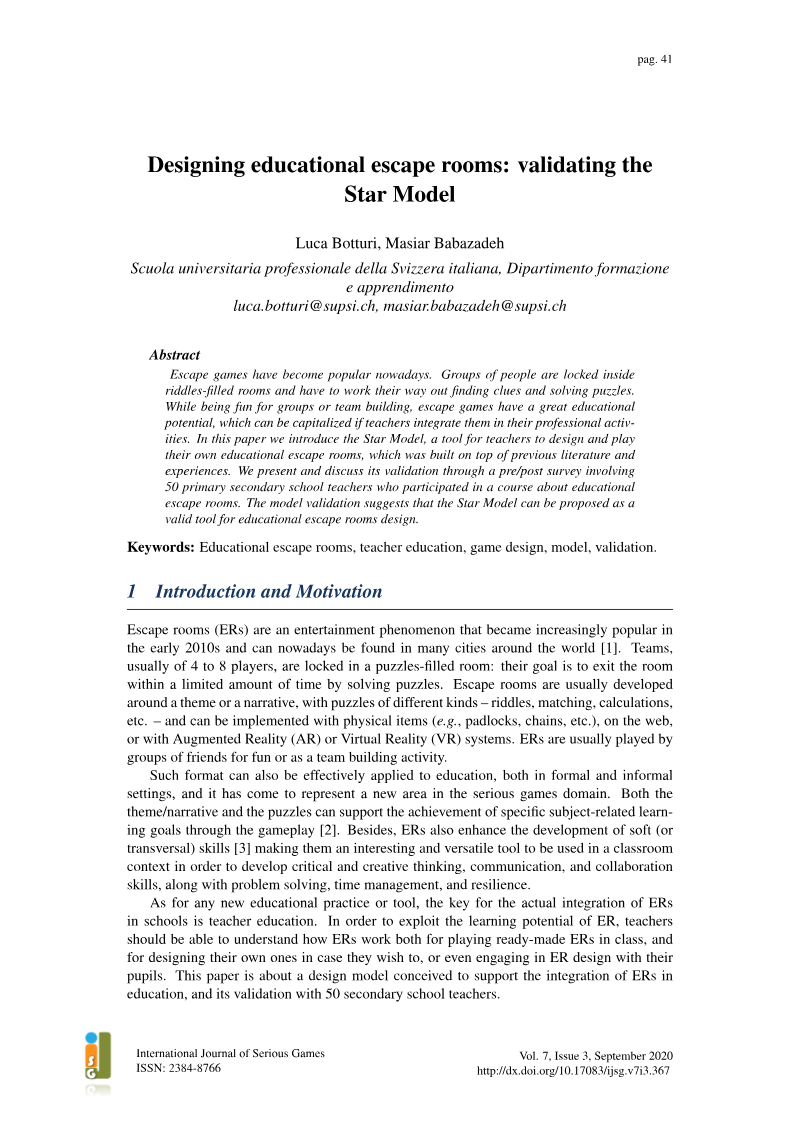
International Journal of Serious Games · 2020
International Journal of Serious Games · 2020
International Journal of Serious Games · 2020
International Journal of Serious Games · 2020
International Journal of Serious Games · 2020
International Journal of Serious Games · 2020
International Journal of Serious Games · 2020
International Journal of Serious Games · 2020
Air Force Institute of Technology · 2020