More from Digital Administration
View all
More on Serious Games
View all
Whitepaper
Mathematics Trails: Shallow and Deep Gamification
International Journal of Serious Games · 2019
Whitepaper
Persuasive Design of a Mobile Energy Conservation Game with Direct Feedback and Social Cues
DiGRA · 2009



Whitepaper
A Scalable, Modular Architecture Enabling Digital Teacher-Defined Mobile Escape Rooms
European Conference on Games Based Learning (ECGBL) · 2026
Whitepaper
Designing Educational Games in Higher Education: A Convergent Mixed-methods Pilot Evaluation
European Conference on Games Based Learning (ECGBL) · 2026
Whitepaper
Balancing Attention in an Immersive Augmented Reality Multiplayer Game for Museum Education
European Conference on Games Based Learning (ECGBL) · 2026
Whitepaper
Enhancing Holistic Development Through Exergame-Based Learning
European Conference on Games Based Learning (ECGBL) · 2025
Whitepaper
Analysing Game Data to Evaluate Children's Learning Progress with the EDURINO App
European Conference on Games Based Learning (ECGBL) · 2024
Whitepaper
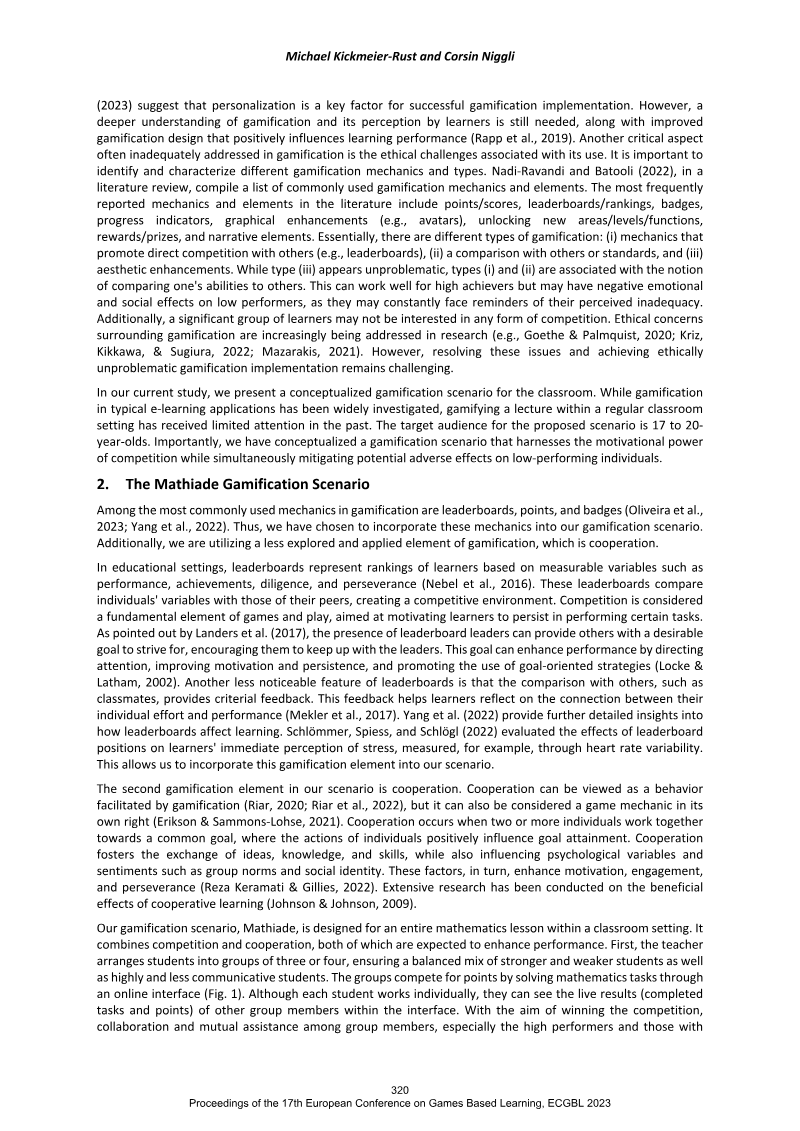
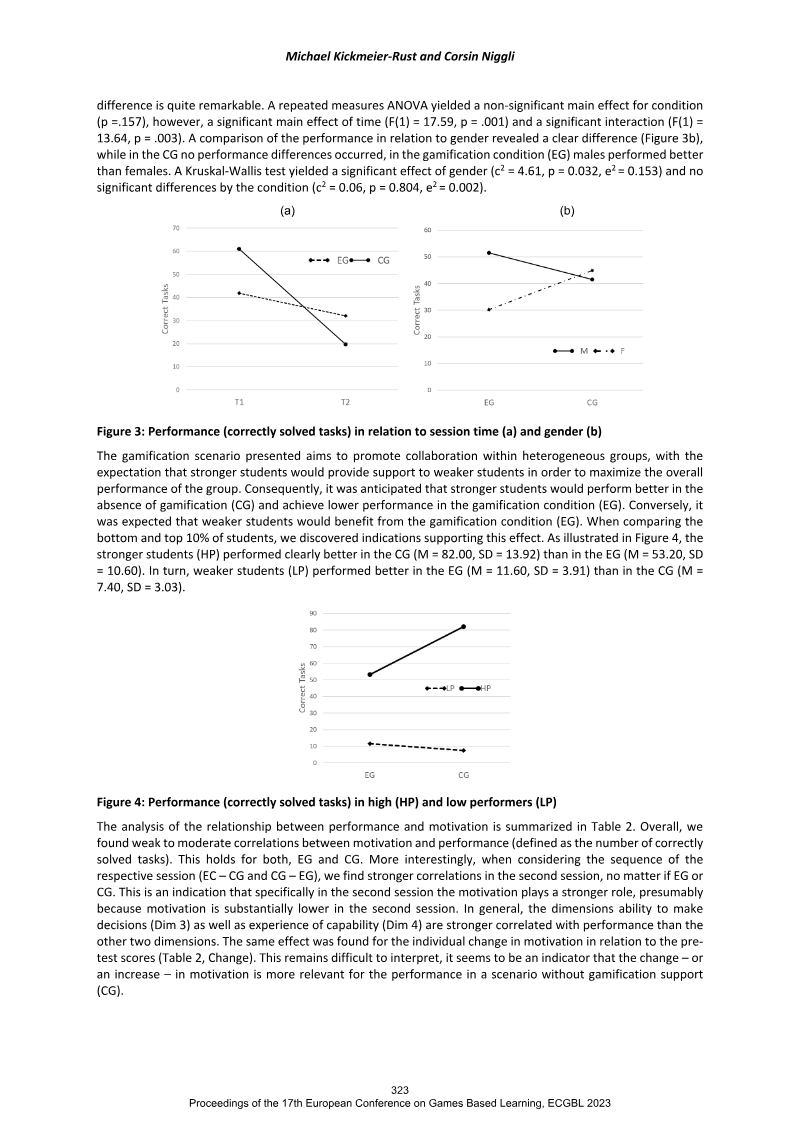
The Effects of Gamifying Mathematics Lessons at High School Level
European Conference on Games Based Learning (ECGBL) · 2023
Whitepaper
Comparing the Student Engagement with Two Versions of a Game-based Learning Tool
European Conference on Games Based Learning (ECGBL) · 2022
Whitepaper
ARtales: AR Mobile Application Using Transformative Learning Through Aesthetic Experience
European Conference on Games Based Learning (ECGBL) · 2022
Whitepaper
Designing a Mobile Game for Introducing Learners to a Soap Making Process
European Conference on Games Based Learning (ECGBL) · 2022
Whitepaper
Marie's ChemLab: A Mobile Augmented Reality Game to Teach Basic Chemistry to Children
European Conference on Games Based Learning (ECGBL) · 2022