1 free read left. Create a free account for unlimited reading + AI research.
Create free account
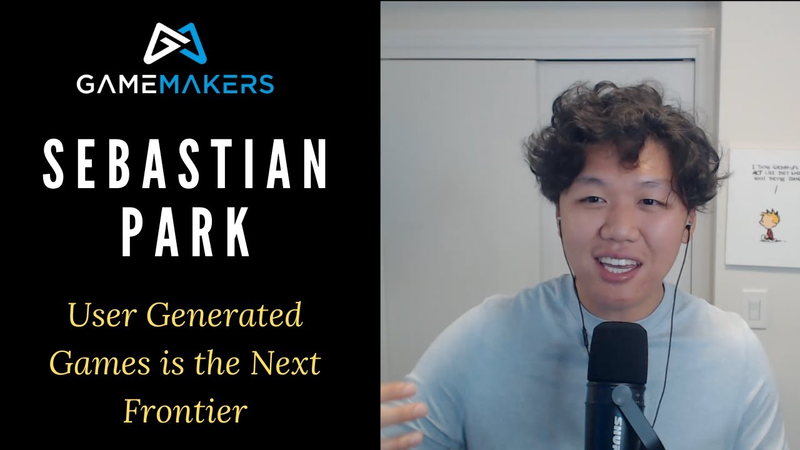
Sebastian Park on why User Generated Content is the Future of Games
Key insights
6 takeaways- 01The gaming industry is shifting from a distribution-focused model to a discovery-focused one, as lowered barriers to entry create a saturated ecosystem of mods and digital items.
- 02Specialized publishing models are emerging to scale community-built prototypes by applying professional live operations, monetization strategies, and data-driven retention loops.
- 03Successful UGC platforms prioritize incremental evolution based on observed user behavior rather than forcing complex, unintuitive editing tools onto players.
- 04Platforms like Roblox and Fortnite have effectively solved the challenge of audience reach, shifting the primary developer hurdle to identifying and sustaining high-quality experiences.
- 05These publishing entities function as a funnel, transforming niche, amateur-led mods into sustainable, multi-platform commercial hits.
- 06The long-term growth of UGC is driven by younger demographics who view digital creation as a fundamental component of play, ensuring the model scales as these cohorts age.
Ask AI about this video
Transcript
got to be honest that's a good idea hey sebastian first of all thanks for jumping on to record with me today we're going to be talking about user-generated gaming and i know you think that that's a future the future is user-generated gaming and you think that's the sort of frontier so we can talk about that but before we jump into that can you talk just you know really briefly about who you are and i was just talking to you briefly before we started recording about um seeing you on a number of podcasts and things like that maybe you could also talk about your rationale for being a bit more visible or you know coming onto different podcasts my name is sebastian uh seth park on twitter i have been in gaming and esports the last 10 years i was fortunate not to start off in esports uh was the vp of esports for the houston rockets creating a couple teams including clutch gaming and league of
legends that we sold to the fine folks over at harris blitzer and the 76ers that became dignitas in 2020 he became a venture partner at bitcraft focus on user-generated gaming esports and web 3 and then in 2021 a year later created and co-founded infinite canvas which is a user-generated gaming user-owned publisher of sorts that's okay so it makes sense why you think user-generated gaming is the future you're actually you're doing what you believe yeah yeah i mean it's funny because like a large rationale behind pushing forward was in part because we just didn't see the type of company i wanted to invest in i was like hey i'm an operator first let's get back into this and so that's a lot of fun to to your second question about why you know being more public and talking more through ideas there's like two parts of it one is that insofar as we're in the bear market i think actually ideas get lost in the signal noise in that people when it's a bull market
like to talk about things like to be futuristic and optimistic it's harder to be optimistic in the bear market just because the entire world is telling you you're wrong i think optimus is just incredibly important and so the first main reason is like hey i actually think that irrespective of what's happening in the market this ecosystem is great there's a lot of value here and the people should be more involved in it but second and i think this is also really important is i found that the best way to iterate on my ideas and beliefs is to get feedback and it's really easy especially in during the pandemic and then subsequently in the last few months to be insular right just to have your ideas talk to people who agree with you and keep that loop going it's much harder to have your ideas tested by like the court of public fires right and so yeah part of the user-generated bit is honestly for my own benefit which is hey i want to spread this idea i want people to tell
me i'm wrong tell me what's wrong with my ideation so that i can then update it and make sure that both our philosophical opinions but also our like operational direction is correct and it's always nice to hear from really intelligent people that way yeah i think that's a good point especially that you make regarding feedback and certainly i think that during a bull market even with investors you could kind of sense that even investors are probably a little bit more reluctant to give harsh or negative feedback just because you know they want to do a deal and they don't want to be too negative but it's i think it is an important function whether it's coming from potential investors or other other folks in the industry and things like that so i think that's great um so maybe we could actually dive in and talk about you know when i spoke to you initially we talked about a number of different topics all to me really interesting but for you i wanted to kind of understand why you think the next frontier is user generated gaming and what you mean by
that so maybe you could kind of characterize your your thesis in terms of the your view on ugc yeah sure so i mean i think the first thing to talk about is what i call the crater to consumer ratio and i think we've talked about this before which is in any given ecosystem like throughout the history of the world there is a number of consumers and there's always fewer creators than there are consumers the ratio as far as i can tell just in the research i've been looking at was that the ratio used to be a hundred thousand to one and for the last 20 years or so since the internet before that by the way i was like you know 10 million to one right like it was like really hard to be a creator in the you know pre-printing past era it was really hard to be a creator free internet but once the internet came about especially in video we started seeing a hundred thousand the one for every hundred thousand people consuming the content there was someone making content what's been really awesome and i think this is shows up not only well especially in gen z but not only there but also just generally as part of the macro trends of content creation in
video writing gaming et cetera is that that ratio is decreasing right it's like going from a hundred thousand to one and especially the democratization of tools and ease of access it's coming down to like ten thousand to one one of my favorite stories i tell people is that my my younger brother is a cinematographer so you know he like has a degree in that he's been a practicing cinematographer for about a decade now as well he you know you know before in a different era that's how you did it it's like you were you had to get a degree you have to go like intern for someone you had to be in his production assistant nowadays we have youtube we have these democratized tools that people are learning from youtube to make content on youtube what's been really cool about gaming and this is sort of the evolution that we see and by william my tall my co-founder myself is that what we saw in video was that once the tooling was there people started making things and that became part of the cultural zeitgeist of that generation where people would make video it made sense to be not only a consumer
but also a creator we're seeing that and we're starting to see the beginnings of that in gaming as well we've known that with these tools especially with like warcraft 3 map editor and more recently in platforms like roblox fortnite creative and web 3 as well that people are now making things in mass because it's just easier to make it and i think that's been really cool to watch and that's really the underpinnings of what i think about use generic gaming is the democratization of tools allowing people to create more games the favorite anecdote with joe i know you you remember deeply is it was really hard to make games like 15 years ago right i remember i remember starting off at the beginning of the mobile gaming boom right so we're just going from facebook over to mobile and you need to know you know basically linear algebra for a lot of the physics engine stuff you needed to understand not only objective c but also the interplay of graphics engines and everything coming together and if you built for android there was no way it was going to work on ios and vice versa right everything was
boxed in itself and since then we've even seen it at the high level with unity and unreal being far more accessible to people who don't necessarily have a phd in like that type of computational math right and so we're starting to see that you can get easier and easier and that's where we're seeing the explosion of creativity on the user generated side yeah and i think that the analogy that you're drawing between social networking which is you know is essentially to to your point really help enable like that ratio between creators and consumers to to be much lower right like on facebook everybody is a creator to some degree and we we see that happening with like twitter and other other other platforms where people now it's so much easier for someone with a voice or something interesting to say to be discovered and similarly to the point you're making in terms of game development i like there's a number of folks whether
you're using blueprints in unreal or you're using um or you're you're developing lua for on roblox where that that sort of development vector between idea to product right to publishing has just gotten dramatically smaller so i i think that that's um you know i would agree with you in terms of the thesis in terms of democratization and the um the ability for more people to become creators yeah but having said oh go ahead my favorite story by by the way of this is not only just the tooling but also the cultural zeitgeist i think it's really important to mention right which is it used to be that the most sought-after job in america like 30 years ago was like astronaut or some type of pre-professional pathway right and today it's more creator it's youtube like kids are like i want to be a youtuber i want to be a maker of things that that jump is i think really cool because it's it's also demonstrative of
what you're starting to see inside of the top universities in the united states where people who are graduating from stanford aren't saying i'm going to go work at goldman sachs or google they're often saying hey i want to take my shot on creating something building a company doing something interesting right and i think the the other thing that has been interesting is with platforms like twitch and youtube the ability for the economics to make sense for just like some random person to just quickly and cheaply make videos and then have economics flow back to them in a way that can sustain their work but um maybe the the other thing i could ask you then is if you were to for our audience if you were to think about how you think about on a high level the different ways in which ugc manifests in games right so we see platforms like roblox we see the ability to create custom mods or maps you know in in various games and also the ability to potentially create cosmetics and sell that you know in a marketplace in the game
but are those the three primary ways that you're seeing ugc content manifesting games or what are the other how how else would you think about it from a high level yeah i mean so so the answer is yes right those are their main ways people are making games themselves they're making modifications of existing games and they're also creating in-game items or in-game game modes for them right and so you're you're able to play a different take on an existing ip there's an interesting book just as an aside uh by this gentleman named derek thompson who wrote a book called hitmakers where he talks specifically like the entire thesis boils down to people don't like things they're like super different they like things they're like one degree off and that's really a lot of this creation and it's just as you take the degree per the existing idea and push it out it starts to look more and more unique over time but that's really the the thrust of the type of user-generated content it's like cosmetics it's items it's game modes game loops games themselves
new approaches to existing ip new ip from existing ip as a derivation thereof what's interesting and i think this is part of the the deeper question that people are going to ask is that actually changes the dynamics of games which i think is a really fun idea to explore if you think about what the and one of the things that we do at bitcraft for example is we think a lot about what does it mean what's like the pain point of industry like what is a thing that's missing for 30 years or so and like that's going back to even the 60s the 60s the hardest part was hardware right like it was like hey how do we make these uh processors smart small enough so they can fit in this giant box so that people play arcade games then for a couple decades it was distributions like hey how do we get on the shelves of toys r us the shelves of best buy the shelves of these stores and get that four foot to five foot area for people to see it you know in the 2010s there's a lot about taking that digitally so you have your steam you have your apps or your
play store you have the ability to see and find games that way and distribution was really important insofar as user generate is concerned and people are making these cosmetics and items and games and modes it switches from being a distribution issue because distributions built into these platforms it becomes discovery issue which is actually i think one of the more cool things about this forum which is there are going to be more games now and there already are more games by the way but there are more games you can possibly ever play and thus it it's now crusted over into the world of like books and music for example where it's like hey the limiting factor is an ability to like find engineers and game developers and designers the limiting factor is to be discovered even if you're good and then you have like this really interesting tournament model of employment type of thesis applied to game making which wasn't the case for a number of years right and so one question i have for you that though is like when we think about just just coming back to like this framework in terms of platform like roadblocks
mods like you know warcraft 3 um and uh the ability to build in-game items that you sell or resell um what are you seeing in terms of like the biggest opportunity against those three models and then maybe you could also tell tell us what you're doing with infinite canvas and does it fit into one of those three categories cleanly or is it something else yeah i mean so i think depending on where you're approaching the problem from there are going to be different parts of the value chain that makes sense as a game developer and i'm going to just use esports as a quick example because i think esports is an emerging behavior that's very similar to user generated in that esports a lot of people thought was a user acquisition funnel right they're like hey we're going to create an esport professional video games to drive more people to our games and over time people have come to the conclusion or people are coming to the conclusion that's more of a retentive tool that's actually super useful for league of legends to have an esports department because it keeps people to continue to play which
is awesome similarly on the ugc side there are i like to think of it does it help your monetization does it help your user acquisition does it help your retention ugc depending on which part of the platform you are and where in the game cycle is can help all three but only if you target it specifically so for example user generated cosmetics will help monetization far more than it helps retention user generated game modes like the actual modifications is really helpful for retention of the of the players but probably less so for monetization for most people and then user generated from the perspective of creating content and bringing creating new games is an your your game becomes a user acquisition funnel for another game which i think is really cool our belief in infinite canvas is that we're we focus mostly on the user-generated games themselves looking for differentiated game moves and new things on the market okay is there any more information you can are you still kind of like in stealth mode is there more details you can
provide about infinite canvas yeah yeah i mean so we're not stuff at all we uh we're we started on roblox our our approach was basically let's be completely agnostic to the game modes let's we're not the target audience the target audience is between 13 and 24. nobody on our team except maybe one person is under the age of 24 right like i think most of us have like 10 20 years of experience at this point and it's really hard i think and this is like one of the hardest parts of being a creator or a developer right yeah you get enough experience that you think you have intuition and taste and then you realize you're no longer a target demo right like that you were the target demo when you started out in the industry and you no longer are and so our approach was hey there are a lot of game modes and games are being overlooked because they feel too simplistic or they look bad or they look different than what we would expect to be fun our data model finds those games we've reached out to those games initially like our initial reach-out funnel was we
would just dm people on twitter be like hey we think your game is really awesome we think we can help let's run in and run it back nowadays is actually the other way around where we get a lot more inbound but you know we work with like you know two to three dozen games at this point uh and we improve their loops and help them bring their game from a game that you know may monetize poorly but have great eyeballs or vice versa and then get them to a point where they make more money and are on more platforms and are doing more interesting things mostly in search of a differentiated super hit or a home run okay so are you would you characterize yourself as more of like a ugc content publisher and roblox is one of your distribution channels as well as you know potentially other other platforms and games yeah i think that's i think that's fair i think we like i think like the way we talk about ourselves is far more like we are what activision would have looked like in 2022 if they had started this year i suppose you know 30 years ago it's far more we're agnostic to roblox or fortnite
creative or you know manticore rec room or web3 it's just wherever the users are and we want we believe that the best games ever created the last 10 20 years were all modifications and slight derivations of existing ip and that these platforms are going to demonstrably show new game loops that are going to be a ton of fun and then no designer that we know in our circle of people we know would have made in a vacuum and those that's really what the search and goal is right and not to like focus too much on those three categories but if i were to think about your business and the potential economics against let's say you know mods versus creating a game on a platform versus like creating items for a marketplace within a game would you say that as a you know call it ugc publisher that you're i would say most of your opportunity currently would just be in terms of like you know helping independent developers or studios uh build for
platforms like roblox and because i think when you look at some of the the other categories like building mods like some of the greatest schemes in the world like you know uh work warcraft threes you know defense of the ancients being league of legends and you know h1z1 king of the kill became you know basically battle royale became autobattlers which is also fun right that part doesn't seem to be the economics there doesn't seem to have a publishable opportunity or do you think like so i guess my question is in terms of those three categories is it all about games on platform or is it or do you see new opportunities opening up elsewhere yeah so it's mostly the latter actually it's mostly we're looking for at the end of the day what we're looking for is your next dota or next auto chess or next h1z1 and we think that here is a world where people are making thousands of games a day effectively we can work with these games we can you know acquire the games we can publish the games we can do
different types of rev shares with these games and as we improve the loop we're working with game types and game loops that we've never seen before in terms of hey like why would this make sense like and i think that's been really cool and so that's actually i think a large part of the economic upside of the business is hey how do you find a differentiate game loop ahead of time well you have to be in the weeds of where those games are being developed interesting so if i understand that just so i got i have this correct if you see like a game mode or mod like let's say you stumbled across king of the kill then you would have reached out to brendan green and said hey let's turn this into again you basically would have done the craft on model yeah i suppose so i mean i think that's actually a pretty interesting approach and it's certainly what we do often it's like we find so a good example of this is our our data model saw a dunking loop game on roblox where it's really a simplistic game loop you run around dunking a basketball
we thought it was a ton of fun we talked to the creator we're like hey we love to develop your game and make it into a instead of a single single shot game where you dunk over people let's create different worlds let's create different levels let's turn it into a live ops experience and give people and reasons to keep coming back and you know monetize better really show what the game's potential is you know we did like a deal with beats by dre to implement the beats by dre headset that you can like get by dunking in the game et cetera and it really worked out for us right like the game ended up massively outperforming any metric that we thought it could have performed prior to working on it and now we have that dunking game you know in perpetuity in terms of not only on this platform but also looking at hey does it work on fortnite how does that loop change on fortnight how does that loop change in web3 for example and more importantly how does it continue to grow in roadblocks i think that's very much in line with what we've done
historically and what we tend to focus on as opposed necessarily working with indie game developers um in the vacuum part of this is development cycles these people are making user-generated games on platforms like this have development cycles and the order magnitude of like days and weeks as opposed to months and years and so it's very interesting to see people take an iterative shot on goal and then call it a day yeah and maybe to follow up questions with respect to what you guys are trying to do it would seem to me that um a couple of things would be important for you to be successful the first has to do with discovery right so a lot of times some of these mods are very underground where you know whether it's um you know you were around to know about defense of the ancients during you know the warcraft 3 modding days or things like that how are you doing discovery are you guys sitting in reddit forums are you guys is there a data driven way of trying to find some of these like potential mods or games or experiences that can be
turned into something bigger what does your discovery look like yeah yeah so i think discovery is an interesting two-sided coin in that i'll talk about how we find these games and then we'll also talk about how we then take these games to the masses on the finding thing there are two main mechanisms so the first one is our data model right we do a lot of fun data work the in first version of it was just looking at user velocity and acceleration how many users are coming in how much are we doing it how how fast are they growing or how slow they're growing and we would just reach out to them and talk to me like hey you've crushed above our bright line of interest we haven't even looked at the core loop of the game yet because we don't want to bias ourselves from like what a good game and bad game is then we start working with them and that i think was the initial loop we've been fortunate that you know tal and i care a lot about long tail reputation like i think that's an incredibly important part of not only being a publisher but by being a creator or an entrepreneur in general is they can't treat people poorly you have to treat them well and if you do so there
are actually long tail upsides for that we've been getting a lot more inbound the last six months in the last six months especially this year it's been very much uh pockets of creators who we've worked with before or have helped out in some capacity coming to us and being like hey have you looked at this game have you seen this have you heard of this have you here's the game that i just made and that's been really cool from the discovery side but at the end of the day you know we have a data science team so it's very much constantly trying to find the next game that's doing interesting and being completely blind to what the game is i think that's so incredibly important one of my favorite things uh for the time in basketball was just if you get over index of what someone looks like you're going to miss like you know hidden gems and and for us it's very much we trust our data and we make sure we trust our data in order to avoid having that problem the second part which is the same issue that we have finding games we understand that users and players will also have problems finding these games for that side we lean heavily into
discovery as our big moat a lot of it involves working with creators content creators like video like youtube and twitch creators tick tock creators to be like hey play our games check out these games let your audience know if you like your dislike it and if so they'll just give it a try and if it's retentive and fun they'll keep playing if they if it's not we'll find out very quickly and and two communities uh less so ready more so i would say guild dot gg goddagi discords uh your actual person by person communities as opposed necessarily reddit communities got it okay cool and like the second aspect of your business if i'm understanding correctly would just be your value proposition to different creators right like how do you convince them to work with you i can imagine one thing like one one thing that i've heard from some roblox creators is that once they like come up with a new game then all of their time gets sucked into
the game and you know kind of like the the zero to one versus one to n emphasis in terms of how they spend their time and they want to just do more zero to one especially when you know a lot of the tools are there to create new games but so i can see one value proposition from that side but how do you speak to some of these guys in terms of convincing them uh to work with you yeah i mean at first it was hard like it was truly hard at first i i think people fail to understand and and i certainly fail to understand half the time just how annoying it is being a founder at times where you know i think the first few months it was very much the data model would spit out twitter handles and then we would just dm people being like hey we think your game is awesome here are ways we think we can help improve your game and we did about like a hundred these a week for like 10 weeks we were like just finding games we thought were interesting reaching out to them letting them know our backgrounds and working with them nowadays we have like a nice like library of games you can point to be like hey here are here's how we've helped other people hear the exact ways we've improved your user acquisition retention monetization that's been a lot
of fun i want to drill in onto zero one to one to end part which is i've traditionally found that there are innovators and then they're operators especially in gaming and a lot of people we work with especially on the creator side are innovators they're trying to innovate push the edge but they don't have necessarily the desire or patience to do live ops you and i know that a lot of the monetization of games especially in free to play nowadays is long tail live ops like sunsetting or not games over multiple years and cohorts that is a painful and often boring process for a lot of creators and different skill sets different skill set and so a lot of what we offer is that skill sets like hey we're you know if you work with us it's not necessarily that you're going to the game is not going to just change dramatically on you we're going to stick to your vision we almost never do deals where we take 100 over we always want to make sure that they are part of the overall vision community and let's update this while it frees you up to go
work on the next game the next game and next game which i think is a decent way to do it and then we focus more on the tooling necessary to operate multiple games at scale and maybe to give the audience a better concept of kind of like the universe of things that you look at when you think about good examples of ugc creators out there are there any specific names that come to mind that you think that people should check out in terms of interesting innovations or games that you think are good examples of the kind of opportunity that you're looking for yeah yeah i mean i i would say there are a couple that just jump straight up to mind one is not even a game i i recommend checking out this uh this young woman named anna leroux she is a user-generated clothing creator for roblox and she's lovely she's brilliant and her mental model and how you make clothing is so differentiated because she didn't have your traditional
fashion background like she was just you know a teenager making clothing and it's grown to this really interesting thing that's completely different the the other other cohort i'd look at honestly is i would look deeply at some of the hit games on platforms like roblox and on fortnite the roblox when i point out to is there was a game called piggy um that was really popular a year ago which was really a you know murder mystery run from someone type game but had like 17 chapters of a really esoteric story like no story that any proper like like classically trained writer would write but was increased created by this creator called minitune he's like a brilliant young man at this point and it was just to his own zeitgeist it was to his creative group the third category i actually would say honestly is i'd even reference back into video i check out snapchat and tick tock in particular and look at the craters there and sort of the meta that's
evolved and i think that's some of the coolest things that we're seeing on platform and that we have to be really aware of and it's why we're interested on robots but also snap games and snap lenses and everything else is these methods evolve where people become used to a specific format of video or a specific format of game and then you see like a thousand variations of it and it's really fun to see on on tick tock there's a there's the dancing thing obviously but recently there's been an explosion of deep explanations paired down to 60 seconds and there's just like an entire tick-tock microcosm of that and i think that's very similar on platform and gaming for example last year there was a big explosion in roblox of tycoon style games where you're you know collecting a bit of money and building a roller coaster just like roller coaster tycoon but different types of things a mall a carnival etc that i think is an interesting way to see the ebbs and flows as as a platform changes and the zeitgeist
differentiates on mobile right now i think ice cream maker is the meme of the day when whatever voodoo is working on usually is like a pretty good approximation whatever the free-to-play zeitgeist is at that moment got it okay yeah and maybe something else you could probably look at is uh popular ad creatives right that might be another way of trying to hundred percent and i think especially after the changes you know we have sk ad network 4.0 coming out in a bit and obviously the apple changes are you know demonstrably affecting the entire ecosystem we're starting to see some really interesting ad creative on that side as well because it's just less hyper-targeted and so because it's less hyper-targeted you have to rely on more zeitgeist based things and i think that's been really cool to watch yeah and i think in terms of ad create is a couple of trends that i thought were interesting from a couple years ago and last year were just like the you know there was like this huge wave of mob type of behavior like swarms of zombies and things like that and then somebody in trouble right
like somebody's in trouble you gotta save that person and we saw in games like um royal match from dream games that that actually got incorporated that kind of a theme got incorporated into their game okay well in terms of like some of the existing game studios if you have an existing game that is doesn't have udc elements to it would you give any advice in terms of how existing games to use can think about well i have an existing game it's doing pretty well but maybe i could try and apply ugc to the to the game in some way how what kind of recommendation would you make for them yeah i mean i think the first question is understanding how many users you have like let's assume a bullish world where the ratio is ten thousand to one well if it's ten thousand to one and you only have nine thousand users it doesn't matter if they're the most like if they're the richest nine thousand users in the world you're making millions of dollars you're just probably not going to see a crater in that ecosystem that's going to make something interesting like that's like a priority
constraint where you have to have enough users in order to drive that creation the second bit is honestly i would personally start with just asking like what people would want to make and then checking youtube oftentimes one of the cooler things is that people create modifications a common one on roblox is people create mods to like click really quickly because a lot of clicking games like cookie clickers you have an auto clicker like see what people are making and then effectively open up a small sandbox area of your world for people to do just that i think that's a really good place to start the biggest thing that we talked about the top was just that n plus one idea where it's small deviations or derivations that really make a larger pie it's exact same approach for user generated i think too many people typically games nowadays go for broke and they think this is going to be like a 12 year process of creating this uh editor and that's just not the case like for
the most part you open up one bit at a time see the traction you open up another bit at a time and then grows from there gta online is a great example of something that's more emergent behavior and exactly what we are but all these things have one thing in common which is you need to have a ton of users interested in either your ip or your game itself in order to see this community and just doesn't follow the same type of metric tracking that we would see necessarily in general free to play got it and maybe the last question i can ask you seb is that when we think about some of the user-generated content or gaming platforms out there like roblox or manticore or platforms like that it does seem like at least from a demographic perspective it seems like roblox is pretty much wrapped up like the kids market but do you do you think in the future is it a winner take all market or do you see additional platforms coming in do you see additional ugc platforms for older demographic uh that that you know comes to the
market later as well or how are you viewing ugc from a kind of market share perspective yeah so this this might be a hot take i am not convinced that you can acquire users over the age of 30 period and part of this is because i think people just lock into what their desires are and then they lock into their tastes there's a lot of research it's not particularly well researched it's like an unresearched part of the world but that people like lock into what they like in their 20s and 30s and it basically sustains them for the rest of your life one of the questions i always had in the esports world was people would always ask how do you acquire 35 year olds and my response for a number of years was you wait 10 years for the 25 year old to become 35 and by the way for what's worth if you look at the trend lines of esports that's happening where the average age of esports fans is increasing in part because there are new generations of people who you know followed brood war in 99
and now are like you know in their mid to late 30s maybe 40s now and those are the fans who are still fans of esports they're just gotten older like it's not that there was some 39 year old who hadn't heard of gaming before who suddenly became a league of legends fan it's that is the the gamers from that generation getting older one of the cool things i've seen on the creator side is that this next generation gen z which i would characterize as like anyone like 24 or below at this point 27 or below is used to creation as being part of their day-to-day life if you think about how old they are relative to how how young our ecosystem is most of them don't remember a time pre youtube right like that's like they're they're they're used to the idea of things being made and so when i look at platforms like roblox to have a grip on that like age demo that's i think more of a function of it being around for that age demo there are going to be other platforms that target different age demos but they will grow with the group of people they've captured same thing for snapchat snapchat actually i think is a ripe
user-generated ecosystem for when they launch in part because they really have captured anyone from the age of i think around 21 22 to 29 like that's like a pretty core or 27 maybe a pretty core snapchat demo that's really powerful roblox is really doing well between i think like 14 to 17 18. and that's going to scale up because every year the 17 year olds are going to turn 18 right and the 18 year old's gonna turn 19 and the 14 is going to turn 15. i think that leaves a lot of opportunity my best example and why you should believe this honestly is if you look at dota as an ecosystem and you look at the h curve of dota it's consistently gone up it's unclear if they're acquiring new users right it's unclear that anyone wakes up in the morning and becomes a dota player inherently unless they were had an older brother or an older sibling or an environment that exposed them to the game and they went from there and as that age level goes up the modding community of that game changes as well team bike tactics and dota auto
chats and underlords emerge from a user generated environment filled with dota players which i think is a really interesting cohort versus other other types of games fortnite i think is a super interesting cohort minecraft is another interesting cohort at least for the time being it doesn't look like it's going centralized as strongly as your youtubes and twitches have and it's going to coal less around cohorts of gamers regionality and age brackets as people just continue to play the games and are used to things they're used to awesome all right said well thanks so much for speaking about your company and your view on user-generated content and uh your thesis in terms of the future for folks that are interested how can they get in touch with you yeah you can just find me on twitter it's a sep park s-e-b p-a-r-k and i'm i'm fairly active on there and i respond to pretty much every dm eventually okay awesome all right well that's it everybody and we'll catch you next time
[Music] you
Summary
User-generated content represents the next major evolution in the gaming industry, driven by the democratization of development tools and a fundamental shift in how younger generations perceive digital engagement. As the barrier to entry for game creation lowers, the industry is transitioning from a focus on distribution to a critical need for effective discovery. Because platforms like Roblox and Fortnite have already solved the challenge of reaching audiences, the primary hurdle for developers is now identifying and sustaining high-quality experiences within an increasingly saturated ecosystem of mods and digital items.
To navigate this landscape, specialized publishing models are emerging to scale high-potential projects. By applying professional live operations, monetization strategies, and data-driven retention loops to community-built prototypes, these entities transform niche mods into sustainable, multi-platform hits. This approach allows individual creators to focus on innovation while professional partners manage the complexities of long-term growth. Such models treat UGC platforms as a funnel for identifying differentiated gameplay loops that resonate with modern audiences, effectively bridging the gap between amateur experimentation and commercial success.
The long-term viability of these platforms depends on their ability to mirror broader cultural trends and integrate sandbox elements that align with existing community behaviors. Rather than forcing complex editors onto players, successful platforms evolve incrementally by observing how users naturally modify their environments. While these ecosystems may struggle to capture older demographics, they are poised for sustained growth as younger cohorts—who view creation as a core component of play—age into older brackets. Ultimately, the future of gaming lies in this symbiotic relationship between platform infrastructure and a creator-centric culture that prioritizes iterative, community-led development.