1 free read left. Create a free account for unlimited reading + AI research.
Create free accountWhitepaper DiGRA
1 free read left. Create a free account for unlimited reading + AI research.
Create free accountWhitepaperDiGRA
The paper argues that players turn a probabilistic monetization mechanic into a socially constructed, emotionally charged experience.
This paper examines the ritualized practices surrounding gacha "pulls" in Genshin Impact, arguing that players transform a probabilistic monetization mechanic into a socially constructed, emotionally charged, and identity-forming experience. Rather than treating gacha systems solely through frameworks of addiction or monetization, the author proposes that pulls can function as sites of devotion, performance, and belonging, situating them within a broader affective economy of luck. The study positions gacha games as descendants of Japanese gachapon machines and frames the pity system, limited-time banners, and character design as mechanisms that shape but do not fully determine player behavior.
The core empirical claim is that players engage in elaborate summoning rituals, including traveling to in-game locations regarded as lucky, communal prayer in online forums, and symbolic "sacrifices" directed at the so-called "Gacha Gods." These practices are described as emerging organically within player communities and circulating through livestreams, short-form video platforms, and Discord servers, where reactions to luck or misfortune become entertainment and social currency. Players' self-descriptions as "lucky," "cursed," or "blessed" are interpreted as identity markers produced through community interaction.
The methodology combines digital ethnography across Genshin-related Reddit and Discord communities with analysis of publicly shared summoning videos to identify recurring ritual patterns. The paper is positioned within game studies and draws on a literature spanning gacha monetization, addiction, and folklore. The analysis is presented as exploratory, and the author frames its contribution as reorienting gacha research toward socio-cultural and performative dimensions of play.
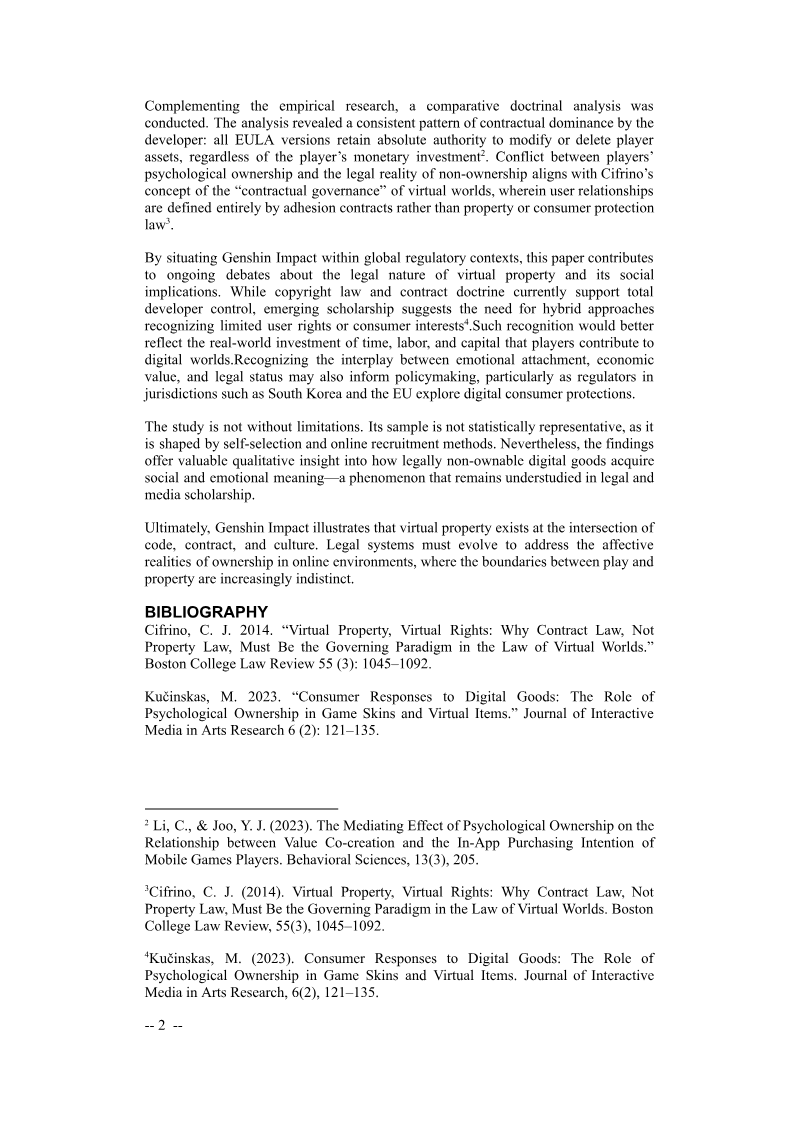
Each row is a game or company this document names, each column a document, oldest first. A mark means that document names it. Select a row to see those documents.

DiGRA · 2026

DiGRA · 2026



DiGRA · 2026
DiGRA · 2026