1 free read left. Create a free account for unlimited reading + AI research.
Create free accountWhitepaper Loading... The Journal of the Canadian Game Studies Association
1 free read left. Create a free account for unlimited reading + AI research.
Create free accountWhitepaperLoading... The Journal of the Canadian Game Studies Association
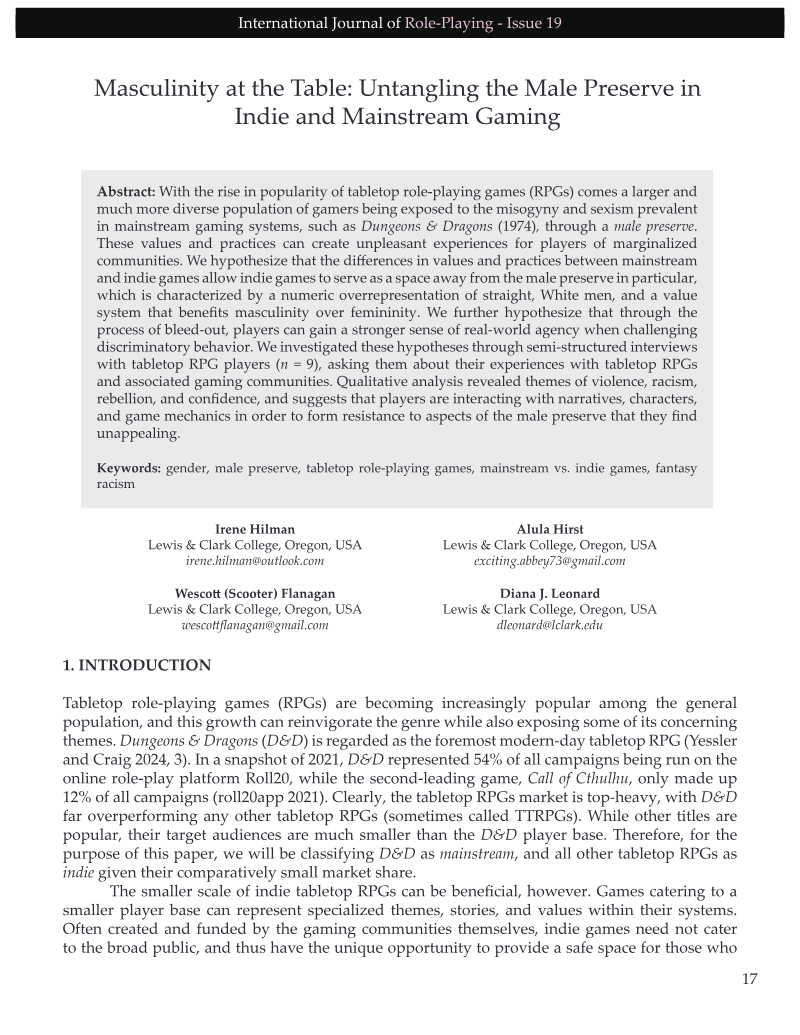
Video games frequently enforce compulsory heterosexuality by restricting player agency to narratives that prioritize heteronormative structures. By applying Adrienne Rich’s theory of compulsory heterosexuality and Gayle Rubin’s concept of the charmed circle, it becomes clear that game design often renders non-normative sexualities invisible or impossible to perform. Even when modern titles attempt to integrate queer representation, these inclusions often function as optional side-quests or specific player-initiated actions, effectively placing the burden of seeking out diverse experiences on the user rather than embedding them into the core narrative framework.
The Mass Effect series serves as a primary case study for these design limitations. While BioWare provides more romantic agency than many traditional titles, the series remains tethered to a sex hierarchy that privileges monogamous, heteronormative relationships. Romantic options are frequently gated by the player’s chosen gender, reinforcing a binary framework that fails to engage with more fluid expressions of identity. These design choices reflect underlying developer assumptions about player values, ultimately prioritizing a male-gaze-oriented structure that marginalizes queer experiences as peripheral content rather than essential components of the game world.
To evolve beyond these constraints, the industry must move past the current reliance on restrictive, binary-based romance mechanics. The persistent enforcement of charmed circles of acceptable behavior limits the potential for authentic representation within triple-A gaming. By looking toward independent titles that successfully implement radical, non-normative approaches to sexuality and identity, major developers could foster more inclusive environments. Moving forward, the integration of diverse sexualities must shift from optional, secondary features to a foundational element of game design that challenges, rather than reinforces, narrow definitions of acceptable behavior.
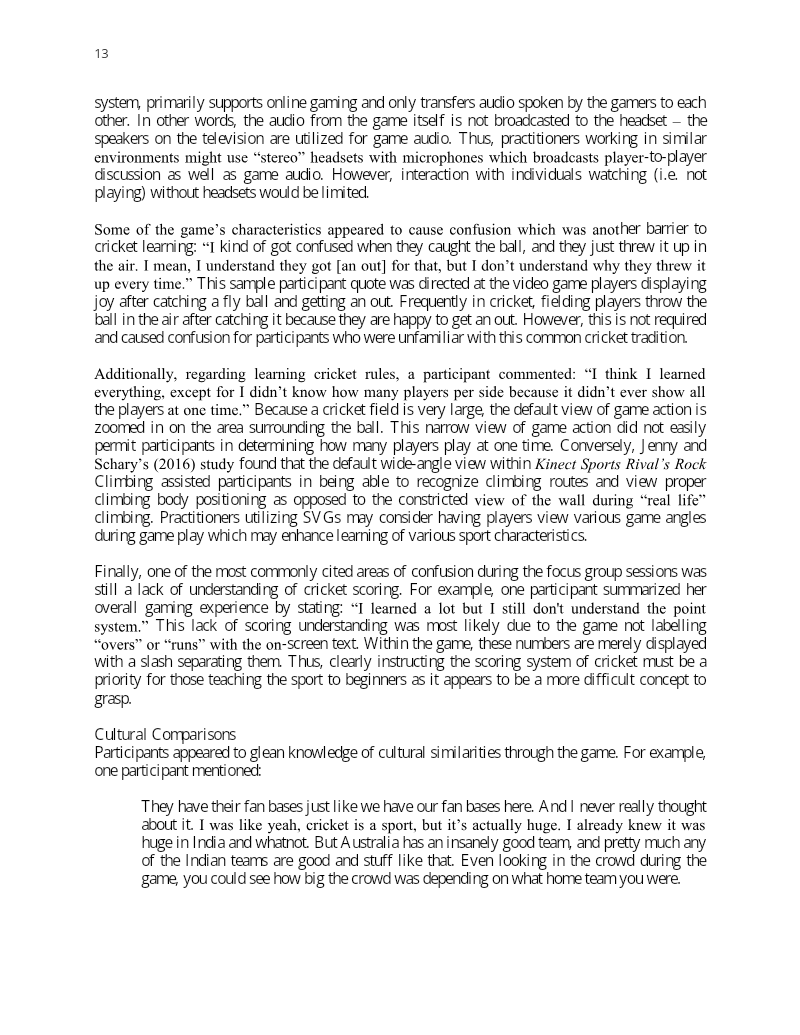
Each row is a game or company this document names, each column a document, oldest first. A mark means that document names it. Select a row to see those documents.

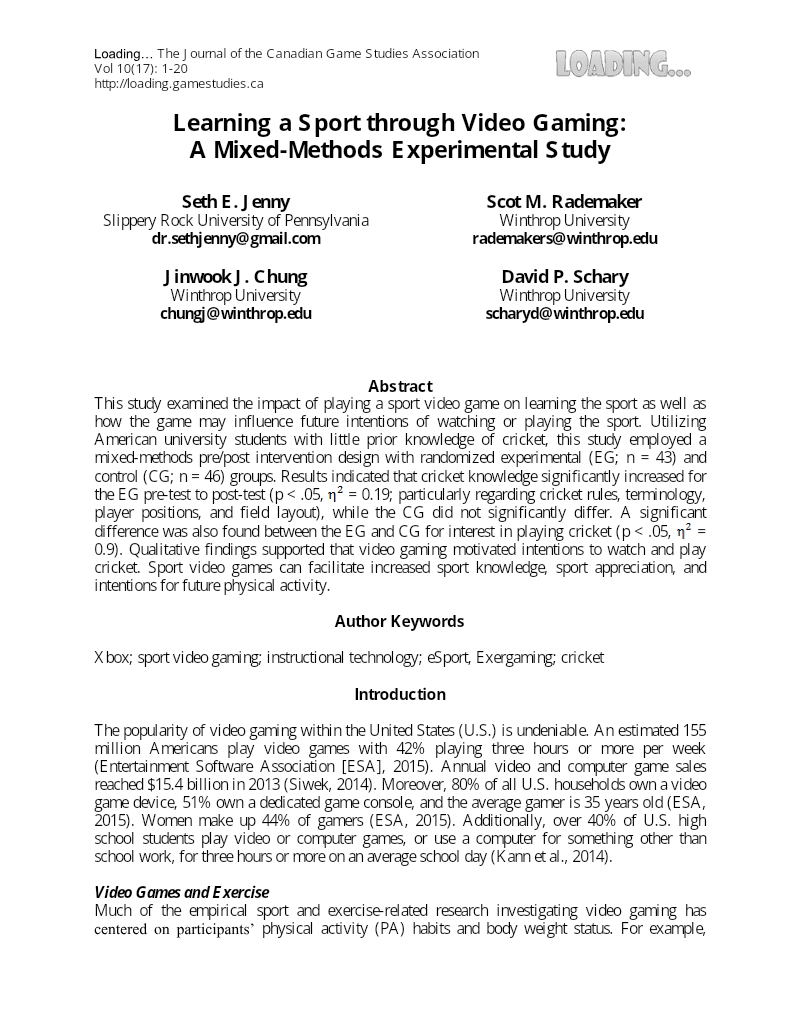
Loading... The Journal of the Canadian Game Studies Association · 2018
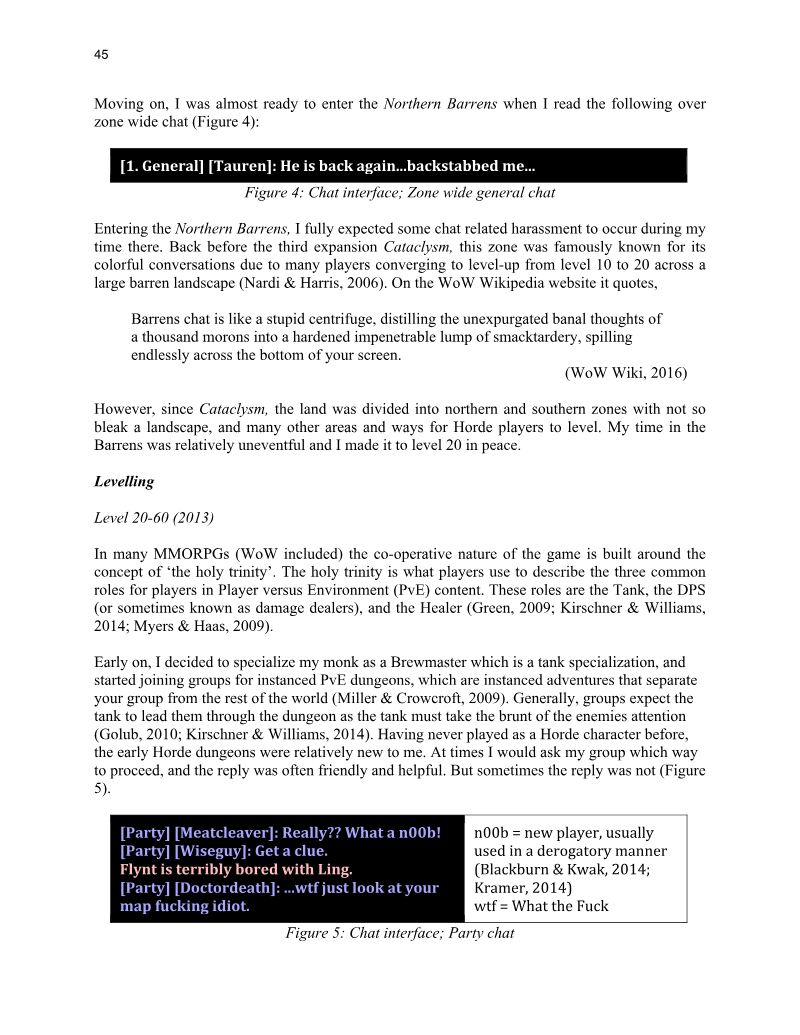
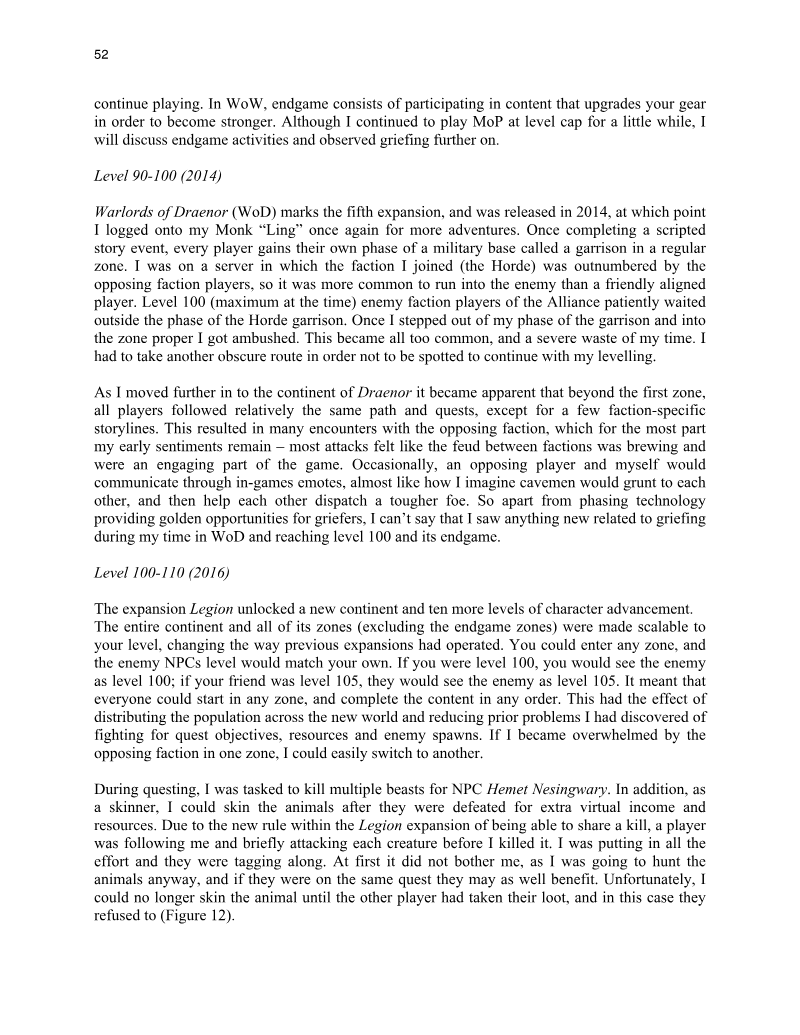
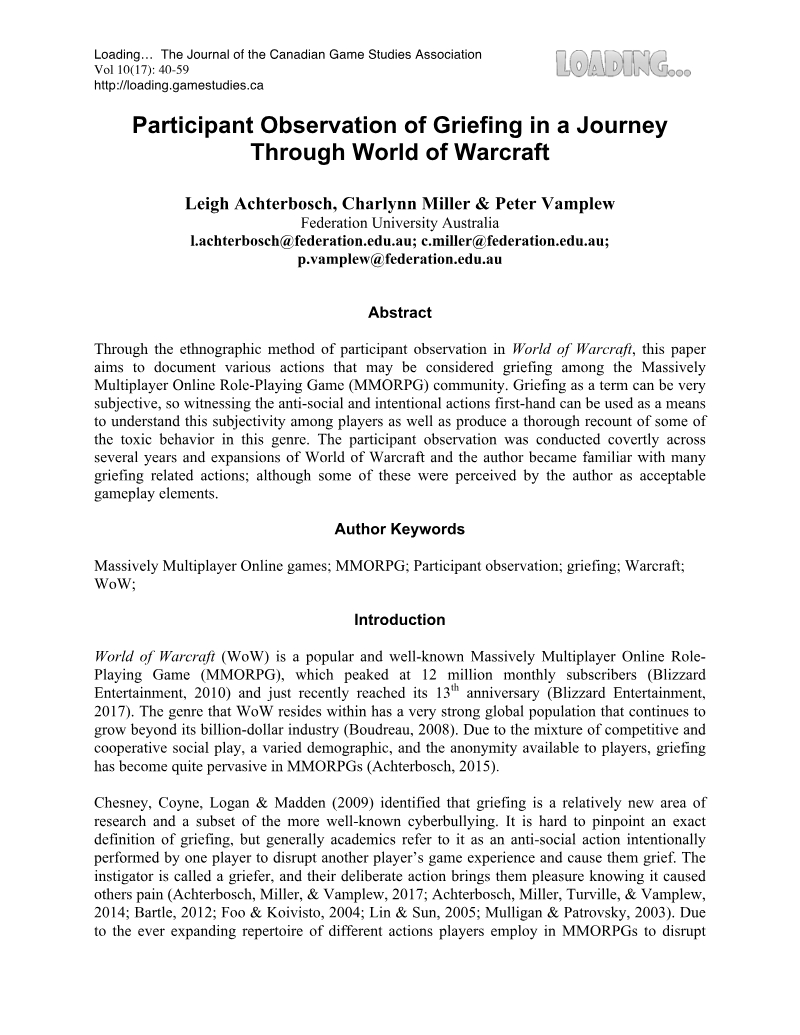
Loading... The Journal of the Canadian Game Studies Association · 2018

Loading... The Journal of the Canadian Game Studies Association · 2017
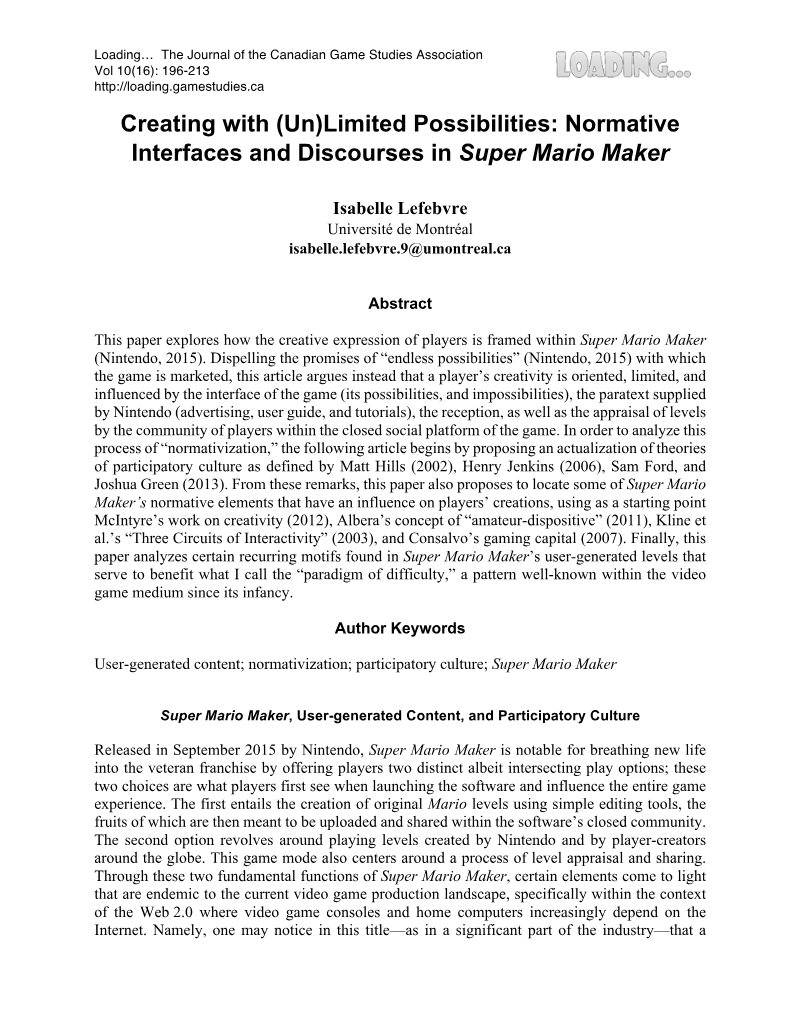
Loading... The Journal of the Canadian Game Studies Association · 2017
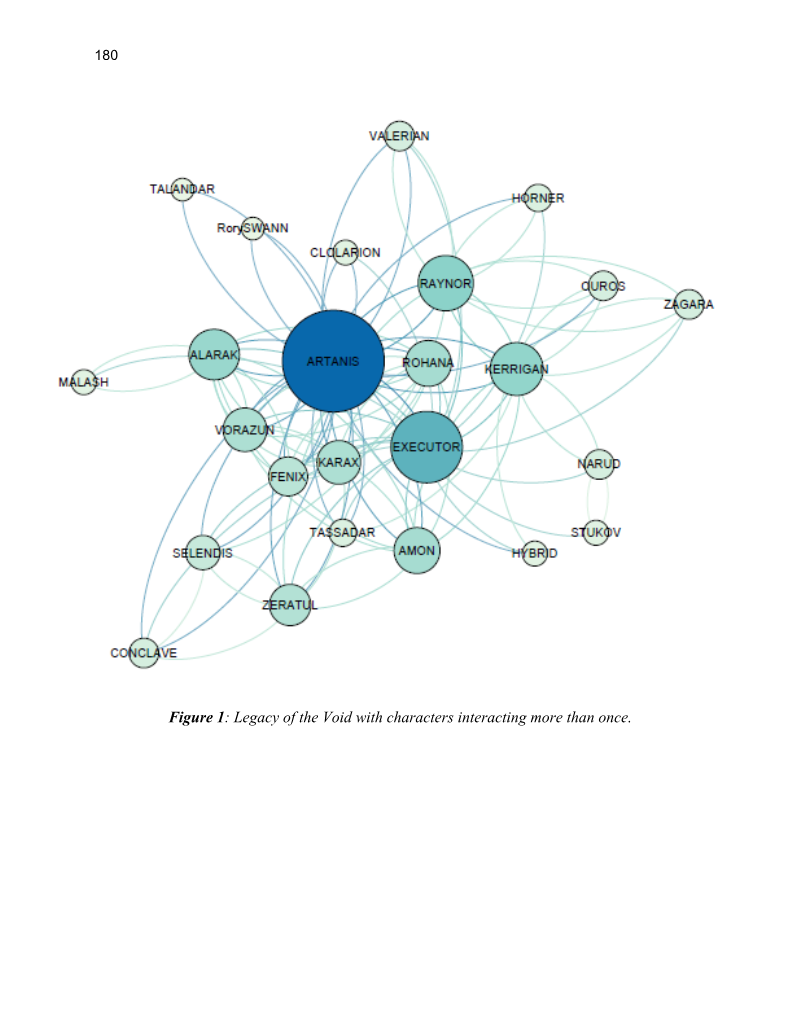
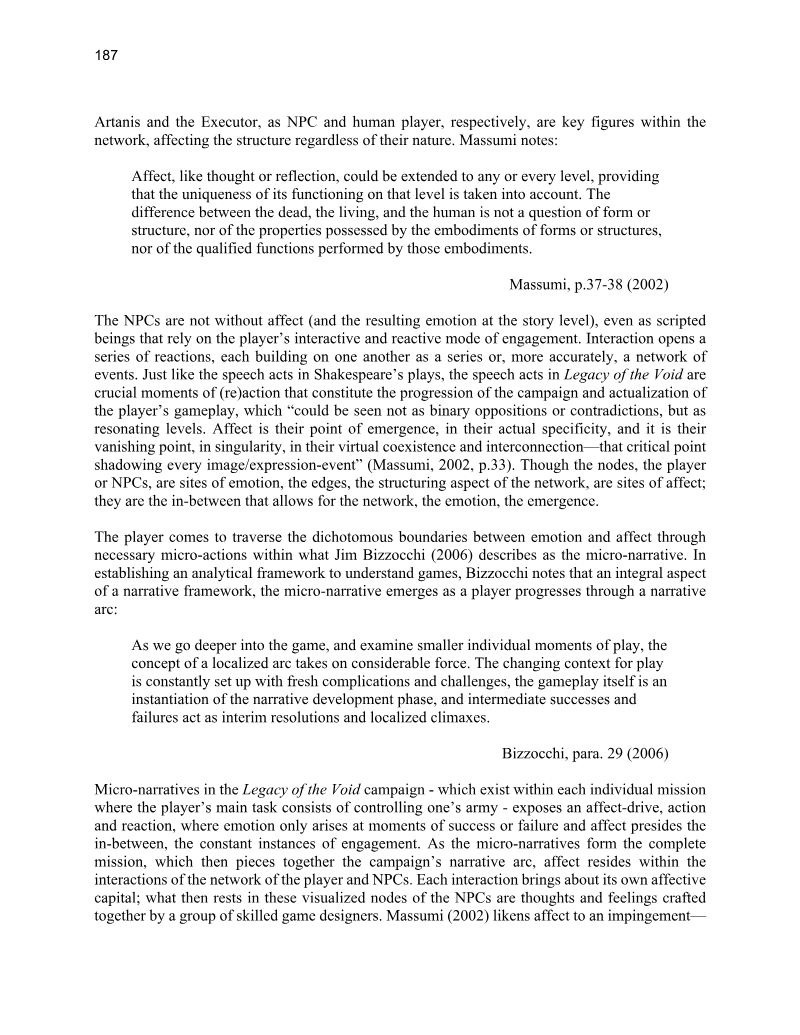
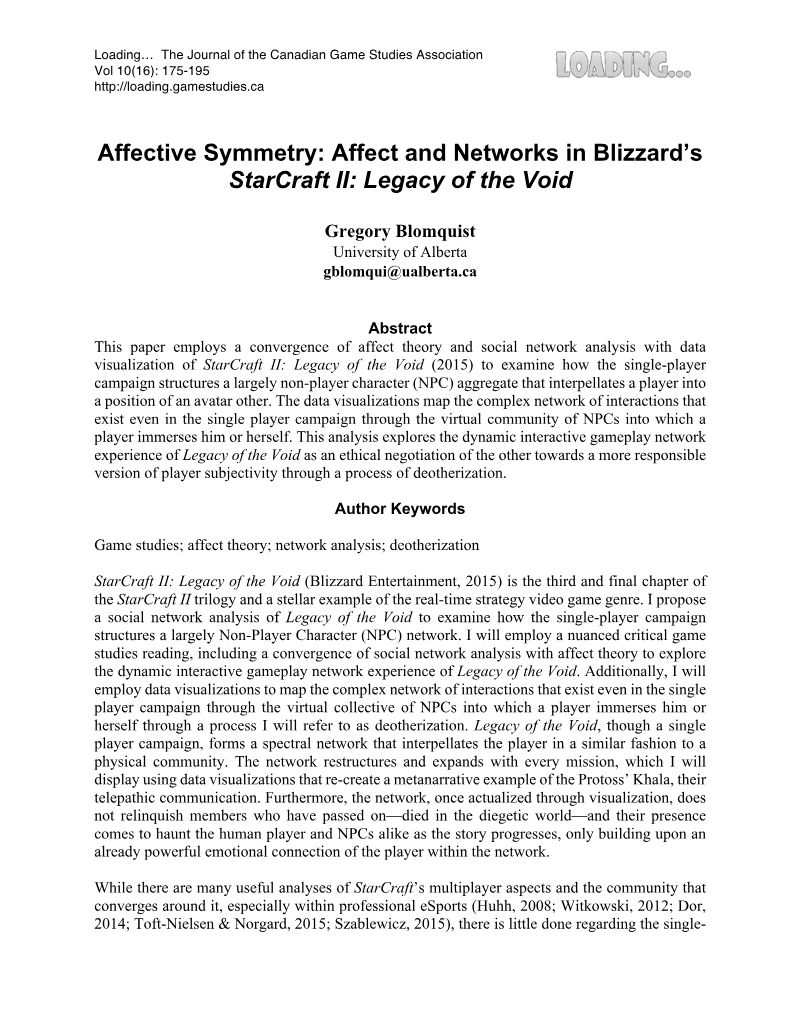
Loading... The Journal of the Canadian Game Studies Association · 2017
Loading... The Journal of the Canadian Game Studies Association · 2017
Loading... The Journal of the Canadian Game Studies Association · 2017
Loading... The Journal of the Canadian Game Studies Association · 2017
Loading... The Journal of the Canadian Game Studies Association · 2017
Loading... The Journal of the Canadian Game Studies Association · 2017
Loading... The Journal of the Canadian Game Studies Association · 2016
Loading... The Journal of the Canadian Game Studies Association · 2016
DiGRA · 2026