ArticleGameDiscoverCo
Real Data: How CloverPit Hit 750k Sales in 2 Weeks
14 Oct 20251 page~13 min full read
Key insights
4 slides
Key number
CloverPit achieved 750,000 sales in its first two weeks on Steam.
The roguelite title prioritized organic discovery over paid advertising. Its performance serves as a case study for effective game discovery.
Retention signal
CloverPit maintained a 6.4% refund rate against a 9.5% industry median.
The refund rate is notably lower than the industry median.
Regional reach
The United States accounted for 29% of total sales.
Regional sales data indicates a broad international appeal. Germany, Japan, and South Korea followed the United States in the sales breakdown.
Design driver
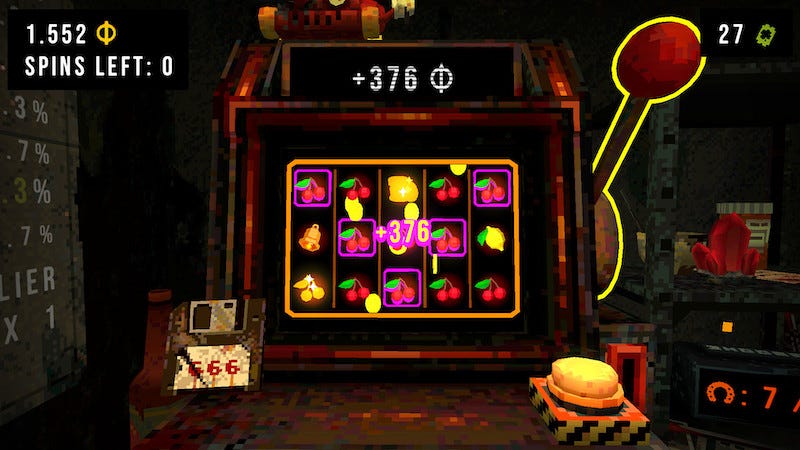
A 'PS1 horror' aesthetic and slot machine mechanics encouraged viral content.
The core design fostered emergent, 'broken' builds that naturally encouraged viral content creation.
1 / 4
Ask AI about this report