1 free read left. Create a free account for unlimited reading + AI research.
Create free account
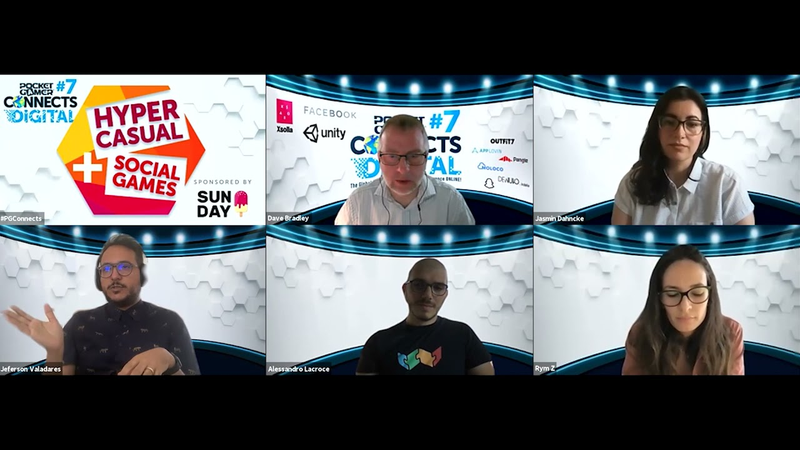
Panel: What Makes a Social Game Truly 'Social'?
Key insights
6 takeaways- 01Facilitating meaningful player relationships through intuitive synchronous and asynchronous interaction tools is a primary driver for increased session times and robust monetization.
- 02Success in modern social gaming is measured by social graph metrics, specifically the frequency of friend invitations and the formation of persistent player groups.
- 03Sociality is now a core design paradigm rather than a genre, where embedding cooperative mechanics and guild structures directly improves long-term player retention.
- 04While industry spending is expected to normalize following the pandemic, the shift toward games as essential, distributed social environments is considered a permanent change in consumer behavior.
- 05Developers are prioritizing cross-platform accessibility, cloud gaming, and instant-play technologies to remove hardware barriers and solidify games as permanent virtual hangout hubs.
- 06The COVID-19 pandemic accelerated digital-first social interaction, driving consumer spending in the sector to $1.7 billion per week by early 2021.
Ask AI about this video
Transcript
we're at the final session of the day um it's a panel i've got a great lineup for you here and i'm going to moderate this myself so uh please allow me to introduce my panel for what makes a social game truly social this will take us to about 12 30 and then i'll uh i'll wrap things up and explain what's what's happening next um if you've got questions for the panel i'll just say again do drop them into the q a box um at the the bottom of your zoom screen and i'll grab those and i'll um put them to the um put them to the to the panel when we get to a good point i've got plenty of my own questions though uh as a as the uh the panel no no doubt are aware breaks i'll try to get as many of these as i can in um and i will leave time for uh for audience questions as well at the the end i promise so um let me welcome to the virtual stage uh our panelist for the for this uh for this last
uh panel of the high percussion social games track so i'm gonna welcome in in in no particular jasmine danke from uh mainframe industries alessandro lacrosse from what what uh jefferson valdez from doppio games and rim zarug from snap thank you very much great range of experiences and expertise here so folks thank you very much for for being with us if you could all unmute i'll dive in and give you folks a chance to to introduce yourself just to set the scene we're going to be knocking around some ideas about what makes us what makes a social game truly social um i've got a load of questions to dive into the kind of basic terms of it what the games are the market and so on have those in mind when you ask your questions but let's let's kind of dive in here and meet our our experts who are going to be talking around these issues of of social games um i'm going to invite our guests to introduce themselves uh sort of give a bit of background to their themselves and their their company i'll tell you what we'll do jasmine i'll start with you and then we'll go to alessandra after that and work our way down so jasmine welcome thank you for joining us here at pocket gamer connect digital
seven and please introduce yourself and your company to the audience yes thanks dave yeah my name is jasmine i'm a senior ux designer at mainframe industry and uh i'm currently working on a cloud native mmo amazing thank you and then alessandra let's head to you next hi everyone i'm alessandro lacroce and i'm the co-founder and co-ceo of what top entertainment we try to bring traditional and evergreen games to the mobile world that's great thank you and then jefferson let's let's talk to you next yeah so co-founder ceo of topo like we specialize in games that you can play with your voice uh and yeah but more and more we're doing in the social space because obviously voice is the primary way we connect with each other uh amazing good we'll come back and talk about that later for sure and then last but not least of course uh a room from snapchat you want to introduce yourself please hi everyone and thank you for having me my name is reem i work at snap where i help game developers
build and grow their games on snapchat um i've been at an app for four years and super excited i have never been that excited that now that we're partnering with the game developers to disrupt the industry together that's great thank you what a great introduction and yes we had one of your colleagues from snap talking earlier on about um snap games that was that was fascinating so we'll we'll dive in here and i've got questions for all of you we'll get through as many as we can we'll sort of see where the conversation takes us um let's start about some to define some terms to start with on this track this morning we've had uh we've talked about a number of different types of game lots of hyper casual going on here but this is about social games what do we what do we mean when we're talking about social games let's let's start with that um and maybe let's do at the same time what we don't mean when we're talking about social games let's let's define some terms are there any specific mechanics that define a social game i'd like to get a take from everyone but let's uh room let's start with you since we've just just spoken um what it what what mechanics define a social game for you
yeah so for me let's go back to what is snapchat snapchat's core proposition is um chatting with your real friends and they will the games the snap game proposition either on platform with snap games or with our synapkit sdk off platform we are carrying on actually this uh core value proposition to benefit game developers um so our embedded platforms in our games on snapchat is deeply connected to our social graph so um it's easy to invite friends for example it's easy to jump into a session to play with them um share use you know the voice and the chat and and play together so the game is important but also the social part and the connecting part is too so how do you build a game basically that people want to play but also connect people together to the chat etc and and build social relationships
that's great you've hit on some some i think some core concepts that we'll come back to time and again about about connectivity let's um let's just uh go back to jefferson you mentioned the fact that you work a lot on voice but you're also looking more and more at social so what does social mean to you what also what does it not mean yeah yeah i think you know like i i was also in the early facebook days i was at playfish at the time before before yay bought the company and i so at that time he meant like facebook games right like people talk social like he really meant like facebook games at the time but i think i mean just looking at games in general games is play right like very human thing like it's a very social thing like play is always like with someone else right so there's there's that it's like it's always been social i think the electronic games which is like i guess we're talking a little bit here like start socials all right like the experience of going to the arcade and hanging out with people and seeing the high scores and other stuff so it was always very social as it kind of advanced like consoles and became like more home entertainment and the internet wasn't there then it became a little bit like a single player experience like we were just playing by ourselves but
you know as the internet came back then you know we're surprised it's a social activity again right and i think uh like i said 10 years ago it meant like people would hang out on a social network and it meant like you know such a game played on a social network was like a social game right but i think the biggest change that we're seeing are one of the biggest i guess trends in games today is like games are really the place to hang out now right whereas in the past people used to hang out on facebook and some of these places now they're actually hanging out inside games whether that's like fortnite or roblox or you know whatever like uh more and more people are like going into this virtual world and hanging out there whether that's like you know 3d thing or you know a chat thing or different things so i think the yeah i mean it's everything i mean everything every game that has another human and that's kind of meaningful part of the experience i would qualify as a social game that's fascinating i i'm myself with the work that we've been doing with like brian who you saw earlier and so on i'm fascinated with the beyond games concept of the metaverse and and the way that people hang out using games and sword um maybe we could talk about that in a little bit but you raised yes and some fascinating points there loved the idea that games were always
inherently social and the the single player experience is almost kind of a secondary love that um alessandro um come to you next and jasmine i'll come to you at the end because i've got another question for you but so alessandra what's your take on this other can we define any specific mechanics that means social gaming to you i agree with uh what jefferson said and uh i believe that at the basic level uh you need to look at the interaction between players and they could be like maybe at the beginning during arcade it was a real life interaction but now we are looking more at interact digital interaction and that translates to from very simple uh feature like leaderboards you know comparing scores or multiplayer player versus player but also to more complex structures like kills teams co-op modes and all of this stuff so i believe that you know by the time the complexity of social games is increasing and he's replicating the real life you know experience right right right interesting we could
we could i i guess kind of layer on what social means with all sorts of different kind of facets and things like that uh but that but that that's great and so so jasmine i'll come to you um and get your take on that question then i've got a specific question for you so yeah so what are there any mechanics for you that define what a social game is and also is there anything that you've heard that you think well actually maybe that's not a social game so what is and isn't social game for you yeah as the other set you know there are plenty of mechanics that are all about connecting yourself with other players so it's really hard to pinpoint one you know there is a chat there is a guilt there is a certain way to acquire points together uh through certain features and i think the interesting thing is also it's so hard to tell but it's basically just that there's somehow other players and they can be perceived by you it's it's not about you know it can be asynchronous it can be synchronous it can be real time it can be turn based like in all these uh places there there can
be social happening so yeah it's hard to pin down there are so many great features that basically elicit illicit community community yeah that's a great word i think we'll come back to that so i before we sort of go into talking maybe about some of the the types of game and things i'm going to ask you a question as kind of a segment there because you mentioned in your introduction to yourself your your experiences in uh in in ux right and you're in about use and kind of user interfaces and and user experiences and building a user-centric design culture for games so how does that um relate to social do you have any sort of specific thoughts for our audience about what makes uh what what is what makes a great user experience for social games yeah like my job is to um create or help together with the game designers to create the flow and the onboarding and the understanding of how to connect and discover other players for example how easy is it to join a guild or to find even a community that i am interested in for example and that doesn't even it's
not even only about you know games you know something like twitch has come around or roblox that just connects so many people so so my job is specifically to analyze with the product owners and game designers okay what are we trying to create here do we want to put people against each other is this a pvp feature or you know do we do we want to put them together to build something so it's very specifically to design the onboarding flows for the feature and you know to really create the uh intended experience that that is wanted no that's good that's good let's um let's kind of move on unless anyone wants to kind of to chip in on that i'd like to just kind of kind of rattle on with some of the questions about the games kind of launching from what we've just heard there from what jasmine said talking about about kind of social games um let's let's very quickly just talk about what what makes a great social game then and what what are the metrics that define success is it more about engagement or about time played we've had lots of talks this afternoon looking at ways to
can look at lifetime value and so on how do you know when you've got a good social game on your hands um i'll tell you what room let's come to you and talk about your experience from snap what what's uh what are the metrics that define a great social game yeah so we know that uh people that play together actually and play with you know the voice and the chat spend more time playing than if they were playing solo and the larger the group of friends they are joined with um and the longer the sessions so longer session and longer time plan uh time spent are close proxy to monetization as well um because like of course longer longer time spent increases the opportunity for uh in game in ads so the metrics we will look at are um how many people are playing the game with friends um the time spent of course but uh also how many people are sharing you know the games are inviting friends are challenging them um and how many
new players a single player player can bring to your game okay okay that's that's good i'm gonna um come to jefferson next to see if you want to chip in on that what are the kind of metrics that define a great social game for you are they the same as what defined it at the great game generally uh no i think yeah the angle is a little bit different because you're trying to i guess you're trying to measure like a great social game is a game that generates interesting dynamics like social dynamics in the group which you know means like people have more fun and so it kind of translates some of it like if you just look at the end of and at the end metric like retention right like it looks the same but you kind of have to measure that a little bit like uh you know in in between those metrics so we do yeah we do look at like uh you know groups that people have they play with and then do they have recurrent groups that they play with and yeah the number of like number of times somebody who's got invited to the game like adds more like create creates a new group uh a new kind of like social like graph like from from that right so we for us it's it's a lot about like the social graph
uh like you know when people come in and they create a group of players and then those players invite other players and then so you know there's a bit of variety a bit of retention a bit of like uh how overlapping those groups are uh we look we tend to look a lot on that uh specifically of course retention is always a measurement but the annotation in the end like we all need to survive but i think it's important to like not just focus on the metrics a lot but also try to understand a little bit what's going on right that's great and in fact our last speaker riley was talking a lot about how you kind of quantify fun to a degree as well because that's that's uh you know those are the metrics there jasmine do you want to come come in on that before i move on have you got anything to add to what rim and jefferson have said no i think they summed it up perfectly the data is specifically about the participation of these players with each other and as rim said you know one of the major learnings in the last decade is that this increases engagement having other players and to be honest the whole free-to-play genre couldn't exist
without this is what it's based on on no matter if it's about cosmetics or power creep it's all about showing off or helping you know others it's not just for me right right right that's great i'll i'm going to come to alessandro next but those are all really kind of great points and just reminded me that i want to say that to the people watching as well if you've got questions that touch on any of these topics to drop them into the q a box and i'll grab those at the end for everyone um alessandra i'm going to come to you because i want to talk a little bit more about the games themselves at this point um and i'm thinking of you because what perhaps you talk a little bit about the type of games that that you create i i i know that you take a lot of sort of traditional games like card games and uh and make social games with them for mobile so this is a good opportunity to speak to you a little bit more about that but also to everyone about how well what kind of genres work great for social games basically is what i want to kind of dive into now a little bit um you know what we're seeing on platforms but let's start with you alessandra tell us your what you think are the kind of uh the
best genres for social games and you know you know whether it's a the kind of sub-genre question or whatever yeah of course we uh since we make traditional uh card games uh we are very lucky that uh our games are social by design uh they have been playing in families with friends uh so it's really important for us when we start to make a game and that's one of the main challenges to understand how do they play the game where do they play they play in bars they play in schools and stuff like that so to give you an example we have a scopa which is one of our biggest game and they used to play it in bars among adults and there is a distension that builds up during the gameplay and at some point of the game you can take all the cards on the table with just one single moves and knowing that you know in real life player jumped on their chairs and screamed scopa just you know as an act of showing that really is key for us to understand
how we can deliver that kind of experience that kind of social interaction in our game so i would say that that is uh one of the main challenges and of course opportunities the second part of probably sorry oh no sorry on that point how do you have to overcome that challenge that that how do you create that that moment that social moment of triumph in in a game uh i guess that's uh uh has a lot of to do of uh you know uh the timings of the gameplay and also the user experience like you can customize your own wording of uh the animation and you know the customization is very important and it adds a personal touch to it and everybody sees your own uh animation so that's that's key probably right great sorry yes and so the second part of that question yeah are about the no i was just saying that you know we're being lucky that our uh games are social by default
uh we we see like as an opportunity a very strong long-term retention uh because you know uh it builds up uh social pressure and like all these links they organize by themselves uh they want to participate into group events and stuff like that so uh if you are able to crack that far then uh you know uh there are a lot of opportunities i guess right that's that sort of an emergent experience as well that's that that's that's fantastic thank you um so rim i'll come to you next as well let's stick with that question about what makes a great social game the type the sort of genre of social games itself what what games are successful on on snap are you seeing particular kind of genre games and are there any kind of i guess kind of crossovers where gamers maybe wouldn't call them social games per se maybe they come from another category but you but you identify them as being great social games yeah so um snap snap games is still a young platform you know we launched it uh over two just over two years ago um
and our vision was to build a platform where snapchatters could uh play with their friends easily so this is why we built a platform um with that in mind with embedding you know the chat and the voice feature to all html game that um that launch um since then we had like over 200 million uh snapchatters that have placed games in mini over the past two years um and games like aqua park from voodoo and color galaxy from uh from uh from gizmart uh and many others are having more than 40 million unique snapchatter um you know playing with those which is which is really amazing um and uh snapchatter loves spending time you know playing we have our first party a game that is called bitmoji party where the average dau is spending 20 minutes uh 20 minutes playing per day um so um we we do have over 30 actually
games on the platform at the moment um we're working with fewer developers curated very creative and we want to focus on them as they share our values and dna um and you know give them all the attention they need at the moment to bring their vision and their games to hundreds of millions of snapchatters that's great thank you that that's that's really interesting and you touched on a couple of interesting things there because you also did you mentioned um kind of aqua park from voodoo there and voodoo are you know a hyper casual developer and we've talked a little bit about that this afternoon but then you're also talking about your own bitmoji game having like a 20 minute usage which is which is not so much hypercash but that's more involved right i wonder how much you feel that um of the games that are on the the um the snap games platform how how many would you say a kind of hyper-casual compared to sort of other types of game so we consider that our all the games any game actually can be made social uh
you know i can work well on our platform um the only main thing is to make it instant and this is why you know it's we're building html5 it's very instant you know no download no less friction uh to connect with friends and chat with them have the voice etc and all those sharing mechanics that you can have so we don't think of any specific type of game that can be really social we think that all of them can become even more hyper social either on snap games um with with our features or also off the platform thanks to you know the uh snapkit sdk and you know our bitmoji that can make the experience more personalized and you can have other uh social sharing features that can be added to the games that are not only published on snapchat but also on ios and android now that's perfect you mentioned there about hypersocial as well which is a term that your colleague fits and used earlier on in the morning that's great um thank you for that and i think i'm going to stick
with definitions for a little bit i'm going to come to you next just because i've got a specific question for you jefferson in a minute but jasmine do you want to pick up on some of these things do you think that um social games are their own genre or or are they uh you know a form of playing any other kind of game are they crossovers what do you think justin yeah i've thought about this for a while and i didn't really come to a conclusion however every genre has social compo like components now a leaderboard can be part of anything so it's as i said in the start you know it doesn't matter if it's a real time or turn based or is you know is it synchronous or asynchronous it can be part of any kind every genre can make so be made social in that sense so i don't think i wouldn't define them necessary even though of course nowadays we have these uh trends and these huge games like like fortnite and i mean is it a social game this is the thing in a way it's emerging
you know and then gameplay it becomes that yeah absolutely no for sure and also there's other there's other factors there as well i i think you know uh room mentioned the the function of of um kind of hypersocial games there to be instant which kind of fortnight isn't quite quite as much and there's there's loads of different ways to to cut it right but one of the things that was mentioned i think by rim there as well which was about kind of voice and camera and all that kind of thing jeff so i'm going to come to you because you're doing a lot of work with the moment at the moment on voice games i know you've got experience across the whole gamut of games but but you mentioned the voice the the part that that plays in in in social as well um is voice the perfect way to engage engage a casual audience how to voice how how do voice games work in social yeah i think like part of our like the reason why we started companies because we have a strong belief that like voices and interaction like it has the potential to be you know the new
touch right the same way touch changed the world and brought a lot more people to gaming like 10 years ago because instead of like having to kind of you know click or use a joystick or whatever people like just touch what they wanted like it's a much simpler interaction i think voice has the same potential like you know instead of uh you know talking from a ux perspective like if you're trying to like learn how to use software then you know if you want to print something you got oh what do i print uh file print it's it's like you got to have to you have to learn how to use software right but if you in voice control you can just say print and then it's up to kind of the developer to figure out like what to do with that right and then how to deliver it correctly so like from a user perspective just transformative like you don't need to type you don't need to it's much faster you can just say what you want and then the thing works right so i think obviously there's challenges in tech and all those things but those things get better all the time and i think that's kind of the potential we have and yeah i think because um again social is about people interaction we the most like i guess natural form of interaction between people is talking right so i think yeah we do we do learn how to type and text and stuff but we still talk um
at least like some of us still talk to each other and uh i think that's uh so voice has that channel and you know a little bit like alexander mentioned like you know some of the stuff is naturally social and then there's the kind of like the magicians like the the craft of like making that fun like you know being able to react at the right time when something happens and i think that's a lot of what we do choose like you know we respect the fact that people are there and they're hanging out and talking to each other but we deliver like we're kind of paying attention and then making the experience more fun based on what's being said at the time and and those things happening so it's for us like and that's kind of why we kind of start the company all right and why we believe in it but uh yeah i think the reason we believe is very natural like it's a human human thing yeah absolutely it's interesting i was listening to someone talk the other day about how what like just like the current generation kind of gen z can't ever believe that people didn't have cameras in their pockets we're going to have a generation of people now who who won't believe that you can't just talk to a device and get it to answer you you know we're sort of you know that that's
becoming much much more common now as an interface yeah absolutely so that's it so what i'd like to talk a little bit about the market but before i go there i'm just going to get a little bit of sense from you all i think about what your favorite social games are however you define it based on what we've just what we've just said i'd like to just kind of very quickly just to kind of use this as a as a jumping off point just sort of find out what you what favorite your favorite social games are it's fine if it's one that you've been working on yourself by the way or or or you can define it perhaps maybe what's what's the most successful currently on on snap games i know you've mentioned a couple of games there as well already so let's just kind of quickly let's start with jefferson there what what are you what are you playing right now what's your favorite social game okay yeah i i usually don't do this i'd say like i very rarely talk about a game that i made like the the game we're working around right now which comes out like in uh hopefully in a week or two like the it's a game where people are hanging out and you know again the game's reacting to what people are saying like uh we as a development team have been working on this for like months and we play every day we have the review where we kind of see what's going on and we go look at it at the end of
the day and we're still having fun like it's been like months of playing the same game every day and i think that's that's i mean obviously i'd love to say that because we're amazing developers but really i think it's like we're just staying out of the way of the normal natural fun that happens when people are playing you know like i think we we found a way to kind of let i think we found a very natural way to like let the experience be people can just talk and have fun and then like with their friends and and the game enhances that so it's it's we know that you know it's not our job to stay in front of the experience like we let people hang out and then we kind of make that more fun you know so i think that's um hopefully you know i mean you guys will be able to see the game in a few days but at the uh it's been a long time since we had a game in development that the whole team still enjoys after months of playing right like every day so like we're pretty excited about it for other people to try no i look forward to that and that's that's exactly the response you want from your own team to still love it after after putting on the f in uh let's let's very quickly go down the the the panel and and say like i said it's fine to say
something you're working on or perhaps there's a game that you just enjoy playing jasmine you've got a what's uh what what do you what social game do you love right now yeah uh let me tell a little bit about there are a couple of moments in my life where i was truly moved and you know just excited by gaming it was when we got the first playstation and we played ballarat or and seeing 3d graphics it was amazing the second one was in the start of the 2000s the first xbox playing moto gp online i could talk to the person in front and behind me and then the last one and that is the game that i think has defined and really showed the way that you know how much opportunity there is and that's pokemon go like there is nothing that has changed and showed us you know how how much you know we can connect people and how how you know good we actually are like when i when my friends took me to the first rate i was just like i couldn't imagine that something like this is possible yeah that's a good question actually
it's interesting how um i think niantic uh responded to the pandemic by by changing pokemon go last year so it was still playable despite despite everything and then so now that's great those are great answers um let's come to you do you have a uh you know a great example of a social game you want to share with us you mentioned a couple that are already doing doing great on on uh on snap games uh what's the what's the most popular game there and what's your favorite well i'm gonna talk about my favorite um it's i have to say it's aqua park from voodoo i really like the design um i really like the color it's very colorful it's easy to play it's it's very easy um and um with the bitmoji you're seeing the other competitors like it's very competitive so it's really fun that you're seeing the little face of the people and i have to say it just reminds me also maybe of my aqua parks time when i was a child and having a lot of fun so yeah it's really funny but aqua park is a is a good example you know the game already existed and was already a success from voodoo
um back in the days um they had a hundred millions download and it was a solo game um and then voodoo launched it uh updated second edition of the game on snapchat on snap games where they focus really by adding um this um adding the multiplayer version adding the more personalized experience with the bitmoji and making it more competitive so uh um so yeah it's super exciting that they're finding success and they're launching five new more games with us but yeah this one is my favorite that's great thank you uh and uh alessandra i want to come to you as well um before i move on to you with my next question uh what what about you what's what's uh what what's a social game do you want to tell our audience about and it's fine if it's one of yours oh it's uh it's okay it's hard to pick you know a favorite game uh what i find myself coming back from time to time are like uh old games like uh at least old in the mobile era like
clash royale or hustle castle those are games that i usually come back every once in a while to uh to have some fine and and relax uh but i just started the match masters from candy board and uh it's like a pvp match three game uh but i'm yet uh there to reach the level to unlock the social features so i don't know if it will be like a great social experience or or not okay um uh what i'm gonna do now is talk a little bit about the market for games we've sort of defined some terms and we've talked about some games that we know are working and what we think of as social games and the challenges and opportunities but let's talk a little bit about the the market generally something that um that i mentioned a minute ago when uh jasmine was talking about pokemon go was the the pandemic and we've mentioned various kind of games uh throughout this chat including for instance fortnite that have all benefited from us being locked up at home and how we've
connected online and games have provided a real platform for that but what does the market generally look like now for for social games now that we're emerging from the pandemic are there any trends that we can see are we going to see more or less interaction um let me let me just stick with you alessandra while we were just talking there what's your perception of the the the market at the moment is it is it uh gonna uh change now that we're coming out a lockdown it can all start moving around again so for us the pandemic really uh skyrocket our our growth because the people that used to play those games in uh clubs in you know private homes and stuff like that uh they turned to mobile to get their uh their form of entertainment so the challenge here is for us is that now that we are luckily getting back to our almost normal situation it's to retain those players and uh you know show them how to use our social feature properly the thing for our game is that
they look for you know the core gameplay not for the social part so it's up to us to show them that you know there is a social social ecosystem in those games uh and that's uh one of the biggest challenges so far okay now that's interesting that's interesting let's uh let's go to jefferson um what are your observations about the the market and the the market for social games and the way it's evolving are there any trends we should be aware of i'm thinking particularly the pandemic but anything else that you're keeping your eye on yeah obviously i think you know the dynamics like uh everyone everyone that i know or most people know i had like a bump last march of like usage and monetization stuff because as people like turn back and i think uh yeah so also like just from an investment point of view like you know we're kind of vc funded startup so we we talked to vcs and we had like a lot of reach out from pcs over the last year and i think we always had gaming disease but i think like i would say like quote unquote traditional technicians also figured out that games maybe is not such a bad idea
i think they're usually afraid because games is crazy thing but now it becomes more like a thing that everyone does more and more so right and new generations are completely like can't like like i said can't understand the concept of not having like a digital game or something yeah i think it's just like a more like attractive uh space so yeah i mean it looks looks positive i think the panemic um obviously i think there'll be like a bit of a retraction like whenever people can like of course people are gonna go and be in the park for like you know two weeks like no stop once they can go to the beach or whatever but but our lives change right like a lot of my friends in the bay area like they um i think a lot of them moved uh outside of like san francisco they used to be like you know in sf or like somewhere in the peninsula and now they're like in oregon or colorado or like a lot of people moved and kept your jobs so i think a lot of the social networks that people had like i gotta be more fragmented geographically so like you're gonna have your own friends and and also a lot of people realized over the last year i think you know vehicles and those things people figure out it used to be a
thing that you did with one like or maybe you call your parents or something right but then uh a lot of people figure out actually it's not that bad to do this with my college buddies or like so a lot of people saw a lot of their friends more during the pandemic than in the previous like three years because like yeah yeah because everybody nobody had an excuse to go get out of a vehicle over the last laptop but uh so i think uh yeah our lives changed and i think like they're more fragmented the more distributed people are more used to doing this um so yeah i just see more opportunity i think in general i i think it's it's uh it was a positive i mean obviously like it was a second time for the world but i think as far as like social digital games i think was a positive uh development yeah absolutely it's interesting isn't it the the pandemic in many respects kind of accelerated things rather that were already already happening and you're right things like the people's separation and the ability to play games online i mean fortnight was already a success before the before the pandemic but you know during the pandemic i found things like people playing dungeons and dragons group like groups of my old college friends were able to do those kind of
social games though online and that facility was always there but we were suddenly forced to try it out and discover that it was a great way to keep people together i actually went back to like a couple of my old dnd groups for the same reason because like i moved out i mean i moved a lot right so i'm originally from brazil but i know i lived in finland i lived in the uk i lived in the us i'm in portugal so i have friends everywhere and so my dnd groups i can't play anymore because i'm not there but during the epidemic we actually played because everyone was at home anyway it's just a lot of time zones and you know so i actually went back to playing like some of the groups which was fun yeah exactly no that's it thank you and um jasmine you know sort of a similar question to you the same kind of topic let's talk about the the market a little bit you do you have any sort of perceptions about the social gaming market is it you know is is the the trend towards more popularity like we were saying or do you see any other observations um my main uh observation is and you know maybe i'm a little bit biased because i i i work with a tech that you know will be enabling cross-platform play and i think that is the future uh it's accessibility
and i'm not sure if the pandemic helped it or not i think it was anyway the plan for for many uh publishers and services you know to connect people uh and the best way to do it is to you know run the game on all possible platforms you know and we have seen it with fortnite and uh last year the beautiful ganshin impact came out it's not necessarily super social uh still it has these elements where you can play with friends and you can play on any platform you know right off the bat i mean it was a very um expensive project but it shows the success of you know connecting and being able to play wherever so in the future you know also it doesn't matter what you're there at least the hardware won't be the problem anymore that's the main the main trend that i see that's that's interesting yeah absolutely yeah and so like mention a little bit the eastern thing and then like jasmine is talking about like you know the cross platform i think that's that's that's another thing for sure like the i mean kids these days like they don't
really understand like oh i don't need to buy this thing to play this thing no like i just played whatever right they're playing on my ipad to play my pc like whatever right the thing just needs to be available and like this this concept of like a platform like it's an artifact that is like slowly disappearing it's just it's going to be an entertaining thing yeah the latest news from microsoft is depends you just plug a gamepad into your smart tv there will be no more hardware required sure it's a game like you want i want to play this game doesn't matter where you are you should be able to play you know i think that's an expectation that like people are starting to have more and more the infrastructure of internet is that is the you know where you get it basically it's the only necessary thing that's it exactly there's as as internet speeds and processing of your phone i mean your phone is you know as good now as as computers were yeah you know it's a powerful computer and yeah i agree things like with with the xbox ultimate game pass and and you know the playstation that has the same facility the fact that i can play my games on my mobile phone as well these things just you know suddenly become uh you know very very different ways of approaching it but yeah that's interesting i'm uh i'm gonna sort
of reach in the end now i thought we might not have too much time for audience questions that's okay because we've managed to get through most of mine so i really appreciate the uh the the panel romping through all the questions i've had rim i'm going to come back to you because you know working with a with a platform like snap i mean what are your kind of perceptions of the market you've been in um in the games business for a couple of years like you said so you've kind of seen a very uh really interesting sort of snapshot are there any kind of market changes that you're you're aware of that you should share with us i mean what's the you know how has the pandemic really helped um snap games what's your take on the way direction is going yeah so definitely we know that covet 19 has magnified the mobile gaming trends on snapchat when we look at the numbers and it ha it has continued actually in q1 2021 consumer globally spent 1.7 billion per week on mobile games which is 40 up than pre-pandemics level so that's huge um and in fact the forecast suggests
that uh over 120 billion will be spent on mobile games in 2021 alone so the trend is still going on um in terms of market and market size um and in terms of market change and i think uh i will join jasmine and jefferson um our games are in html5 so um they're instant no downloads less friction and i think it's about yes the fact that it's less friction and more connecting people um and we're not the only company as you said working on this from my understanding all big social uh media platforms are investing in this facebook with instance games and wechat have been doing it greatly ticks tick tock etc so the future uh so it is the future in a way it's not a competition to stores right uh but it's another a great platform to publish your game on uh and deliver a great high press hyper
uh social experience for players that's great thank you uh wonderful look wonderful questions for all wonderful answers for all of you and i appreciate you dealing with with all my barometric questions we've kind of reached the end of this morning's track i don't think there are any specific questions from the audience but what i'm going to say is um that if people want to ask questions of you folks they should find you on meet to match discord uh you're welcome to drop your contacts you know linkedin into this window here or or whatever um but um but i wanna just really give you a big round of applause and thank you thank you very much you're gonna have to imagine this coming from the audience uh hopefully next year we'll be able to do this in person we'll be able to do this in person but i know that everyone would have really liked that thank you very much uh jasmine thank you from mainframe industries alessandro uh lacrosse from uh what what jefferson balderas from doppler games and rim zoro from snap that was great i really appreciate you taking the time this morning to to run through just what is a topic that we probably could have spent all afternoon talking about and i appreciate you giving us you know a snapshot insight there into into that thank you very much
you
Summary
Social gaming has evolved from simple platform integration into a fundamental paradigm where games function as primary virtual spaces for human connection. Rather than representing a specific genre, sociality is a core quality that can be embedded into any title through mechanics ranging from basic leaderboards and competitive play to complex guild structures and cooperative ecosystems. By leveraging natural human behaviors—such as the desire to communicate, compete, and showcase achievements—developers can foster deeper engagement and significantly improve long-term retention.
Success in this landscape is increasingly defined by social graph metrics, including the frequency of friend invitations and the formation of persistent player groups. User experience design plays a critical role in this shift, as intuitive tools for both synchronous and asynchronous interaction are essential for onboarding and community building. The transition toward games as "hangout" hubs has proven that facilitating meaningful relationships directly correlates with longer session times and more robust monetization strategies.
The COVID-19 pandemic served as a major catalyst for this sector, driving consumer spending to $1.7 billion per week in early 2021. Although the industry expects a normalization of these figures as traditional social activities resume, the shift toward digital-first interaction is considered permanent. To capitalize on this, developers are prioritizing cross-platform accessibility and the removal of hardware barriers through cloud gaming and instant-play technologies. By integrating deeper social ecosystems into core gameplay, the industry aims to sustain the momentum gained during the pandemic and solidify games as essential, distributed social environments.














Comments