1 free read left. Create a free account for unlimited reading + AI research.
Create free account
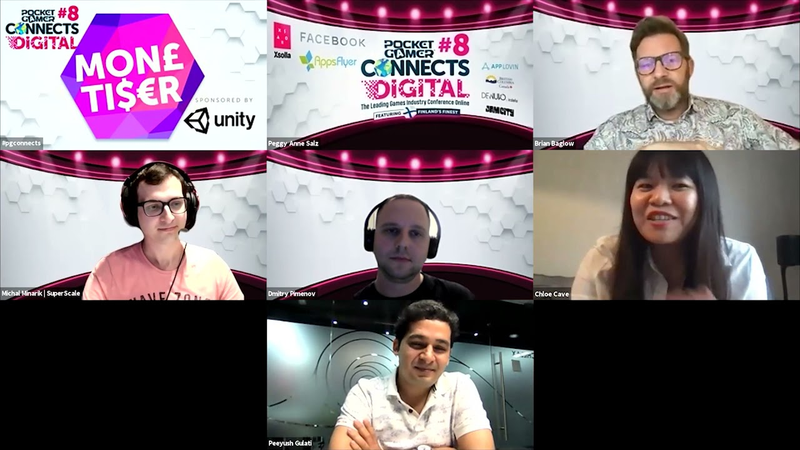
Panel: What Lessons Have we Learned from our Game Economy Mistakes?
Key insights
7 takeaways- 01In the current freemium landscape, approximately 96% of users do not make in-app purchases, leaving the primary revenue burden on the 4% of players identified as 'whales'.
- 02Game monetization has shifted from purely progression-based models to include vanity-focused economies, exemplified by Fortnite's success in selling cosmetic items to a growing Gen Z audience.
- 03Successful game economies often rely on non-intrusive, user-friendly monetization methods such as rewarded video ads and in-play advertising, which are increasingly preferred over traditional, more aggressive tactics.
- 04Common economic design mistakes include creating non-vanity goods that last forever, which can break long-term balance, and failing to account for the lack of legislative frameworks when implementing blockchain and NFT-based ownership.
- 05Play-to-earn models and NFT integrations are currently viewed as emerging technologies that require further maturity and metaverse-style persistence before they can effectively replace traditional free-to-play structures.
- 06Game publishers must consider the long-term implications of player-owned assets, as the transition toward blockchain-based economies may eventually invite government regulation regarding digital property rights and game service termination.
- 07Developers should simulate their game economies before launch, modeling player behavior across multiple segments over years of gameplay to identify potential imbalances or infinite scaling issues.
Ask AI about this video
Transcript
we're moving on to digest all of this wisdom and who better to do it with brian dyglo managing editor pocketgamer who's going to be our moderator with his great panel what lessons have we learned from our game economy mistakes just a couple points here of who you have you have dimitri pimenov chief operating officer at necky neck he's known for of course action and strategy games we have piyush gelati production manager lead at ubisoft abu dhabi khloe cave i hope i'm saying it properly publisher partnerships director at admix known as a pioneer in in play advertising and mikhail minarik game design specialist super scale great amazing award-winning growth partner for top grossing mobile games i've set it up for you brian take it away fantastic thank you so much peggy um
taking away a very large part of the hassle of actually introducing everybody hi folks thank you so much for hanging around and coming to the final panel of the afternoon where we're going to be kind of summarizing everything that's happened so far and trying to figure out what we've learned from and some of the failures that we've seen in game economies so i was going to ask you all to introduce yourselves but peggy has done a a pretty comprehensive job there so folks thank you very much indeed for agreeing to be part of this we're going to keep things moving quite quickly because i think we are all is standing between our audience and food and drinks and and getting on with the rest of their day so first of all i think let's set the scene okay let's be honest video games have had to change hugely in the last 10 years when i started back in the olden days and there was a single retail model uh and that or a single business model and that was retail if
you wanted to play a game you had to buy it first and of course that's no longer the case so so let's kick off where are we now as a sector is it is it all freemium is it all have we found different ways of realizing value from people and where would you say that the sort of the status quo is at the moment um i'll pick on people just to begin with it chloe let's start with you if we could please sure um i've been in the gaming industry for like eight years now um i joined when the time that uh apple literally started you know doing advertising in apps so i'm really familiar with this model uh i believe that's still like the mainstream at the moment um only four percent of the uses are actually uh like the big whales buying internet purchase etc so i guess that's where we are and yeah what about other guys thoughts yeah
let's let's open this up so uh mikhail sorry am i pronouncing that correctly first of all yeah feel free to call me mike or michael the english version uh but it's mikhail but it's okay yeah so the huge shift like the major change was done when the free-to-play model was invented compared to the like the premium slash premium model uh and then we have seen the evolvement of the ads and the in-app purchases as the core things but now we see like a smaller upgrades inside of the monetization so monetization techniques like subscriptions at battle pass which a few years ago was not known but now in my opinion the standard in uh in every games and on the other hand the the evolvement is continuing with uh like a data monetization so some games and applications are collecting data that they are selling and that's their business model or uh like a paid surveys uh or even the crypto nft space which is
like crazy now we are coming back to that i guarantee you we are coming back to that thank you and and so i guess um pierce where what's what's the sort of the dominant model you know we've got subscriptions we've got in-app purchases we've got advertising you know where are we right now i think the market is is changing i mean over the last two decades as i've been working on free to play for more than 15 years and what i see the even within free to play the industry has evolved from uh unlimited uh play from from limited play time on free to play model to more limited play time and diminishing returns now and if you try to look have a look at the last 10 years a lot of practices from east are being acceptable in west you know back in the days uh chess boxes and gachas were predominantly uh in in east but now it's it's becoming a trend in western markets also and especially with the
i mean we will definitely discuss about nfts but as the gen z audience is increasing more and more monetization is also shifting a lot towards vanity uh where players are acceptable to spend money on um just vanity stuff i mean fortnite is an excellent example with lots of vanities selling so it's a mix of everything but um a lot of paths to diverge on depending upon the game and the product that you're working on perfect thank you you may you made a really good point about the skins and the vanity items because that's something that like in my opinion only recently like in the recent few years we we see as a main monetization which previously was not like usually the progress what or the gameplay was what was monetized but just showing off you know the skins and vanity items that's really interesting shift that's that's a great point and we're going to come back to that again with when we come to mf nfts and blockchain because customization is clearly where
we're going with a lot of this dimitri can we get your thoughts just on on this you know yeah sure so i'm not a big an expert on nft but i've been in game development for about eight or nine years and i've witnessed uh with my company how the monetization has changed uh from selling energy to loot boxes and down to battle passes and so on and uh because we are making action games we are strongly believed that uh future games will become more and more multi-platform like console and mobile experiences like fortnite ganshin impart and so on and the trend that i'm currently seeing is the monetization becoming more voluntary if i should say it uh you know like without paywalls and more focused maybe on cosmetic items and vanity items and on something that you really should shouldn't need to have to progress in the game wonderful yeah that that makes a great
deal of sense so so listen we're here to talk about game economies and what happens when they go horribly wrong but are there examples out there and feel free to pick your own your own games give me an example of game economies which have worked which you know do exactly what they should do or have revolutionized this area are there any titles you can point us towards uh yeah i can start uh go for it i think yeah okay i think i think that supercell does quite an amazing job on their projects actually they're usually referenced in free mobile free to play uh they made a huge impact on loot boxes system and also everybody was looking at their results as they introduced battle passes in their game and actually while playing their games i think that they're done uh quite well in terms of academy because everything works uh there's nothing uh that you don't use and uh you always have some
inner urge to buy their coins and so on so i think their games especially clash royale i think uh they're great in this matter good stuff any other examples for them from the other panelists aside i think it's very important when we talk about game economies to to measure a game in long term because that's the point when you start um seeing the impacts of economy personally i classify the games into closed and open economies and i completely agree with dmitry here james some of the games from supercell clash of clans for me is one of the excellent examples of a closed economy game which over uh i think close to a decade or eight nine years has has evolved and they're still day by day solving their problems because that's the point where the economies are getting bigger and the resources are uh
in in the game itself are increasing and for for more open economies i think eve online is still one of the one of the good examples it has its own learnings and mistakes and outs a lot of drama all around but that's one of the byproducts of an open economy game that you cannot predict and control it but suddenly i would suggest you online also as one of the good games to look at fantastic yeah definitely i would add that it really depends on the economy type so we have heard about the open economies we have heard about the like a gacha plus league progression as a clash royale but then what i see there is also marriage economies uh like marriage dragons with where it is really a part of core gameplay and the economy is built around that there can be also the idle uh economies like uh like adventure uh communist uh and for sure like classic saga games with the winner of you know
candy crush uh saga and i i'm sure there's some type of economy that i missed out but in my opinion this is like the basic types of economy that we see currently in the top grossing games yeah just quickly to add here um yes it uh despite old like different you know economy i think as long as we uh get a balanced ride and to keep players happy then it's a good economy from our perspective now and i think this is this is one of the crucial things because there can be economies in games which um operate they're effective at uh generating revenue but they're not necessarily loved by the players we've had some examples from fairly large publishers who have been accused of nickel and diming players to death um we won't name names yet and we'll leave that towards the end but but a successful economy is should a successful economy satisfy both the operator the publisher
developer and the audience or is the audience's happiness very much secondary as long as they are prepared to shell out shall we say um i think uh from from what we've seen so far is users understand the game is free and they understand developers have to make money that's the way and then they know they need to be monetized in a way but as long as there's a balance as long as they can play games more than actually watching ads then they're happy so i think is to find the best practices for your games and find the right balance and then both sides can be happy fantastic thank you chloe and and is this something that we're seeing an awful lot more you've all mentioned you know a numerous a a number of different approaches and this whole idea of a hybrid economy seems to be one that that's becoming more and more prevalent
so you're not necessarily just watching adverts you're not necessarily just getting in-app purchases we're starting to see i think um game creators becoming a little more sophisticated about how they introduce monetization and how they build an economy within a game does that strike a chord with with you guys anyone thumbs up okay good stuff um so moving on one of the one of the questions that comes out of that is going to be uh four game creators for for game publishers can they is this something that has to be built in from the outset do you have to design the game around the economy or can you build a game and then figure out at the end how it's going to monetize and how people are going to give you value as they play it it's a really important and good
question so first of all the monetization in my opinion as a like i'm caring for a game design and monetization and in my opinion in the free-to-play market uh it is the same thing so you can design a good core gameplay but then as you want to pack on other features you have to know what is the car monetization actually uh candy crush saga started as a online game if i remember right and it was you just play one level by another without any monetization and they were thinking how can they push this into really uh like a good progression and stuff like that and and so they had a good core gameplay and they continued evol evolving it with the economy and with the with the monetization so i see a lot of like in these small studios making a mistake uh actually i've heard one studio told that we will figure out monetization later and that's one of the biggest mistakes that the studio can make
that's great anyone else yeah i would second my care american name so i'm certainly i think it's really hard to to put bolts of game economy on top of an existing game it uh it has to be tied really within um the framework uh off of your core gameplay um it should closely uh relate to player motivation um you can you can certainly generate revenues uh if you try to bolt it up for a short term uh but again in long term if it's not tied within the code loop and doesn't satisfy the player motivation and if the resources and all the sinks and faucets are not thought about uh it's it's definitely going to end up having leaks at the end of the day that's fantastic thank you and dmitry given the the focus of your company i mean obviously are you are you looking at more of the sort of the premium game approach or have you guys
been forced to change your mind have you have you um ever sort of been halfway through and decided actually this model doesn't fit this particular title uh actually we've always been working with free to play and premium we forgot about it like 10 years ago and in terms of making monetization i began to think that it's really a change in market and the players become tired of some monetization groups like you know loot boxes and the clash royale when it was released and so on so you may bolt on the monetization later but you have to think about the valuables that your game has by availables i mean something uh in your core game play that is desired by players you know like if you're making a shooter uh you have to sell like guns and everything about guns uh something that's visible by the
player and it will sell well and uh the things like you know stat increases that are invisible to the player if you can see it in the game will be sold worse so i think if you plan to bolt on the monetization later you have to start uh with thinking about the availables your core gameplay loop has if i hope you understand what i mean i do i do indeed i do indeed and and this is something that i guess it comes back to is what are the most common mistakes that you see out there when developers and publishers are creating an economy do they you know are they are they just charging ahead and using the old models are they making assumptions where are they tripping themselves up um we'll come to you first chloe if i could yeah sure um what we're seeing is um there's they haven't done enough tests um because there are so many different
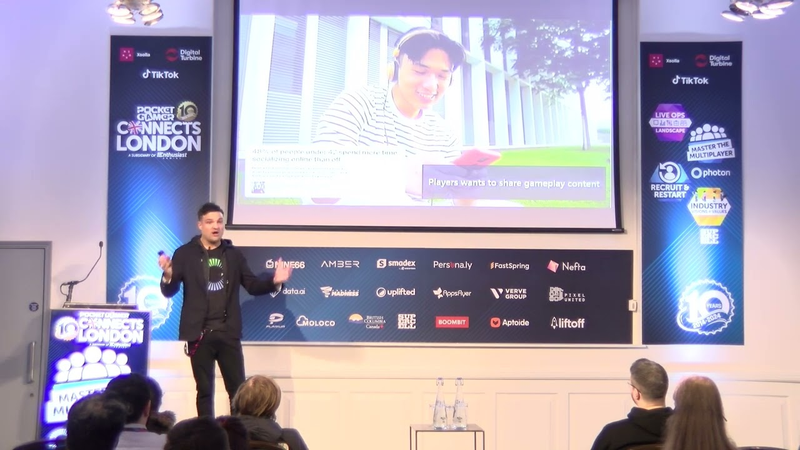
formats on the market and of course there's like mainstream ones like rewarding videos uh uh then there might be you know because i i play i'm playing many many games um on a daily basis and there's like some games i watch a video without getting any rewards and because i'm this i'm in this industry so i understand that but for players they just don't understand if it's a rewarding video how come i don't get any rewards and just feels like it's very enforced uh so i think running one of the best practices would be run out of like tests and find out uh the behavior of your players um and i'm just going to share a quick result here we actually done the survey earlier this year asking our publishers what kind of performance they like and
there's like so many different mainstream ones the first one is rewarding video i don't know if dmitry and prior is gonna agree uh on this one and second one they say is actually uh in play which is like not intrusive and user friendly i might sound a bit biased but just sharing the results here fantastic i i think some of the common mistakes or or at least things that one should remember i'll like to point out three of them uh particularly one is uh creating goods that last forever in the game except it's vanity uh so one has to be very careful about that and second one is uh especially i mean with more rpg or forex strategy games or let's say more hardcore games um the scaling of numbers become infinite at some point of time uh you know for for a player who's level one versus
players level 100 you and then player level who's 500 you cannot keep just scaling the numbers infinitely because they at some point of time they are ridiculous and that's something to be taught from the ground start and a very i mean a very common one um never having one currency for all um having a clear segregation between what are your soft points and is what is your soft currency what is your hard currency uh trying to bridge them so these are three com three common mistakes that i i think one should avoid when it comes to looking at game economies that's a fantastic these are amazing points there is just one point that i would like to add and it's the yeah it's the spending depth so the the years somebody mentioned it here that's like clash of clans it's i don't know ten or nine years out and so these games are designed to be played for years and the economy and everything around the game has to withstand that and it's not about the economy it's also about the the spending like the payment uh payments in
the game so there are real camp players that would like to spend thousands in a game and all of this has to be designed around that and i see many game studios uh like being afraid of this certainly just one thing to add here is that it's very important to understand also the purchasing uh power of your players and or the amount that you expect them to spend um 10 for a player at the start of the game um should should mean a certain progress but progress but a 10 for a player at the later point of the game also needs to be respected you cannot just infinitely scale a particular spending for a player in one year to say okay now he needs to spend thousand dollars if he needs to keep up uh as game developers we also need to respect the spending powers of the audience i find this absolutely fascinating because again we talk so often about minnows and whales um but you're absolutely right it's respecting
the player whatever their entry level and regardless of their experience level because otherwise you are penalizing or or excluding people who would otherwise be engaging within your game economy um and it's the the notion of scarcity is something that you mentioned pierce that i want to come back to um as we touch on nfts and blockchain because obviously if you just keep creating in-game content at some point it will devalue what it is that you're actually creating so let's let's look at this and with our with our blockchain and nft hats on um you're all experts you're all looking at what's going on market on an ongoing basis is the introduction of blockchain economies uh happening right now and if so how is that going to transform the economies of gaming i like to pick on this one i mean it's it's least it's quite interesting and uh
it's it's a i personally believe it's a learning experience at this point of time although we still have some great examples and you know as far as i remember it started with crypto kichis and then the sandbox and axa infinity and lately there is this game called blanco's block party uh that recently it's still in alpha stage and introduced nfts and it did quite well in the pre-alpha stage i mean one of the things that it's still unknown or uncertain is the legislation or the governance of these economies uh because yes you are ending up uh trading things uh outside world and the model of gaming is changing from free to play to more play to earn now because that's the mindset that these games are bringing in within ft's integration i mean any free to play game that is having nfts is is kind of
bringing the concept play and earn money but again this this all is not legislated right now and then governed i mean still a very interesting model but i would say something to still explore in coming years i find that absolutely fantastic thank you very much pierce uh mikhail yeah i see like a lot of innovation going in the nft and crypto space currently which means that we will see many of the companies and games fail actually because on the free-to-play we have verified economy types as we were discussing so if you are making a new game you can just use something which is existing but with a nft it's an open type of economy so everybody is interacting together on an open market and therefore the rules need to be adjusted and we see like many games with uh i mean the prices of the of the items are of the like token really going up and then uh going down since many of the users want to earn on that uh so this is not the
best case in my opinion but we will see a games and studios that will uh like figure it out what is the best way and one of actually it was like a week or two weeks ago uh the french so rare the game the companies uh called so rare they raised like crazy amount of money like almost 700 million dollars uh which i have like i don't do not remember any other comparable race uh and and so i analyzed the game and i really see they they were able to build a sustainable economy on the blockchain with this which is contrary to many others because it's a it's a cart collectors game uh connected to the fantasy football which means that there will be new cards coming in and all the living leaving the ecosystem so so it also explain explains why the crazy evaluation that's fantastic and we're going to come back to that idea of ownership um in just a second dimitri
is there anything you would like to add uh yes thank you i agree with mikhail and uh also i'd like to add that uh i personally think that nfcs are kind of a little bit overhyped at the moment and i think it's more of a technology all the coming future it's good that some companies research it at the moment because it will uh have a it will make a ground for the future companies but i think the nfts really will come into play uh if we'll have something like meta versus uh that mark zuckerberg was talking about because the value behind nfts is them being persistent and unchangeable and if you have games that have like post launch periods about five years nfts are not quite usable here so uh i think it's still the technology of the future and also i agree with piers who said that there are some problems with uh government regulation at the
moment and also the app stores not liking this system very much so i think it's kind of like fire or ten years ahead of us interesting interesting and chloe do you have any thoughts on this area yeah this is actually a very hot topic uh internally uh yeah it's just it does that crazy investment just whoa um like uh pierce mentioned before you know the next generations they they they grow up in these environments and this is just the way they interact right online like the metaverse and we believe that all the transactions that you do in real life would happen digitally and that's how nft and blockchain would play a part a big part agree with dimitri as well technology
why like how long is are we going to take you know for the whole industry to make it work uh but i always say that this is very exciting um yeah you know just where we are agreed i think there's uh there's there are so many questions around this area at the moment you know we have people out there who are immensely skeptical of the entire concept of of blockchain or nfts all the way through to companies as you said makeup raising vast amounts of money um focusing very much on uh an nft based economy um but for me the the the key question there was i think you mentioned it as well dimitri is this idea of legislation because if somebody is purchasing an item and they have that sense of ownership then it really could limit what the the company the creator of of the object the item is allowed to
do you know it in the past developers and publishers felt free to close down games which were not performing you know economically not hitting targets but if they have an entire player base who own um items then we may well start running into ideas of of legislation and so i'm going to ask you are there any sort of moves that you've been hearing about are there any governments out there that have started to to look seriously at legislating or regulating the use of of blockchain within games anyone aware of that i'm going to take that as a new generally seeing regulation regulations it's i always i believe it's just ideas about how should the crypto space work but it is always related to the investments and and tokens and not actually to the to the games yet but for sure it will come
someday so we have one question from the audience which is given the complexity of nfts do you think it's going to become mainstream enough that any player from any background will understand it enough to be comfortable making a purchase would anyone like to pick i i believe it will be i don't know if dominant but like a significant part of gaming industry and the question is just how will it look like i can really imagine like different types of economies or i don't know how should i call it so one could be as so rare as doing like a collectors then i can see something that is already working with uh with the skins but actually on on the blockchain you know their different games are using different technology but this is something that easily can become a standard uh and then i can see like economy build like a two tiers of players let's say so there will be a uh like owners of the game so owning let's say land plots uh in the game and then
players who will use that maybe even pay for it uh but that's my thoughts and we will see how that evolves that's very interesting and and again it comes it comes back to the notion of ownership and are we going to see um you know subletting and generations of uh capitalists uh in the virtual realm capitalizing on on being first into some of these virtual species and i don't think we need to wait for the metaverse for this to happen we're already seeing it in a lot of the online spaces like the sandbox um but i guess i get one of the one of the key questions that leaps out of that is this this sense of ownership um who is it that's actually going to end up owning the game content whether it's vanity items customization whether it's something valuable like virtual real
estate um do we do we see any examples out there of of games that are doing this already that are doing this right that are really starting to open things up as a proper economy based on blockchain like the first that comes to my mind is the gala games they are more of a platform but the games that are being like many of the games are still in development but uh and they are in development and they are they are already selling the content of the game uh so first of all it helps them raise money for the development and on the other hand it is as you explain that there will be players owning uh i suppose big part of the game so i mean i think mirandus is one of the biggest on the gala platform and they raised tens of millions through the selling of the nfts maybe even hundreds of millions i'm not i did not calculated that
phenomenon [Laughter] it's going to be an interesting interesting few years in in game economies and one more question from the the audience is ah do you have any any of you have any horror stories from your journey on the learning curve for game economies have you seen anything out there that genuinely made you blanche i'll share one just quickly yes i was playing a casual game before and um within a level every single uh action i do there was and reward there was every of the video so to finish one level i i think i spent probably over two three minutes so i at the end i deleted game because it's
just not playable um yeah not my own game but uh i think that qu that's quite a story to share here that's yes i'm i'm familiar with the type uh it is where they've clearly not done any kind of user testing and it's just let's just milk this for everything that we can anyone else we cooperated with the studio it was a few years ago and they came to us that oh guys we have a problem with the monetization how can we increase the ltv and so when we played the game they in the store they had a button which was literally called buy everything and it costed 10 euros so this is like a contrary on like an example how not to uh how not to monetize perfect thank you very much well um we're heading towards the end of our time so i've got another few questions for you guys so when we look at the the sort of the the market as a whole is
this a sector that's um fragmenting or consolidating are we starting to see uh companies go off in multiple different directions multiple different providers and platforms or are we starting to see this kind of consolidate into you know models and and providers that are growing i mean i i think it's it's kind of mix i mean still there's a big dominance from google and apple on store fronts the markets are predominantly still taken over by states united states and china being the biggest in terms of free to play but at the same time internet is getting cheaper in various parts of the world technology is improving so there's a lot of local fragmentation happening especially in southeast asia i would say at this point of time where um countries like vietnam philippines indonesia they're really growing and a
lot of player activity is coming up and in terms of stores or payment providers or getting users connected to the means that they know not everyone uses credit card not everyone is uh on paypal so there's a lot of fragmentation happening in developing regions where a lot of local providers are coming up with more opportunities and integrations to to reach out to the user base existing there because certainly they have the technology and the means now smartphones aren't getting cheap smartphone is cheaper i mean um than what it used to be 10 years back or let's say the buying power is increasing the purchasing power is increasing so it's kind of mixed at this point of time personally what i see i agree it really depends on when where are you looking somewhere is really fragmented uh and somewhere it's much harder to enter like for example the quality of the games that is currently expected by the players and the like the
type of the games it's much harder to develop these games it takes much higher budget compared to a few years ago and on the other end actually there are like a companies i don't know zynga that is buying companies while one after another trying to build like a gigantic uh empire that's actually what i wanted to mention as well yeah it really depends which sector that you're looking at uh for example like as a new format so we're still you know like on the journey to get bigger we want to be the leading company etc but maybe you know there's gonna be consolidating based on how how it's going in the future yeah but zynga yeah but on the other hand the you know the apple versus epic case it's it will have in my opinion such a big impact on the interest and especially monetization so
that's something that we will see new players coming up at the like helping with the payments and web shops and stuff like that or existing platforms helping gaming companies like paypal and stripe or so on yeah we just need more um you know like providers companies to challenge these wall gardens right because it's just pretty difficult to uh to enter inside their wall i think everybody is looking at the case what will happen there is something that should happen on december but we will see if it will not be delayed that's a that's a fantastic point and yes it's something you know we've been writing about um seemingly endlessly over the last several months and while it is too early to say i think everybody is watching um you know hoping that this might be the start of the first few cracks in the in that wild garden and well we're very nearly out of time folks um but i have one last question i really
for the developers the game creators out there i'd like you to try and give one key piece of advice they should consider when creating a game economy and if you could give them one thing to take away from this afternoon what would it be uh mikhail let's start with you first okay thank you so first of all learn from the from the biggest most successful companies they have existing economies and then do a simulation of the economy before the launch so you can simulate how players will go through the game years of the gameplay simulate these and watch multiple segments how they are behaving and adjust the economy according to that and do not continue with the global launch like continue with this process uh this ongoing thing lean iteration it's a it's a good one it's a good one uh dimitri yeah so i think the common mistake i've seen in smaller companies is that they tend
to over design their product and always start to invent their own meta gameplay loops and monetization and it's there if you're a small team there's a high chance that you don't have enough expertise in monetization and it's not that bad to copy a monetization loop from other games if you understand that they apply to your game and because of that i recommend to look at the core variables of your gameplay as i've talked before and uh to think uh what monetization looks from other games applied to it that's it if you're a smaller team if you're a bigger team of course you have to and you should uh invent something new but you have to iterate and test it like mikhail said uh yeah that's my advice that's fabulous chloe let's hear from you next so for me would be like know your target players um put their experience first uh when you
design the economy and yeah i think that's the most important thing your players first yep absolutely spot on and pierce i absolutely agree everyone said the right points and if i would sum up i would say start with your player motivation and drive it along the way um and craft it as it grows fabulous fabulous stuff um well that is us out of time i'm afraid folks we overran ever so slightly it's such a huge area it's such a complex and in-depth one that i think the for me the key takeaway is there's no one-size-fits-all anymore it's you have to know your players you have to be able to test your assumptions and you have to keep that focus on the players and and giving them value i i'd like to thank you all and mikhail dimitri chloe and pierce that was phenomenal and we scratched the
surface but please if you have an opportunity to hang out on the discord channel um or if you have people trying to talk to you and meet to match please do take the time because it is something that's only going to become more fundamental to the long term success of your games so that's us uh peggy i'm not sure if you're coming back or if we can all now disappear to the pub i'd love to go to the pub we will no comments indeed we could all do that and uh i'm just about up to beer o'clock over here so i wouldn't mind that at all fantastic panel and you've also made us all very exciting excited thinking about what's going to happen in december it looks like it's going to be monumental and impactful as well for your panel so yeah great absolutely and i'll just uh let you go to the pub or wherever brian with your panel and uh and thank everyone and uh close us off so thanks again thank you very much
thank you bye now
Summary
The modern gaming industry has undergone a fundamental transition from traditional retail models toward complex, hybrid monetization strategies. Successful economic frameworks, exemplified by titles like Clash Royale and EVE Online, rely on a delicate equilibrium between revenue generation and player satisfaction. By prioritizing vanity items over restrictive paywalls, developers can foster long-term engagement. A critical prerequisite for this success is the integration of monetization into the core game design from the outset, as retroactively imposing economic systems frequently leads to failure.
Sustainable game economies require deep alignment with core gameplay loops and player motivations. Common structural pitfalls include infinite numerical scaling, the failure to properly segregate soft and hard currencies, and a lack of consideration for the varying purchasing power of diverse player segments. To avoid these issues, developers should simulate economic models before launch and maintain an iterative approach based on real-time data rather than attempting to over-design systems in a vacuum.
While blockchain and NFT technologies represent an emerging frontier focused on player ownership of virtual assets, they currently face significant hurdles, including regulatory uncertainty and platform restrictions. Despite the hype, widespread and sustainable integration remains a long-term prospect. Simultaneously, the industry is experiencing a dual trend of consolidation through large-scale acquisitions and fragmentation in developing regions, where local payment providers are increasingly challenging the dominance of traditional walled-garden storefronts. Ultimately, the most resilient economic models are those that respect player experience and adapt to the evolving global landscape of digital commerce.