1 free read left. Create a free account for unlimited reading + AI research.
Create free account
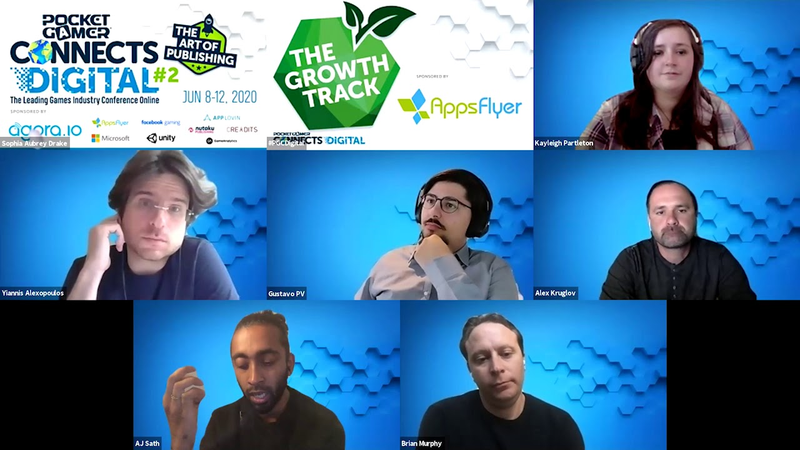
Panel: What Does Success Look Like in UA? PG Connects Digital #2
Key insights
7 takeaways- 01Success in user acquisition has shifted from raw install volume to a focus on long-term profitability, return on ad spend (ROAS), and the retention of high-value users.
- 02Marketing, finance, and product teams must collaborate to align cohort-based profitability analysis with broader business objectives to ensure sustainable growth.
- 03For new titles, user acquisition acts as a diagnostic tool for market viability, while established games should prioritize live-ops, creative refreshing, and targeted retargeting.
- 04While Google and Facebook remain dominant, TikTok and Snapchat are essential for their creative capabilities and influence on multi-touch customer journeys.
- 05Incrementality testing is required to validate the true impact of marketing channels and prevent wasted spend on audiences that would have converted organically.
- 06Creative innovation, including playable ads and systematic A/B testing, is now critical for maintaining performance in an environment of tightening data privacy regulations.
- 07Developers should segment users based on bottom-funnel events, such as in-app purchases, to optimize the user journey and meet specific cost-per-acquisition targets.
Ask AI about this video
Transcript
thank you for being here I mean I'm sure for you it's much the same as it is for me part of the madness but there yeah yeah and thank you to all of the panelists but I won't take up too much of your time I'll let you guys get on with it so yeah I'll leave you to it great thanks of here Thanks so I'm Kaylee I am one of the staff writers for Pocket Gamer dot bins and as you can see I've got a few pilots joining me today for what does success look like in you a so we'll go around each panelist individually and let them introduce themselves if we um start with pianets first of all thank you thanks a lot for
inviting me to the panel with next games or work in you a in marketing we are Helsinki based developer and publisher and we're creating games based on popular entertainment franchises we already have published a couple of games based on The Walking Dead IP and are working on among others titles based on stranger things and Blade Runner and pleasure to be here great thank you and um gustaba hey there pleasure being here I'm I'm Gus and independent you a manager currently consulting companies in need of UI growth and monetization strategy and services over the last decade I've manager help manage the release of some life and manage the release and live ups of over 50 games and apps from a bunch of hyper casual and casual they are in social apps a Spotify competitor an even an online magazine great thank you and Alex hi my
name is Alex clueless I run a startup called pop in I'm a bit of an unusual duck here in that I'm not a you a manager our app pop in is a multi-party video app that has gaming built into it we have we started with one game we now have five games inside the app and we'll later this summer we'll start releasing a game we or even getting a day so our core our core value proposition is that there's people on video together playing casual games like you would at a friend's house around midnight Wilson and AJ sure thanks and don't worry Alex I'm also not a you a manager but I've been working within the AMIA with Mia based gaming companies over the last few years at reemerge which is DSP that solely focuses on app to app retargeting so
yeah I'm dealing with a lot of gaming clients and a variety of verticals social casino casual midcourt hardcore but mainly to help them with their user retention goals by segmentation creative measurement strategies and finally Brian all right Brian Murphy I'm with that fire which is a very large mobile measurement partner and attribution tool that a lot of gaming companies worldwide utilize to optimize and measure marketing campaigns and I am head of gaming and head of gaming I oversee the revenue line of gaming primarily in North America but also work very interdependently with a player's product marketing as well as product development teams to develop our toolset for the gaming vertical specifically brilliant so once again I want to thank you guys for joining me for this panel while we kick things off with what are the
current trends and best practices in the mobile market at the moment no mobile marketing sorry well yeah I can start as as your manager I can feel the the role evolving in both creative and data centric ways and it's exemplified by the increasing automation and scrutiny around ad creatives and their impact we see this in new tech trends emerging around automated creative trend identification you know tools that spot color iconography text and suggest creative patterns and improvements also we see how companies are increasing their mass video creative production every week some even automate this process and some bring in-house creative competitor research with some tools like Bannion opteka and in-house tests and some set today and other talks influencers and playable czar grabbing a bigger chunk of the market I can go
ahead here so there's of course a lot of different trends that we're seeing but you know for example ASO strategies testing testing testing and and really uh what we see is collaborating more with your what product and data science teams to understanding really what networks are working what's not and we're seeing a lot at least with reemerge you know since the industry is moving more towards metrics like Roiz and CPA we're seeing a strong advantage for marketers to use more incremental ad measurement meeting control groups and and test groups to to measure uplifts and in my experience with at least a media based gaming companies you can really see you know what advertisers are still working with an install measurement compared to the more advanced ones like let's say King and player rakes who are looking really beyond the install and using this higher level measurement I mean we're moving more to this away from this perceived magic of advertising to more of like an
actual science so that's pretty pretty exciting stuff I would say we're at firey Abbe foyer is definitely seeing more to a Jay's point earlier a lot more focus on how they develop incrementality and doing a/b testing not for CPI but retargeting and remarketing is becoming a much bigger emphasis and focus for successful companies whereby they feel like they've gotten a grasp on how they can drive a user to install and make that user a valuable user utilizing their retention and row as metrics whatever data might be and it could be day one to day 365 it's you know it can get pretty long but more importantly now they're really focused on how do i retarget that user with the right messaging and bring a valuable user back a well into my application on a regular basis to make it more consistent in sort of you know and Sutton and sort of create a surplus of acquisition that goes outside of just
driving the initial install and companies like reemerge and other retargeting companies that are out there I've gotten better and better at this and it's something where there's a gap in the marketplace that's existed for about a decade that's being that's being filled by companies like we merged in others now should I go next yeah please yeah so I think there are all the obvious trends that also others just mentioned I think however what I would like to discuss about another positive trend like in my opinion which is about emphasizing and understanding more about the organic organic side of things the mid side of you aid and absolute ization I think it's important to like for all of us to remember that user acquisition has two two sides and there is paid acquisition results organic requisition and these two are let's say very very tightly associated and interdependent
especially the increased importance of organic into paid and the other way around and I think that is also this is also positive as a as a development in the industry regarding addressing the the entire like marketing aspects of a game and the marketing strategy versus a strictly like performance approach which of course is the core and everything we do like in you a for instance like things like positioning of the product or like the brand the art the theme they have like a huge effect in the performance of paid way in the visibility discoverability in the store so as it as a as a really positive positive development in the industry and especially the way that we we address our users and our audience yeah I think that that that's a really good point
which is that organic user acquisition and paid user acquisition can go hand and should go hand in hand the core thing about user acquisition is you know you want to get the right users rather than just the installs and the metrics like Google Facebook and others try to get you to optimize around sure you often useless so the key thing is to figure out what event or what action was a user take that you actually want to maximize around and in our case our core values around people playing together in groups sometimes they play in groups of strangers like you you know kind of like going to a local bar and meeting new people and sometimes they play in group with groups of friends and guess what when you playing with groups of friends you want your friends there so if you are paying the right if you're optimizing youäôre I'm getting the right kind of user which is the type of user who would play and then getting those users to bring two or three friends then all of a sudden you have an incremental effect of pay user acquisition that is significantly above what it would be otherwise whereas if you are optimizing around the wrong things with UA such as
downloads your vanity metrics then you have a you have a user that you paid for who isn't a useful user and who certainly isn't bringing new people together so I think that point a Yanis made is spot-on anybody have anything else to add no cool so how would you define a successful user acquisition campaign so so instead of focusing on the traditional question of quantity versus quality which is a big part of this success of your campaign theme I'd like to focus on the thought process of a successful campaign a successful campaign comes with two elements the KPI is a sustainable profitable performance at scale but it also comes with the learnings that can be replicated most marketing strategies have to balance between these two and a good balance that I've found is a permanent minimum of pure experimentation devoid of performance goals with the bet with the rest of the the budget being spent on
that pure performance with the learnings achieved from that pure experimentation yeah I think it's so I'm not a fancy person the way that everyone else on this channel is so I think about this pretty simply which is did you get users that did the thing you wanted them to do and then how long do those users stick around those are the metrics that you want to be sort of looking at and if you are lucky you actually know what metrics you have that predict the likelihood that the user will stay because otherwise you have to hire AJ to get the user to come back whereas if you actually whereas if you actually gets the right kind of user whose route who will stick around then AJ will be only incrementally helpful rather than absolutely necessary so so those are the and I think that in general the the people who want to take your money do a very very good job of masking the metrics that you actually care about and trying to get to to optimize around things that don't matter like like clicks and like I definitely
agree Alex it's it's definitely a metric oriented style it's I mean obviously it depends on the games in my opinion for for hyper casual games there's a strong focus on increasing those installs and you know eventually getting more organic installs but I guess we can all agree that the install itself doesn't have much value if your aim is to drive revenue from purchase in-app purchases so yeah I think it's important that they it's the the metric is the most important of course to look at events beyond the install and to observe the success of campaigns for example purchase event and also we're at reemerge at least we're seeing a lot of value for the uninstall event that some attribution providers are offering and so we see that it can be very useful to optimize towards revenue when you have this component so anybody got anything
else to add and say something I think obviously there are two parts to answer the question like my opinion the first part are also part of the things that also got mentioned so it's it's the aspect of understanding like and actually I need to disturb quite deeply these days the particularities of the other platforms and the channels were using and it's important to process like internally in the team and necessary skill and expertise to be able to manipulate all the it's affecting the performance like for example like the beat the budget imitation targets objectives creative cetera and usually this happening towards like would have a profitability target most most kids but I think of a role what is the the most important thing and sometimes a missing point is not so much so much the the success of a
particular campaign not even of like a set of campaigns but how what is like the place and how this particular campaign reflects towards the realities and the needs of the product and when when I think Anthony because the product is a product as a business and also the business overall so and I think there is a there is a very thin line only on this sometimes and it's the area that my opinion initiates most of the failure in companies and also the success and requires in order to be done to be done correctly like a very close relationship and work between the the marketing when you a show like us and we like the finance and the product and BIA teams and he's not married sounds like not so complicated but if we think that these different teams that don't always have the same thing in mind so I say we are always my QA teams always rooting that
cohort-based profitability analysis for the future and sometimes this is a projection or even my prediction but finance teams or product teams are reaching at the actual actual numbers so much in this tool and fit a strategy that worked for all these elements I think is the key and also determines the key of success for the for a you a campaign one more one more thing I can one more thing I can add which I don't know if everybody's totally familiar with this and I'll try and make it brief is that understanding the customer journey is is really critical in a you a campaign and into a much greater depth than I think people thought so before and for example the concept of multi-touch attribution which takes a user from the initial campaign I'm sorry what basically it's gonna not only tell you who drove the install in most cases it could be Facebook or Google but what were the value channels in between the the install that actually drove
engagement of that user and like for example like some of the newer social platforms like tic toc or snapchat for for that matter are showing a lot of value frankly um in the customer journey even if Google or Facebook in most cases drove the install so it's very important to look at when you're using multiple channels to drive campaigns who helped actually drive the most engagement and then ultimately who drove the install at the at the last click and I think that's a really critical thing to notice I don't think that that was very that that was that was highly it was easy to see that earlier but now a lot of the platforms that are out out there in attribution and others are actually demonstrating this a lot clearer kind of visualization to somebody where they can make actual decisions on awesome so what marketing tactics do you recommend for a new game versus an existing one so generalizing this into the stages of
a lifecycle of a game for new games while developing during a soft launch while developing or during a soft launch the ua teams have the goal of determining the market viability the market fit the the angle that you're trying to approach with this new product measuring the baseline KPIs from IPM to CPI to retention LTV predictions and so forth you have to be prepared to make drastic decisions or drop the product hyper casual studios remake games from scratch multiple times until a game can be successful the role of the UA in this stage is one of an analyst a problem solver a system builder you have to be harsh and quick but then for an older game a big launch or during a live ops you a teams are experimenting refreshing creatives IP campaigns networks they're establishing automated processes for creative production for live ups they're improving cross promote partnerships their role becomes one of strategy
negotiation and creative direction so you have to add value and optimize pipelines instead yeah sure I mean I I definitely would say it's four new games of course there's some common elements you ASO of major importance here you know oftentimes when there's like new product releases things like this know whether it's CRM push sometimes maybe that's not enough of course retargeting can help here but of course you know coming from retargeting company existing games I think it's very important to complement these this year you a essentially to maximize your ua efforts with retargeting and you know I I wish it would be perfect for everyone doing you eight to always get that right user as Alex said to to try to get that
specific user for that game that would actually go further in the funnel without any help but um you know with in those times when you can't especially since paying users are usually it's tough to acquire as the game grows you know it isn't getting any cheaper to acquire these users and I'm sure everyone can relate to this so you don't want to lose them to competition usually in retargeting we divide it from low to medium to high payers and and make sure we keep them engaged within the game through that our world is a little different from from a traditional kind of one game at a time released because it's a single platform with multiple games in it but we started with one game and we had only one game for a number of months and now we started adding games slowly and now it's starting to get more rapidly and the way we think about it in what may be applicable to those who are in the audience the way we think about it is what are our existing users looking for what would get them to play even more
their games that are missing just there something that they're looking for what will get their friends who didn't accept an invite to play with them to actually accept an invite next then that's how we think about what games to prioritize and then we also think about targeting types of users who are like our existing users or adjusting positive users but who are potentially going to be to benefit from the new game formats and then lastly it's talking to the users who are not playing and find out what's kind of missing for them and what what it would take to get them to play from a game design and game iteration standpoint our games are simple the kind of games that you play at a friend's house board games card games ice games and so on and so iterating to Gus's point in our world is crucial and something that we can do in a matter of days and are eventually will will be opening it up to third-party publishers starting midsummer and our third-party publishers will be able to do the same and see the data as around usage and what's working what's not and another
thing I might add I don't think I would speak to specifics about what you know a new game versus an existing game but I will say that in the era of kovin and shelter-in-place a lot of the game development companies have decided have made the you know they have made the decision that they're going to double down on existing titles rather than invest in new ones in the current at their current focus and part of that was because they felt it was safer to to spend money on on existing titles while we're writing out this sort of uncertainty economically across the globe but you know I always took it as a lot of users out users out there because of all these external events which are causing a lot of disruption sort of like emotionally or we're just causing a lot more anxiety in the world that having titles gaming titles for entertainment minutes that we're all vying for sort of in the marketplace that are more stable that are more understood that are more relevant to people from like an IP perspective provide a lot more intrinsic
value and sort of keep them in the moment a little bit better and then you know maybe cluttering their minds and in creating more disruption in the world where they kind of want less at this point was something I think those companies like focused on you know when when Kovan was really starting you know potentially out in Asia and and I think like a lot of the companies took that determination and a lot of them have focused more everly on I'm just let's let's put new development off until things are more certain into the future and put more down on something more more certain up now I think that's sort of like played itself out over the last few months and in no way shape or form is suggesting that's going to continue but it's definitely something that appeared to be an area of like decision that those companies made early on I think it's a great point maybe from a bit of a different perspective shown from from and like a publishers marketing strategy or you a strategy point of view I would say that the the overall tap tactics or like measures of success
don't don't necessarily differ like based on the like time on the lifetime of the project and the overall let's say profitability oriented approach shall always be there and it is more about like the right time for the were the reason portunity to scale or to drive growth for a product and I think that based on everything I've seen depending on the on the health and the level in actually off the product which could technically happen anytime and of course there is the element of being able to acquire quality or high affiliation audiences as as has been said earlier earlier in the lifetime of the game especially organic and especially depending on how viral or how are peeling to grow their audience is a type who can be because it's a huge difference on the how old is the game when we were talking about the casual or
hyper casual or a mid-quarter core game but I think apart from that more like they say it's important to understand like how to scale like a product itself depends a lot of what the product like and how the product a lot like stage allows us to do as marketing teams and now of course assuming like a there is an app that has been marketed like successfully or like one way or the other has has managed to reach the audience's that that it should sound yield then I think usually the best strategies to look at alternate videos the years that we are secondary or haven't emphasized before for let's say localization elements or revenue our pool ATV elements of course if there is the need to keep promoting like or growing enough this very often there is no need to necessarily do this for a full you know drop and just briefly to touch upon my
retargeting with all the available points that have been made here I think III really agree that it's really the most important to be able to retain to retain the audience and not reacquire the audience and of course if I came the products to the direction where like there is solid extra content or opportunity to pay or to engage further for churned users and change like engage players then yes of course the retargeting could be strategy but just to keep in mind that with with retargeting right the sizes of the audiences and then the the opportunities we have to maneuver in terms of campaigns and everything we do in order to optimize is very much more limited which leads to very much higher prices and having a product change to show a
new LTV technically to overcome this already higher price comparing to the initial position price is hard thing to do so it's not a non motor it's not happening but it's not I completely agree I mean reacquisition campaigns we don't see it too often because it tends to be too expensive it depends if there is this underlying new very powerful product change or something like this like you said but for the most part we see retargeting as sort of another you a channel it's something to compliment you a and should be acted as that so in a way it's to just it's to maximize and kind of boost you a to to further push users down the funnel rather than trying to reacquire completely users that have been elapsed for a while so I definitely completely agree with you guns okay hey so what channels can be helpful
for you a campaigns a lot of them I think I guess I geuss tableau and Yanis would be best to answer that I mean sure beyond beyond you know I would just speak to Facebook and Google it's such a there's such massive channels they have driven so much growth I mean you know Facebook when literally face AdMob was 60% of the market by 2012 when Facebook entered now AdMob was 30% and Google I'm sorry Facebook was 30% I mean H a Facebook disrupted the markets so so so incredibly that it's almost on nobody could really predict that it was just amazing and then AdMob slowed down and Google struggled and now they're back competing with Facebook so those two channels that by themselves run virtually all of it but I would say this and these guys can take this further you know in terms of you a we we are definitely seeing snapchat as being a
tremendous tremendous source now it's they do something quite different their value in the chain of like like I said before multi-touch attribution is something very unique the creative is is so much different and so much more interesting and they've really put a lot in games obviously just every initiative they made it snap that revolves around games in the snap platform have been pretty amazing and then the other thing I'm gonna say right now which I know Gustavo is that tick tock is is just a behemoth that's on its way it's gonna be just massive it's got the users it's got the growth it's got the it's got the creative platform to develop on it could be iterated upon and improved upon over time in a really really meaningful way and what we're seeing within social influencer influencing as a platform on tik-tok is gonna take that take that business far far ahead than anybody else at this point and everybody's gonna be trying to catch up with them and before they know it they're gonna realize like they had a big opportunity that tick-tock took advantage up before they
were they really understood it so I think those four alone along with potentially Twitter I mean all the big s are ends that are out there are big behemoth but I'm really excited to see what tick tock tick tock or did you are gonna do in your future here yeah yeah it's just like you said there's not not much to add like most most marketers or UI professionals would say the same dude well Polly is really hard to avoid although snapchat is something that has been growing in power in an ease of use and effectiveness a lot in the last few years it's not something new it's something that I remember already talking about last year on another Pocket Gamer panel and an tick-tock is just like you said it's a behemoth in the horizon that is slowly creeping up on us and and it's something beautiful to watch like the growth of new channels and I wouldn't say they were going to overtake Facebook or Google anytime soon but at least they're gonna stay relevant
there's a bunch of other channels that we could discuss as well but not as impactful as these for maybe maybe Apple I've seen some good things from unity ads and see I've seen some some here and error there but the answer is usually duopoly plus some others think about the duopoly that's worth pointing out and this is why I'm a little cautious about both snapchat despite Suzy azzam and there is no quick talk and snapchat can be very useful when it comes to awareness but those are platforms that people actually enjoy and they want to spend time on whereas when it comes to Google that's a platform that everyone's trying to lead because it's a search engine and it's through a variety of ecosystems outside of YouTube so there's a much higher likelihood to a conversion happening that is directly attributable to a - especially if you're thinking about user acquisition and do a separate app to download and and Facebook to some
extent the same thing but what what is what we've seen a lot with snapchat and tik-tok is that people are they just want to move on to the next thing and stay on those platforms rather than leave to go and transact elsewhere yeah maybe the only thing to Brian put it like really well with that the only positive thing I see is that it's not only that these platforms are increasing the efficiency but I think the quality of the partnership for us is also increasing a lot so especially Google Facebook and this is like very important because we spend a lot of our time let's say in this these platforms and it's really important to really talk to partners from which you can benefit and learn and improve and also your overall marketing strategist' so I think
lately this happening and I believe the community's appreciating it a lot maybe I can add like just something but I think you guys covered almost everything in in terms of there's obviously tons of different channels and many growing useful ones tick tock snapchat being some of them and I think it's also just important to to kind of you know given the fact that users are kind of all over they you need to kind of just test it and and the best wave that we've seen this testing it goes back to incrementality so running these control groups and test groups and and really actually seeing the impact when you add a channel compared to what's happening organically or without that channel so I think at the end of the day having these combined strategies is gonna help you figure out what channels are bringing you the most impact great so I'll ask them one more question before we take some from the audience and is it
possible to be too heavy-handed with the UA yes absolutely you absolutely can be heavy-handed with UA if you are going after the wrong audience the worst thing that you can possibly do with you a you spend money incorrectly and get a bunch of bad users because there's actually a negative effect to that not just in terms of the utilization of your capital but also in terms of how it affects other users to the extent that it you have a game that isn't a single player game if you get the wrong users in whether it's geographically the wrong users or whether it's the users therefore the wrong intent just to share an anecdote we're in the videochat business and that said our experience does to be very positive because people are in group video playing together so as a result there's very little abuse for kind of negative behavior that tends to happen but what you do have is because people see it as a game they tend to sign in but they sometimes with a gamer mentality which is to use swear
words and their user name or to sort of try to act a little bit like a troll which is very very difficult to do within our ecosystem in those kinds of users if they come if they come one at a time can either bounce or they can reform once they figure out what it is whereas if they come on masse that can be a very negative thing and so I think it's always a good idea to be measured with your with your approach and make sure that you are doing the right kind of UA and then back to the point the Yanis made earlier in the panel you want paid user acquisition to go hand in hand with whatever it is that your product does organically and if it doesn't then unless you just have some amazing formula for spending a fraction of your of your LTV on an acquired user you're going to run out of capital anybody have anything to add to that yeah yeah also
like my answer would be yes definitely I think there are two two directions the first one just Alex mentioned again whether they're organic trafficking how important is that I discuss a bit in the beginning yeah I mean it is very likely that you are very heavy-handed with paid user opposition and even when you one sees their designs but perhaps you're not doing a great job and sometimes people don't often think about checking the organic side as I said before there is this positive trend and development in the industry to look at the overall holistic marketing approach and I think this lets say things like the positioning the storage conversion disability discoverability all these elements are very important and they don't only enhance the you a paid you a performance
which is very important for us but also our relationship and the quality of the relationship will have with our customers with our users which is very important and if we are like honest sometimes like in the performance marketing call you a side of things who may be overlooking in the sake of performance and in the second part is that I think there there are three things that are very important for a game to like a mobile game to be successful and I think these two things are like the product and the marketing and the BI so none of this can work like by itself so teams need to focus on how these three harmonically work together and what I like to say usually that product my opinion determines the what marketing determines how and be I will
tell me how confidently and I think that unless every every strategy let's every company for success should incorporate with this these three things of course we have seen in the past in the industry which is very dynamic and interesting that success has happened without it but then in this case there is a lot of element of luck let's say and I think lack is not what most companies for most companies this wouldn't be a viable strategy to budget based on luck so I think all three elements need to take their equal in quality importance and you should strive strive for that as a matter if we are in marketing or in product in any ways in the organization so that's why I say who can be very heavy-handed in any way because as a you a team or as a marketing team we need to force also addressed I think that's very
beautifully said Yanis like very very very well said it's those three components product marketing bi it needs to work together as like in gears like a clock I guess it's just that the point being you know you can you reach a point of saturation eventually if you're just going ûà ûà ûà yeah well it becomes difficult to scale up and you jeopardize your o us it's there needs to be a balance in a combination of different elements there and I think Yanis put it perfectly much Dada day brilliant so um you guys are happy to you I've got some questions from the audience for you um first of all can you please share the tools for add creative analysis and creative production automation so so when I was talking about those tools you you can think of a tool that does all of this well like Badal go for instance you can
research a bit what do they do they do this very well but for a team that starting has a lower budget maybe yeah doesn't want to invest that much money in a tool it all goes back to basics is understanding why did this creative work where did that creative not work you can you can obviously go around in the market and check a penny or opteka or some other tools that study other people's ad creatives even Facebook has the ad library nowadays where you can check other people's ad creatives there but if you do that you you run into the risk of today I've heard in multiple talks the question about noobs versus procreative that standard practice on multiple companies if you want to stay innovative and create big KPI increases and disrupt the market you need to stay open to to new approaches listen to your development teams take their feedback do
possible experimentations there's nothing like a bee testing and user surveys to outgrow your own biases so it's not so much about recommending the tool it's more about the mentality another and that's great point you style another thing I'd like to say is that you know with the recent changes and just the impending massive changes are gonna take place in regards to data regulations not only in Europe with GDP are in the States now we have CCPA in California which is you know a huge regulation this is going to continue and grow worldwide so the ability to target users from a data perspective has become more compromised and it's becoming more challenging and at the end of the day I think gustaba will might agree with me and Yanis too and everybody else that matters that creative analysis becomes much more critical and new ways of doing creative to capture the eye of a user is more critical when we can't target like we could previously or maybe not into the future so um you know new ways of doing creative like you know for example
video video advertising on games has been really successful for quite a long time but now playable advertising to me is becoming much much bigger in the marketplace and companies like Luna Labs that or that born out of Europe and there's others that are out there in the States and even into Asia are taking advantage of and I think like companies that are doing things really interesting and innovative in playable advertising primarily for the gaming industry are gonna be really successful not only because they're innovating so well on their own platforms but it's becoming more relevant in the larger gaming ecosystem and even application assist ecosystem worldwide so I'm really excited actually about like how creative innovation and creative improvements have actually sort of taken center stage here and it's actually gonna solve a lot of problems that were existent today because the ecosystem is is sort of confronted the data challenges we're experiencing all over the world I say one during cope in nineteen some article
saying that CPI has increased and some say CPI is decreased which one's correct and how has CPI been affected for casual word and puzzle games yeah I can't speak for casual and puzzle games specifically as I was saying general like if you wanna I mean I was all respected to all the establish and everything like there has been let's say they need to have a response to crisis so I think most of the at least most of the resources I have been coming through are not let's say adding something surely there has been a change mainly the same the changes with prices at least for us and for puzzle plastic meat core plus games prices coming down a bit but you know like a basic basic
foundation of UAE and the performance marketing is that the price is also very dependent on the optimization objective and on the result so if we see that I saw a couple of formal talks today about game analytics during the period we see that perhaps the price has decreased and then the engagement has also being decreasing in some Cheers so in this case you cannot say that the price and in decreasing actually the price has probably been increasing if you analyze so I think matrix like visit are interdependent should we always be presented together for my point of view there hasn't been learning that words sharing great so if we do one more question and then we'll wrap it up when doing every targeting as an acquisition channel do you follow a top funnel middle funnel but on a funnel model okay so I guess this Falls of my my line of
work I would say with with retargeting if you're using as an acquisition channel it still kind of follows the same rules of retargeting it's still going for a bottom funnel events like a purchase event I would say but at the end of the day it depends on the type of game again so if it's like a hyper casual game then then you know there's it's less of a reason to put them into a bottom funnel but if it's any sort of game that's in-app purchases I think at the end of the day it's the same that you would want when you're doing an acquisition campaign to get them to do the end purchase or a role as goal or CPA goes so in this sense I would say this would still be a the same same goal as it would be for any sort of retargeting campaign to push them into a bottom funnel event and at the end of the day you should segment users based on the data you have so I'm
not sure how you know Jordan you are your events are within your app or anything like this but that is something that we we kind of consult and we check how your user journey is and then will kind of guide you into what the best option is in terms of retargeting great anybody got anything to add Wow fantastic man I'd like to say thank you to everyone for watching the panel a huge thank you to the panelists you were brilliant and it was brilliant to talk to you all so absolutely thank you thank you - Kaylie for hosting and moderating the panel so Thank You Kaylee for guiding all of our panelists and everyone through the chat as well so yeah thank you to everyone you know it's
been a really great chat normally I jump in and do the Q&A but obviously Kaylee handled that's all that you all get on with your the rest of your day wherever you are so thank you thank you thank you Thanks you
Summary
Modern user acquisition strategies have evolved beyond a reliance on vanity metrics like raw install volume, shifting instead toward a rigorous, data-driven focus on long-term profitability and return on ad spend. Success is now defined by the ability to identify and retain high-value users who engage in meaningful in-app actions. This transition necessitates a holistic approach where marketing, finance, and product teams collaborate to align cohort-based profitability analysis with broader business objectives. By prioritizing retention and lifetime value over initial acquisition costs, companies can ensure sustainable growth that balances paid efforts with organic performance.
The current landscape remains anchored by the dominance of Google and Facebook, yet emerging platforms such as TikTok and Snapchat have become essential for their unique creative capabilities and their ability to influence multi-touch customer journeys. As data privacy regulations tighten and traditional targeting methods face increased scrutiny, the industry is pivoting toward creative innovation. Techniques such as playable ads and systematic A/B testing have become critical tools for maintaining performance. Furthermore, the implementation of incrementality testing is vital for validating the true impact of various channels, ensuring that marketing spend is not wasted on audiences that would have converted regardless of paid intervention.
Strategic execution varies significantly depending on the lifecycle stage of a game. For new titles, user acquisition serves as a diagnostic tool to establish market viability and baseline key performance indicators. Conversely, for established games, the focus shifts toward sophisticated live-ops, creative refreshing, and targeted retargeting campaigns. By segmenting users based on specific in-app behaviors and focusing on bottom-funnel events like purchases, developers can optimize the user journey to meet precise cost-per-acquisition and profitability targets. This nuanced, analytical approach minimizes the risks of over-spending and ensures that acquisition efforts remain tightly integrated with the product’s long-term health.















Comments