1 free read left. Create a free account for unlimited reading + AI research.
Create free account
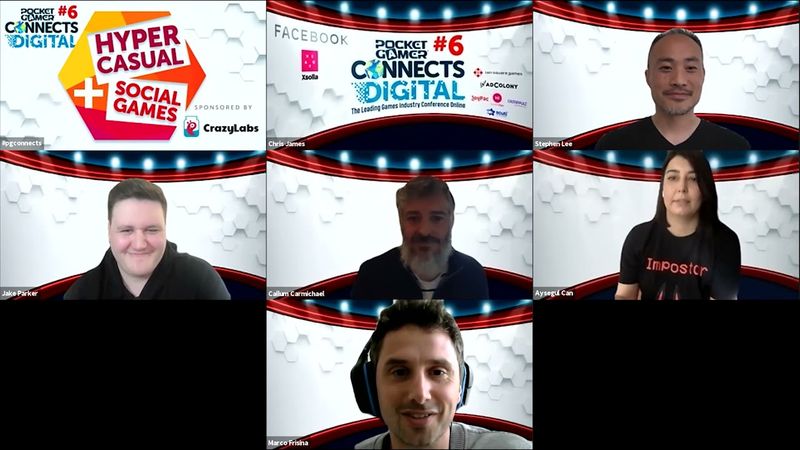
Panel: What can Hypercasual Games Teach the World?
Key insights
6 takeaways- 01While hypercasual games are simple to play, they are difficult to master and must appeal to a broad demographic ranging from 13 to 65 years old to achieve scale.
- 02Success in the hypercasual market is driven by creative iteration and testing, with publishers primarily focusing on Day 1 (D1) and Day 7 (D7) retention metrics rather than long-term D30 data.
- 03Hypercasual game development requires a 'trial and error' mindset where developers must be willing to abandon prototypes quickly if data indicates a lack of market fit.
- 04Effective game design in this sector often utilizes the SCAMPER methodology—combining successful mechanics with new trends—rather than creating direct clones, which are generally considered unprofitable and unoriginal.
- 05The industry is shifting toward a post-ATT (App Tracking Transparency) environment, necessitating a focus on user consent, accurate conversion mapping, and diversification of user acquisition channels beyond the traditional Facebook and Google duopoly.
- 06Advancements in game engines like Unity and the availability of high-quality assets have reduced the time required to build polished prototypes, allowing developers to move from concept to playable mobile experience in one to two weeks.
Ask AI about this video
Transcript
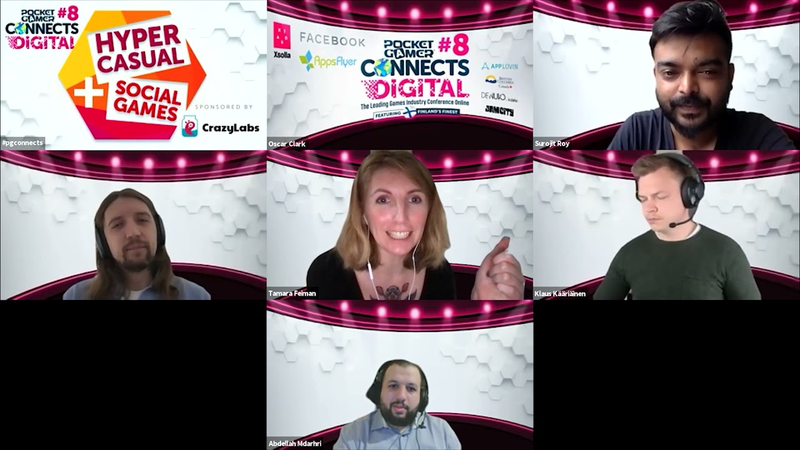
so we've had now direct developers publishers of everybody talking about uh about ideation uh about marketing about kind of creation um and now we're going to finish strong uh on this type of casual social games uh track with a star-studded panel can only say star-studded um led by the wonderful uh stephen lee this will be the uh final passion panel of the session um and this is going to be you know basically talking about what hyper casual games can can teach the world i guess it's going to be covering a lot of topics stephen are you there i can see you've got your background on i'm here nice to see you chris it's been a while it's been a while i've certainly been a while face to face uh i'm good to see that you've put you've kept very uh very trim in lockdown you've not where's the weight it's embarrassing you're letting the side down you're thinner than you were last time i saw it doom is zoom is definitely helping out definitely i need a filter i need a
better filter but uh no are you still in berlin stephen yes i'm in berlin yeah cool cool that's great we've had we've had people from we went from the last panel to talk from tokyo to new york which was great that was a is a cool thing we can do with zoom these days so um i think your panel is joining uh progressively then we've got jake again hara callum um oh houston that's i'm not i'm going to say that wrong however attempt to pronounce it and i think that's everyone's in rightly so i'm going to um i'm going to leave you to take it from here if that's okay i'm here in the background if you need me thanks um and we'll come back at the end to wrap up but uh over to you stephen and your panel thanks very much great well well thanks everyone for tuning in to this panel um very excited to to dive in with uh such an awesome group of experienced and success successful people in the hyper casual space this is the hyper casual track and um as an introduction um you know before
we get into the panelists i i just wanted to share that you know for myself um coming from the you know traditional game space and and for over a decade i was initially very uh skeptical about hyper casual games um i think maybe the first one was probably uh flappy bird in in 2014 and people were like what is this this is not really a game right and i think now i've been uh happily i've been proven wrong by a lot of the folks here in this panel today so i'm really excited to dive in and and hear their experience and insights and and understand um what hyper casual games can teach the world so with that um let's get started with introductions um uh as for myself uh you know at deca games we're basically a live operations publisher we help developers to take over uh operations of their existing live games we also acquire games we acquire studios as part of the embracer group um but enough about me um i would love for each of the panelists here today to also introduce themselves uh tell us
first of all where you are um what you're doing for work uh with hyper casual games specifically and if you can tell us i guess your your favorite hyper casual game or maybe the one that you've been addicted to most recently so we will start uh with ladies first and then alphabetically by first name so that means anjagul you go first hey guys thank you for inviting me it's great to be here and actually it's my first pocket gamer i'm a little excited about that and i'm i'm a publishing director at bloomberg's hyper casual external team and actually what i do is day to day i'm working with studios and you know on the ideation from the ideation to launching a game but i like to summarize my job as actually being able to publish good games so my main focus is that and
um right now i'm joining from turkey uh i'm living in izmir and yeah actually that that was all right as i started thanking i can't be you know um i mean i i will say shoe race because it's our uh first success with boom hits so and also we are so proud about that because we were just uh two months i mean we were together for two months with with the team and we never met each other it's like we worked online because of that current situation so it was a great success for us and also it's really female game so i would like i will i will stick with you thank you i'm up good afternoon everyone my name is callum i am the head of growth for snapchat so working with developers at all levels
from uh from small startups all the way through to triple a to launch ideate and and succeed with with gaming ua and growth uh based in london um been uh been working in the industry for about 10 years and my favorite game at the moment well i work with so many so i i don't want to kind of cast dispersions against anyone but the one i'm enjoying most of the moments rush house reading from good job games just super addictive and uh yeah just great fun hello uh i'm jake from quality i'm a senior publishing manager so i'm i'm kind of working with developers day in day out ideating testing games and and working through the publishing process to bring games hit games and great games to the world i'm kind of in a fortunate position at the moment where quality's latest release makeover studio 3d is number two and coincidentally it is a game i've been playing a lot of recently
um so that's my favorite hyper casual game at the moment but it changes pretty much daily thanks jake hey guys i'm marco i'm a senior publisher manager at joypack um fundamentally we're uh we're a hyper casual publisher we help hyper casual developers to distribute their games around the world and most notably also in china we have a very large footprint in china um and that's my core functional responsibilities for for uh the team my favorite hit at the moment is abc runner a little plug for a game we've also published but it is a fun game and i do like the slight educational twist to it so it's one of those games which i'm happy for my son to play versus some of the other things that you can see on the app store awesome thanks guys i i guess i should have known that most of you would plug your own games but that's fine that's totally cool that's why we're here um so i think um i'd love to to dive right in with you guys i think a lot of people tuning in today
are are obviously developers um there will be some that are already in the hyper casual space but um as we were planning for this panel i think we all agree that there's a high likelihood of people that are maybe not completely in the hyper casual space or are thinking about getting into it maybe they're not they're just here to learn more and and think about whether or not it makes sense for for their studio and their team so i'd like to start with sort of more basic high level approach for for these relative newbies that maybe are not as experienced as as some other people here so um what do you guys think that um you know what do people not know um about hyper casual games or or maybe someone from the traditional gaming uh market like a pc console mobile games are there what are the major differences what are things that you guys think people need to know if they're thinking about hyper casual games
my first thoughts are it's well it is the most downloaded game in the world right now i think that's one of the positives of hyper casual it's exploded since uh since the craze of of um a flappy bird um so on the positive side it's a genre of game which is very popular around the world um but the cost of that is that it's it's hyper competitive and um i think developers should really be aware just how just how mindful they should be with the ideas that they have because um there's a lot of failures in in in the industry before you can have those kind of successes that you see on the app store and i think um one should always be mindful of is that there are very few successes versus some of the some to get to that success takes a lot of time uh and you don't necessarily see that from the outside and um you know with um what we do at joy pack you know whenever we're presented with a game you know we're presented with a quality game that we just fundamentally don't
understand and it's through a lot of ruthless execution in data insight and experimentation that leads us to to potentially get hit title and that process is a long one and um and i think developers should be mindful that the game that they necessarily start is not necessarily the game that they would necessarily finish with at the end of that process i agree i think like it's it's a hugely data-driven market um so and a lot of games are right it's it's based on understanding how users are interacting with your game and and understanding how you can optimize that journey to better monetize i mean obviously if you're starting out completely fresh hyper casual games are ad monetized typically a much shorter core loop a much smaller core loop than than a traditional gamer a casual game or a mid core game and i think like one of the things that i love about hyper casual games is firstly how accessible they are that because they're mass market because they're they're not really targeted at specific audiences they're trying to capture as
big an audience as possible it means that the ideas the themes the concepts that you're coming up with for these games you're trying to to capture as many people as possible you're trying to capture as much imagination as possible and on top of that like it relies so heavily on game design and a mechanic that is enticing and interesting it's it's really like a playground for game designers to try new things and see what works see what's engaging see what see what doesn't work like it's always interesting and slightly heartbreaking to see a game that um i'm really confident in and i love and and having that moment where we test it super confident and then suddenly oh no it hasn't it hasn't worked out and understanding kind of what could have led people away from that so actually uh i mean usually i i worked with idnis in my career i'm i'm in hypercasual business for the last two years and the first year was always within this i had
bigger studios as well but you know in turkey there there are so many people that are interested in starting a business in hyper casual so i was talking with them and actually i i see there is two point of view one some of the developers and some teams they think hybrid casual is super easy and most of the time these teams they they are mid-core or casual teams and or some people they want to start they want to start their gaming business but they have no experience and they think the steam games it's like it's i mean it's something really cool to develop but hyper casual is so easy you know and uh but i think actually hyper casual is like a minimalism you know it's it's it has a philosophy and like their motto less is more actually it's not easy to you know um it's not easy to develop we need to find that cormac it needs to be interesting and it needs
to be easy to play but hard to master and it needs progression it needs everything and also because of our audience is really broad you know from 13 to 65 years old and all genders it needs to be interesting for so many people uh actually it's easier to develop in terms of time but it's not that easy to find a great type of casual game so it has the same struggles that's my opinion thank you i think just adding to what is saying i think from from our perspective when you look at the game creation itself is is relatively simple uh but it's such a competitive landscape out there that again it may not be an instant hit from the outset so it's a very much it's a trade-off between kind of the simplicity of getting a game to test in market seeing what the user reaction is like and then ideating upon that and creating a greater greater concept um
but again the competitive nature of the industry is such that there is so many people out there that are producing games of this nature that there is a there is a significant trade-off there as well super thank you guys um i think you've raised some really interesting points so there's a perception that development is really quick and easy which it may be but then maybe there's a lot more work under the hood uh to really make the game successful and so um i'd love to share more specifics with the audience so um from your guy's experience what is the typical development life i don't know a development life cycle or how long would it take you guys to typically develop a hyper casual game from start to let's say launch okay i'm going so uh actually i'm late today working with the studio in izmir and it depends on the game idea actually i mean sometimes it's really easy uh easy maybe we can have the first prototype in a week but
for some games it's like a month and um it's it's depending on the mechanic actually if it's harder to make and also the arts is important if it's harder to make maybe some games may take two months but uh i'm talking about the first prototype so even if it takes one week usually it's like the first prototype and we put more stuff in it and it takes one month to finalize the uh builds what do you experience guys is it the same yeah it's kind of similar i think it depends a lot on the size of the team and the scope of the project so what that that concept is obviously because hypercasually you've got such a broad net of ideas and and concepts and types of gameplay there are games that that can take a few days to prototype the the original the first version of it and get that tested and then there's something that can take
a week or two just to get to that point where you've got enough to understand what the market reception for is going to be and then as as you call said like going from there to building out all of these features obviously takes a bit more time it depends on the scope of the game how it's how it's kind of performed and what kpis you're hitting whether you need to improve something quite significantly or quite drastically and whether that's that's kind of worth the time yeah i echo something really similar we usually ask developers anywhere between one or two weeks for a prototype and usually from there we make an assessment as to you know what is the voluptuous quality of this game is there market fit um is it worth testing do we need to iterate further um and we need to answer all those questions before we decide should we put some more work into this game oh and what level of work do we need to put into it to put it into a state that we would like to for it to be in um so it's very case by case it really hinges on the idea and the simplicity of the idea if it's a very feature-rich idea then obviously that's going to take a little bit more time and then um i think callum raises a great keyword
of trade-off you need to really understand you know is it worth that time to put in the work or move on to another prototype that you may have uh under up your sleeve so it's really case by case but for a first portable one or two weeks to see initial concept there's also people like there's also ways that developers we work with work that blow my mind every time like coming up with an idea instead of kind of workshopping it and writing it down on paper and sketching stuff out just playing around in unity and making it happen there and then to understand all right what is it what does it feel like and quickly getting to the point where you understand the feel of that game it's amazing to see sometimes i've been sat on calls with people screen sharing just working through unity it's fantastic yeah that is a really nice part of the job actually seeing my idea from from paper and actually see it and actually having it on the phone in a very short space of time it's amazing what some of these developers can do if uh with unity these days it's a lot of fun cool and and from the development to
let's say the life cycle from from the experience that you guys have in in publishing hyper casual games how long do you typically see a hyper casual game sort of staying relevant in the market or continuing to earn money um useful to share some some uh solid numbers with the audience if possible so it depends on the game and how it performs when you you have that initial burst but there are there again we published a couple of years ago three years ago that still performing well still generating revenue for us so it's there is quite a long tale there in terms of the success for for the successful hyper casual games the ones that do capture essentially capture the imaginations of a huge audience they're able to continue kind of doing that over a long period of time all right callum you heard something yeah i was just wanted to say i think kind of adding to what jake was saying it's um there's no hard and fast rule as to kind of how long a game's life cycle is going to last for
if um if it's a hit it gets to the top of the charts and then you can kind of factor in the virality then of course you're going to see a game that lasts for longer some of the things that we're now seeing on snap is that a lot of the legacy titles now are starting to come back to the market just again to kind of give people variation as well so working with a lot of our partners that we're seeing not only on kind of launch phases through to kind of um now kind of relaunching almost kind of a retro the the retro and the retro kit all right i'm seeing a lot of questions coming in from our audience which is always really exciting so i'm going to keep the content moving um so i guess just to wrap up for developers that are you know thinking about dipping their toes in the hyper-casual market what advice would you guys give to a studio that's thinking about getting into hyper-casual i think marco you you alluded to some of this earlier in your statement when you you kind of you know said that it's not as easy as people think but
um you know do you guys have any experience for or advice to give for you know people that are let's say coming from other gaming areas and and trying to transition or to experiment with hyper casual so i hey it's definitely worth doing um i think as you go mentioned that like the games themselves are easy to pick up and half hard to master and i think that applies to the development process and the understanding of hyper casual games themselves like it's it's it is pretty easy to get started in hyper casual games you can start playing around in unity with any game idea like it's quite freeing to be able to play around with any game idea and see if you can make something that feels and looks great from it and then as you as you work through that and start getting experience you start to build up this understanding this knowledge and you start to master hyper casual and start to understand okay these are the kind of things that fit into a lot of concepts but every concept is totally different in order for it to work and stand out from the crowd
i think for me i think i would always you know for anybody wanting to start on hyper casual just to embrace the mindset of trial and error and um you know don't be be afraid to to kind of wrap up whatever idea you're working on and move to the next one quite quickly and don't be afraid of that and don't be afraid of data giving you the insight that you need to inform a better decision i think it can be quite hard if you've got a really nice idea that you have quite close to your chest that you really want to get out but for whatever reason it isn't a market fit you've got to make that tough call to say well you know maybe we should park that and move on to something else um because as as we leave so earlier there's a huge checklist of requirements so for a for a hyper-casual hit it's the toughest genre in the industry and everything needs to be on point um to get to that to um to to get to that moment of scale um so just uh embrace that and uh and enjoy the process because it is a very quick to entry market in the sense
that you can build prototypes very quickly you can partner up for publishers that will give you some some runway to to test your ideas but then the following steps you know it's the hard work i think the most important thing about this you know they need to research because we we have to admit you can't win the war at the table you know you need a strategy and usually what i encounter with new starters newbies they they have a couple of ideas but they they are not checking if you know three years ago a game uh became a hits with that idea and also i mean they need to research they need to do their homework and then they don't um sometimes they are attaching uh with their ideas too much i mean they love their idea and they believe it's gonna be a successful game in terms of casual and mid-core maybe it can be you know
it's totally different markets but in hyper casual if it's not trendy it's a not so big chance and also i mean what i want to say please don't uh don't feel so strong about your ideas because we are i mean all people here i believe we we are producing so many ideas and we kill them we are not getting connected with them and we have to do this i never see someone experience saying oh my idea is perfect how do you kill it you know it's really normal you need to kill 100 idea for getting one hit so please accept this and also please keep it simple usually people are gamers they want to be in that industry and they think if it's complicated it's a good game no in hyper casual if it's simple then it's a good game yeah i think one really strong bit of advice is like
there's so much content out there from events like this and talks where multiple publishers are giving advice on hubber casual games in addition to that there's loads of history of hyper casual now because it's moved so fast over the past few years that there are plenty of games out there that you can play to start building a solid understanding of what a hyper casual game is as you're starting to tool around in unity and play with different mechanics and play with any ideas that you've got so yeah it's worth learning and working on at the same time awesome feedback guys thank you so um you know a few of you have mentioned you know do your research do your homework and look at the market look at the trends um this brings me to a question that i had that that was also echoed by one of our the people tuning in um what happens when you you have a game that's essentially copying or cloning another game how big of a challenge is this and how are you guys tackling this in your respective roles
i mean i'm starting guys um it's um for me it's a no you know copying is i mean we always use that methodology it's scamper it's like uh combining emerging games actually you know successful game mechanic merging with a different trend that's something we use and our developers are using it's actually it's a game design methodology so it's okay but if you are copying something else i i don't want to work in that project you know because it's not unique it's not your idea and usually copycats never work i mean so it's not profitable as well yeah like publishers have got people dedicated to dealing with clones of games like we've got people dedicated to dealing with clones of our games but like handling all of that stuff for our developers i think like if if you're going to create a clone or a copy of the game
do it to learn about hyper casual and learn about the feel of that game and and how to create that feel but don't expect it to be a huge success if you're copying a game that's already been massively successful it's already been massively successful it's not really going to work it's not it's not worth investing a huge amount of time in but if you're completely new to the space there's there's something to be said for using that to kind of build your understanding and build your knowledge without necessarily making it something that you attempt to be a here it's something that you can use to build your understanding and then move to the next project where it's an original idea it's your idea and you're creating something new right i think um one of the attendees asked a related question which i'd love to throw to callum so the question was do you think there should be tougher rules around game cloning so from a platform perspective or not as a you know from your unique perspective in this panel um what do you think about that one callum super interesting question and i think from our perspective we have to we have to remain wholly agnostic i think there's no
from our perspective um we we work very very closely with our partners um and again if there's an open question around anything that that is certainly questionable or underhand again it's something that we would have to take on a case-by-case basis i have to say in all sincerity it's a it's a very very rare thing that i've encountered um again a lesson to less than one hand i could probably count the number of occasions that i've kind of been involved in a question like this or or a query of this nature but again we would deal with it on a case-by-case basis and and kind of um sync with all those involved of course i just i just want to add that you know a copy is always going to be a derivative of the original so you're always just going to make you're just making a little bit harder for yourself right from the outset and i think there's a big difference between a copy and taking having influenced by something so if you look at i don't know if you want to take an analogy of the hip-hop genre hip-hop is a you know a mishmash of lots of different ideas that have been made previously but
kind of wrapped in a different way and formed in new art and i think um you know that approach is okay and to echo callum's point um you know we all we are agnostics all ideas but um you know i think direct clones is just not something interesting because it's it's already it's already been done it's already out in the market and you know you're already putting the economics more out of your favor so i'd always try and get something unique from the beginning been done and it's it's not gonna scale yeah i think we're all in agreement on that one thanks guys so uh marco you brought up an interesting uh idea about metrics earlier and and this is a question which a lot of people tuning in right now are really curious about so um from your positions in the hyper casual space what are some key benchmarks that that you can share in terms of what you're looking for uh or you know what are the what are the key kpis so for example you guys
launch a soft launcher game um what are the what are you looking for in terms of retention monetization for example cpi's whatever would love to hear some some actual numbers and rather than dancing around if possible thanks yeah i mean there's two there's two um main buckets of that one is the kind of the marketing metrics that we look at so on the creative side so from there we're looking for a low cpi but also we pay close attention to the install rate of those creative campaigns so cpi's you know we're looking at anything less than 50 is good um or something to work on on to improve and then on the on the gameplay side you know i think d1 is is very important um and anything i put to 40 percent we we take some interest um and that's yeah that's that's pretty much it to be completely frank you guys look at obviously d1 is super
important do you guys even look at like let's say d30 or you know something like that or is it mostly about the db1 we do look at d7 as well um but from prototype phase i think you know we skew a little bit more attention to d1 to d7 and then we kind of pay a little bit more attention to d7 once we've iterated on the idea a few more rounds but not d30 it's something that we don't look at because of the nature of the game it's a very snack type game and uh usually most of your gameplay sessions are happening within a 10-day window anyway i think just just to add to that i think every game is so fast i'm gonna muddy the waters a little bit because every game is so vastly different uh every game play is slightly different and the target audience is going to be slightly different but everything is governed off the back of the creators that are produced and driving driving driving click-throughs and driving in-stores is absolutely critical to kind of boost to lowering the cpi's ultimately so if we can see a strong day one retention that's great but again it's the it's the creative iteration it's so absolutely important
in order to try and drive user you you use your interest in user engagement from the outset and the lower you can get that the the obviously the better the ultimately the better the initial uh cost and uh versus performance so i think from our perspective we will do a lot of work snap and and with and and with other supply partners as well that they will have a platform where they can do soft launches they can do creative and testing uh in order to be able to ensure that we've got the best best start of creatives uh ready get ready to go when launch happens because the first week when you're trying to drive a game up the charts uh and as far as kind of as little cost as possible it's all going to be governed by uh by creative and as a result of that performance therein as well thank you for that um just want to throw in a note for the panel is that we're getting a lot of questions some of them we may not be able to get to so if you feel like uh answering some of them through the the q a please feel free to do that as we as we go um but uh otherwise i'll try to get to
them as soon as possible um so you guys mentioned you know having to to go for strong you know d1 retention i think you said 40 percent marco um so for from a developer standpoint um what happens if you know you launch a game if you launch a game with one of you guys and and the d1 is not there um what are their what are their options um do you guys just say sorry thanks but no thanks or are you going to be working with them to to try to get that up or i just love to to map out the the typical outcomes for people tuning in i think again it's it's quite a case-by-case thing um so it depends on it depends on the stage the game is at so how much gameplay is there like how is there enough content for people to come back um the next day um and in addition to that it depends on like can you can you see a path to take this game down that could bridge that gap so say you've got like a 20 day one retention is there something you can do that can can increase that
like double that retention um and and there are some games where okay we're still quite early on in the development process there's a significant change we can make that's worth a shot and there are some games where you you've tried a few different things and and kind of inched up that that day one and it hasn't quite reached the point where you know that it needs to be in order for it to succeed so there's there's always a point where you've got to kind of make that data driven decision to go okay it's not it's not worth spending more time on this when we're just kind of trying and almost like banging your head against the wall trying to make that difference when you could spend that time working on something new that gets there much faster right okay so um what do you guys see as the biggest challenges uh or threats for hyper casual i mean has has the industry has the hyper casual industry peaked what's going on what do you guys i mean obviously there's a few things we can dive into but i'd love to get your quick very quick thoughts about what you think is the biggest challenge facing your industry at the moment i'm more
than happy to to start this on so i think with the uh the apple the apple um announcement yesterday the the imminent um kind of enforcement of att that we're going to see a level setting of of the marketplace again it's uh it's a huge unknown um the fact that now we're having to drive uh user consent um is is a huge huge step in the industry um and so from that perspective yeah we feel that this is going to be the next big big challenge and speaking it from a user acquisition standpoint and a growth standpoint and snap we feel is is incredibly well prepared in order to support anybody that's uh looking to try and navigate this very uncertain time from our perspective we feel it's a natural kind of progression of the industry snap is fully privacy by design and it's a natural segue into into the kind of ecosystems maturity so if there's anything that we can do to kind of assist when it comes to growth strategy please let us know
i think on idfa like all of all of hypercasual is kind of in the best position of the industry i feel for rdfa to come in while the the ios 14.5 updates come in because we're not using in order to determine the success of a game you're not using a huge amount of targeting in the first instance you're trying to get as many people as possible so of all the industries of all the like the types of games that you could be working on hyper casual is one that i feel is in the best position to handle it obviously there's going to be an impact um but i think i think hyper casual will be able to handle that impact quite well cool thanks a lot guys and i think um yeah i think let's let's just get to the big elephant in the room which is idfa i mean if you guys um you know have a specific thing that your your companies are doing to basically cope with this or advice that you can
share with developers i think now is the time to very quickly touch on this i don't want to spend too much time on because there's way too many questions coming in but please feel free to fire away if you have a specific thought on idfa i think everyone's everyone's making their games compliant with the new regulations right that's the the first thing to say um outside of that i think like there's a period of continuing what we're doing and understanding the impact that it has and understanding that how much of an impact there is because it's still quite an unknown right until it until it happens we then start to see what difference it makes and i think as i said like hyper casual is set up to in the first instance at least not make a huge amount of use of that targeting to start understanding like how much scale can we get what kind of mass audience can we get for this and so i feel like we're in a good
position and hyper casual will obviously the whole industry is going to kind of change and grow and adapt to it i think it's just too early to call and it's a it's another wait and see movement and the seismic change that we're going to every app developer is going to um going to experience i think i've got more chance telling you guys the success success of the super league versus uh ios 14. um but i to to add to jake's point i think we're in a we're in good we're in a good position because you know hyper casual games for them to be successful they need to be mass market so um you know you need to you know irrespective of the targeting qualities uh the kpis need to be right for a wide demographic so we don't anticipate too much um friction from the update in all honesty i think from uh from a growth perspective um the the supportive skt network making sure that you've got your conversion values mapped with the mmp is absolutely critical um
in order to be able to kind of kind of navigate a post-idea fake world hyper casual is in the good place because again for targeting generally speaking is very very broad but you obviously it's super important that anybody that you're working with we're able to kind of understand where those installs have come from so in that regards make sure yeah in getting set up work closely with your mp work closely with your supply sources make sure that you've uh you've mapped your events correctly and and the conversion mapping is set up that's our biggest our biggest ask so from uh from challenges to uh facing hyper casual let's move on to some opportunities um in in planning for this panel we had a nice conversation last week and and i asked you guys you know is it possible for a developer to um you know succeed without a hyper-casual publisher can they work can they succeed on their own um ashoka you mentioned a specific example in turkey which i i think brings up an audience question as well so um
you know turkey and istanbul seems to be a really hot gaming hub right now in hyper casual so is there any reason for this what's the secret sauce if you can share a little bit of a little bit about that that would be super interesting thank you of course i think it's because of the demographics of turkey i mean we have a young nation and uh most of the guys i mean people they are studying computer engineering actually we are not so great at art sites to be honest uh usually turkish studios i mean what we have as a source uh most of the time development capacity so these guys they want to start their their own businesses and because of the turkish economics actually it's uh it's a right place to you know start your business life and also i think we are gamers i mean since childhood i was a gamer all my friends are gamers so
we we love gaming it's also another reason um and what's about publishing games by themselves i mean i i like to work with professionals i you know right now i'm a publishing director i'm in this business for two years i'm testing so many games i have some successful titles but still i need my team you know i i don't feel like i can be a publisher at all so i mean um it's a really big teamwork so there's a creative side of it there's a publishing live ops and market research game design you know it's a really really big team and i think working with professionals for all these levels it's really important there's an example in turkey as ruby games actually they published their first title with a publisher and then they learned from them and then
they started to do publishing and they are successful it's an awesome example but uh i think they need to learn first and this this is um possible with working with a publisher closely and publishing a successful game first to you know learn the procedure thanks asheville so um within the few minutes we have left i'd love to move sort of more towards looking forward um towards the future and let's talk a little bit about uh what's coming for the industry what you guys see coming in terms of trends there's a lot of questions in the q and a panel about opportunities for innovation in hyper casual if there's something you guys see or if there's any examples of hyper-casual mechanics being used in other verticals like education health well-being etc so um let's brainstorm a little bit or share your guys's thoughts on future trends where do you see hyper casual uh headed in terms of the trends um the
type of game and also um maybe you know branching out into new areas who wants to start i think if i need the trend of of gaming i'd be a very rich man right now um i think uh one thing is of um obvious is that the quality is getting it's getting better i think it's becoming a little bit more easier to build a quality prototype than it used to be maybe four or five years ago um you know there's lots of great assets in the unity asset store for instance um the unity game engine is getting a lot more sophisticated you can do a lot more complex things now in much shorter spaces of time so um i think that's one obvious thing we'll see um in the coming years is that just that little bit extra of kind of polish that we'll see from prototypes is just getting that little bit better over time um and maybe change it can change the
genre because you know the look and feel of the game is very important and in some cases you know you you can get hyper casual game that may look like a mid core or a casual game so it might change your genre maybe i think there's also a really good kind of mindset so i used to work in um like it was kind of across media and entertainment education and different like client based apps games and websites a lot of stuff was like educational for kids and there's there's stuff that i learned at in that job that was focused on making educational games and making sure that it's easy to understand the content and get that point across really quickly and succinctly and in a fun way that keeps people engaged and i think a lot of that stuff is kind of transferred across into what i'm doing in hyper casual now in terms of making sure that the core of your game like the gameplay is understandable it's easy to understand there's this mindset of making things as easy to understand for as many people as
possible and i think that kind of approach can lend itself well to things like education things like health to help build products that are easy for people to pick up and easy for people to learn from but build from hyper casual games and all of the expertise of hyper casual developers i mean for me my observation is like um plus jake and marcos said you know it started to become more complicated i mean people started to like multi-mag games you know multi-mechanic games different trends for example shoe race it's a runner game with option choosing i mean it's like combining two different mechanics actually so i realized that people nowadays like these kind of different approach to games so i feel like they learned playing games you know
because hyper casual is bringing new audience to gaming every year so right now they want more complicated but still simple ideas excellent so um believe it or not we're actually running into our final few minutes so i'd love to give each of the panelists here today a chance to share a final thoughts about hyper casual games whether it be something that you feel like you've learned which is really valuable for the audience or maybe tackling one of the outstanding q a questions or um you know a final point that you want to drive home in terms of how people should be thinking about it i'll give each of you a chance so feel free to to start whenever you can i'll happily stop from from my perspective um it's been a pleasure thank you very much for for everybody's
time today uh it's been so hugely insightful and an opportunity to share i think from from my perspective the oppo the the market is about to reset and there's a huge opportunity to kind of level set going into it into a new post-idea fake world when we look at it from a growth standpoint uh it's such an exciting world out there that when you ask about the genres of hyper-casual types of games that's the beauty of this industry right that there is there is no one set genre there's no one set time style of gameplay which is going to win out anybody can produce a hit title that's the beauty of this whole concept i think from our perspective what snap's trying to do is trying to ensure that in order to be able to navigate podiate post idfa world that we are able to kind of hand hold and set up people for success there is a lot of unknowns out there there's a lot of there's a lot that apple hasn't said to us which we kind of or everybody's having to discover for themselves you can take steps in order to try and best position yourselves to minimize
the disruption that's coming um and if there's opportunities that we can we can help with that uh with that communication and with that kind of kind of set up guides and readiness guides then please do reach out but again next week is not just going to be a hard stop right it's going to be a reset and it's going to be an exciting time if i can i want to answer this question about hyper casual finding itself with negative connotations in the industry so someone's asked hyper casual consensus find itself with negative connotations in the industry how do you think the conversation can change on this so i think a lot of people used to used to see hyper casual games in the same way like they're ad monetized are they just just games full of ads there's not much to them i think one thing that got me really excited about hyper casual games is the fact that there is there's such kind of precise design to them and such such great feeling to every hyper casual game that scales the charts and succeeds
and you can see that from a very short video of that game i think the way that that conversation changes is people make fewer clones and stop trying to make clones work because most of the time they don't um and focus on the things that make hypercasual games great like they're games that allow anybody to play allow anybody to understand what what a game is and start introducing new people into the industry get people excited about making games get people excited about playing games i think there's something really great about growing and building the number of gamers in the world and people that don't identify as gamers and call themselves gamers they're playing hyper casual games they don't they don't think they're a gamer but they're they're playing hyper casual against they've always they've all got time to play these games it's a fun little world to kind of let go of everything else forget about everything else wait for the bus sit on the toilet make a drink um like there's time to play all these games and i think it's a great thing to see hyper casual games bringing people into
that ecosystem as a final remark i just want to just to remind developers just don't be afraid to to reach out to a publisher like ourselves or or anyone if you have a good game idea i mean publishers are there to help you to um to get your your game idea out there um you know the vested interest is very much mutual um i think you're just alluding to your earlier question stephen about you know can you do this on your own sure you can do it on your own um but you know those are a little bit more against you you need a little bit more luck and a little bit more runway to support you what a publisher can bring is essentially um you know a financial contribution and also saving some time as well which is fundamentally important um for you to um get some results on your on your game quite quickly so um just as a shout out and plug into yeah i guess everyone here on the planet you know we're here to help and i want to thank you for having me and also
like michael said you can reach others on linkedin we are using it really actively i think all people are using it so thank you very much guys uh yeah i'd like to echo that um i've been involved in a lot of panels over the years and i've never actually seen so many questions come in during a panel so i want to thank the audience that's tuning in right now and i want to say that yes definitely please reach out with your questions i'm sorry we could not get to all of them but reach out to ajikul jake callum marco do not reach out to me about hyper casual because i'm not an expert here but um you know you can find us through the meet to match through the discord obviously chris i don't know if we have a few minutes if so maybe we can try to tackle one or two more but if not yeah i mean you you're the you're the end of the track mate so if you want to if you want to tackle one more you can do that i don't it's up to you okay do you guys see a question on the on the open questions that you want to tackle in in the next one or two minutes
just to help out uh the people tuning in actually there is one how are you dealing with facebook ua becoming inefficient in the last few months so we have snap [Laughter] actually we have other networks and also facebook is still uh working efficiently for uh games but i think every game has different crowds so we need to analyze the uh analyze the audience of game and use the um use the right platform for it actually what we should do is that's in my opinion maybe because you want to add something to it from from my perspective it's about diversification right um so facebook isn't uh and google aren't just the duopoly there are a lot of other really excellent supply sources out there snap being being very much one of them i think when you look at the the
marketplace as such there is a lot of opportunity out there to uh to get very much differentiated demand across multiple sources and it's it's called a media mix for a reason right it's an it's a mix of different sources and i think this is all important um snap is is is one one that's coming to the fore and uh especially uh across a multitude of genres within within gaming from from hyper casual to hardcore um we've got an audience and and an audience size that we can cover awesome let's see if we can tackle knock out the one or two more so i think two of the questions revolve around sort of the the evolution of hyper casual games are they some of them are going more more mid-core with more you know deeper features and mechanics and some are going more casual so where do you guys see the market headed is there such a thing as two casuals there's such a thing as casual core um i don't i don't really see why it's like you know uh they need to be labeled but i'd love to hear your guys's thoughts on
this one i do kind of feel like there are too many labels for different types of games um hyper casual games like those the way i see it that they're focused around this core mechanic they're focused around something that's really satisfying and with with kind of minimal meta game around that um games like archero i feel like they're they're casual games that have been marketed quite effectively um in the same in a similar way to hyper casual games and so taking on board some of um core themes and commonalities that you see in hypercasual game ads that really showcase the core mechanic and showcase how easy it is to play that game um and easy how easy it is to understand that gameplay and i do i i feel like there is there's going to be some hyper casual games that lend themselves better because of the theme because of the idea lend themselves better to a longer gameplay loop and and some that lend themselves to very quick and short bursts and both i'd still see as a hyper-casual
game and and i worry that going through kind of like terming everything as okay this is a casual core game this is a hardcore game this is a mid-core game it starts somebody the water's a bit rain can i just wanted to add something a little a little bit anecdotally if you don't mind i think one of the things that we've done at snap is in order to try and boost engagement boost retention is we've got a developer toolkit called snapkit which is on snapkid.com sorry awful plug um but we've got kits now which include bitmoji kit where you can now start to render your bitmoji character which is synonymous with snaps and snap emoji you can actually start to render this in the game and again it just boosts the engagement and the stickiness between snap and and the developers app so go take a look it's uh it's something now we've started to roll out and there's been a really really great adoption of it well thank you guys so much um i think we're pretty much up on time so yeah so i know you could go on uh and
you guys are it's very interesting as well later on and thank you so much for being so generous with your insights and uh sharing some numbers and some data and and and talking on all sorts of topics so uh i think we will we will wrap it there and let you go off and have lunch and and people can grab you in the uh meet to match or the discords but but thanks so much steven for for hosting that um and thank you to jake and ice girl fantastic you are by no means an impostor uh so congratulations on your first uh thing and to callum and marco thanks guys uh that's everybody i think so great your girlfriend is litha thank you for your time this morning um and i'm going to just wrap up this track now so thanks chris thank you everyone my pleasure
Summary
Hypercasual gaming operates as a highly competitive, data-centric sector that prioritizes rapid prototyping and ruthless execution over traditional long-term development cycles. Success in this space relies on a design philosophy of simplicity, where mechanics are accessible to a broad, global audience yet offer enough depth to sustain engagement. Rather than relying on intuition, studios utilize a rigorous testing framework to validate concepts within one to two weeks, frequently abandoning underperforming prototypes to focus resources on titles with genuine market potential.
Key performance indicators serve as the primary arbiters of success, with industry benchmarks typically requiring a cost per install below $0.50 and Day 1 retention rates near 40 percent. While the sector historically favored quick, iterative cycles, the current landscape is shifting toward higher production values and more complex, multi-mechanic gameplay. This evolution reflects a broader industry reset, moving away from the saturation of clone-based titles toward unique, high-quality experiences that can maintain relevance in a post-privacy-centric advertising environment.
Despite the challenges posed by privacy regulations like IDFA, the sector remains resilient by leveraging its inherent mass-market appeal. Developers are increasingly diversifying user acquisition channels and integrating deeper engagement features to mitigate operational risks. Looking ahead, the principles of hypercasual design—specifically the focus on immediate, intuitive engagement—are poised to transcend traditional gaming, finding potential applications in sectors such as education and health. This transition marks a maturation of the industry, where the boundaries between hypercasual and more complex gaming models continue to blur in favor of sustainable, data-informed growth.