Key insights
5 slides
Beyond gambling
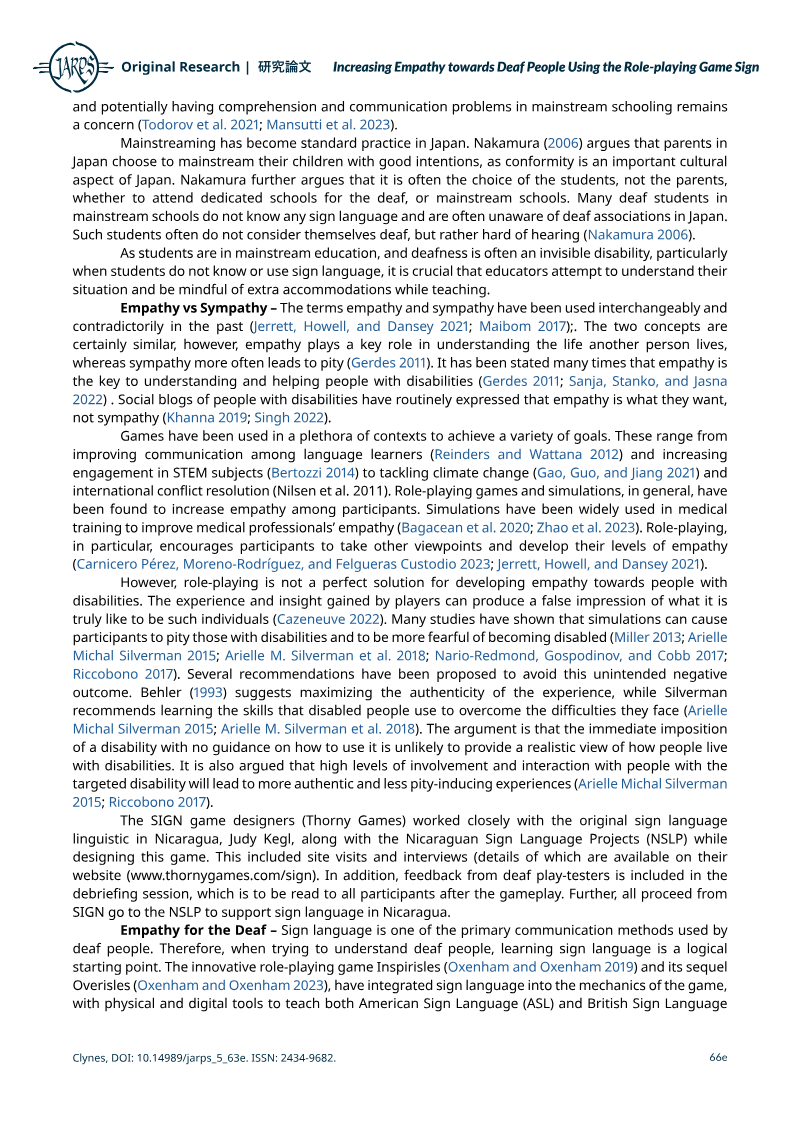
Pachinko is a significant economic force and a primary site for neighborhood leisure in Japan.
The practice extends beyond simple gambling, functioning as a pervasive form of social escape. It is deeply integrated into the nation’s social fabric.
1 / 5
- 01Pachinko functions as a massive economic force and a primary site for neighborhood leisure in Japan, extending beyond simple gambling into a pervasive form of social escape.See it on page 3
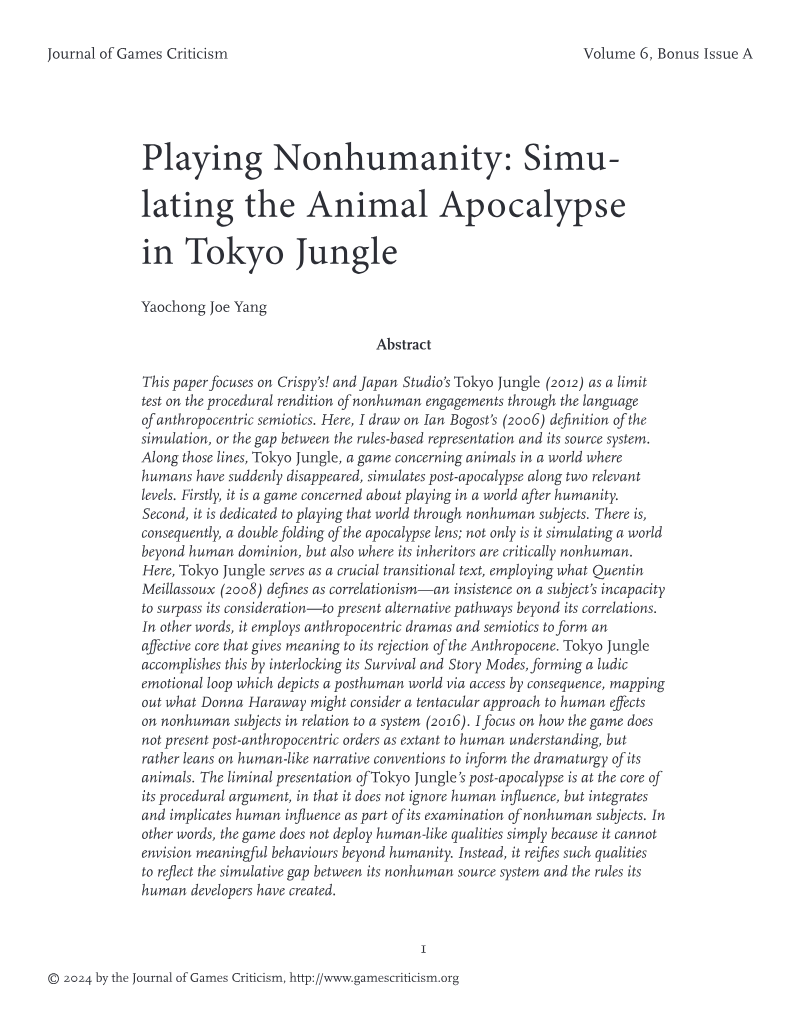
- 02The industry operates within a complex legal gray area in Japan, necessitating a nuanced analysis that balances police regulation, economic influence, and player psychology.See it on page 7
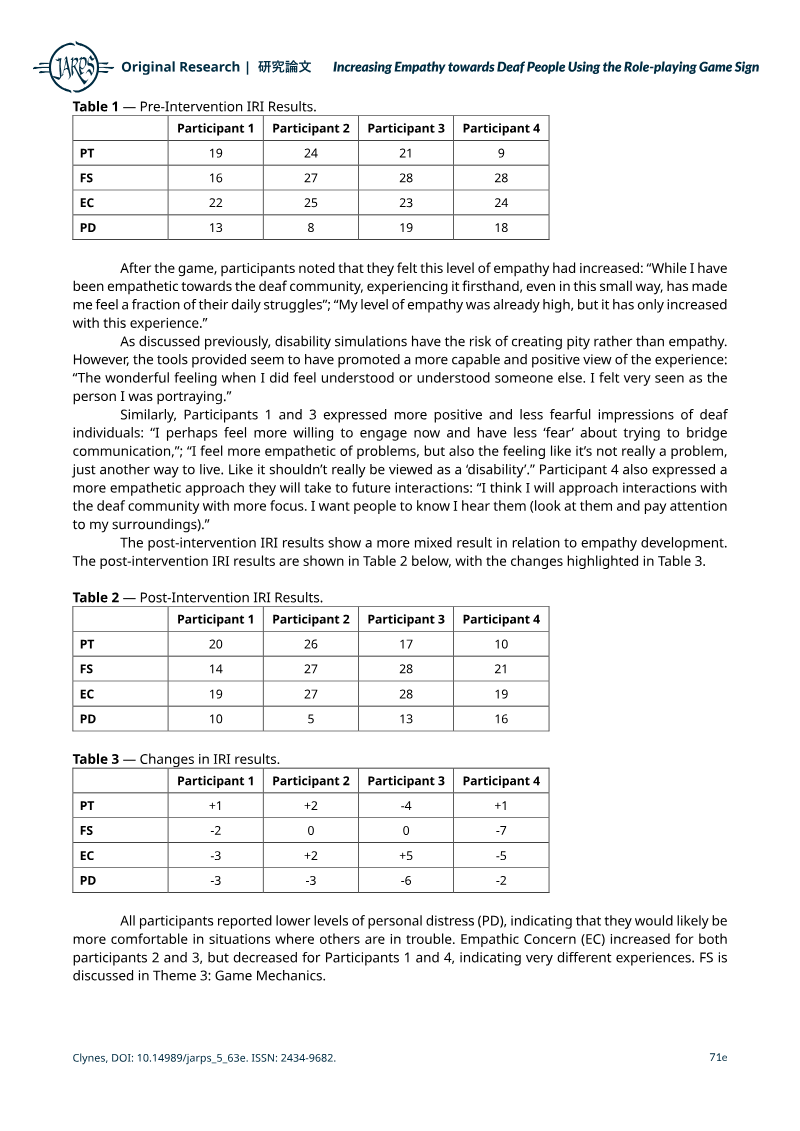
- 03Pachinko’s design utilizes intense visual and auditory stimulation to maintain player attention, sharing mechanical parallels with global electronic gambling machines.See it on page 9
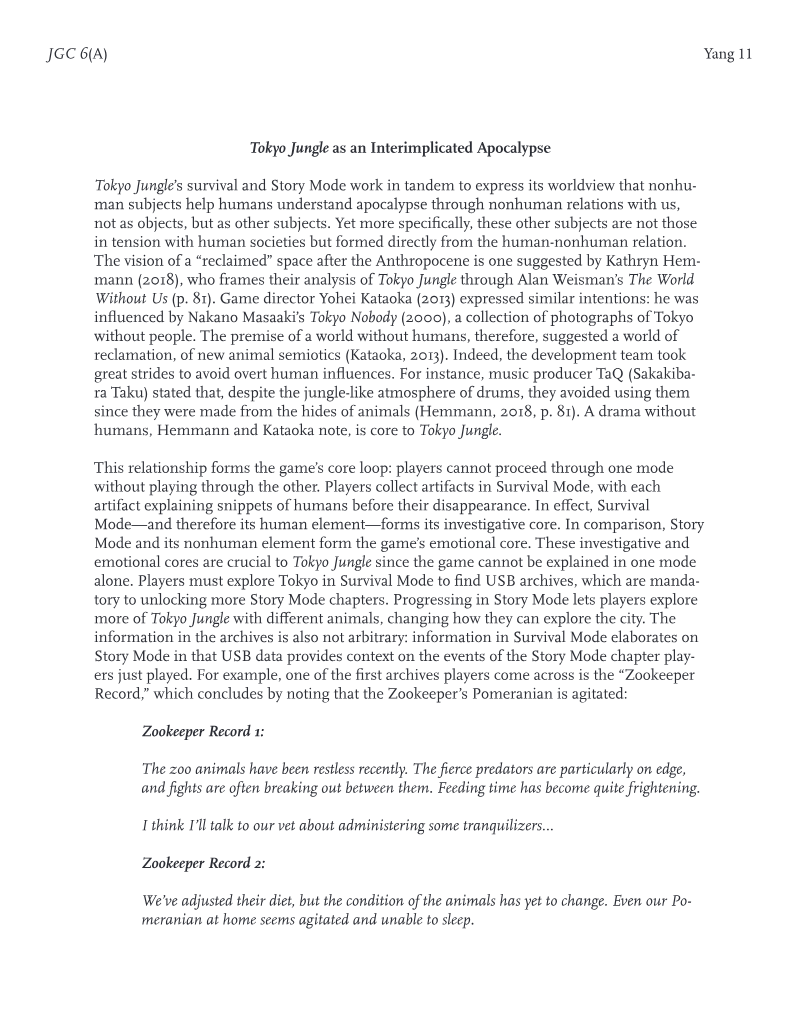
- 04Academic inquiry into pachinko challenges the reductive Western tendency to view the practice solely through the lens of addiction, framing it instead as a significant transmedia and ludic phenomenon.See it on page 2
- 05Experts such as Geoffrey Rockwell and Keiji Amano argue that pachinko is a legitimate object of study for understanding how localized amusement industries shape societal behaviors and interactive media evolution.See it on page 1
Ask AI about this article
Summary
Pachinko represents a significant ludic and transmedia phenomenon that extends far beyond its common classification as a mere gambling activity. While the industry operates within a complex legal gray area in Japan, it functions as a massive economic force deeply integrated into the nation’s social fabric. By serving as a primary site for neighborhood leisure and immersive, zone-based play, the medium occupies a unique position in Japanese culture that warrants serious academic inquiry. The core thesis posits that pachinko’s blend of spectacle, chance, and cultural ubiquity makes it an essential subject for cross-cultural game studies, challenging the reductive Western tendency to view the practice solely through the lens of addiction.
The mechanics of the game rely on intense visual and auditory stimulation designed to capture and maintain player attention, creating a highly immersive experience. Although these design elements share striking parallels with global electronic gambling machines, the practice is better understood as an accessible, affordable form of social escape for the Japanese public. The industry’s longevity and cultural integration suggest that its addictive mechanics are not merely incidental but are central to its function as a pervasive form of entertainment.
Spanning the contemporary Japanese amusement landscape, this analysis bridges the gap between digital humanities and the cultural economy of specialized gaming industries. By examining the intersection of police regulation, economic influence, and player psychology, the research highlights the necessity of treating pachinko as a legitimate object of study. Experts in the field, such as Geoffrey Rockwell and Keiji Amano, emphasize that understanding these systems provides critical insights into how localized amusement industries shape broader societal behaviors and the evolution of interactive media.