1 free read left. Create a free account for unlimited reading + AI research.
Create free accountWhitepaper Ludic Language Pedagogy
1 free read left. Create a free account for unlimited reading + AI research.
Create free accountWhitepaperLudic Language Pedagogy
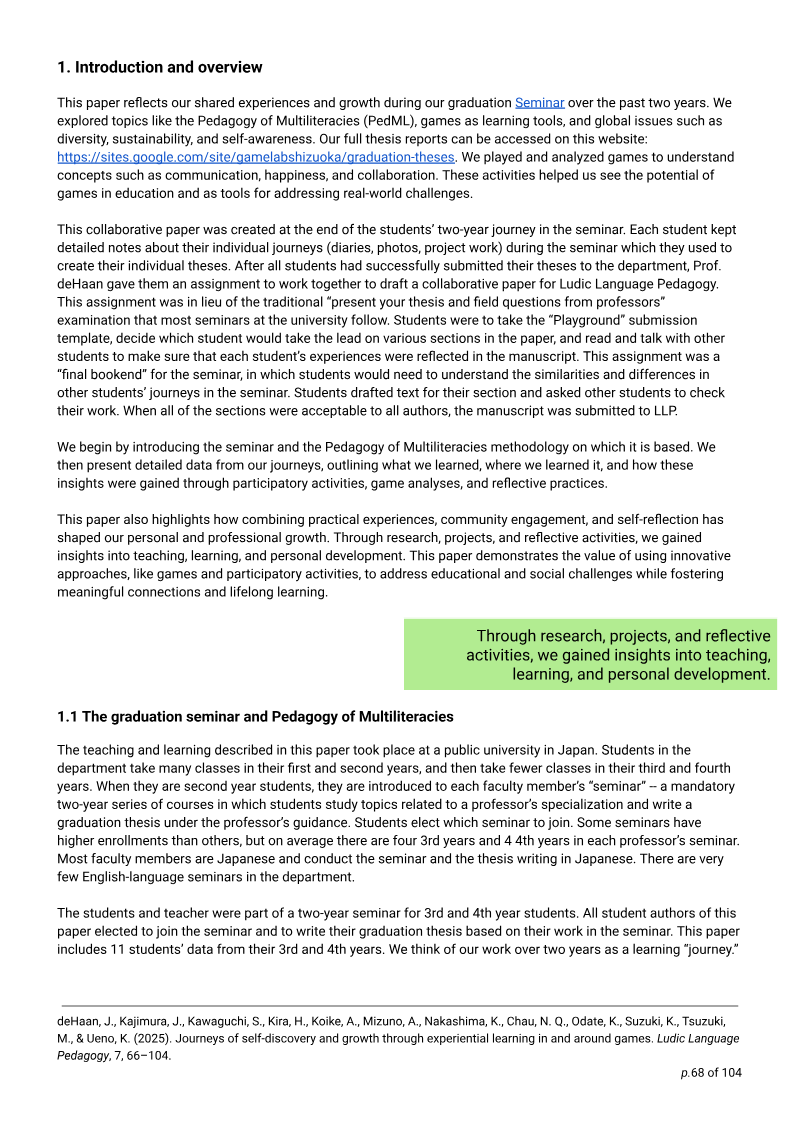
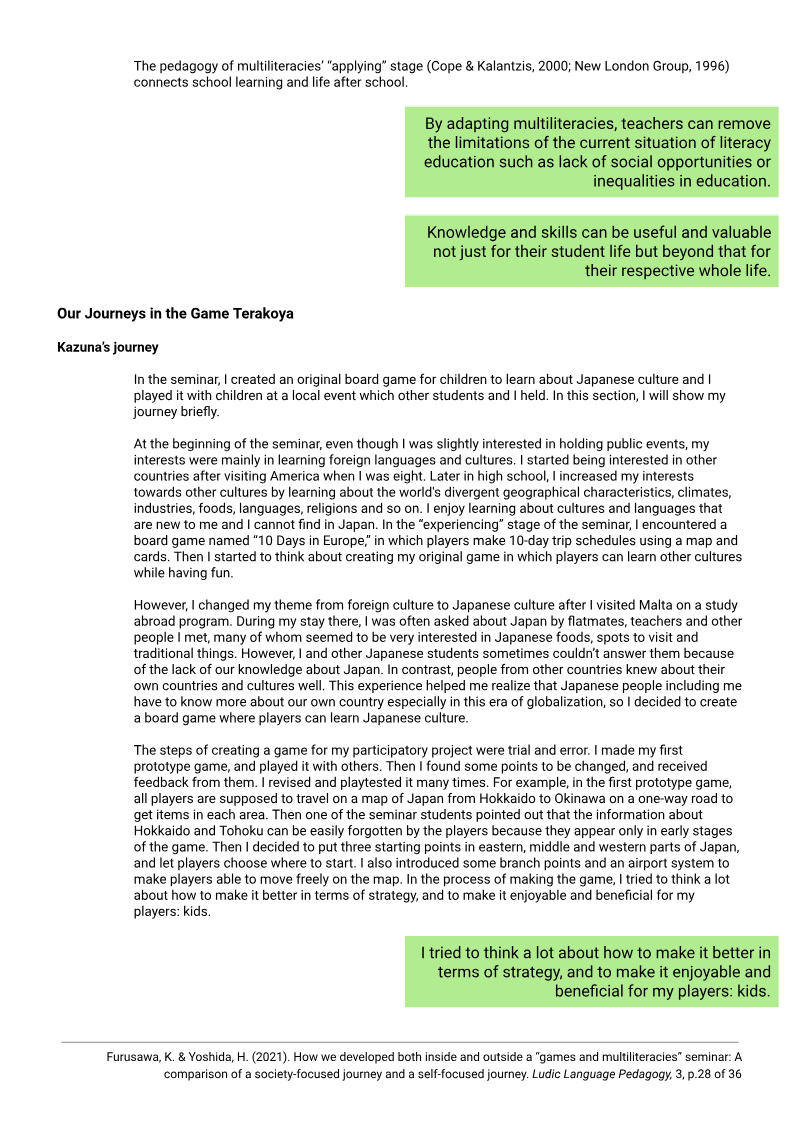
This framework structures learning through experiencing, conceptualizing, analyzing, and participating. It moves students beyond passive consumption to active contribution.
Framework focus. The Pedagogy of Multiliteracies framework transforms game-based learning by guiding students through a structured process.
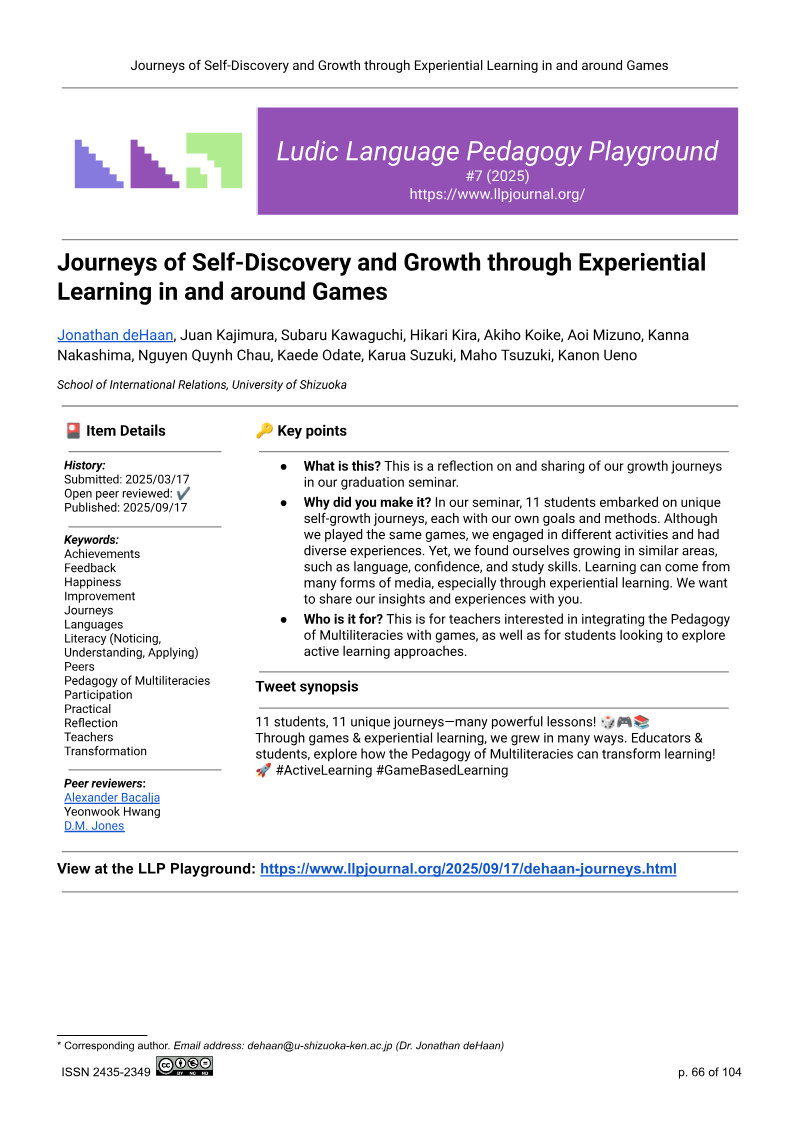
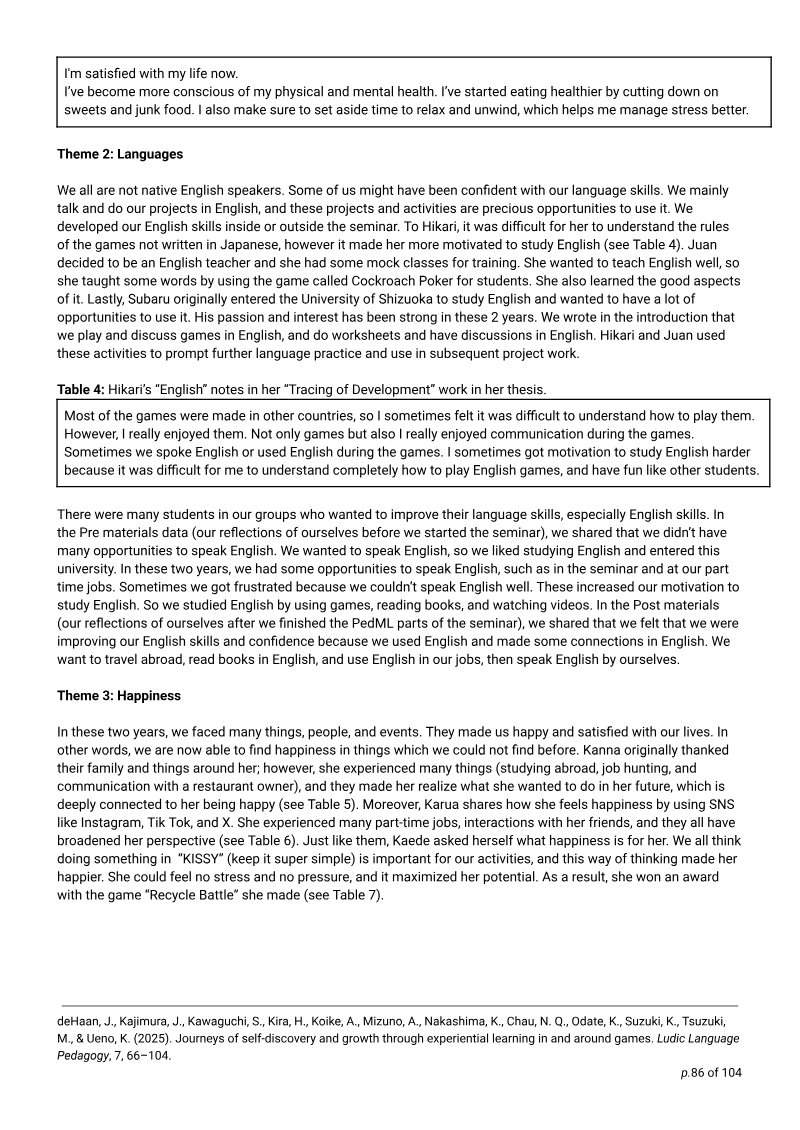
The Pedagogy of Multiliteracies framework serves as a transformative educational model when applied to game-based experiential learning. By guiding students through a structured process of experiencing, conceptualizing, analyzing, and participating, this approach enables learners to move beyond passive consumption toward active, meaningful contribution. Over a two-year period, university students utilized this framework to engage with games not merely as entertainment, but as catalysts for deep self-reflection, research, and community-oriented projects. The core thesis posits that when students are granted the autonomy to pursue passionate interests within a supportive, collaborative environment, they achieve significant personal and professional development.
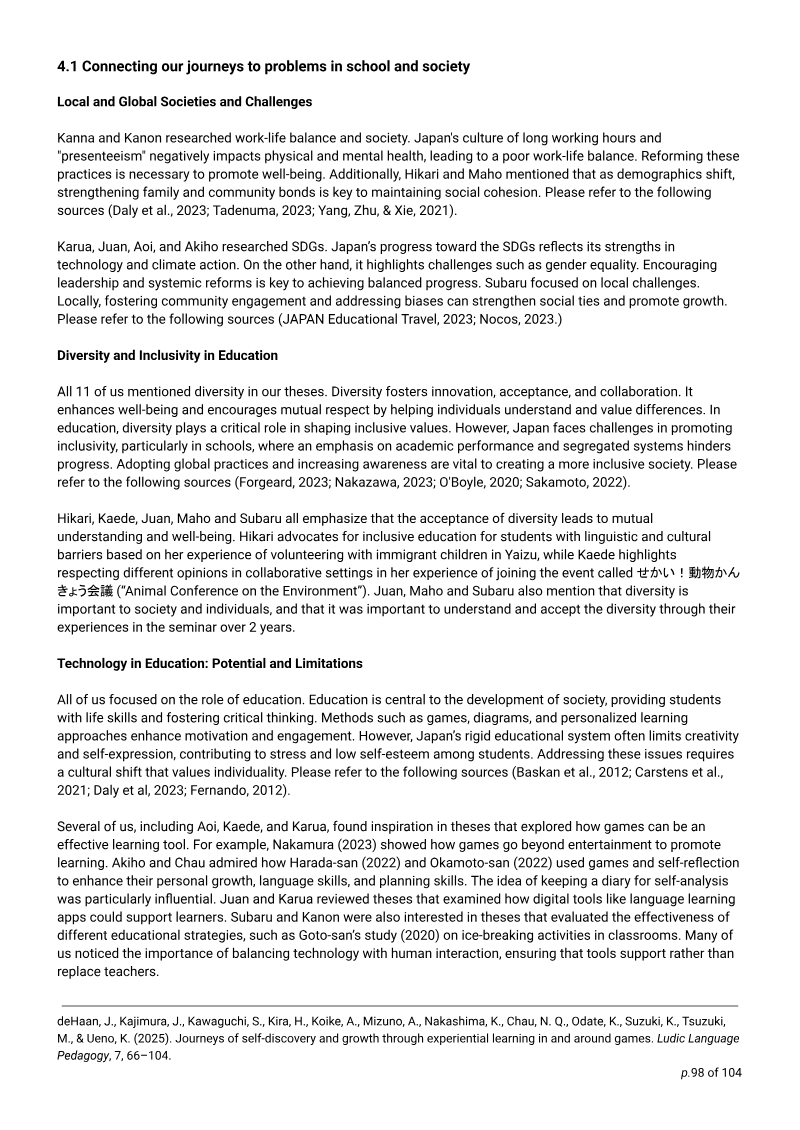
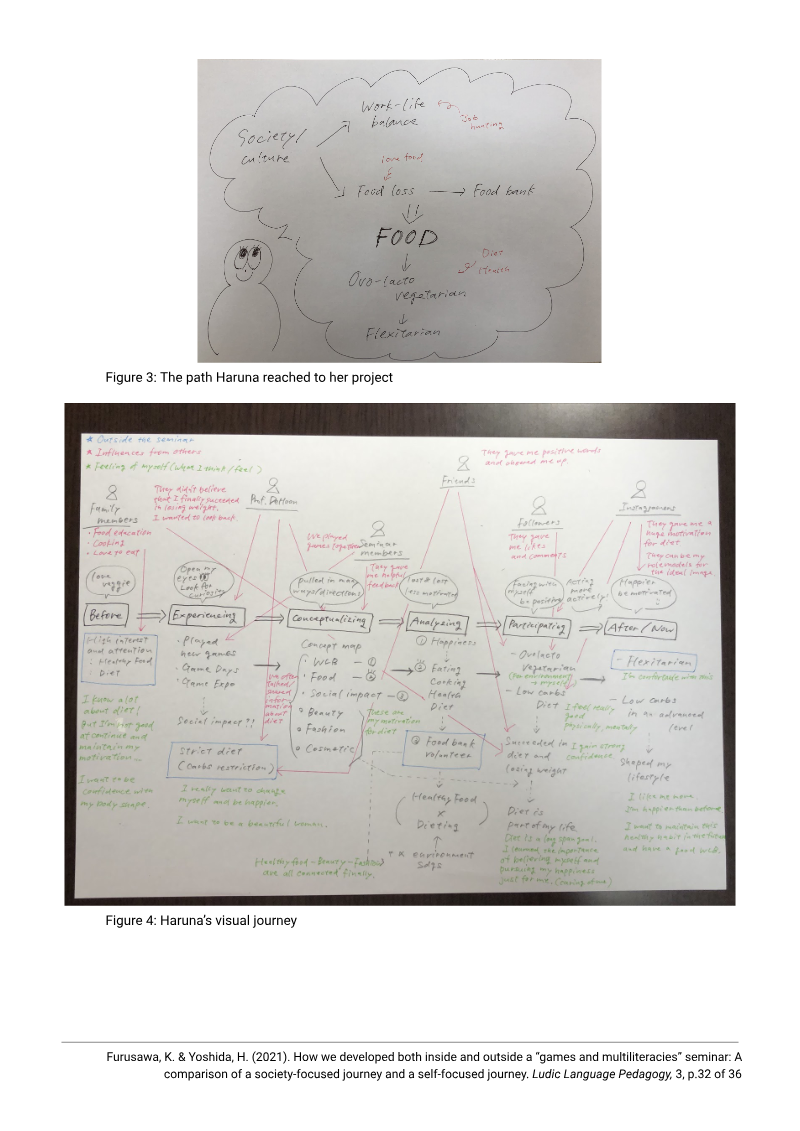
Data gathered from visual journals, reflective narratives, and project-based work indicate that this methodology fosters measurable improvements in English proficiency, self-confidence, and overall life satisfaction. Participants consistently reported that the integration of game-based activities helped them clarify career trajectories, overcome personal challenges, and develop essential soft skills such as critical thinking, communication, and teamwork. Furthermore, the findings reveal that students successfully connected their individual growth to broader societal concerns, including sustainability, work-life balance, and the necessity of inclusivity within educational systems.
Ultimately, the study concludes that while digital tools and gamification are powerful drivers of engagement, they are most effective when balanced with robust human interaction. Technology cannot replace the emotional and social support provided by educators, who remain essential in facilitating the transition from student to active contributor. By replacing traditional academic assessments with collaborative reflection and project-based milestones, institutions can better prepare students for the complexities of their future careers. The evidence suggests that integrating game-based experiential learning into standard curricula creates a more responsive, flexible, and effective educational environment that addresses both individual needs and evolving societal challenges.
Ludic Language Pedagogy · 2026
Ludic Language Pedagogy · 2026
Ludic Language Pedagogy · 2026
Ludic Language Pedagogy · 2026
Ludic Language Pedagogy · 2026
Ludic Language Pedagogy · 2026
Ludic Language Pedagogy · 2026
Ludic Language Pedagogy · 2026
Ludic Language Pedagogy · 2026
Ludic Language Pedagogy · 2026
Ludic Language Pedagogy · 2026



Ludic Language Pedagogy · 2026
Ludic Language Pedagogy · 2021