ArticlePush to Talk
One Mailman's Quest to Save an Old Game's Reputation
5 Jan 20241 page~10 min full read
Key insights
4 slides
The setup
A fan runs an unofficial account for a dismissed 1998 game.
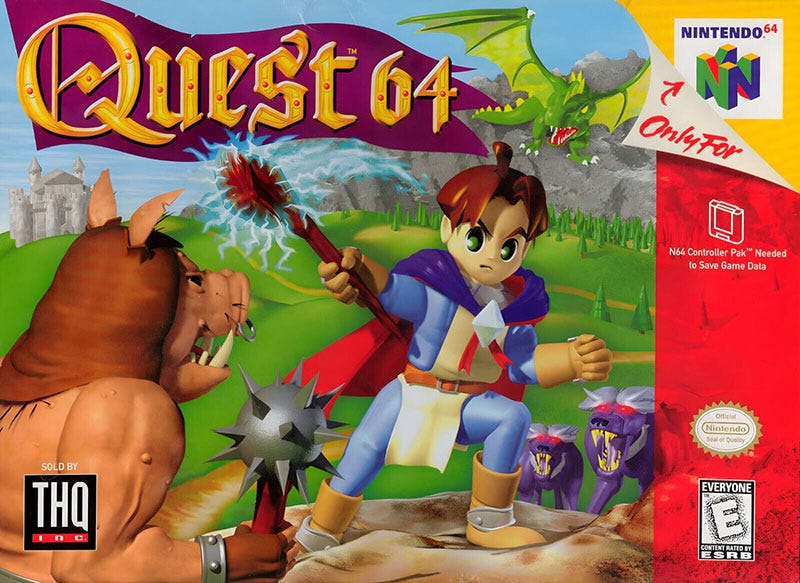
The article centers on @Quest64Official, an unofficial social media account for the 1998 Nintendo 64 title Quest 64. The creator consistently shares memes and fan art to rehabilitate the game's reputation.
What changed
Persistent advocacy coincides with increased visibility for Quest 64.
The grassroots approach has coincided with a broader, observable trend of increased visibility for the title across social platforms and YouTube. The report suggests persistent, community-driven advocacy can effectively shift public perception.
The broader shift
Non-traditional entities are scaling their gaming operations.
The New York Times has scaled its gaming division to include approximately 100 full-time staff.
Market volatility
Regulatory shifts and workforce reductions mark industry instability.
Major publishers including Tencent and NetEase face operational volatility due to regulatory shifts within the Chinese market. Studios such as Bossa Studios are currently experiencing workforce reductions.
1 / 4
Ask AI about this report