1 free read left. Create a free account for unlimited reading + AI research.
Create free accountArticle The Game Business
1 free read left. Create a free account for unlimited reading + AI research.
Create free accountArticleThe Game Business
Non-player characters (NPCs) will adapt their behavior and dialogue based on individual player interactions. This allows players to interact with established fictional worlds in unique, non-linear ways.
Key change. AI will enable emergent gameplay in tie-in games, with NPCs adapting to player interactions.
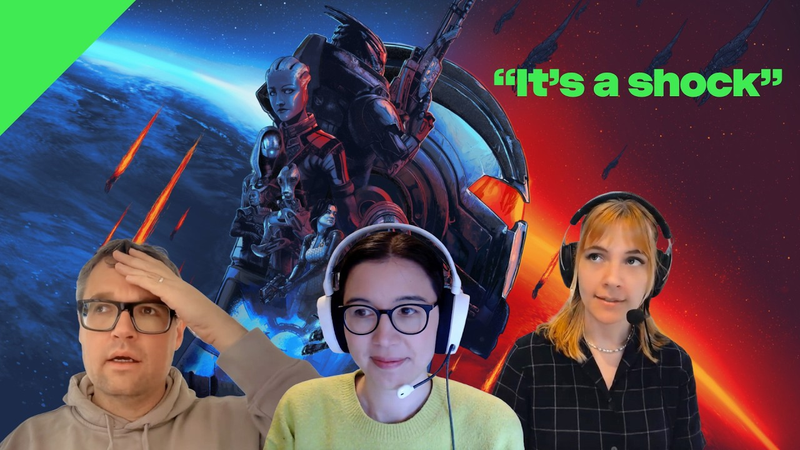
Artificial intelligence is poised to fundamentally transform movie and television tie-in games by enabling emergent, personalized gameplay experiences. Industry leaders from Wizards of the Coast, Netflix Games, and AGBO suggest that AI-driven non-playing characters (NPCs) allow players to interact with established fictional worlds in unique, non-linear ways. By moving beyond scripted dialogue toward deep, reactive character systems, developers can offer players agency that significantly alters their narrative journey. However, this evolution requires intellectual property holders to adopt a less restrictive approach to their assets, accepting that fans will experiment with characters in ways that may occasionally fall outside traditional brand guidelines.
The integration of AI into transmedia strategies is particularly relevant for younger demographics, such as Generation Alpha, who expect interactive, meme-driven content that surprises them. While IP owners must ensure that original performers are properly compensated and respected, the potential for AI to create dynamic, personalized interactions—such as NPCs addressing players by name or narrating their specific progress—is viewed as a critical advancement in engagement.
Technological convergence is further facilitating collaboration between film, television, and gaming sectors. The widespread adoption of Unreal Engine across these industries has streamlined production workflows, allowing assets to be shared more effectively between mediums. While aligning release schedules remains a logistical challenge, industry experts emphasize that prioritizing product quality over simultaneous launches is essential. Ultimately, the successful extension of intellectual property across media requires a balance of technical innovation, creative flexibility, and a commitment to delivering high-quality, interactive experiences that resonate with audiences across different platforms.
The Game Business · 2026
The Game Business · 2026
The Game Business · 2026
The Game Business · 2026
The Game Business · 2026
The Game Business · 2026
The Game Business · 2026
The Game Business · 2026
The Game Business · 2026
The Game Business · 2026

The Game Business · 2026
The Game Business · 2026
Deconstructor of Fun · 2026