The gaming market across the SEA-6 region—comprising Indonesia, Malaysia, the Philippines, Singapore, Thailand, and Vietnam—is experiencing steady growth, though long-term revenue projections have been tempered. While the market reached $5.63 billion in 2025, representing a 4.7% year-over-year increase, it is now expected to surpass $5.9 billion in 2026. The region is projected to reach a $7 billion valuation by 2030, a milestone that has been delayed by two years compared to previous industry forecasts.
The player base continues to expand, with the region projected to host over 300 million gamers in 2026. Indonesia maintains the largest volume of players, exceeding 126 million, though its contribution to total revenue remains modest with spending expected to reach $1.5 billion by 2030. Conversely, Thailand stands out as the region’s primary revenue driver, with player spending anticipated to exceed $2 billion by the end of 2026. Growth drivers vary by market maturity: while Indonesia, the Philippines, and Vietnam rely on increasing smartphone and internet penetration, the more established markets of Singapore, Malaysia, and Thailand are driven by localization, esports, and live operations.
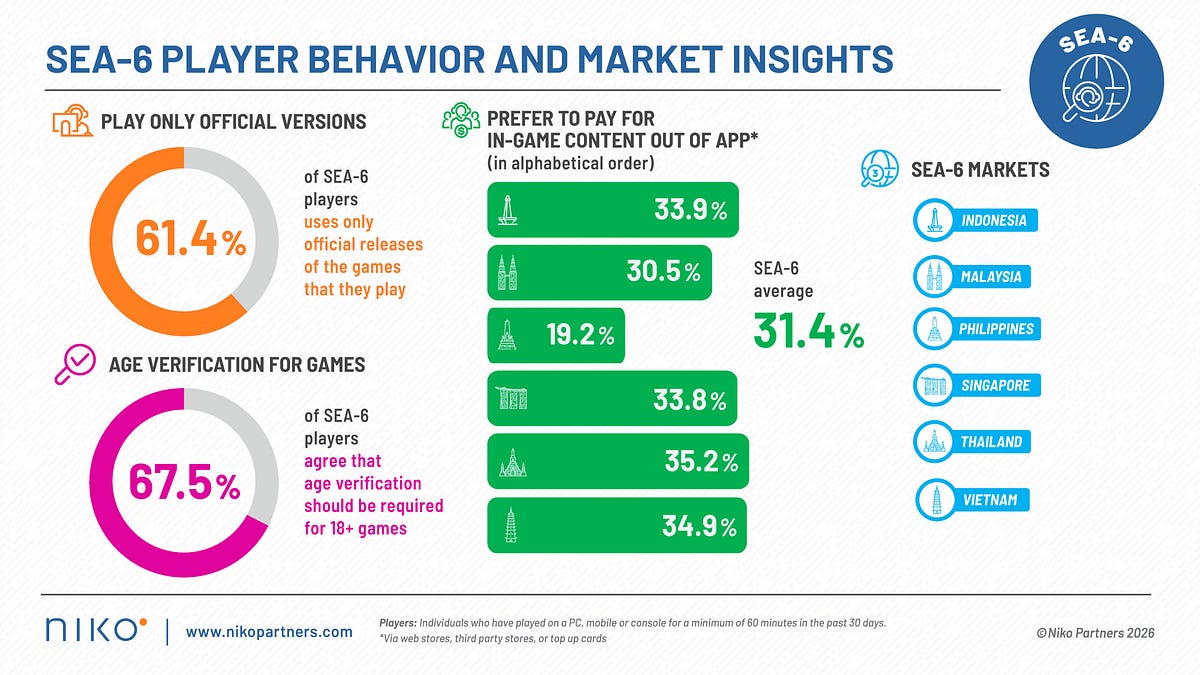
Methodologically, these findings are derived from an updated market model and player behavior surveys conducted within the region. The data highlights a complex landscape regarding monetization and regulation. While 61.4% of players exclusively use official game versions, piracy remains a significant factor. Furthermore, nearly one-third of players prefer purchasing in-game content through third-party storefronts, a trend most prominent in Thailand. As regional governments increasingly implement stricter regulatory frameworks, such as Indonesia’s IGRS rating system and Vietnam’s licensing requirements, developers must navigate a shifting environment that balances high player engagement with evolving compliance demands.
Niko Partners · 2026
Niko Partners · 2026

Niko Partners · 2026
Niko Partners · 2026
Niko Partners · 2026

Deconstructor of Fun · 2026

Niko Partners · 2026

Niko Partners · 2026
Niko Partners · 2025
Niko Partners · 2025

Niko Partners · 2025
Niko Partners · 2025
InvestGame · 2026
InvestGame · 2026

Gamota · 2026
Ocean Entertainment Group · 2026

game · 2026
InvestGame · 2026
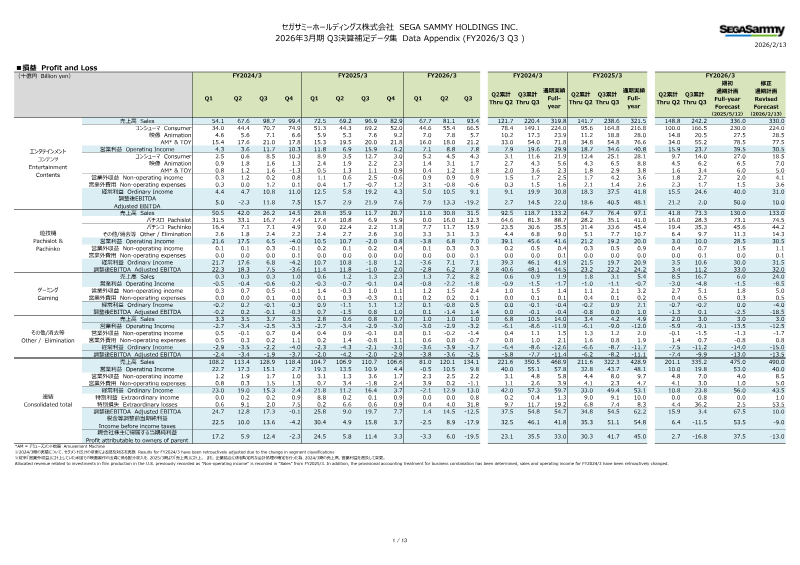
Sega Sammy Holdings · 2026
Newzoo · 2026
Kadokawa Corporation · 2026
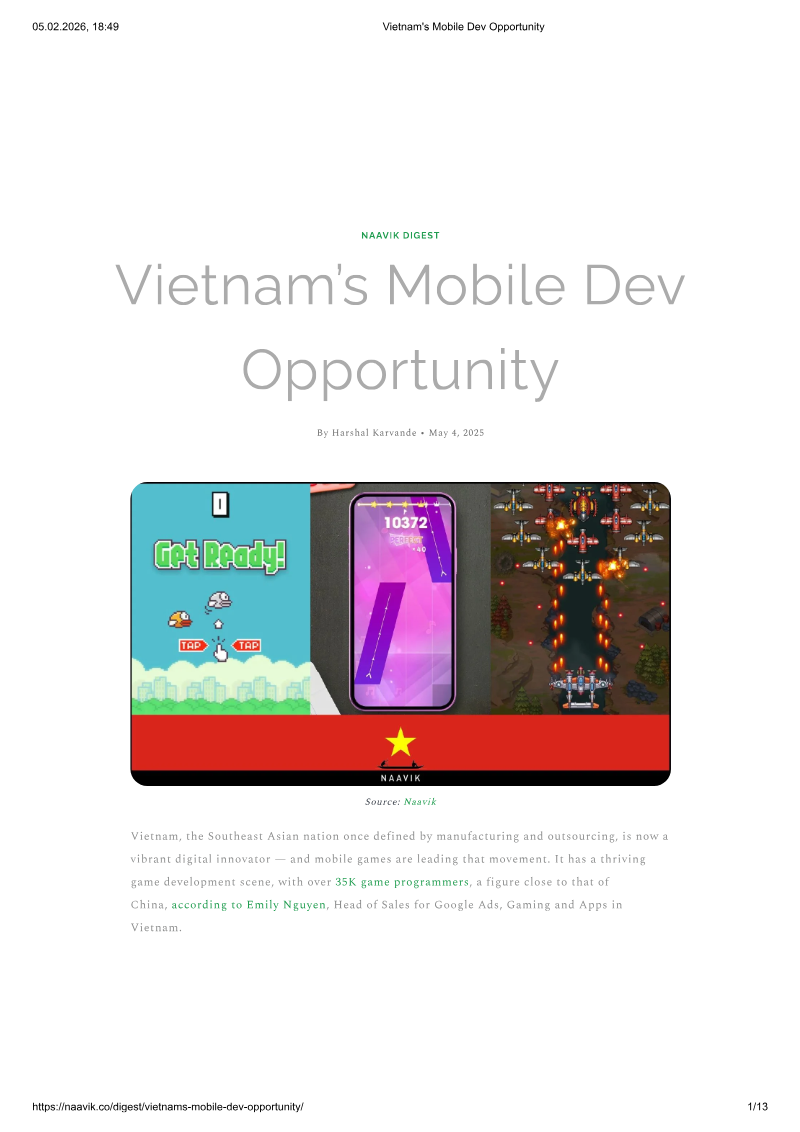
Naavik · 2026

Decision Lab · 2026
Boston Consulting Group · 2026