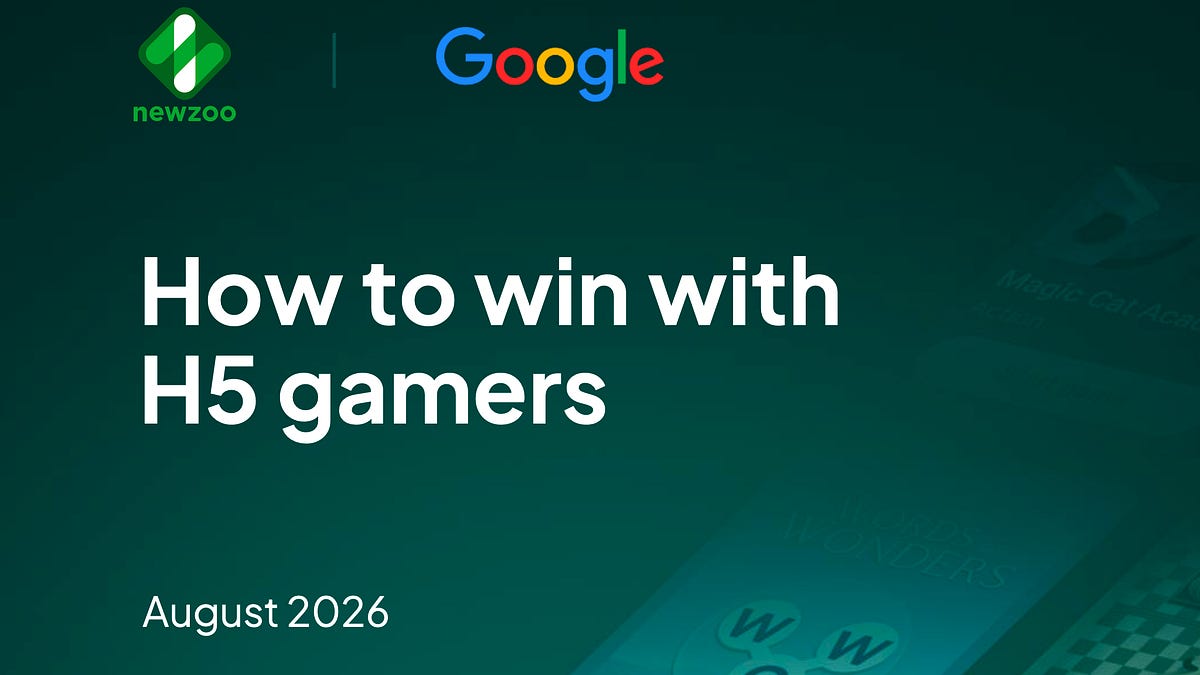
The H5 gaming landscape in 2026 reflects a robust, cross-platform ecosystem where browser-based gaming serves as a significant engagement layer for a broad demographic. Based on a survey of approximately 7,500 individuals aged 13–55 across the US, Canada, Brazil, the UK, Germany, South Korea, Japan, and India, the findings indicate that 46% of internet users in these regions engaged with H5 games within the month prior to the study. The audience is evenly split by gender, though regional preferences vary, with younger users—particularly those aged 13–20—showing the highest engagement levels.
The research highlights that H5 gaming is rarely a standalone activity; 96% of browser gamers also participate in traditional mobile, console, or PC gaming. While H5 games generally command less weekly time than dedicated mobile apps, they are valued for their accessibility, lack of required downloads, and ease of discovery. Players primarily access these games through dedicated platforms (70%), social media (60%), and general websites (45%). Smartphones remain the dominant device for 83% of players, though younger demographics are more likely to utilize multiple devices compared to older cohorts.
Monetization strategies in the H5 sector rely heavily on advertising, which 94% of players have encountered. While 43% of users express dislike for ads, a majority prefer a free, ad-supported model over paid alternatives. Players are most receptive to rewarded ads, such as those offering a second life, and are generally willing to pay to remove ads or purchase in-game currency. The data suggests that browser games effectively increase the total time users spend on host websites, with a notable portion of the audience expressing a willingness to subscribe to platforms that offer a premium, ad-free experience.
Newzoo · 2026

Newzoo · 2026
Newzoo · 2026
Deconstructor of Fun · 2026
Newzoo · 2026
Newzoo · 2026
Newzoo · 2026
Newzoo · 2026

Newzoo · 2026
Newzoo · 2026
Newzoo · 2025
Newzoo · 2025

Sensor Tower · 2026
Anzu · 2026

Sensor Tower · 2026
Anzu · 2025

PlaySafe ID · 2025
Anzu · 2025
AppMagic · 2025

PlaySafe ID · 2025
Sensor Tower · 2024
Newzoo · 2024

Bain & Company · 2024

Liftoff · 2024