VideoDeconstructor of Fun
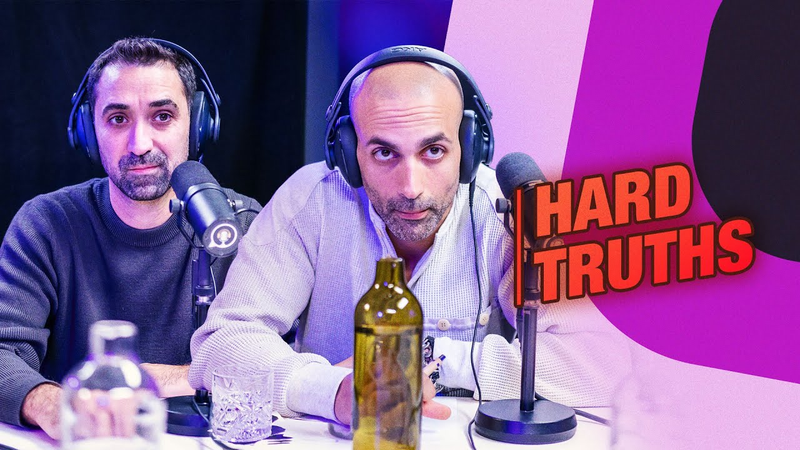
Hard Truths About Co-Founders, Capital, and Competition with Appcharge's Founders Roei and Maor
17 Dec 202567 min video
Transcript
65% of high potential startups fail due to conflicts amongst amongst co-founders. Roy Moore, are you guys still friends?
Of course. Best friends.
Okay.
Better than ever.
Is it important to be a friend when you're co-founders?
It's It's mandatory.
Really?
For sure.
Why?
Um it's it's about a relationship. like it starts uh we we've been friends for for a long time for more than 10 years. So
11
uh 11 is heaven.
Yeah. Uh and it's the the initial point is the the the the starting point for uh for everything. Uh we were in our career I think uh for a long time we we knew uh always knew uh that we will do something together
romantic.
Yeah. And uh we tried uh uh he has uh he or had a company. I
was a game developer. We tried to do something together. You know, two hustlers.
Mhm.
Um and uh you know it was it was small. It was not so so much interesting. So uh but we always knew that we will do something together. Why do you think it's so that 60 like such a big percentage of companies let's say 65 75 55 but over half of the companies uh startups fail because of the co-founder issues. Why do you think it's so? So it's a good question. Eventually when we're talking about uh companies and corporates it sounds a little bit alienated but I like to to ground it to the human human aspect of it. Eventually, you're building a group of people and it's uh you're just getting me audio building uh tribe of leadership. So, you're building a tribe or a big tribe of tribes and it's all about the people about the relationship.
So, if the leaders of this tribe are not friends, are not in a good relationship, it's going to trickle down to the rest of the tribe
factions. Exactly. So that's why it's so important to be good friends and respectful and in a good relationship. And this is also the kind of like personal example you want to radiate to the rest of the people that are working with you and following you.
Is it easy to build a company as friends or would it be easier to be acquaintances?
It's not It's not easy to build a company. Exactly. [laughter] Answer period. But it makes it way It makes it way more way smoother and faster [clears throat] if you have trust and and friendship between each other
and respect.
And respect.
How do you handle conflicts?
Uh with respect. [laughter]
With respect. Yeah. Um we we have conflicts. Of course, every co-founder, every friendship has has a conflicts,
but uh I think we're are learning. Um like from the beginning it was uh we were friends and you know there are no conflicts because there are no issues to conflict about uh but as long as you're scaling and and you get more customers and more uh uh people in your team. So uh you have more to discuss uh and maybe more to disagree but you have to find a way to uh talk respectfully to each other and take the uh honest decision and good decisions for the company. we we both understand it, you know, and now it's even easier because we have our leadership team and we have a good people around us that can help us uh with with conflicts if we we we uh uh don't agree about something. So it's it's easier now uh I believe uh but
always there are conflicts.
All right. Uh bit of water or down question answer. Let me dive a little bit deeper there. So, I think that when you're friends, you know each other intimately, and that allows you to confront each other much more easily than if you were somebody who met together and were sort of a perfect pair on the paper, but and it's easy to operate when you're that perfect pair on the paper. But startups go through hard times. And when you go through hard times, that leads to a lot of disagreement on how to get out of those hard times. And because you know each other and when people know each other, it's much easier for them to have a conflict, have an argument, because bottom down they know that that they have a relationship which they can kind of revert back to. And if you don't have that, then that conflict defines that relationship.
I think Roy and I had a very good starting point. Like I'm going to go
back to the to the uh romantic story. like we we were very good friends and it was all easy and and it was obvious for us that we could work together but in the f the first year especially was was extremely hard. We had a bunch of hurdles and also you're kind of like teaching the machine how to work and a part of it was how are we having conflicts which people like what we said were we're were bringing into the circle and uh um it it was just like a learning process. It was a learning curve that's still in the making. We're constantly working on our relationship, how we talk to each other, what kind of forums, what are the processes of having having an argument. So um uh I think like it's it's a never- ending uh mission to to to to improve and uh now we're also in the in the point that we are working with the leadership team and uh the leaders in the company on how to mediate
conflicts within their group of people with their teams within their tribes. So um we're we're still noobs. We're we're we're learning all the time,
you know. Uh it's a funny story. Uh of Mo and I and I are friends and my wife also uh knows more. Of course, I know more actually from my wife's uh brother. So sometimes I'm I'm I'm coming home and told tell her listen I have a a big disagreement with Mo. We we had a a clash and she is telling me listen let me talk to him. I [laughter] will I will give him a call. I said, "No, no, no, no. We will sell it. We will sell it."
That's funny. Um, what do you think most funders misunderstand about choosing a perfect business partner?
There is no perfect business partner.
That's the misunderstanding.
Yeah, I think first of all, I don't I don't know. I don't have uh I don't have enough data, but I think many are are looking for the matching LinkedIn
profile. Um, and they haven't spent enough time with each other and working with each other and being friends and understanding that from now on when you when you're founding a company, that's your life. That's your people. You need to love having spending time with them to working with them that you appreciate their opinion. And I think that uh many founders just jumping into the sack of starting something and and idealizing uh what it what it is to build a company uh without thinking of the repercussions
and how do you keep that communication during those high pressure conflict periods?
That depends when you're asking. [laughter] uh a lot of respect. We know uh what's the strength uh of uh of each other. Um
we we got help from our people, from our leadership. Uh a lot of help uh to settle down disagreements. Um I think this is this is a this is it. But
would you say that that conflict is inherently good
or bad? It is good. I wouldn't uh I wouldn't define it as conflict like thoughtful disagreements are very very healthy. We're challenging each other constantly and uh sometimes it's heating up but I think we we've learned and also many people in our team have learned that when when when are we too emotional? So it's like okay let's give it the space like I'm going to even if I think I'm right I'm going to shut up. I'm going to bring it back tomorrow. So you you you kind of like learning the people you you're working with.
Yeah. I I my personal finding is that I feel like a lot of companies are afraid of conflict internally and that bottles
down the feelings and people don't actually talk about the things that are important because they're afraid of the argument and what that argument and that conflict could do to their company.
It it doesn't exist in the Israeli external culture.
It's unavoidable. Like you can't avoid it.
Very straightforward. Very loud. [laughter] Yeah,
we're working on the other way around. Yeah. Be be more more subtled. Yeah.
Okay. Move slower. Um Okay.
Not slower, faster, but but but but more quiet.
Yeah, I understand. Uh let's talk about first time founder and second time founder energy. So more you're a second time founder.
So I I don't feel like a second time founder. uh Apush my my first startup uh it was bootstrapped maximum 24 people more or less the same people uh uh all along the way after the first year it had had a challenges but it was it was different and and app charge uh were
almost 120 people so it is one big group global group by the way in appush we were in the same location same office now in app charge it's I would seven locations, different culture, different groups and you need to make the different groups of people work together and communicate. So, and also we're in Appcharge clearly we have uh investors and a board of directors. So, it's all new to me. I'm I'm a I'm a student. I'm enjoying it. Uh uh I'm I'm having the the delight to to learn something new every day. Game devs. Here at Heroic Labs, we know that great gameplay is what players love. But integrating metagame features like challenges, progression, and rewards is crucial for retention and monetization. But coding them is a tedious and timeconuming process. That's why top studios have turned to Hero from Heroic Claps. Hero provides a complete suite of battle tested metagame features that are quick to implement, letting you spend
more time on the core gameplay experience. Ready to ship fully featured engaging games? Check out her today at heroiclabs.com.
But by definition, that still makes you a second time founder because you've built a company though it was of a different scale. You've still built a company that still exists, still employs people, and it's, you know, bootstrapped. I understand there's so many new things here, but that still makes you a second time founder.
True. [laughter]
But I like the mentality where you're taking this as a as a rookie still. I think one of the upsides is not having the same pressure to succeed. A push was acquired by a public company. So I think the the the credit of of being successful once uh also gives you the jumping board to dream bigger and that's
that's something big that I've gotten from app push as well.
Yeah. And just looking at the data here, it's like first time founder have a success rate of 18%, second time founders of 20% and uh and it goes to I think yeah founder oh sorry just going to just looking at the data founders who succeeded in prior venture have success rate of approximately 30% in their next venture. So what you're saying is actually defensible by the statistics. When you don't have that pressure to succeed, it actually makes you more likely to significantly more likely to succeed in your next venture. What do you think that is?
I think both the experience and the freedom to dream bigger again. Uh I think uh the combination of the two um is it's just that's the the the magic
trick for for a second time founder that have succeeded in their previous round.
Is there element of a confidence that comes through that as well?
Yes. As well.
So confidence in the decisions that you make. You believe that they are right because you've made decisions before and they prove to be right.
Yes. But confidence is is is dangerous. It needs to come with a with humility.
Yeah. you as as a founder you have to be receptive you have to be attentive you need to be open for feedback even though you've done it right once in certain think it doesn't mean you know it all clearly you need to and I think that's also a lesson that that I've I've learned from from working with people
like just the the the be be a good team player be human first work work work together trust trust your people trust your team and I think that's that was an important lesson of of of working in a team for a long time
I can attest to that this morning on
breakfast you said the first question that you asked was like what are we not doing right about app charge for me I was kind of you know I can attest to that what you're saying is actually what you do in practice where can we be better
thank you
always
we're always asking asking ourselves elves where give us a feedback give us the hard feedback
despite the success and you know the rap what can we do better
well Roy talk to me about being a first time founder
um so the entrepreneurial entrepreneurial uh spirit is something that uh you know if you have if you have it you have it like it's inside you it lives inside you um I I started to uh um to develop games uh and uh do my own stuff. Uh when I was uh it was 15 years ago, uh it was always side by side with
a day job. Uh I tried to take it up um but it never succeeded. Um so I always knew that I will do something that uh will be big. Um, and if I I I uh look retrospectively uh if I was a good founder uh 15 years ago and I I could uh establish a company. So I think I I I wasn't experienced enough. M
uh I think now is the uh it better time for me like in terms of experience in terms of what I did in my career uh to uh uh to be a founder and to start a company
uh one of the decisions uh that led me um uh sorry one of the uh the inputs that led me to take the decision to uh start upcharge is that more uh is a
second a second timer. It's what one of the inputs not not all of them of course and of course the it's uh our chances are better uh and he has the experience of what I I do not know about entrepreneurship and I can learn from him.
It doesn't feel this way like I'm well I'm learning a lot from him. He's seen he's seen bigger companies the than I did like all along the way. So yeah, [clears throat] but he's looking at you as a second time founder as I'm
and and I'm looking him as the as the as the guy with the experience from the bigger companies cuz I I I've never worked in a big company and Roi is bringing all this accumulative like time and experience from the from Moonactive and Autodesk and Amdoc and he he was a programmer in the army. So he worked in big teams. I didn't have this experience.
No. Well, here's the thing. You you two are very different in your not lifestyle but your personal life meaning that more
single guy you can get fully obsessed by the company. this is this is your baby and you have two babies and not not babies two daughters and a family and a wife and so that puts you in a very different of a situation and Roy I'm kind of like interesting to hearing like how are you balance like you can't balance it when you put yourself into the company you become worse of a father and worse of a husband and when you give back to your being better you know father better husband then you're a worse entrepreneur do you see it that or like how do you balance this?
Um first of all uh I took the decision to start uh something uh together with my wife. Uh she actually pushed me um we were talking about listen we're going to have our second daughter 3 years ago. Um and uh you know startup I'm I'm married
also to the company. Uh so you will have to take care of uh of the of the the kids. Um I will be uh less at home. Uh and we kind of set expectations between between us and uh she understand it. I understand it. And she gave me the green light and actually the push go do it. I'm behind you. I'll do whatever it takes uh to take care of the family. Um, so we knew and we set uh good expectations uh before we started. Now it's it's hard it's hard to to be uh married to the company and married to the family. Um
you're doing it very well
and trying trying uh and improving uh but it's it's it's hard it's hard situation.
I I don't see it that way. I I I am more in an affluence mindset. I think first
of all obsession is is a characteristics. If you're obsessed uh with work probably you're obsessed with your daughter daughters with your family with how things are conducted. So it's just it's it's a matter of trait that you choose to foster or not. And I think that like in everything in life like if you are choosing to excel uh doesn't matter if it's sports or music work once you're in this mindset as a human being you are like that in every aspect in your life you're trying to be at least and I know for Roy example like the family is the most important thing for him
and work as well as important second just a little bit less but family is number one. So he's obsessed on both and he just he finds the time and you have like you have you have so much time you're just learning to optimize and if it's in the top of your priority you're getting better at it.
Yeah I I I will continue from where I
stopped. It's hard, but um I'm trying to do my best to be at home as much as I can. For example, leave uh um half an hour before they are going to sleep to be with them uh at home and then they're going to sleep and I'm I'm continue working from home or during weekends. So in the weekends I'm I'm theirs like I'm with them taking them to attractions taking them to uh to travel. Uh so it's their time uh with me my time with them actually. Uh trying to be only with them. Of course there are distractions. Uh we are founders but uh this is the way to balance for me for now. Using clunky payment systems in your game, that's like fighting a boss with a wooden sword. App Charge gives you the power up you need. Seamless inapp purchases, global payments, and
analytics that don't require a PhD. Monetize smarter, not harder. App charge, because your game deserves better loot. In today's hyperco competitive digital landscape, understanding your app's journey from discovery to download isn't just insightful.
Are you able to compartmentalize? Because that was at least my challenge. Meaning that when you are with your kids for example and you know that this is their time I get back to work in half an hour in an hour whatever it is like a short amount of time are you able to distance yourself from the problems that are happening with the company or are you still distracted by it while being with your with either your wife or or the kids?
I think most of the time I I I I succeed.
How do you do that? uh just uh try to uh put out the my phone be with them and the playing room. Um uh it it's it's not you know sometimes you have a big problems that you you you
have to to take care of but uh you know try to disconnect for half an hour and be with them for an hour to be with them. This is their time with me. It's important for me for them. Um, and uh, I'm trying to consistently do it.
Uh,
what's the name of your wife?
A lot.
Shout out to a lot. She's the support.
For sure. For sure.
Let's return back. So, Mar, how do you compartmentalize? Like, how how do you not get lost into building because I know bad example for me, but I know that if I'm out without the family, they might be somewhere. I could spend the whole day working and just like kind of get lost into what I'm doing.
I am lost in what I'm doing permanently online. [laughter]
No, no, but basically,
but but that's that's also unhealthy because often times you get your best ideas and the best breakthroughs where you kind of pull yourself out of it. And
how like how are you able not to get totally sucked in into what you're doing? Because the amount of work you have in any startups, the amount of work you have cannot be finished.
I think you should treat yourself with uh with the me time or when you are disconnected and being present and something else. But it's true for every action that you take during the day. If you're able to be fully present in what you do and not letting the phone distract you and it's really admirable how Roy is doing it for I'm obsessed with the phone. I'm trying to to have less screen time. I'm I'm kind of like on top of it like uh trying to be, you know, it's it's like a diet. It's like a phone diet like be less on the phone only,
you know, uh not less on the on the phone. Yes, on the phone for business, but less on the pickups or the scrolling or just checking things like obsessively distracted. Um, uh, I think that's
that's the way to do it. And besides of that, for me, it's it's easier without a family to to preserve the to do the things you love, bring them even into the business, trying to to blend it into the into the company, uh to to forge it into the company's DNA. That's what we're trying to do.
So, you're not particularly looking to compartmentalize. You're rather trying to build like a holistic system where you're constantly working and it doesn't feel like work.
Exactly.
Okay. [laughter] Got it. So,
all right, moving on. So, um let's talk about the uh the speed and the velocity and the momentum that Appch charge is having. So, you've raised multiple consecutive rounds. Round B was just a while ago. Uh before that, round A, what was the time difference? 7 months between those two rounds. Big rounds, big investors, um growing the team, growing the client base. What what enabled you to race so fast
and so quickly in the repetitive rounds?
So I I don't I don't remember where I've heard it but it takes 10 years to succeed overnight. So it took like 3 years to do this overnight. I think we have laid the foundations from day one and we've worked hard all the way. it just didn't bear fruits immediately and once it rains it pours like I think we've used the momentum and we we we were working hard towards it all the way and we were very lucky to have the momentum and uh and and the right team to to do so.
Yeah. Because the first time I met you was in Singapore in 2022 and it took a while before like there was a Yeah, there was actually a couple years of hiatus. I thought he was too cool. The other mower and me were like, "Who is this guy?" Because he made us look bad. [laughter] You were fasting.
There was like all and you had a a friend with you. We were like, "Damn." [laughter] [clears throat]
I remember.
Yeah. But there was a two years that that went between that. So there was that building time that that people
two years of wing.
Yeah.
Okay. Two. [laughter] Yeah. Um, how do you raise these consecutive rounds? Like what do you do? Like what do you show? Um, it's I think it's combination of um um building a great team uh relatively fast uh bringing the best people we can to the to the company to help us to build fast. um innovative be innovative and uh and hear feedbacks uh from everywhere what we can do what we can do better what we are doing good
and what we should continue uh but I think it mostly because of the team the velocity that the team help us to achieve
uh product wise uh the skills the sales the the business development and skills at Mo leading led and still leading uh by at the first first time by himself and later on uh with the help of uh a great business development guys.
Stay ahead of the competition with Sensor Tower, the trusted source for mobile marketing intelligence. Whether you're tracking trends, benchmarking performance, or scouting the next big hit, Sensor Tower delivers the data that drives strategy, dominate the charts with Sensor Tower.
Um, so I think this this helps us to to move fast, grow fast, and uh acquire customers. Uh,
what's most important for the investors when you're looking at it? Because like from the outside people looking and they would say okay they go out and they raise around good investors and the news like 6 months later they raised another fund like are they burning so much money? Why do the investors believe in them so much? So tell me a little bit about what people are not seeing.
First of all investors especially the the top tier funds they're they're smart people. So you you you show everything. You're opening the kimono. You need to be able to have the visibility to show everything as fast as possible to a new person that comes in. And they're going to see the rest and they're going to examine uh uh first and foremost the time, how big the market is, the team, where you add in the race, and are you going to be the winner of this race? Um I think the other things are technicalities. They want to see that you and the team are people that they're able to work with, that are receptive for feedback, and you're constantly improving. And uh also, they're going to
they're going to check up on you. They're going to see that the uh promises you have made uh uh were actually made uh with time. You you've delivered.
Mhm.
So, I think be yourself. It's like a It's like a dating tip, you know, show everything as fast as fast as possible because it's going to come up.
How does it feel like to go through so many due diligences back in back to back?
I'll take it again to the dating world. It's like a speed dating like uh eventually it's uh um you're you're you're practicing and being good at it. uh to to to to make it visible as fast as possible, to have references, to have the clients that you're working with to to to talk freely and uh and to refer, which is one of the most important things. They actually want to hear from your clients if they're happy with the product and the service. Do they trust you? Do they want to do they see this this relationship as a long-term one?
Mostly founders hear no. You've probably heard no a lot of times. How does it feel to take a no? Like what do you do after getting a no?
You take the pinch, right? And and and you take another no and another no and another no and then it's not so painful anymore.
It's a part of the drill.
But it is somebody when somebody says no, they say no because I don't believe in you. That's a pretty personal thing. I know that it's made as not personal, but a founder takes it personally.
It's all personal. [laughter]
I'm kidding. Um um most of the time uh vis will come with the they will give you a feedback of what is missing for them. Um and most of the time it will be valuable. Uh and then then you understand it's not personal but there are some things that are are really missing for them. Um but you understand as a founder that you will get much more
nos than yeses. Uh um and you learn how to live uh with it. You learn what you need to uh improve in order to get the the next yes. Uh but this is the founders's life. And I think that uh regarding your question for uh uh how we uh got the fundraising so fast. So I think it's combination of three uh important uh uh topics is the first of all is the team uh second is the right time in the right place um and uh and the growth uh velocity of the company. I think this is the combination of those three things who led us to uh
I wrote down team time velocity and timing.
Yes. When those things come together, you've hit the jackpot.
I think
most of the time,
yeah, I I think that in the beginnings,
you're getting way more nos. Like if you're in an advanced stage of the company and you're getting like market dominance, you get more inbounds. Um probably you know Chris Voss, right? He says there are like three types of nos and and it's good. It's just the the starting point of the negotiation and and many times with the VCs just not right now and then you're starting to negotiate and we've had it like so many nos that eventually turned out to be yes. We were consistent and we were insisting on getting the yes from these angels or from these VCs and and only later on you get a lot of inbounds and we want to invest and uh VCs wing you but in the beginning you're getting no it's just a part of it and you need to negotiate forward from there. How do you negotiate from no to a yes?
You you understand the pain points like why like actually the worst thing by the way also by by Chris was like to get a fake yes.
Yes. Yes. And they go
oh I'll come back when you have a lead.
Yeah. Yeah. Yeah. That's that that's the worst cuz you have nowhere to negotiate
like they're lying into your face. [laughter]
Yeah. And and and No, it's like okay so I'm open for feedback. Why not? What would make you invest? like what if what would make you invest right now if I if I would have had what and then you understand where to take it from there.
I I will add on top of it like you should have the uh positive mindset um you know it's a funny story like it's it's both for for for vis or for potential clients that we are going to have. So Mo and I are taking calls and sometimes we are we are um um finishing the call by me as a very realistic and foot on the ground person. I I I think of course it was awful. They would never take us like uh they would never say yes. And uh he is telling me what are you talking about? They are interesting. They're full interesting into us. Uh, so
I'm asking myself, have we been at the same call right now? [laughter]
So,
usually he's right though. But like,
yeah, you're you're in a right way delusional.
Yeah. Yeah. But it takes only a one one. Yes.
Yeah.
It emphasizes the um the difference between us and the the the the how we complement each other like
uh and how we help each other to improve all the time. I think Mario, you said you you gave a really good advice because essentially what the way you're approaching it is you're trying to understand what they're buying. And so before even getting to selling, that's what most people forget about when they're in these situations. Um I wanted to ask you like you've raised a lot of capital. Are there any hidden risks with too much capital?
There are. We are aware of them by the books. We haven't experienced them yet. So I don't want to share just the
experience of others cuz uh we've just recently raised and uh we're trying to make the best out of it. Uh I think uh one of the again uh humility being modest uh uh foot on the ground. It's like it is a win. You need to celebrate wins but it's just one out of wins. It's not the big win. And uh you just need to keep on the hard work and and and you know uh look at people in the eye and and keep on working hard.
You you're very clear on what founders should do between the rounds because you are able to move from one round to another. Tell me what founders should not be doing between rounds.
Give up.
Give up. No, but if you have a successful round, hardly people give up after a successful round. You mean I I thought dep depends between which rounds
between between the rounds of raising. So you are doing the right things but what are the things that you feel like people are doing wrong between the rounds of raising?
It really depends on the sta on the stage of the of the company. So between our seed round and our a round
um we had a a shot of raising once that we've failed. Okay. So it was very easy to give up like we were the numbers were not there yet and we tried to raise money and we've approached many VCs and we we got only nos. So it's like okay we we we've learned that we need to take a pause work on ourselves on the numbers on the team and get back more ready to uh uh uh uh to combat this round. And I think in later stages when you're uh capital uh uh fluent um it's it's really a matter of asking uh yourself the the founders and the team like what where do we want to get like what's our dream and then you know if you want to raise another round or you I don't know maybe you want to go public maybe you want to get acquired so it really depends on the phase of the company and the founders
and the team clearly
web stores. You've seen what good looks like, but have you seen great? App charge is the direct to consumer platform backed by the likes of Supercell and built by monetization pros from Moonactive, Platika, Huge Games, and others. People who know the difference. App charge powers over half a billion dollars in transaction a year for top studios, optimizing every detail. deeply personalized web store offers, custommade design, industryleading monetization features, in-game payments SDK, and more. 70% of top grossing games already have a web store, but the one scaling fastest, they're doing it with Appcharge. Learn more at appcharge.com. If I can say one thing not to do is to go to go to an uh another fund raise too early.
Um think about the numbers that you want to have. you want to uh put a targets and then once you get to your targets go to to um taste the the water and uh and talk to one or two or two investors and ask their uh opinion and their feedback. Get their feedback. Do your do your uh homework again and think if this is the right time or you should wait you should uh uh change the target. Uh I think this is important important. basically close the lead before you started the round.
Yes.
Mark your targets like who is the who is the dream investor? Like what do you want? Aim aim for it
and then build for them.
Yes.
Okay. Um let's move back to the uh the product web shops commoditized. Would you agree?
Depends which kind of web shops [laughter]
we call it web store by the way.
Yeah. Well,
what what do people get wrong about
that? Because like the what we're seeing in the news is there's new web store provider every month or yeah pretty much um everybody has one. What separates them? What are the modes between the different web stores?
So wait just one step at a time. So [laughter] people are people are getting wrong with web stores that it's just a landing page. But uh industry professionals and experts uh have no mistakes. It's it's it's just like building almost another game on the web. It's a complicated task. Uh we have top tier engineers working rigorously constantly in Tel Aviv on making the best product and it's still we have so much to do. Uh and once you understand that you need to the expertise and the engineering power and the product power and simultaneously give the best service possible, it's not such an easy task for a company that
it's not its core product. In theory, everybody knows what needs to be done. But to to to build it and to and to cater it fast to your teams, it's very hard. And this is our core business. And we're still far from perfect. Um so we uh upshot started uh from a pain we uh uh we experienced and uh we we knew that uh there is a gap in the market.
So pain that you experienced in a company.
Yes. Yeah.
Um so uh uh we wanted to build something a platform that can uh take any publisher in the world uh within days uh to uh uh global launch and approaching all uh users all over the world. Uh I think it evolves si since then and it's not only about a web shop fully
monetized with all the monetization features that we brought to the uh web shop from our experience from the in-game it's comes it's now more than a direct to D2C suite of products uh that within few uh very few APIs you can connect to all of them. So we started with a web shop and continue to uh check out gateway and then a game portal that you can uh create uh uh and manage connection to your community and payment links for direct uh checkout. So it's one of products that takes you all the way direct to consumer and provide you all the tools you need to go direct to consumer fast. So this suite of products essentially the expertise of your team is the mode of app charge.
Yes.
How does that mode is seen in the return on investment from your clients?
Game developers are extremely smart and datadriven. It's I think it's a it's a very sophisticated client with a lot of demands. Also the the scale is there uh due to the nature of the business and I think that eventually the numbers will talk. You need to show results. You're going to be measured. You're going to be measured against an in-house solution or another solution or against the industry benchmark. So the moat is going to be expressed in the numbers. That's first and foremost. Um we have we have many case studies. So, for example, one of our bigger clients, they had their own in-house solution they've built for a couple of years with a massive team over 35 people and we were begging them just to let us let's do a PC show uh show us let us show our strength and we have managed to
uh build for them a web store that's uh twice as successful and eventually the underlying and cost was cheaper for them if you taking on the the account the the the headcount and the the results were 2x like in a year today they're more than 3x than what they what they had back then in the in-house solution another uh two of our uh top clients were working with the competition also it started with a small game we we asked them just to to for a proof of concept just uh we we wanted like four months trial and uh We we were giving them the product uh and a and a discount just just for the trial and the on the small game and we've proven uh the results pretty swiftly and they were smart. They just looked at the matrix for them. It was clear also the factor of service and trust was there. So they trusted us. We delivered what we promised on time. We
did we we didn't have any hidden costs in the in the contract. Nothing was unexpected. we were there and there were like hurdles on the way and uh we we stood for them and we were flexible. So I think that's that's what made a difference in the game of growth. Everyone is looking for that power up. Vibes is exactly that. It's built by industry people so they actually get the challenges you're dealing with. As a result, they become the fastest growing gamified rewards platform [music] out there. And the results are kind of nuts. With their AI powered targeting, you're not just buying installs, you're bringing in the right players. And now they've got this new rorowass optimization engine, so your campaigns basically level up automatically. Vibes is built different. It's designed for growth, and I guess you could say it's powered by good vibes. Check out their DOF exclusive case studies by following the link in the description and go to
vybs.co. That's vybs.co. Share your email and join the weightless list. I in my opinion it comes down uh to ra positive or negative. uh and if we can break it down uh it's three main aspects uh first of all uh the the the labor cost that they are invest uh in order to operate uh direct to consumer. Second one is performance. We this is our work to improve constantly improve performance uh of uh of the of the direct to consumer [snorts] adding more features letting them uh use more services in order to optimize their direct to consumer. And the third one is a focus. Um, gaming companies uh should focus on
making the best games, releasing the best monetization features to monetize their game and to make their players happy. this is their main focus and not to build uh a direct to consumer suite uh of services um to uh because it's it's it's it's matter of of ROI and uh if it's it's positive and um uh in in up with up charge with buying a platform. So this is the way to go. And how do you how
I want to double down on what Ru said, he's totally right on on focus. Uh eventually game builders, they want to focus on building games just like like you said, way and uh they want a longlasting partnership that are that they believe they're going to be stable and going to evolve with time because there is a a big cost like for exchange the the the instability has a cost and
most developers understand that. I don't want to exchange vendor uh every uh year or every couple of years. I want someone I can trust and I know I can run with on the long term.
Is it difficult to have those conversations of build versus buy? Because often times larger companies have their bigger central tech teams that sometimes rightly so believe they could build anything which is true. They can believe everything but what they often times don't think about again working with bunch of our clients is that what it takes to maintain and evolve and what are the real costs of building and whether they can actually succeed to be even on parody with a company that sole focus is building and servicing clients that they will lose unless they have the best possible solution. So how do you kind of overcome those conversations where internally I would assume the CTO's would be of an opinion that hey I
mean this is not that difficult it's a payment solution like come on we can do this. First of all, you're right. Um uh gaming companies are highly sophisticated companies who um uh has uh um a great technology and datadriven uh systems uh and take decisions upon uh data uh so they can build it for themselves. Uh and again it comes down to a focus. Uh now if you're focusing or defocusing from what you're doing in your game uh is it worth for you? Yes. No. This is the question. Now before uh upcharge uh um there was no good solutions or platform in the market to build direct to consumer. Now it's very easy. Now you can be up and running
within days uh with worldwide uh reach to all uh consu to to all players to all your players. And one more thing is the alternative cost they're losing while they're not using a platform and building it for few months uh or more than that. Uh so it has alternative cost and it's high and I think this is something we they should take into account.
Exactly. Exactly my words like um uh what I wanted to say alternative costs um many many teams not taking under the account the alternative cost. It's like, hey, I can do it, but what could have you done instead? And I think uh one of the main uh uh uh competitors are the central tech teams in the games themselves in the in the in the bigger studios. And we just need to to to be better like uh to to be more costefficient, more featured, more
nimble, and to deliver better results that we are going to be measured. And once you're you're proving this and and by the way, it's not easy. It's easier said than done. It's it's hard to prove it from distance without examining. It's it's and and it's quite a quite of an integration. So, you need to create the trust and you need to have the case studies to show that you're proving your point. And the more case studies that we have accumulated, the easier what it was for us to to prove the point.
Yeah. Yeah, I think what Roy said is really important notion is that the the central tech teams are there for a reason and they're a reason to service the games and make sure they run smoothly and they have all the uh the essential tech stack developed, evolved and at superiority and the [clears throat] conversation is like is is this the part that should be part of your core competences or is this the part that that is something you can just buy and put in because it's not your core competence web stores.
True. it could be a part of their core competence and we can work along. Um we
we we have a suite of solutions. So maybe this one of the specific products they've already built and they want to keep but they going to use uh some of our other products. So we always find the creative way uh and and to make them feel that we're a trustworthy partner that we're flexible enough to work with them and we're just here to be partner and not partners and not to compete with them internally. That's a a smart position. Um, let me talk about your team. So, team is the the the core competence or the the core resource or you know the the enabler of app charge but your HQ your development hub is based out of Tel Aviv which is one of the most competitive hubs for tech talent. How are you able to compete and get the the best of the talent in in a city that has research and development for every single big tech company out there from Microsoft to Amazon to Open AI to you name it.
Shout out to the app charge team in Tel Aviv and across the world. [laughter] So uh uh I I I've been to one of our investors conference in uh uh in Amsterdam of IVP and our our board member uh Eric uh said something smart like once you're in Silicon Valley you're actually competing with all these big names and with their HQ like Open AI and Google and you're like in the buffet to compete with engineers and I think that in Tel Aviv um uh magic of being a part of a a local startup that's promising and potentially could be one of the top startups in Tel Aviv is very appealing to the top engineers. we are competing with Google and and and Meta and we are winning and uh I think that's a blessing that we have in in Tel Aviv and and thankfully some of the world's
top talents both in product engineering and uh uh mobile gaming and monetization and fintech is in Tel Aviv. So we are competing with the top companies in Tel Aviv and I think for us as non-locals in in in SF or in the valley would be almost impossible to do so and in Tel Aviv we are uh successfully uh um building the kind of culture that people want to be a part of and that's what enables us to compete with these companies in our hometown.
And so you've scaled a lot and you talk about culture. How how does this culture that you've built in the HQ and development hub travel across different countries and continents? Like what is appealing in Tel Aviv might be totally different than what is appealing in the new office you set up. Like now you set up an office in Helsinki. I think you're setting up an office in
Istanbul next.
Yes.
That's actually quite similar of a culture. But uh [laughter] but China,
you have an office there. like how do you make that culture of travel across the borders and making it international rather than local?
First and foremost, the mission. I think the mission is appealing to all people across the world. It's a it's a Robin Hood mission direct to consumer uh um override the mediator, make the the market more effective and and this 30% pain was was is a real pain that still exists. And I think that people and and and like industry leaders can relate to all across the world. So the mission is first and foremost. And I think the second thing is is values. Uh we're looking for certain people with the same core values that they see the world and uh uh the same glance that we do. And once you're following the mission and the values, I think it's going to gel
with the culture. And once you're following this uh a bible of a company uh of what's your mission, what are your values? These are the kind of people I'm looking for. It's going to gel. And clearly it's a lot of work. Like it it evolves all the way.
What are those core values?
So teamwork. One of our core value values is it's your company too. What does that mean?
Have ownership of the company. Don't look at things as the individual. Look at it as the as as a as a group and own it. So it's kind of like Supercell has was it company first, then team, then yourself? So sometimes you make a decision that might not be the best for you, not might be even the best for the team, but it's best for the company.
That's that's a a good one. Um uh for another value that we we mark is uh um say say yes first say yes u it's
the opposite of you know if someone comes to a team member and ask uh can I have your help and you know there is a joke on the answer is no what do you need so exactly the opposite the answer is yes what do you need uh this is the mindset we would like um to have in our culture in and in each and every team member we have. Uh uh we believe it helps teamwork and uh innovative and creative mindset and thinking and work together. Uh this is something that very important for us
also constant innovation and transparency also two values that we foster a lot. Um I think uh I think we it's less about the the the coffee slogans. It's more of how you conduct
business and how you you actually manage your teams and how you you work on the day-to-day. So this is the kind of values we are trying to to project in our day-to-day work.
And and so you're scaling fast. How does leadership change as you're scaling from 30 people? 24 was your max amount. Um now 30 40 just what a year ago now you're over 100. That's over like a 3x growth. The company is growing on not only in terms of headcounts but also in terms of location, time zones, continents, different cultures, different languages. what like how does that force you as a leadership team to evolve
when when you're a smaller team on a management team as well uh and and you're sitting in the same office uh it's easier to transform information you can make decisions on a hallway talk on a over a
coffee and this doesn't exist anymore uh what we're doing now and especially when the team the management team grew bigger and it It's not all in Tel Aviv anymore. Uh we've had uh uh Paul Bowen and David Stellzer joining us in the US. So we need to to be very careful in how we align, how we meet, what are the processes, how we document everything, how we conduct and how we follow up. Um it it has it has a cost to have a global team that's not speaking your native language anymore. So everything should be more in order. uh it has to has a a a protocol and u um and a procedure and I think is is is leading it very well like uh the processes of how we uh make decisions, how we uh transform information, how we follow up and how we measure it. So now measurement is also
it's important part of it like it could be just not not like a discussion of a big fluff like how do we measure what we've uh we've managed to um to to take out of this call like of of of the meeting of what we want to accomplish. How do we check ourselves?
Does it worry you in any way that the company slips into a corporation? You know, like sometimes you're just chasing that growth and that size and then before you know it, you have all these processes. It's not it's not anymore as loose as as friendly. It has these silos and then you're solving a totally different problems. Like I know you had you haven't worked at a corporations. That's why Roy is smiling because he's like damn yeah that's scary for you. That might sound fun. [laughter] But um but does that kind of like sit in back of your mind is like how do we avoid from becoming that corporation becoming that incumbent and staying agile and hungry all the time? Yeah, it's very it's very interesting like um for uh you
know for some people uh corporate can sound like a curse. uh but there are good good things uh uh some good things in corporate and I think if you adopt the the the necessary processes and the good processes from corporate and uh mixing it up with startup culture and innovation culture. this is the best the best way to win like take the good things for the corporate don't make it too hard to move things forward because sometimes corporate can be very political
uh about doing things and that's that's makes them takes more time to achieve things. So combining these two uh good processes, the crucial processes from corporate with innovative mindset and uh uh and and uh a fast pace of and
velocity. This is the best combination.
So hiring against the values that you've outlined.
Totally. I I think it's a um it's like this like oxymoron of like a consistent inconsistency structured startup mode. Uh and I think that's what we're trying to accomplish.
But but there is no way to scale that fast without processes. Like one once you are uh 30 40 maybe you can run fast. No no no a lot of processes. Now in order to scale we are now 130 uh globally uh and we are sc and and we are growing fast. So you must have the foundations of the processes in order to scale fast to build the mid management well in order to scale. Uh this is what we're working on right now.
All right, let's take it home. Uh I got one question for each of you. So we'll start with more. What are the two things second time founders should obsess over?
carefully choose the people that you're going to march on this journey with. Especially in the beginning, like understand what kind of traits and what kind of values you're looking into the person you're going into this very long and hard journey together. Second thing is the mission for me at least the the first was all about um going and dependent building a startup and and and succeed to win. It was it was about winning the first one. Second one, it was the mission and the win. Both like
not not either. Both like like am I connected to to the mission? Am I uh proud in what I'm doing? Do I like to to tell about people and to uh tag them along to the mission that I'm doing? Would would have I ask my sister to join because I believe in that mission and what we're doing and want to what to accomplish. For me, the answer was yes.
Makes sense.
Would I ask my best friends to join along because I believe in what we do? The answer is yes.
Thank you. Roy, one question. What is the one thing you wish somebody have told you earlier before you ca became a founder? I have three. [laughter]
Wow.
Well, give me three.
Uh, three advices. First of all, connected to what Morris said, build the best team you can. Bring
the best people to work with you uh and to march this journey together with you. Second thing is take a mentor. A good mentor that will help you that you know stepped into your uh um uh steps right now and maybe uh did some mistakes that you are going to do right now and maybe avoid them. Try to avoid them. And the third thing is the celebrate success. uh through that
we you know as a as a founders we don't have uh uh many success right successes right now uh but once you have them so no celebrate it with your co-founder with your team and um emphasize that there
are success in in our in our uh journey uh and it's important Well, thank you too. Um, it's been fascinating to to see this journey from from the sidelines since 2022. Uh, watching it grow from the humble but passionate beginnings to this meteoric rise and still early in your journey. um you're two very very different founders and the way you work together is perfectly building on top of each other's strengths and covering each other's weaknesses. So it's uh it's um it's a always fascinating talk to you and I'm always rooting for your success and and can't wait to uh for app charge to be you know 10x of what it is today. So thank you so much for sharing your story thus far.
Thank you Mishka.
Thank you so much Mishka. very appreciative for you and and the constructor of fun.
Thank you. You did it. You made it to
the end of the episode. As a fan of the show, it would help us out if you'd subscribe and leave us a review on the podcast service of your choice. Those stars and likes, while a small action on your part, mean a lot to us and help to grow the show. More importantly, are you a member of the Deconstructor of Fun Slack group? If you have 5 years or more of gamesindustry experience, go to deconstructorofund.com/slack and apply to join. Join the games industry [music] best professional community filled with peers always willing to lend a hand or subscribe to our newsletter to get all the latest insights [music] from the deconstructor of fun content creators. Thanks for listening.
Auto-generated captions from YouTube — names and numbers may be misheard.


















Comments