1 free read left. Create a free account for unlimited reading + AI research.
Create free accountWhitepaper Breda University of Applied Sciences
1 free read left. Create a free account for unlimited reading + AI research.
Create free accountWhitepaperBreda University of Applied Sciences
The current MSP Challenge 2050 model is static and single-ecosystem. It treats fishing as a fixed mortality term.
The MSP Challenge 2050 Ecopath with Ecosim (EwE) Link design document, prepared by NHTV Breda in late 2016 for Rijkswaterstaat and the Interreg NorthSEE project, proposes replacing the serious game's static, single-ecosystem ecology model with a dynamic, spatially explicit link to the EwE simulator. The current model ignores where species live and treats fishing as a fixed mortality term, so it cannot reflect how player decisions about human activity or fishing effort alter marine ecosystems. The document's central thesis is that this linkage is technically feasible and will allow players training as Maritime Spatial Planners to see ecological consequences of their choices.
The proposed design centers on an intermediary application, MSP EwE Link (MEL), which bridges the server-centric game architecture and EwE's raster-based food web model. MEL converts vector-based human activity data into seven pressure layers, including artificial substrate, noise, bottom and surface disturbance, protected sites, and fishing intensity, and it returns ecological estimates to players as vector layers. The document identifies integration challenges in time-step control, vector-to-raster conversion (via intersection or sampling), and communication protocols, and it acknowledges that aquaculture and land reclamation cannot yet be represented without supplementary pressure grids. Draft pressure coefficients are based on preliminary expert judgment pending balancing, and ecological outputs are to be shown as relative, logarithmic heat maps to suit non-expert users.
The document's scope is the MSP Challenge 2050 game and its North Sea-oriented planning context, with the audience defined as scientists, educators, and students. Identified risks include dependence on external EwE support, missing layer data, slow conversion performance, and untested dynamic library integration, with socket-based communication as a fallback. The authors estimate roughly six weeks of implementation effort, contingent on those external dependencies.
Breda University of Applied Sciences · 2026
Breda University of Applied Sciences · 2026
Breda University of Applied Sciences · 2026
Breda University of Applied Sciences · 2026
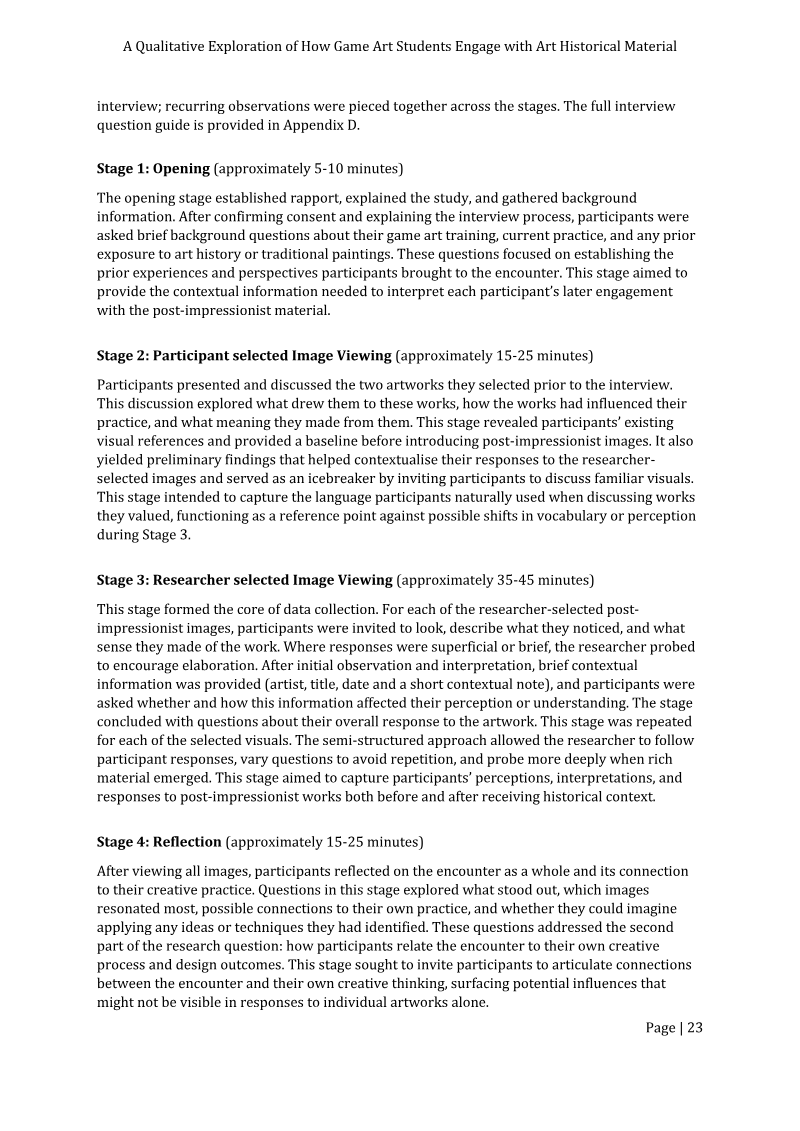
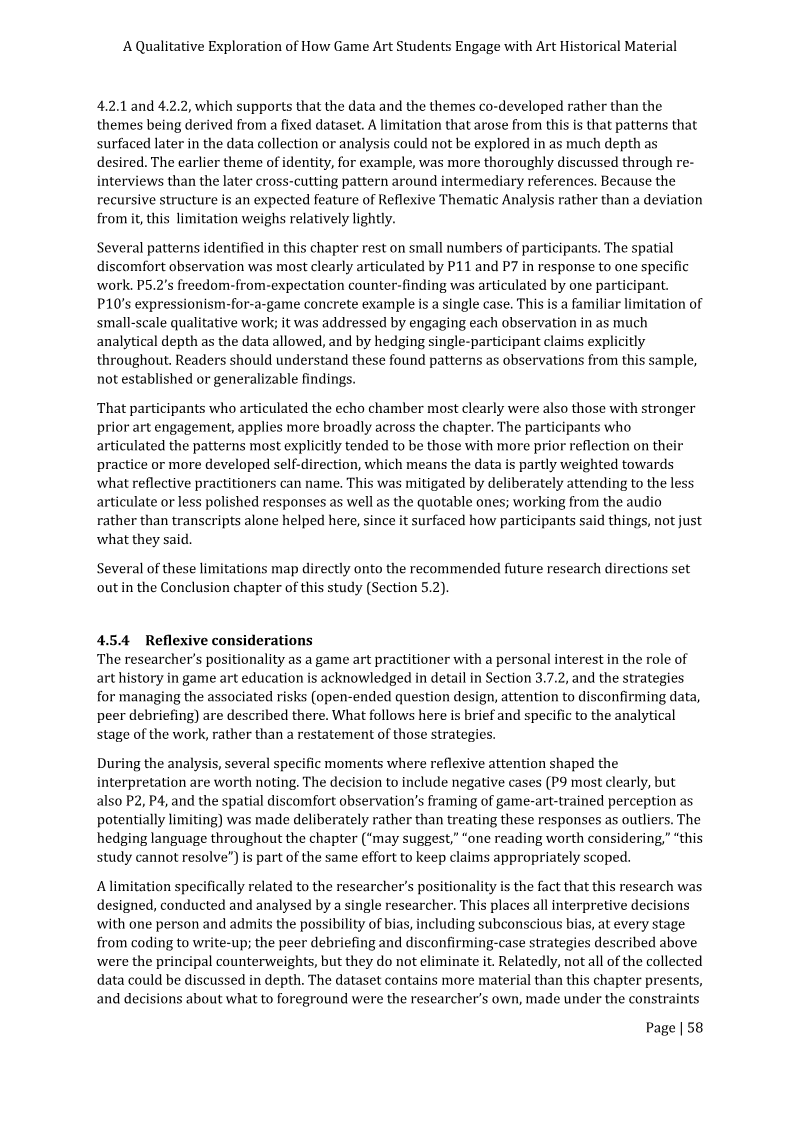
Breda University of Applied Sciences · 2026
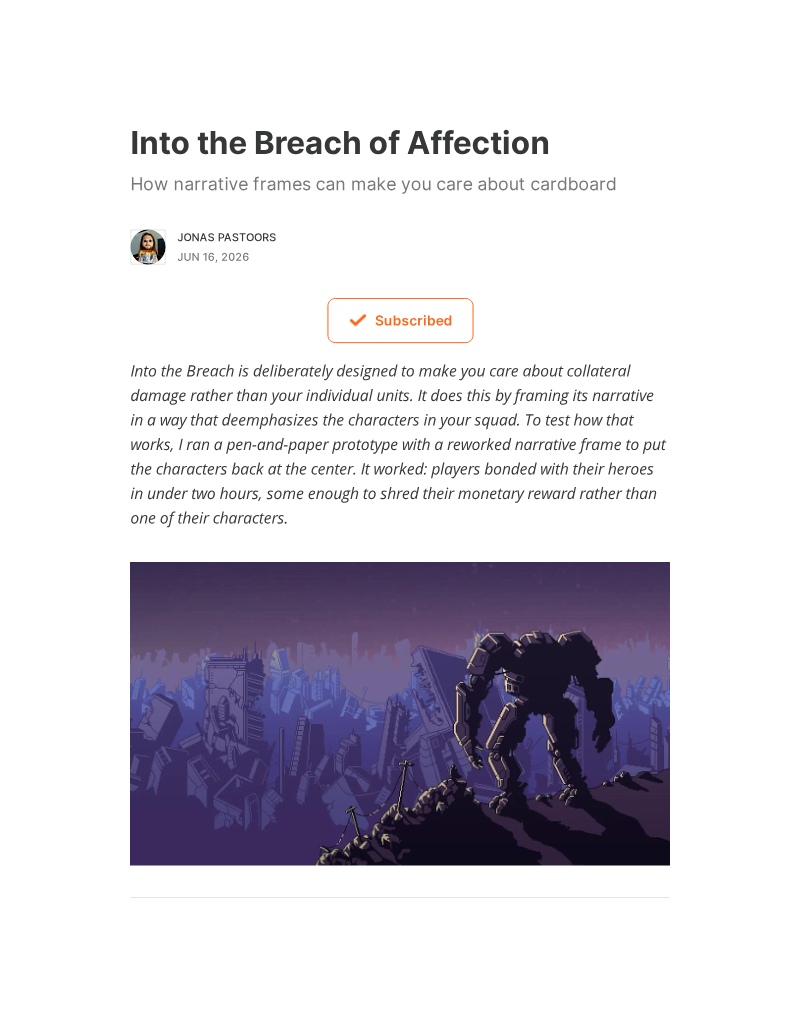
Breda University of Applied Sciences · 2026
Breda University of Applied Sciences · 2026
Breda University of Applied Sciences · 2026
Breda University of Applied Sciences · 2026
Breda University of Applied Sciences · 2026
Breda University of Applied Sciences · 2026
Breda University of Applied Sciences · 2026
DiGRA · 2025