1 free read left. Create a free account for unlimited reading + AI research.
Create free accountWhitepaper DiGRA
1 free read left. Create a free account for unlimited reading + AI research.
Create free accountWhitepaperDiGRA
Prototype changes averaged about 2.2 days apart, while document revisions averaged about 19.1 days apart.
Faster prototypes. Prototypes change about every 2.2 days on average, versus 19.1 days between document revisions.
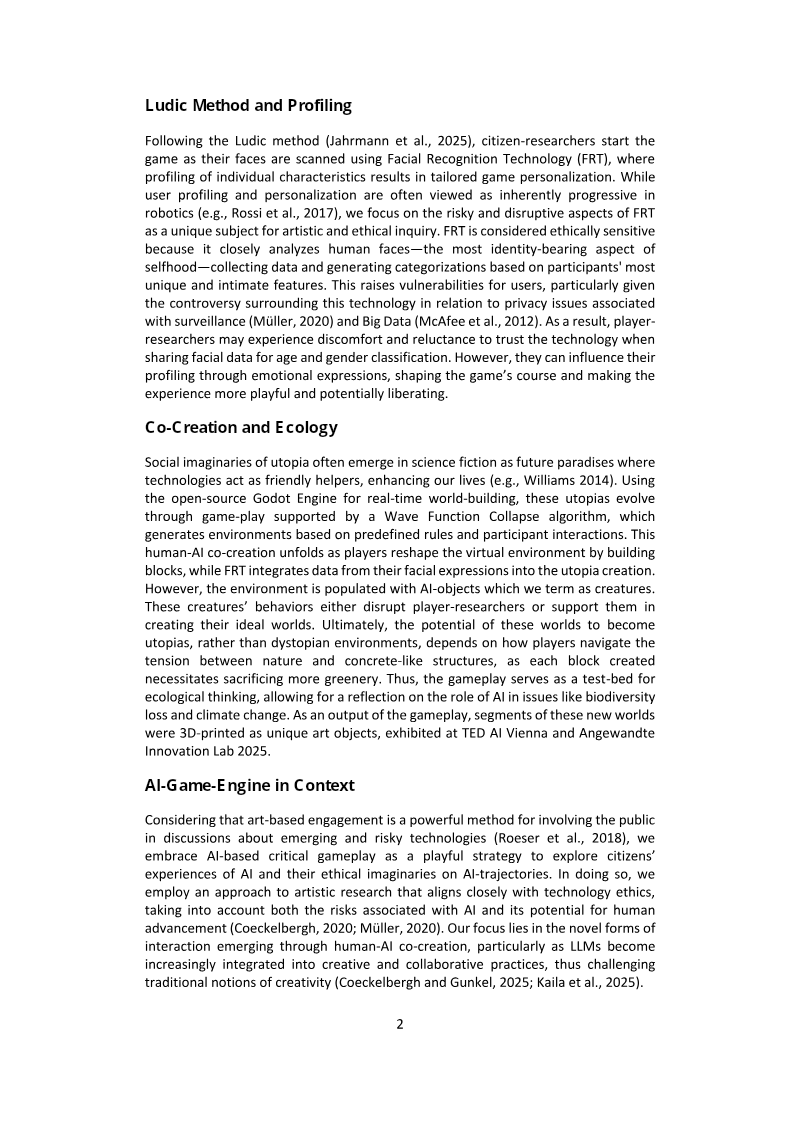
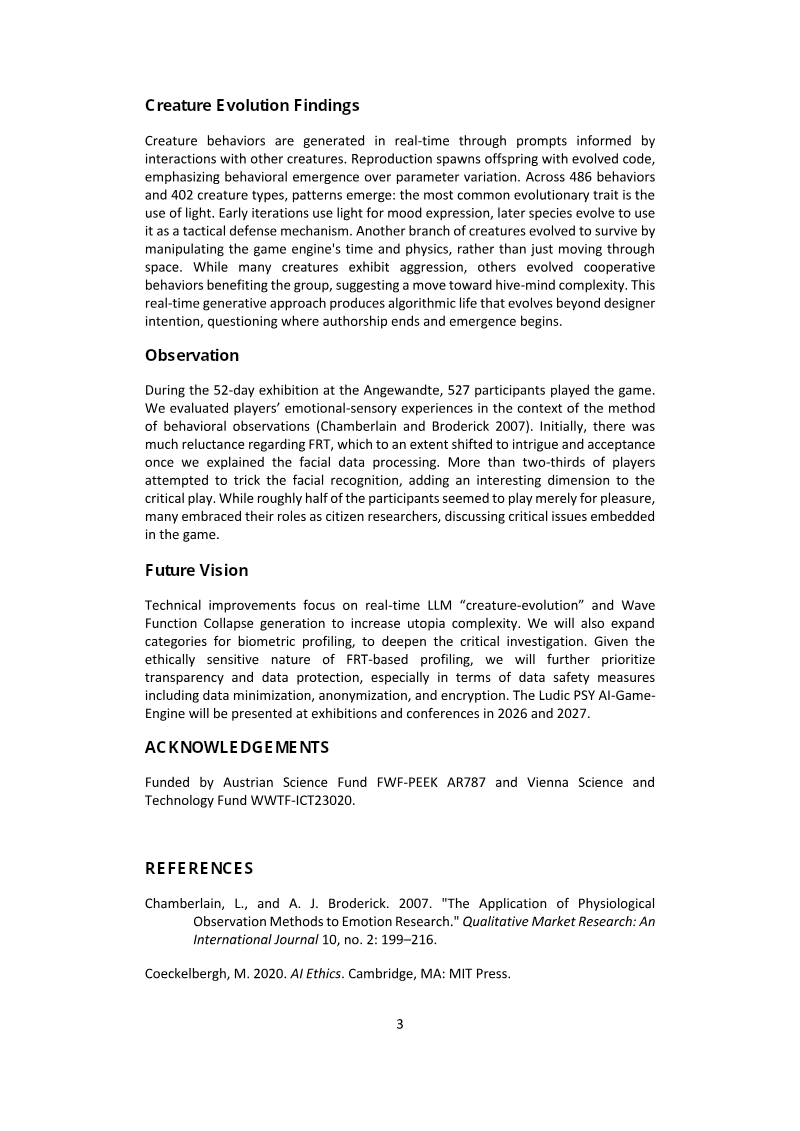
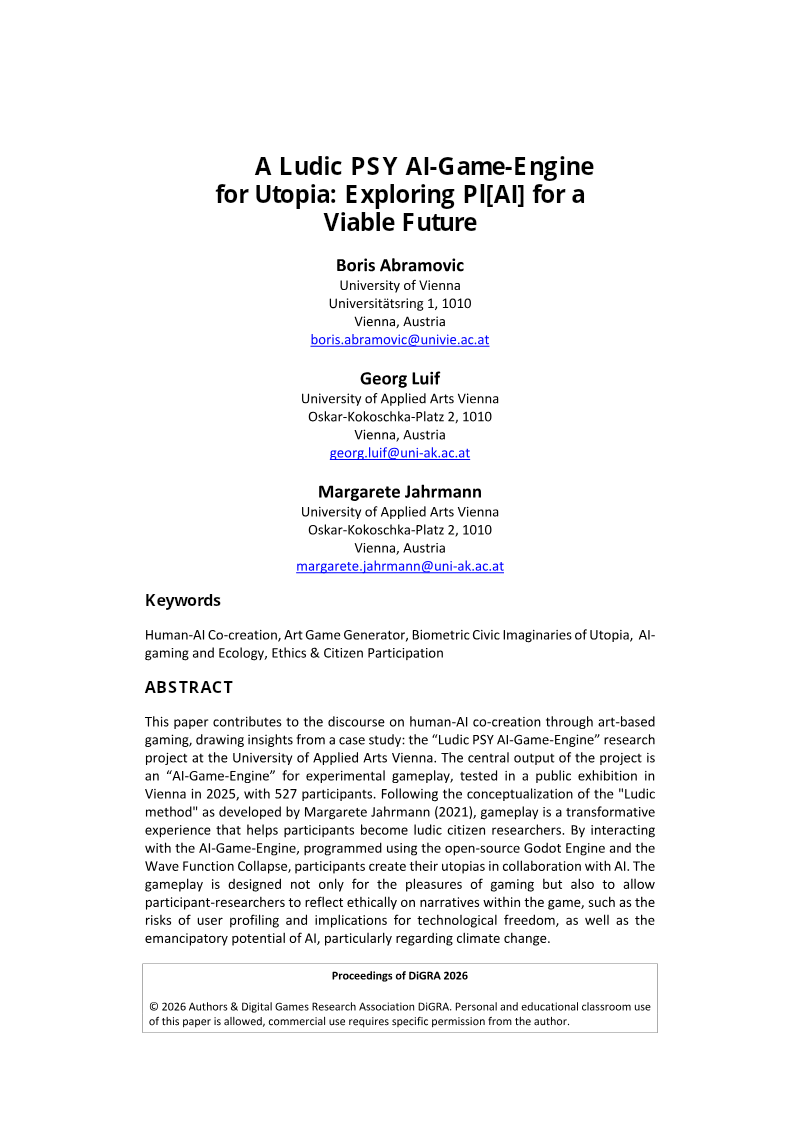
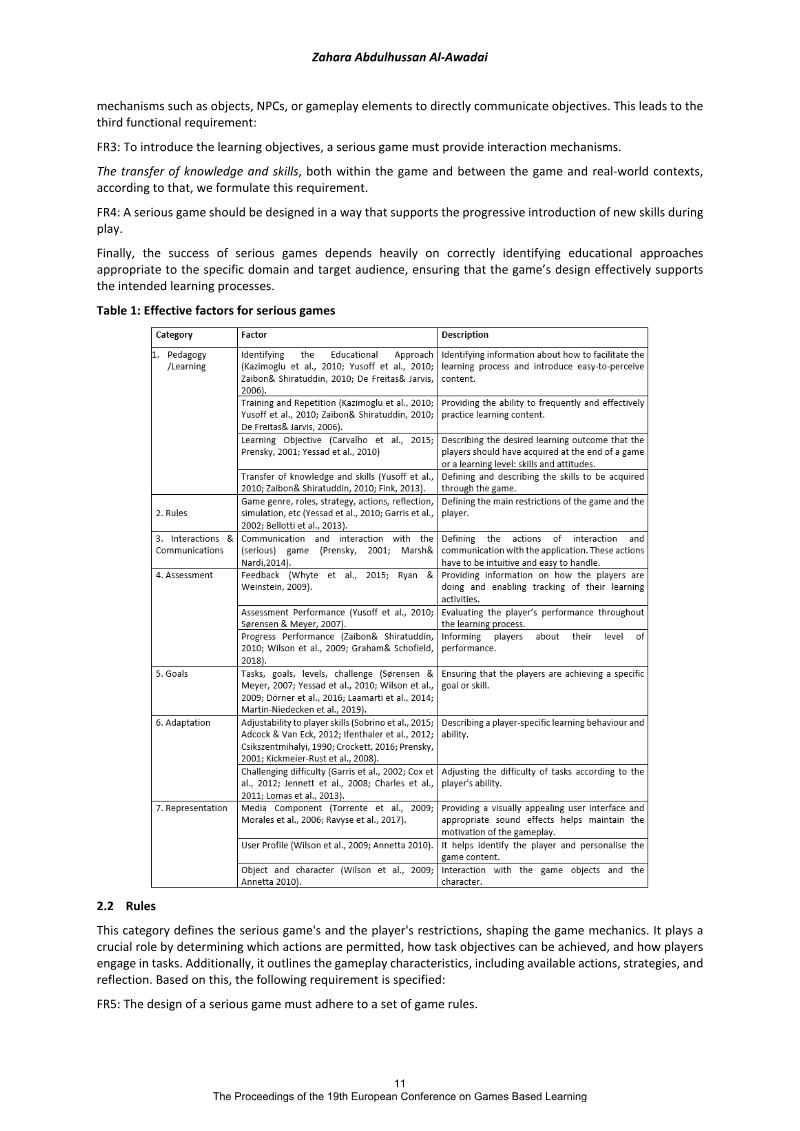
This study examines how university students in game design courses at UPF and UCM create and use Game Design Documents (GDDs) over a multi-year period. Its central argument is that novice designers treat GDDs primarily as documentation rather than as active design tools, and that their design decisions are shaped more by informal team discussion than by the methods taught in class. The authors contend that existing game design literature offers broad theory but lacks the concrete, adaptable methodology that student teams working on prototypes actually need.
The analysis of 40 annotated GDDs and 50 projects reveals that teams prioritize technical prototype development over design documentation. Only 19 of the 40 documents show any evidence of iteration. Coverage is heavily weighted toward the game world, visual elements, and setting, while rules, mechanics, and narrative logic receive comparatively little attention. Prototype updates occur far more often than GDD updates, averaging about 2.2 days between prototype changes versus 19.1 days between document revisions, suggesting that much of the real design reasoning happens in undocumented conversations and messaging channels.
The documents also reflect the engineering backgrounds of their authors, with heavy reliance on lists, tables, and flow diagrams. Students tend to regard the GDD as a finished deliverable rather than a living design artifact, and they emphasize technical execution over narrative and creative considerations. To address these patterns, the authors propose continuous documentation workshops, structured meeting checkpoints, GDD self-evaluation, and more balanced templates. They acknowledge limitations, including a sample drawn only from engineering students, data from two Spanish universities, and possible bias arising from the authors' own course materials.

DiGRA · 2026

DiGRA · 2026



DiGRA · 2026



DiGRA · 2026



DiGRA · 2026



DiGRA · 2026



DiGRA · 2026



DiGRA · 2026

DiGRA · 2026



DiGRA · 2026



DiGRA · 2026

DiGRA · 2026
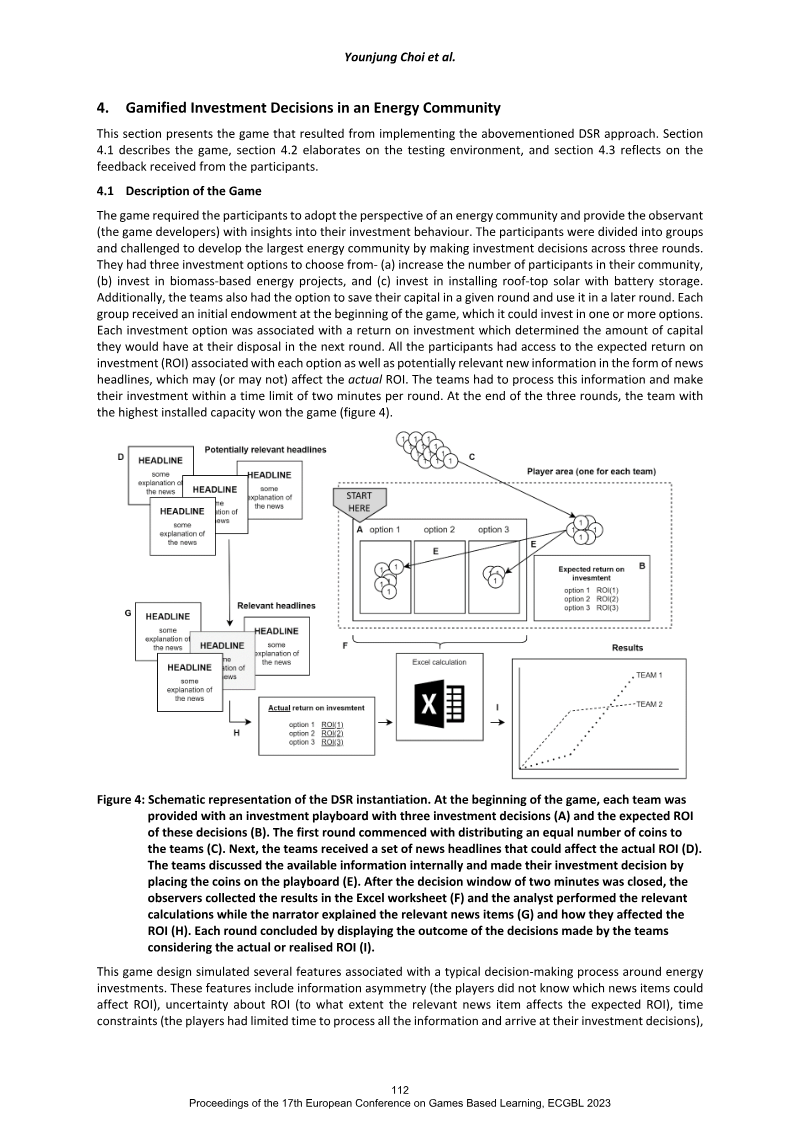
European Conference on Games Based Learning (ECGBL) · 2023