
The games industry faces a significant structural failure in its inability to effectively transfer institutional knowledge and professional judgment from experienced veterans to newer talent. While the industry excels at accumulating individual experience, this expertise often remains siloed, resulting in a substantial opportunity cost. This scarcity of mentorship is driven by three primary factors: the lack of support for technical experts promoted into leadership roles, a systemic tendency to treat developers as disposable resources rather than long-term investments, and the existential pressure of short-term development cycles that prioritize immediate project survival over long-term human capital development.
Mentorship is distinct from coaching, which focuses on immediate performance and specific skill gaps. True mentorship is a long-term, personal engagement centered on developing judgment and navigating the broader arc of a career. Effective mentorship is bidirectional, as both parties benefit from the exchange of historical perspective and current, specific reality. Successful relationships rely on consistent, mentee-driven agendas where the mentor narrates their thought processes rather than simply providing answers.
The benefits of fostering a culture of mentorship are empirically supported, with data indicating that employees with mentors report significantly higher job satisfaction and retention rates compared to those without. For studio founders, establishing an environment where knowledge sharing is an explicit expectation is critical for long-term success. By prioritizing the development of staff, studios can create a compounding effect where mentored individuals eventually become mentors themselves, fostering greater team morale, velocity, and institutional stability. Ultimately, the transition from craft mastery to leadership is the area where mentorship is most vital yet currently most absent, representing a critical area for industry improvement.
Game Studio Unlocked · 2026
Game Studio Unlocked · 2026

Game Studio Unlocked · 2026
Game Studio Unlocked · 2026
Game Studio Unlocked · 2026
Game Studio Unlocked · 2026
Game Studio Unlocked · 2026
Game Studio Unlocked · 2026
Game Studio Unlocked · 2026
Game Studio Unlocked · 2026
Game Studio Unlocked · 2026
Game Studio Unlocked · 2026
Room 8 Group · 2024

GameAnalytics

East Side Games
Poki · 2026
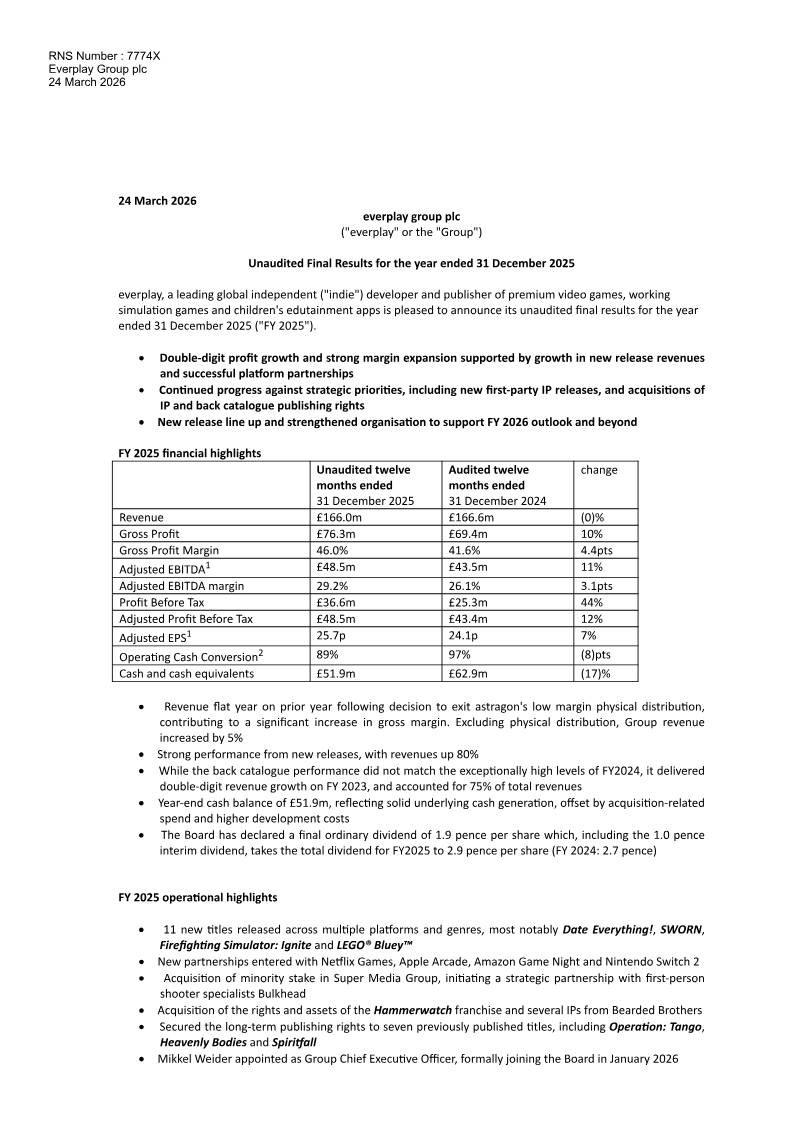
Everplay Group · 2026
BITKRAFT Ventures · 2026
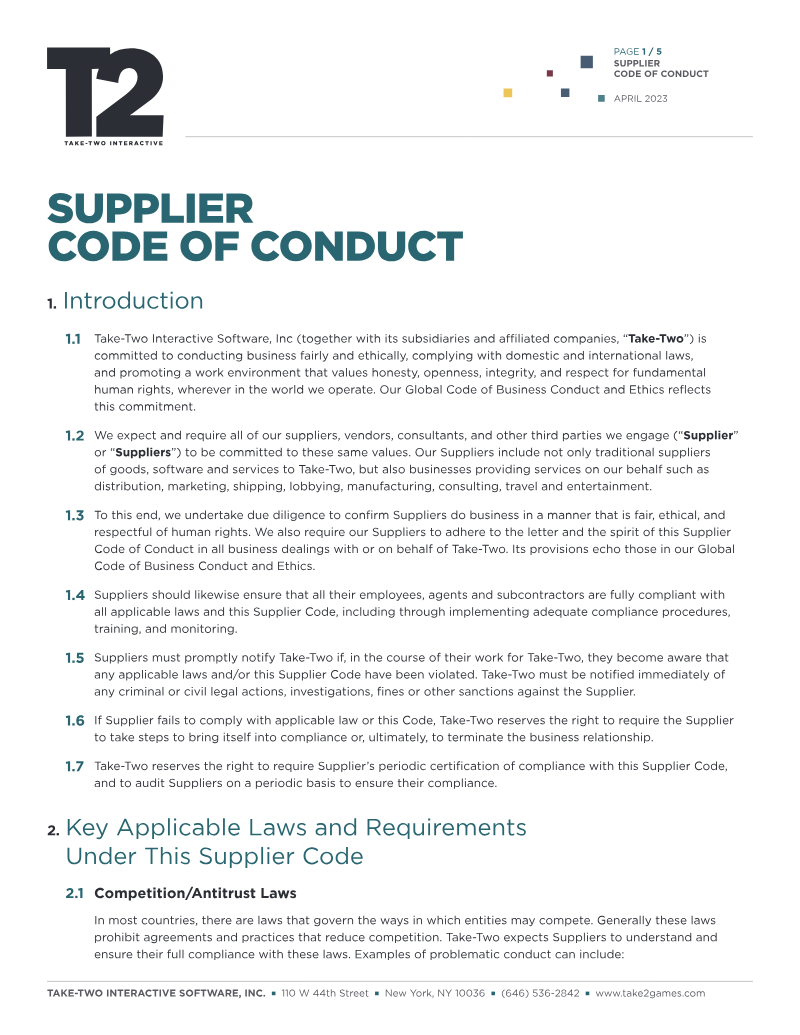
Take-Two Interactive · 2026
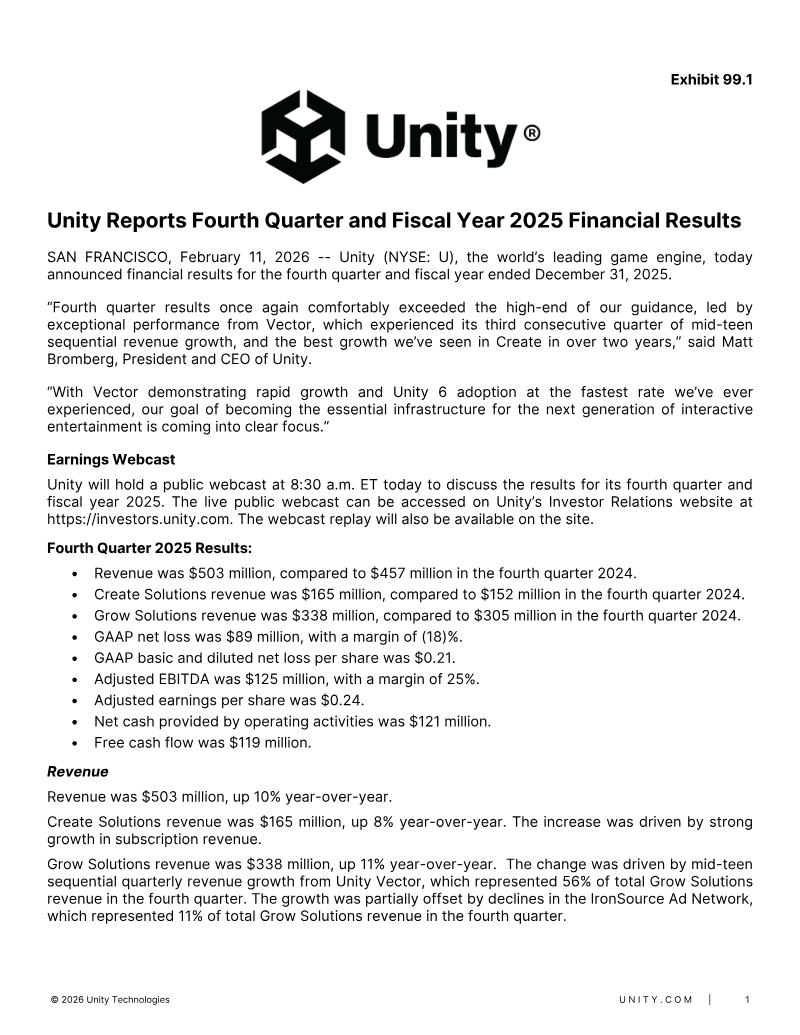
Unity · 2026
Sensor Tower · 2026
Poki · 2026
InvestGame · 2025
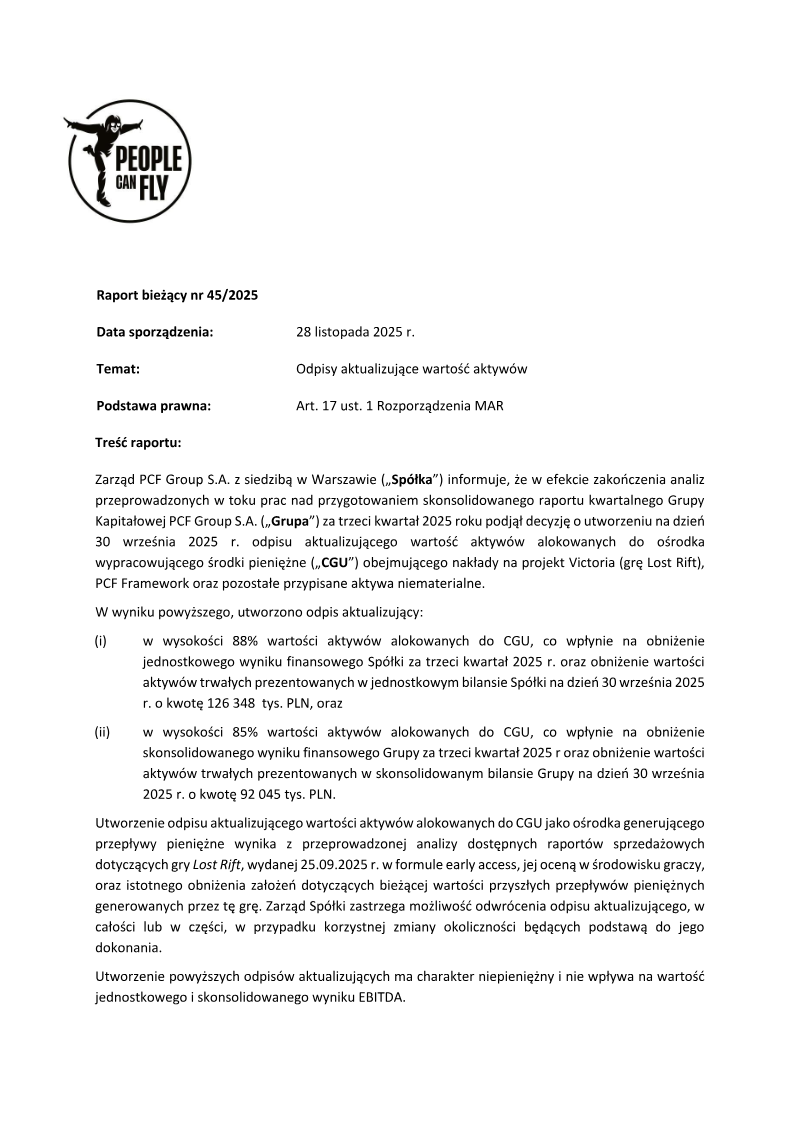
PCF Group · 2025