1 free read left. Create a free account for unlimited reading + AI research.
Create free account
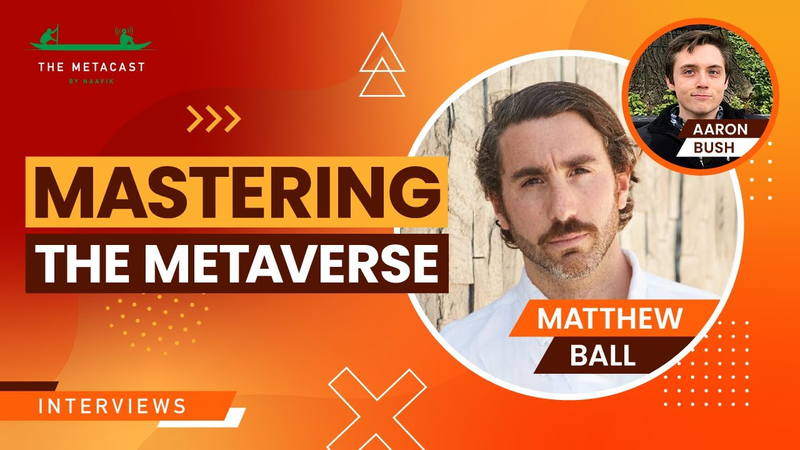
Matthew Ball: Gaming x The Metaverse - The Metacast By Naavik
Key insights
6 takeaways- 01The metaverse is evolving from isolated platforms like Roblox and Fortnite into a unified, interoperable system of systems that requires shared protocols for identity, data exchange, and asset portability.
- 02Industry progress toward interoperability is currently being facilitated by the Metaverse Standards Forum, which aims to move companies away from closed-island competition toward collective ecosystem health.
- 03The industry is adopting cross-platform data sharing models similar to credit reporting systems to improve overall digital integrity and combat toxicity and harassment.
- 04Massive Interactive Live Events (MILEs) are emerging as a new genre that utilizes cloud infrastructure to enable millions of concurrent users to influence shared, canonical narrative experiences.
- 05Gaming-native infrastructure, simulation engines, and live-service business models are becoming foundational to the broader digital economy, forcing traditional media companies to adapt or risk obsolescence.
- 06Future innovation will be driven by a generation of digital-native creators who are transitioning from consumers to founders, shifting the focus of 3D real-time spaces toward social, educational, and professional utility.
Ask AI about this video
Transcript
[Music] hold up [Music] hi everyone and welcome to the metacast by novik a podcast in which we explore the business and future of video games i'm aaron bush co-founder of novik and your host today and i'm delighted to be joined by matthew ball matthew has been an inspiration to me he's a brilliant thinker prolific essayist active investor founder of ball metaverse research partners a producer of media and now a published author his new book the metaverse and how it will revolutionize everything is officially out i read it this past weekend the link to it is in the show notes below and i highly recommend it to every single person listening to this episode so matthew thank you for carving out some time for navic today
it's my pleasure i've been reading for some time and it's really nice to get on the other side amazing so for my lead in question i was going to ask how it feels to officially be a published author now but i just saw a tweet in which you shared that your kd ratio in fortnite just tipped 40 today and you're you're casually winning 27.6 of your games this season all while going on a book tour among other things which wow so you know can you share any quick glimpse or hint into your secret sauce of what makes matthew ball an insane fortnite player right now so we this is actually down my kd's up but last season we managed a 40 win rate i maintain that we've broken the meta and none of the things that we're doing end up getting nerfed and so that does suggest that we we have figured something out that the rest of the players have i looked it up the other day on fortnite tracker
and it placed me as the 39 000th ranked fortnite player i'll be very honest with you i'm not that good uh i don't play on pc which is offensive i know and i'm just not that good but we've just figured out how to break the meta in these past two seasons but as a result i can't i can't tell you how i would be violating the squad's advantage to put it out to this audience that's totally fair i just had to ask well okay in our in our 30 or so minutes together today i have hopefully you know four or five more serious questions for you that all center around the intersection of the metaverse and gaming and first to set context i really like how you tackled definitions at the beginning of your book you explained that there are individual virtual worlds then essentially platforms of many virtual worlds which you call meta galaxies like a roblox and then the metaverse starts to come to fruition when those meta galaxies and their various disparate worlds begin connecting in
some ways now we've had virtual worlds and gaming for decades and we've had meta galaxies for a while and if anything it looks like the realm of meta galaxies those virtual world platforms is going to be an increasingly hot zone in the next few years but how do we especially in gaming matthew go from the step of meta galaxies existing in islands competing for users to the metaverse connecting them in some way what what are those first notable ways you expect that connection or interoperability to happen in gaming and who do you think will be behind it sure so to take a step back i take a look and i didn't devise this methodology there have been a number of different reports from ieee and others and they basically say that you can think of a virtual world as a planet literally and then you have meta galaxies which are fairly tightly federated collections of virtual worlds that would be your roblox with 70 or 80 million that would be your fortnight creative you can even talk
about call of duty should you so choose with multiple different maps these have different degrees of tight integration similarity of tech stack interoperability of items common policies common discovery but what's key is that there's a central authority managing them and that's why you have that federation when we talk about the metaverse we're talking about the underlying protocols upon which all things can connect but they're very distant often this is where the analogy becomes helpful we don't think of different systems or galaxies being that close to one another in fact exchange relatively limited information even though they run on the same physics right now we have virtual worlds and we have meta galaxies how do we establish beyond that that's where we have buzzwords right interoperability systems of systems frameworks of frameworks to either standardize information so that it can be easily exchanged or so that we can take different information
and interpolate it into one versus another in the case of the metaverse as opposed to the real world that requires policy not just technology we have to admit we have to import and export and so we don't have the standards and we don't have the openness but we are starting to see that the metaverse standards forum was formed a few weeks ago you have meta and microsoft though of course not apple google or amazon you have unity and epic you have intel and nvidia you have qualcomm and broadcom all coming together to drive interoperable standards at the same time the establishment of body is the easiest part the determination of standards is harder the deployment of those standards is harder still because it requires different participants to make choices that they didn't want and which actually might technically under optimize their system to build towards systems that their
competitors wanted and advantaged and so this is hard we're at the easiest step but that's starting and then the second element is the policy one we're seeing outreach now roblox as cbo as well as the founder and ceo have talked about how they want to pursue interoperability even to the point of using nft wrappers for skins epic talks about it extensively mark zuckerberg is talking about it extensively and building programs for him so i'm hopeful that we're seeing progress on both in your book you acknowledge that some enablers of the metaverse like lowering latency or shrinking down compute to fit into eyeglasses uh those will take a long time to properly solve for um but as a analyst and investor what are a couple areas in which you're excited about seeing awesome progress in the near term and bonus points of it connects to gaming well i'm i'm pretty excited about the psvr ii personally i haven't used it i've heard of a lot of
people who have used it and they are all really impressed i mean look this is expensive hardware i think 5.99 it's linked into a ps5 and so you're talking about a very very expensive device and that seems to come through in performance in build in accelerometers and rumble but it excites me because i am just the biggest fan of playstation's intellectual property i love horizon and the idea of doing that with a 4 or 8k display in a form factor that fits gaming pretty well which is to say shooting a bow and arrow in an immersive environment that's gorgeous that's exciting to me beyond that the thing that actually gets me the most excited these days that i've been spending a lot more time with as i think about the metaverse as a social product and a societal one is the microsoft adaptive controller mixed with the many investments that game developers like naughty dog are making into accessibility i think are extraordinary
we have actually never had an industry that is more inclusive than it is today no matter all of the problems of the past and that extends into senses it extends into hardware devices and we're also starting to see it in policies i mentioned in my book we are seeing the starts of cross-platform interoperability for the management of abuse toxicity and harassment in the credit system and if you go to the 70s and 80s when we started using credit scores the banks believed the most important privileged information they had was their credit history because it allowed them to make better financing investments than their competitors but they soon realized they had a fundamental problem they didn't have all of the data which meant that they had flawed decision-making and that some customers would go from one bank to another and that new bank would not know the credit worthiness or dis worthiness of that person and so they started to open up their credit systems
we can talk about whether or not i'm ever going to be able to take pili from fortnite into call of duty but we're seeing publishers and platforms say to stop abuse to minimize toxicity we need to exchange information for the health of our systems across our users so that someone can't just troll from a to b to c so those three really enhancing accessibility from hardware from software and then in abuse and harassment i find really inspiring yeah it definitely is and i want to throw a fourth one out there for you which i know you're focused on which is miles uh massive interactive live events your portfolio company genvid technology seems to be doing really cool work in pioneering this new genre of interactive entertainment and i know you're working with them to produce a walking dead mile right now which generally sounds like it would just be you know a ton of fun to to be a part of um so i have to ask and
you might need to define a couple terms in this answer but um why are you so bullish on miles why now and i'm just curious what have you learned as a producer of one so far sure so excuse me i'm still getting over covered unfortunately perfect for a book tour let me tell you so let's take a look at the walking dead because it's such a specific example for nine years the walking dead was the biggest show on basic cable for five years it was the biggest show on all of cable and for four years it was the biggest show on all of television if we go a decade earlier than that the biggest show was american idol and american idol was in many ways a mile a massively interactive live event why because it was interactive we voted it was live we saw it unfold but and it was massive because there were millions of us and of course that turned it into an event but
at the same time it was so limited why because it was highly asynchronous you would make a decision and it would affect the outcome a day or a week later it was kind of disempowering you don't know whether you mattered and your ability to affect it was relatively limited right you were one vote and it was just a vote you couldn't pick song you couldn't pick contestants you could just choose who you wanted to stay and so the idea of miles is to say we now have the technology through the cloud to create a single charted experience that truly millions of people can watch at the same time this is possible because they're not individually generating a or managing a gpu instance so it's not like you having a cloud stream it's everyone watching the same cloud stream and then you can have millions of people all working together or often against one another to shape one of the biggest franchises in history and this mile the walking dead the last
mile on facebook watch is canonical to the comics robert kirkman the creator helped shape the story and has said it's canonical and a whole team of hollywood writers and game writers are assembling it i find that super exciting the challenge with cloud gaming was it didn't fundamentally change how many people had time for aaa games it didn't reduce the skill required i don't truly believe it meant it reached more people than the traditional console or tablet ecosystem but something that asks less that trades off a little bit more between interactive and that allows people who say i want to work hard or i don't i find that really thrilling as a producer i produced a prior mile rival peak that was more of a beta think of it as an ingress style niantic experience and that we have more and bigger ip coming down the daca for which the walking dead is won but it's always illuminating to get on the creative process i'm producing a few
major television series and games i just wrote a book and it's extraordinarily different to truly be on the inside creative i've come out with a totally different perspective and more empathy understanding inspiration admiration for you know truly full-time creatives especially the serial ones and i kind of want to double click into that briefly for a moment just because i'm so curious um and just because you've been involved in so many different types of media when producing a mile maybe just in a bit more detail like how how is it different from producing a game or a show like what is um as a producer is like just unique about making a mile happen versus other forms of entertainment and if this is going to be you know a more important genre of media in the future um how do we what what are you learning that will help us uh level up even more going forward yeah so this is the second mile that genvid
technologies and jacob novot the founder and ceo have produced we look to others like twitch plays pokemon as probably the first version the difference is twitch plays pokemon was an adaptation of another game that was kind of hacked together to work as a mile and so what that means is the sample size for learnings are relatively few what do people want to do what do they not want to do what emerging behaviors do you corral versus discourage what does monetization look like how does it differ by genre by age by intellectual property these are not known we are testing them and there's a medium post by jacob novoque that you can find last year where he talks about the in the 13 weeks of rival peak all of the patches that they made new game mechanics match threes and tile based games and bejeweled that were being shipped week to week to respond to what people wanted
and so when you ask as a producer we spent a lot of time thinking about game loops about monetization about what people want to do but we're mostly trying to learn as we're going and being responsive at the end of the day that means that as more third-party miles are produced we'll have a larger training set to become smarter and they will be able to access our learnings but the hope is and as has been proven by candy crush and others that that first mover advantage that data that we're accumulating the better understanding of game design can be really powerful and enduring and can help build some of the world's greatest content awesome well i look forward to following along and learning alongside you and the team as you you buy near the space somewhat tangential but it's long been my theory that whether you believe in the metaverse as you define it or not there's a clear long-term general convergence of gaming big tech and big
media or set another way the convergence of world-class infrastructure and platforms ip and virtual world know-how um there's a lot of evidence that big tech from microsoft amazon meta etc is focused on gaming but even though there's some corners of interest in gaming from traditional media and companies like sony obviously and more recently netflix lots of players like disney warner brothers nbc universal and many others have not only been slow with gaming but even like in the case of warner brothers been looking to maybe get out if the metaverse through 3d immersion and virtual worlds is the future and will chip away at traditional screen time how do you see traditional media adapting will they come around and make big gaming acquisitions well they themselves get acquired by big tech and it all comes together will they cede their relevance will it be a mix depending on the company how do you think um this convergence shakes out look i i think you have the right
outline here the truth of the matter is many of the largest gaming publishers in the world are as if not more valuable than the largest legacy media companies some of them will probably buy some of the traditional film studios it's not crazy to imagine that get a you know two or three billion at peak valuation company these days it's deeply depressed and they're spinning off stars might get acquired by another company if activision blizzard hadn't been purchased by microsoft and they had their blizzard studios division that wouldn't have been a crazy acquisition and that is to say that the next crop of entertainment giants obviously includes gaming native publishers there's still the opportunity for m a ubisoft could be purchased capcom could be purchased konami or square enix but they can just as easily keep growing it's hard to see exactly how the landscape plays out we know that nbc
universal was seriously considering electronic arts and so we can see a bunch of transformative movements but whether or not one goes to the other or the other comes back or it's both which is the more likely outcome the point that you made which is the ascendancy of these experiences their design principles but more importantly the technology of live services of free-to-play micro transactions of simulation engines like unreal and unity those aren't just underpinning much of our economy today we have in the past year and a half metaverse aside meta aside come to realize that those skill sets long overlooked are the foundations of our digital future yeah makes a lot of sense um you know slightly tangential and then we'll then we can move towards wrapping up um the most recent era of mega entrepreneurs was people like
zuckerberg or evan spiegel or the culson brothers or vitalik who generally used their computer science knowledge from childhood to eventually transform how we think about being social conduct payments um what assets are on the internet but this generation is now all in their 30s and 40s it's someone like vitalik being an exception and this obviously isn't to say that aging people can't create amazing businesses they do and always will but what as you've pointed out elsewhere we're nearing the the next era where the brilliant ipad roblox kids of the past few years are going to show the world what they're made of and their building is going to build shape and be within the metaverse in ways that's just different from the previous era and obviously the future is impossible to predict with precision no one specifically saw snapchat or ethereum coming from a distance and you know everything you just said about it's even hard with like in the media landscape to see how exactly things will will shake out all that's true but
matthew i'm curious if you had to guess um what are the zones in which you think this next era of virtual world native builders is going to have an outsized impact and build huge important things that shape how we use the metaverse you don't have to give specific ideas but i know for example um in your book you you like break down the metaverse by key technologies and key key areas that are going to need major improvement i'm just i'm just curious from this next era of entrepreneurs who have virtual world native experiences um as an investor as a follower of the space where where do you where are you looking to see them have an outsized impact what do you think could happen there that's a good question i don't know that i i think about it that way in the sense that i have a broad thesis around 3d real-time and social experiences on on graphics based computing at large
and there are some focal areas that i find really interesting education architecture engineering and construction and then of course further innovations around social virtual experiences but because i try not to be super specific about the exact way in which it's going to play out you know we talk about snapchat there was no plausible bullishness on mobile that would have led you to say okay ephemeral sexting will build one of the world's largest augmented reality and social black right and so instead i focus a lot more on the specific ideas that i see from the companies that i invest and the entrepreneurs to get back to jacob and miles you know i've long been a student of different forms of content and the interplay between technology content and business model but jacob was such an inspiring entrepreneur because he had spent a decade working on this problem at square enix building up their cloud streaming division in the early 2000s late or late 2000s early
2010s and so you see someone with the network to execute with the years of experience in r d frustrated by what hasn't been possible excited about what is and then has this general understanding of what the future can look like and that's the point we don't know what a mile is exactly going to look like he doesn't know the answer and i certainly wouldn't say i'm excited to see miles and leave it at that but the journey of saying we can do something different millions of different people affecting a video game at the same time broadcast around the world that gets excited and then the best part of my job is we then figure it out and half the time we're wrong half the time we're right and a portion of that latter category is just deeply inspiring yeah that's a great answer it was a it was a tough question i threw at you so um makes sense what you said i think personally i'm obviously there's going to be innovation on so many fronts as you said we can't
predict it but i'm so curious to see um just as the nature of the internet and the metaverse evolves that the way that people are going to come together um at enormous scale is just going to be so different from what it is today and i just have a feeling that um a lot of these new virtual worlds that could spin into platforms could spin into really interesting technologies they're going to come from the people who have been native to it um and so i'm just so curious to follow along um on what everyone is building and how you know we're you know as an industry as a broader movement you know rethinking community and rethinking um you know how to motivate just enormous groups to come together to accomplish new things in ways that just haven't been possible before um so i don't know that's my answer but yours is probably a lot smarter than mine i have a um final short bonus question uh for you matthew and then we can we can quickly wrap up uh now that you are a published
author what is next for matthew ball and how can everyone listening best follow along oh that's that's fun well look let me let me hit one thing back that i think is is important that you just emphasized i think of these innovations as having three different layers or really you can think about four the first is when a new thing is possible and that's critical because it predates an experience being built on top of it you could have built facebook before zuckerberg did and that's important we have something that's newly possible then someone builds for it same thing happened with the iphone and the ipad then you have this new generation that he's grown up or growing up with that and that's the second event the third event is when they start being active media consumers we see this today when the ipad native generation started to be
able to choose what they did they did so and chose roblox on mass surprising many of us in the games industry surprising almost everyone in the entertainment industry at large and they did so in such volumes that our astonishing right roblox has more monthly players than essentially the entire aaa gaming ecosystem has ever had on a monthly basis and then the third is when they go from active consumers and hobbyists to creators and founders zuckerberg was a child of the early 90s internet irc chat rooms evan spiegel was a child of the early mobile internet and they created new products with entirely different fields we all accept that the metaverse is now under development but we're still using the products designed by those that really predated the social virtual era and we are on the cusp as you say of that next stage and so i am in some regard to answer your question excited to just slowly deprecate as the younger
generation takes over but i can be found at matthewbald.bc online i'm at ball matthew for the next six months i plan on writing a whole bunch but none of the topics are on the metaverse and going to a little bit more producing and hopefully you will see that in the walking dead which leaves beta in august another two miles that are due next year but then some large-scale television series one of which will come from a gaming franchise that many will recognize ooh and i assume it's too early to to name names or networks yet can't confirm yet okay well it seems like we have a lot to look forward to um and so everybody definitely make sure to go check out matthew's website make sure to to check out his book uh matthew i i know this has been a big milestone for you to to officially become a published author um you did a great job on your book but as always can't wait to see what's next with you and thanks for
joining today thank you man and to all of our listeners out there uh if you enjoyed this episode please make sure to give us a like subscribe five stars it would mean a lot also make sure to check out our free newsletter navic digest and if you want extra premium research like weekly game deconstructions and market updates check out novik pro links and discount codes for all of that as well as the details of today's conversation with matthew including his new book and other things are in the description as well thanks for listening and we'll catch you next time [Music] hold up [Music] you
Summary
The metaverse represents a fundamental evolution in digital connectivity, transitioning from isolated virtual worlds and federated meta-galaxies—such as Roblox or Fortnite—toward a unified, interoperable system of systems. This shift requires both technological standardization and a significant evolution in policy, as platforms must move beyond competing as closed islands to adopting shared protocols for data exchange, identity, and asset portability. While the industry is currently in the early stages of establishing these standards through initiatives like the Metaverse Standards Forum, the transition remains complex, requiring companies to prioritize collective ecosystem health over short-term competitive advantages.
Key drivers of this evolution include advancements in hardware, such as high-fidelity virtual reality, and the integration of accessibility features that broaden user participation. Furthermore, the industry is increasingly focused on cross-platform data sharing to combat toxicity and harassment, mirroring the historical development of credit reporting systems where shared data improved overall system integrity. Massive Interactive Live Events (MILEs) represent a significant emerging genre, leveraging cloud-based infrastructure to allow millions of concurrent users to collectively influence canonical narrative experiences. These events demonstrate a shift toward more inclusive, social-first entertainment that trades traditional high-skill requirements for collaborative, mass-participation loops.
The broader landscape is characterized by the convergence of gaming, big tech, and traditional media. As gaming-native infrastructure, simulation engines, and live-service business models become foundational to the digital economy, traditional media companies face pressure to adapt or risk obsolescence. The next phase of innovation will likely be driven by a generation of creators who are native to virtual worlds, moving beyond the products designed by the mobile-first era. As these digital-native builders transition from consumers to founders, they are expected to redefine social interaction, education, and professional environments within 3D real-time spaces.


















Comments