ArticleGameRefinery
Analyst Bulletin: Mobile Game Market Review March 2026
14 Apr 20261 pages~35 min full read
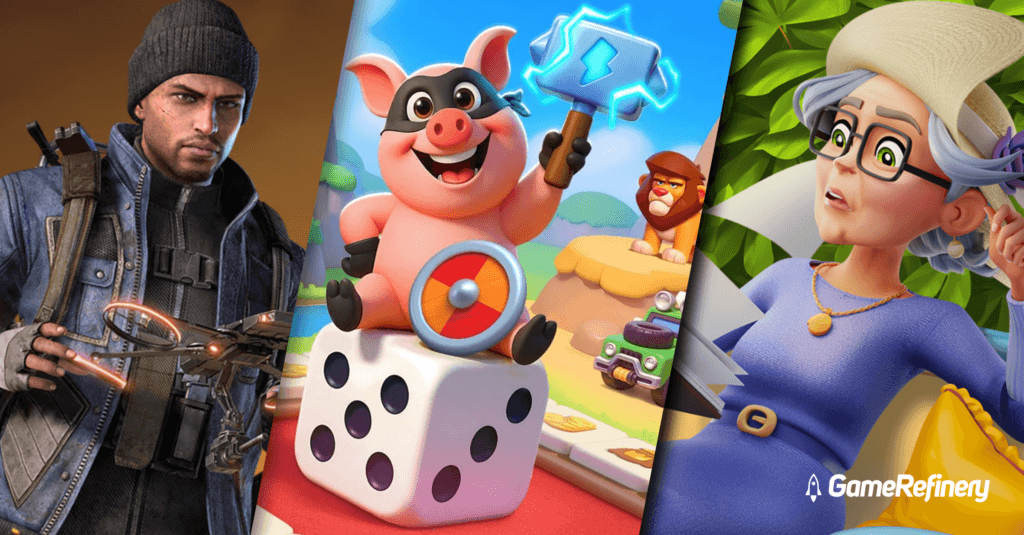
The mobile gaming landscape in March 2026 is defined by a strategic shift toward complex, multi-layered engagement loops and the aggressive integration of cross-genre mechanics. Publishers are increasingly prioritizing retention through sophisticated progression systems, such as seasonal collectible albums and event-within-an-event structures, which incentivize sustained player spending. This trend is evident across diverse segments, ranging from casual titles like Royal Match and Coin Master to midcore powerhouses such as Clash Royale and PUBG Mobile, all of which are adopting these layered reward paths to maintain competitive relevance.
Market dynamics during this period reflect a significant push toward hybrid gameplay models. Established titles are diversifying their core loops by incorporating elements from disparate genres, such as the addition of 4X strategy mechanics in Hero Wars or merge-style features in casual puzzle games. Simultaneously, the industry is witnessing the continued influence of Chinese publishers in Western markets, particularly within the Merge genre, where titles like Gossip Harbor have successfully captured significant market share. The launch of high-profile intellectual properties, including The Division: Resurgence and Roco Kingdom: The World, further underscores the industry's reliance on nostalgia-driven branding and deep RPG-style progression to attract and retain users.
These developments highlight a broader evolution in mobile monetization and design, where the boundaries between casual and midcore experiences are becoming increasingly porous. By leveraging complex UI updates and tiered competitive events, developers are successfully extending the lifecycle of their products. This strategic focus on long-term engagement through multifaceted progression systems serves as the primary driver for growth in the current mobile ecosystem, signaling a departure from simpler, singular gameplay loops toward more intricate, service-oriented experiences.
GameRefinery · 2026

GameRefinery · 2026
GameRefinery · 2026
GameRefinery · 2026

GameRefinery · 2025
GameRefinery · 2024
Liftoff · 2024
GameRefinery · 2023
GameRefinery · 2023
GameRefinery · 2023
GameRefinery · 2023
GameRefinery · 2022
GamingReport · 2025
Sensor Tower · 2023
Mistplay · 2023

data.ai · 2021
GameAnalytics · 2019
InvestGame
Adjust
Bryter · 2026
Almedia · 2026
GameAnalytics · 2026
Sensor Tower · 2026

Sensor Tower · 2026