1 free read left. Create a free account for unlimited reading + AI research.
Create free accountArticle GameRefinery
1 free read left. Create a free account for unlimited reading + AI research.
Create free accountArticleGameRefinery
The focus is shifting from pop-ups and excessive offers to increasing the intrinsic value of core gameplay.
It's like a restaurant focusing on delicious food rather than just pushing daily specials.
The mobile gaming industry is undergoing a strategic shift in monetization, moving away from aggressive conversion tactics like excessive pop-ups and offers toward enhancing core gameplay value. This evolution prioritizes long-term engagement by integrating monetization mechanics more organically into the player experience. By focusing on design-led retention, developers are finding that high-quality gameplay features serve as more effective drivers for revenue than traditional, interruptive sales strategies.
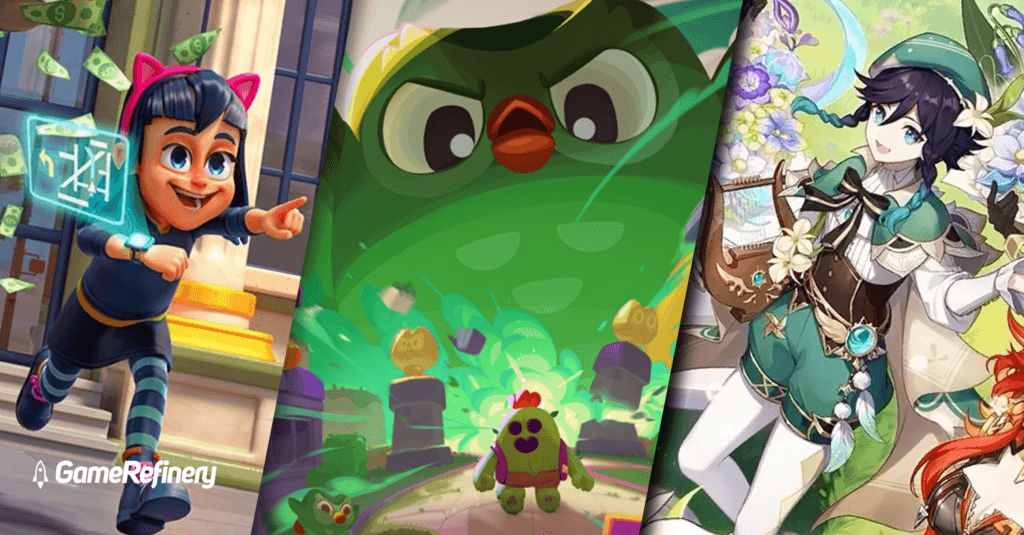
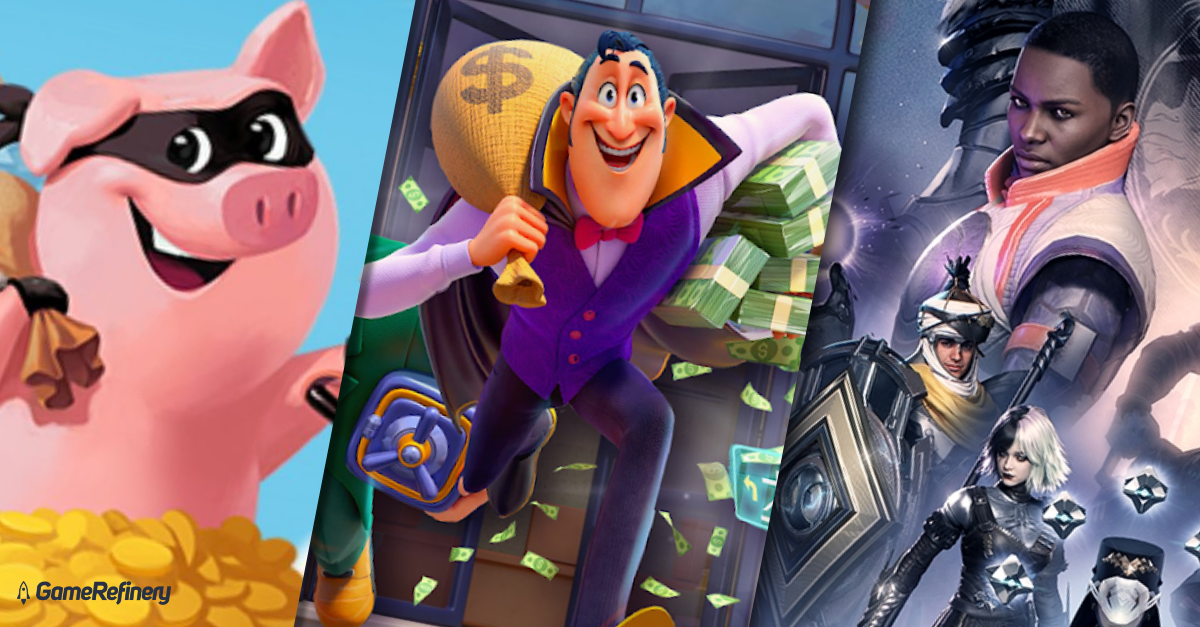
Key examples of this trend include the implementation of streak mechanics in titles such as Match Factory and Royal Match, as well as the reimagining of level progression systems in spin-based games like Coin Master. Furthermore, the industry is increasingly adopting rewarded ads as a complementary monetization lever. When implemented thoughtfully, as seen in the approach taken by Playtika’s Wooga studio for June’s Journey, these ads function as a natural component of the game rather than a disruptive element.
This analysis emphasizes the necessity of a robust competitive intelligence framework to translate market signals into actionable product decisions. By utilizing a push-and-pull model for internal communication, studios can ensure that insights regarding design, monetization, and retention are effectively integrated across large portfolios. This approach reflects a broader industry movement toward data-informed, player-centric design, where the value of the game itself dictates the success of its monetization strategy.
GameRefinery · 2026
GameRefinery · 2026

GameRefinery · 2026
GameRefinery · 2026

GameRefinery · 2026

GameRefinery · 2026

GameRefinery · 2026
GameRefinery · 2026
GameRefinery · 2026

GameRefinery · 2025
GameRefinery · 2025
GameRefinery · 2025
The Game Business · 2026