1 free read left. Create a free account for unlimited reading + AI research.
Create free account
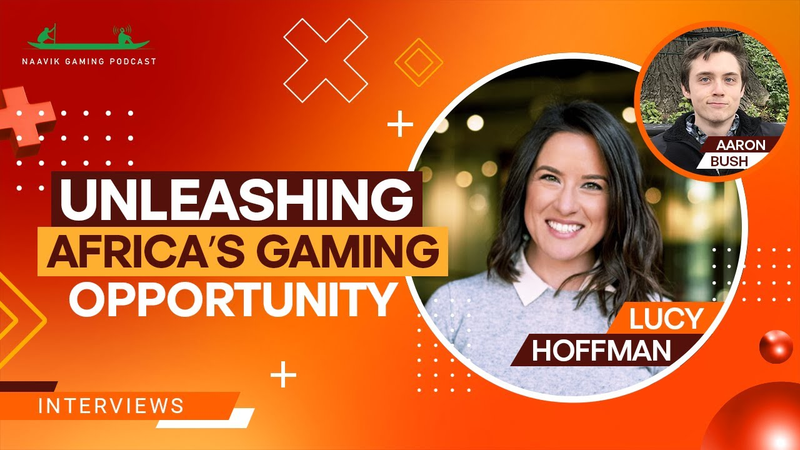
Lucy Hoffman: Unleashing Africa’s Gaming Opportunity
Key insights
7 takeaways- 01Africa presents a 1.4 billion person addressable market, mirroring the growth trajectory seen in Southeast Asia a decade ago.
- 02Key growth markets include Nigeria, South Africa, and Egypt, where the industry is focusing on genres with high cultural resonance such as football and shooter games.
- 03Scaling operations across 25 countries requires a distributed organizational structure that emphasizes local market expertise and transparency.
- 04The industry is shifting toward a vertically integrated model that combines internal game development, full-stack publishing, and proprietary financial infrastructure.
- 05Successful monetization requires specialized payment infrastructure that integrates over 90 regional methods, including mobile money and bank transfers, to overcome low credit card penetration.
- 06The sector is expanding beyond gaming by leveraging established payment rails to provide broader fintech services across the continent.
- 07Technical strategies must prioritize optimization for low-spec hardware and intermittent internet connectivity to accommodate the specific realities of the African user base.
Ask AI about this video
Transcript
foreign [Music] gaming podcast where it is our mission to explore the business and future of video games we bring together the industry's brightest Builders investors and thinkers to keep a full sun current events dissect emerging Trends and games share Lessons Learned and have a great time this podcast is also part of novik's growing ecosystem which ranges from free and premium research to Consulting and advisory services for more information visit www.navic.com now let's jump into the episode hi everyone I'm your host Aaron Bush and I'm delighted to be joined by Lucy Hoffman Who currently serves as co-founder and Chief Operating Officer of Carrie first Africa's number one mobile publisher Lucy welcome to the podcast great to be here Erin and I love that we decided to wear matching green tees today yeah that's a special sneak peek
for all of our YouTube Watchers out there I get to see us us matching today so truly delightful but really excited to have this conversation today with you Lucy it's going to be a fun episode we'll discuss the mobile gaming opportunity in Africa dive deep into carry first mission and strategy and talk about life as a founder and Company Builder but first before we jump into the weeds let's just spend a few moments setting the foundation for those who don't know you or or carry first at all and maybe to start with you Lucy I know you spent most of your career prior to carry first in Investment Banking and then your chief of staff at the African Leadership Academy can you just quickly tell the story of how that worked and what you were doing before Carrie first led you to the games industry and specifically deciding to found this company yeah definitely um so I grew up in the US um as you mentioned I started my career in investment banking at Morgan Stanley
in New York and loved my time there and I think the best thing to get to come out of it was that I met my now co-founder Cordell um we were both sort of just out of University um in these really really intense jobs and um unlike him he went a pretty traditional path into private Equity I decided to do something a little bit more risky and move to Cape Town South Africa to work for a startup and that was really the start of my entrepreneurial Journey came down I worked for a fintech which we ended up selling in about two years and then I met a Founder CEO of African Leadership Academy and really loved Vision they were trying to build really the the premier educational Institution for the best and brightest students across Africa so I went worked in Johannesburg for five years growing that a little bit of work to scale into the university system and the best part was just working with you know 16 to 20 year olds
from 46 different African countries and getting to know them and really believing in the promise of the continent um but I you know basically spent the better part of a decade working with Founders and about five years ago Cordell called me up and he pitched me on starting carry first together um you know he he was in private Equity he worked for the Carlisle group with instrumental in setting up their first sub-Saharan Africa fund moved to Lagos Nigeria um he's originally from Sierra Leone so back to West Africa and started doing some in you know Angel Investing in Tech startups in Africa and realized there was just a huge opportunity in Mobile content right it was like fast growing massive population of people coming online for the first time entirely from mobile devices you see a lot of innovation and investment in in digital payments and we just thought it
was a great time to build a company that was focused on what people do when they actually get phones right and it's like connect with family and friends be entertained that's Mobile gaming and yeah just got really excited about the vision I'm somebody who you know every time every point in my career I've wanted to pick what I considered to be the next biggest opportunity and one where I could contribute so um you know having worked with Founders before I was like yeah I have some ideas around around how we get started how we go from zero to one never worked in gaming um but I'm a lifelong gamer um and so just got really excited about the vision and it's been a journey ever since awesome well that's a really exciting story and um I want to spend some time later in the episode just talking about again just how you think as a Founder building building in across this continent
um but before we do that we should probably just spend a moment um telling people what Carrie first is maybe just at a high level uh let's see would you mind just sharing what the carry first mission is and maybe paints a picture of what the company looks like right now yeah sure so so we're Africa's biggest mobile games publisher um we always say our mission is scaling awesome content in Africa by solving heart problems our games company we're an Africa prep company or a problems company um so a few parts of the business um we publish games and so we work with folks who have great IP and we help them publish across Africa um we've just started developing our own games that we will publish on a global stage um to do so we've built out a payments platform called pay first it allows our games to better monetize in the region and our Gamers to be able to buy content that they love and we've built out a
really awesome and pretty unique publishing apparatus that is allows us to really better understand Gamers across the region um serve them engage them create with them um so yeah so that's Carrie first in a nutshell great there's so much to unpack there and we'll spend most of this episode unpacking the different parts of what carry first is building and and how it all works um but but before we do that I I want us to spend some time zooming out to better understand the unique market dynamics and opportunities of mobile gaming in Africa so from a high level I think it's easy to see why Africa poses a large opportunity right it has a large growing population it's increasingly developed it's increasingly online but what is the state of mobile gaming in the continent now and are there any other mobile region specific reasons why you're
excited about this opportunity yeah I mean it's always sort of useful to work with metaphors and one that we found really helpful is is actually looking and comparing where Africa is today to where southeast Asia was about 10 years ago right you have over a billion people um diverse geographies and languages uh about the same GDP actually if you look like side by side they're most exactly the same uh yeah it's fascinating you look at credit card penetration almost exactly the same and uh mobile phone penetration actually in Africa today is higher than what southeast Asia was 10 years ago but that's not really that surprising right and you look at that and Southeast Asia today represents something like a 10 billion dollar gaming Mobile gaming Market um and that's really kind of where we set our eyes when it comes to thinking
about the market and the market opportunity and growth um you know when we think about Africa specifically you know 1.4 billion people 1.1 billion people under the age of 40 that is more than the US and China combined right so like we're talking about massive secular growth everyone's talking about incremental growth you look at like Japan's demographic trends like they don't have any young people um and so this is really where the the players are going to be um and then you just think about other things just like cultural Trends right like burn a boy selling out Madison Square Garden in New York right there's just there's a huge amount of sort of culture that's being created here massive Dynamic population coming online I think it's a really really exciting region one that folks aren't really focused on now whereas I think the first
thing I hear in most of my conversations is I'm really sorry I don't know anything about Africa to which I'm like that's okay there's a reason but I think you know five years from now seven years from now it's going to be a focus area for most yeah that's really interesting and I guess too from the outside it's it's hard to understand the Nuance of of the region like again it's you know it's notable to to spot all of the trends for this continent as a whole and go wow that's really interesting it's a big place with big opportunity but but maybe but it's also unfair to homogenize right like an entire continent so so maybe we don't need to spend too much time on this because you maybe just like unpack a little bit like Beyond just Africa at a high level of one word like like where like where are we where yeah where are the opportunities like what areas are you most excited about maybe country by country or region by region yeah yeah no
totally so we actually we really focus on eight countries um in Africa and those eight in sub-Saharan Africa we have Nigeria Ghana Kenya South Africa across North Africa you have Egypt Morocco Tunisia Algeria right really big markets 500 hundred million people there we get something like 75 percent of the GDP of their continent we think most of the mobile gaming market and each of those places is wildly different wildly different right you know you think about cultural preferences language humor uh like it's what preferences they have in terms of games right there are some similarities but that we think there's some genres that will do really well in some markets and maybe not as well in other ones um so we actually take a pretty nuanced approach within those cordios from a publishing perspective
um and then from a payments perspective they're very different and and actually each of them requires local understanding it requires actually a lot of infrastructure so like underpinning our payments infrastructure is the fact that we have corporate entities across all of these countries that we actually trade in local currency that we understand how to move money out of the country and re-emit to our partners in the US dollars right so like understanding the nuances of of customer behaviors uh the different sort of the geopolitical trends across the continent is like extremely nuanced I get most excited about a few markets that I think are just extremely Dynamic and underserved I think most folks have South Africa on their radar right it's in many ways has a lot of customers that look like tier
one whales right right there's so like you know there's a lot of attention placed on South Africa um we're starting to see even like the country be better or the players in South Africa be better served um but Nigeria man country of 200 million people 200 million people like it is wild and they it's super Dynamic it's very young very engaged the average Nigerian spends two and a half times more time on social media than the worldwide average right they're online they're consuming content they're creating and it's such an exciting Dynamic Market that's the one I get really really pumped about awesome well I could probably spend a full hour just talking about you know the different dynamics of of the region and such but we should probably spend most of this episode really digging into to carry first and more strategically and tactically how you're thinking of
actually succeeding um in in this landscape so maybe let's let's shift gears um to talk about Carrie first a bit and uh maybe to start by by my math and you can correct me if I'm wrong Curry first has raised approximately 56 million dollars in Venture funding including 27 million from from early this year to tackle that massive opportunity in front of you that you laid out that's a lot of money so I'm just curious why why raise so much what are you investing in um that so aggressively that that needs so much funding yeah it's a great question I mean honestly it's been awesome to have the support of our investors I think particularly in this climate that they continue to believe in our vision both in the short and the long term um right we talk about building the tencent of Africa or the Garena of Africa but to really have investors who understand what we want to achieve over the next 18 24 36 months has been great and really back us
um so that's been awesome I mean as we've discussed and we'll we'll unpack more uh Carey versus building a a pretty complex vertically integrated business right we're not just building games we're not just publishing games and we're not just building a payments platform but we're doing all of the above right and so you know the funding goes into how do we build this this pay first and continue to invest in its success so that we can continue to reach more players give them the ability to buy content and reach more partners that can see and unlock sort of the scale potential in the region right so that's a big part of our business and our investment going forward obviously we've started building games um now that we actually have a team of people with some experience building games on side and uh and so you know investing behind that and finally we want to work and publish the best IP in the world and you don't get the best IP in the
world without being able to truly support its growth and have the balance sheet to do so and so you know I think having some of the support financial support allows us to go and really think big about the partners that we're going to work with and uh and come to the table awesome so I want to talk about the different pieces of the business but maybe before we do that just to have a slight tangent what did you learn from the the fundraising process I'm curious how that how that opera or how that experience went for you and what you took away from it uh and learned along the way man fundraising uh fundraising is such an important activity as a as a Founder um I mean that sounds kind of obvious right but but really for two reasons one you really have to pick your head up and understand what's going on in the
industry and actually talking to investors is is really helpful right it makes you sharper as a Founder because they're you know all investors do all day long and talk to folks right so come with a perspective are asking the hard questions and so it's I mean it's really really difficult but I think it makes you better I mean the other thing we've had to learn is is also to still have our own Compass right you've seen over the last 24 months you know 2021 was insane it was like growth at all costs how can we grow faster hire a 20-person web 3 team and and then you know five months later it was what's your burn look like how were you managing head count right and I think throughout the ups and the Downs it's important as a Founder to sort of remain sober right to to really understand what you're trying to build what's important
what what are the what are the clear next steps towards building something of value for the long term so you don't get pulled in too many directions we're like you know money is free and grows on trees or the world is ending like it's always somewhere in between great yeah that's great rational advice uh thanks for for bearing with my my tangent there um yeah it's just that is interesting um but and for our Founders listening uh I'm always available on LinkedIn if you're struggling with with fundraising I have very tactical advice but that's like a whole other podcast yeah amazing uh but let's go ahead and go back to talking about the pieces of of Carrie first so we can we can dive a bit deeper into those but uh maybe just to to summarize um what I think I heard and what I have studied up a bit in preparation for this podcast too it seems like there are uh maybe four key ways in which carry first is looking to to execute on its
Mission and grow one you're developing your own games two you're publishing others games and sort of through that also building your own payments um platform um three I read that you're licensing third-party games and then four and lastly you're acquiring games to improve relaunch and publish at scale um would you say that's a a fair summary or uh have things changed or did I miss anything yeah it's a pretty fair summary we break it into sort of three components we call it games publishing and platform um so so games you know we can license games acquire games or build games um publishing are all obviously all of the efforts to get games into the hands of our Gamers and platform is the infrastructure by which we can better monetize that content right and give people the ability to actually engage with it more fully and that's really uh
more of like the technology that we're building and and it's what we call now pay first which you'll hear a lot okay cool thanks for thanks for clarifying that um so I guess we can walk through those different pieces and yeah maybe starting with publishing which seems like a pretty huge focus of yours um and to start there maybe you could just walk me through the the full stack publishing vertical what what services do you offer and who are you serving so with full stack publishing um again we can serve our own games um right so the games that we're developing or have acquired um or we can service games that we license and from Full stack publishing it truly is full stack it's thinking through distribution right obviously app store Google Play but you know folks are discovering and downloading and sharing games through other channels particularly in Emerging Markets um so having some sort of differentiated understanding there is super important
we fund and manage all user acquisition for the games that we publish and when it comes to user acquisition we're talking creatives making sure we're localizing creatives App Store optimization thinking about language optimization and our various geographies we do influencer marketing offline engagement competitive play right for so truly a full stack sort of go to market approach across our games we're live operator games we think about pricing pricing is always sort of a conversation with our partners they're really strict around Global pricing schemes we can operate within that if they're more open-minded we can think about unique pricing within our GEOS customer service VIP management truly you know all of the activities that make a publisher for games where we have a regional license that publishing is limited to a certain geography and then for games typically where we own that we own we
publish them on the uh globally cool and what's the the snapshot of where you're at in your your journey with publishing like how many games do you serve um like what have you learned along the way as as a publisher so far especially I mean you mentioned um you know managing a lot of UA and I imagine it like the the mobile gaming landscape has it's changed quite a bit over the past couple years regarding UA and um so I imagine I mean many companies have seen changed and I imagine um you've adjusted in some way too but how has all this gone for you yeah I would say it's been going well um going well and it's I would say accelerating now um so you know there are a few games we've published we did a partnership with tilting point where we published SpongeBob Krusty cook-off we've done a few publish a few other games with limited success the one that's had sort of the most traction as a game called mine rescue which we published and then
acquired um it was a hyper casual game we wanted to introduce some like hybrid mechanics uh so acquired it kind of gained a little bit more control over the road map and it's been really fun kind of working with that IP last quarter uh in Q4 of 2022 we did a publishing uh pilot with Activision for Call of Duty Mobile in South Africa and that was a huge success um you know obviously some massive IP we were super excited to work with it in South Africa and I think their big question was are there players there and from you know the start of the campaign before we launched they had something like 25 000 active players and we've been six weeks we'd like seven extra and it was just you know consumer press we had a big influencer A hip-hop musician called
Nasty C that's also like a die-hard Cod player who was the Ambassador for the campaign and just brought a completely new generation of players onto the game playing competitively we did a massive Esports and hip-hop concert event in Johannesburg had like 5 000 people show up and that was just awesome because you know we we've seen all the numbers right and I just like rattled them off to you but to actually watch folks come out and we had some reservations right because Call of Duty mobile is not a light game it's not meant for your shitty Android device right so we were wondering how it would fare and the truth is for great IP people make a plan they just get the better phone right it's cheaper than the console and that's the market we're operating in so that was a huge huge win for the organization and hopefully a sign of what what we can do for for partnership going forward and for for publishing um
you mentioned that it covers your own games it covers partner games such as working within an Activision for Call of Duty mobile and I know I I read somewhere else too you're going to start working with Riot games um as well this year which is another big win so congrats on both of those um but for the focus of publishing is it really just to serve the world coming to Africa um or is the focus also serving more like game developers in Africa and I guess help them succeed in the region but maybe outside the region too how do you think about that yeah one of the games that um we've been working with um was actually developed by a studio based based in Ethiopia called Kenny games some of the most brilliant game devs on the continent and they came up with a really cool version of Mancala Mancala is like an ancient board game it's been played all over the world very popular across Africa India Pakistan
Middle East um I actually played it growing up and it has different names in every single one of those countries by the way we loved this game we love the team we're really excited about it and actually in our Market tests it performs even better in the US than it performs in some of our African GEOS so that's when we're actually excited about uh taking this concept like homegrown in Africa and bringing it to the world I think that's a that's a big part of our mission as well right is really helping our sort of local game have a platform to learn and to grow we worked with a we did a partnership with crazy Labs last year where we incubated game devs and taught them sort of like hyper casual mechanics and one of those teams from Kenya making games um created a game that was then published by crazy labs and it was the
number one most downloaded game in the US on Apple and Android in June of last year it was the biggest success success story for an African Game Dev um cool and like definitely inspired them now they're they're hiring right I love stories like that that's great um yeah I love stories like that too um so really interesting to hear all the all the success and growth on the publishing side and look forward to seeing how that unfolds over the the next year or two as well and how that accelerates um One Piece maybe this is more on like how you categorize like the platform side of things is pay first um and this this is a part that kind of popped out to me as I was uh studying the company just because of the unique payment Dynamics in the region that you already talked about a little bit just how different countries have their own means of of how they pay for things um could you maybe just talk about the like the importance of Carrie first like why you're focused on this and like what
it really brings to the table for for you as a company totally yeah so so while our customers you know they have phones they're buying data Avenger net and they want to play games uh they don't have credit cards credit card penetration is very low but Google and apple basically rely on credit cards right so if you're downloading a game from one of those stores it's very likely that they ask you to have an internationally compatible credit card in order to make a purchase and so we're missing out on willing payers for content folks who actually want to buy but can't and so pay first we developed it to essentially give Gamers the ability to buy content leveraging payment methods that were available to them and most popular in the respective GEOS so you
know we do all the hard work to set up the corporate entities to integrate with payment service providers across the region right now we offer over 90 payment methods just to give you a sense and so and with in each of our GEOS at least the top three payment methods and they're very different right so in Nigeria it's bank transfer I will literally like buy 100 gems for you and send it to your bank account um Kenya has the most vibrant mobile money market in the world 80 of the GDP of Kenya flows through and PESA so people pay using mobile money and in South Africa everyone you know there's a more developed banking system but most folks have debit cards not credit cards and so in North Africa cash economy so we're talking about like cash to digital transfers leveraging sort of Partners on the ground and so you know we've built out this infrastructure that essentially allows
us to plug into all of this in payment infrastructure across the continent but only through a few apis integrated into games that we work with right so from a a game that wants to leverage pay first it'll take less than 10 hours of an engineer's time to integrate into pay first and they've unlocked a whole Market of folks that were unavailable to them before right I mean in a world constantly searching for incremental growth is such a clear lover right so I think that's why it's gotten people excited um you know reaching players they already have but just giving them the ability to deepen their experience um and and actually like pay for Content they want awesome yeah that sounds really exciting and it seems like a unique source of competitive Advantage too and being able to build a platform like this that you know is technically complex and is able
to serve so many people in so many places as like part of a bigger ecosystem and I want to dig into more of like the the gaming parts of of what you're building and investing into but another just founder related tangent um you know it's hard to to not you know study and look at Carrie first and um you know not be impressed by like how much you all are doing um and you know like as a fellow co-founder I'm looking at this like wow it's it's almost like you're not just building one company like you're building like several different verticals and pieces like almost founding like more than one company uh within this one company um so I'd love to hear your thoughts on how you've gone about managing that at especially at such like so quickly and at such an early stage and what you've what you've learned along the way of managing that complexity yeah I mean I'd have to say
that we I think one we have a core commitment to our overarching sort of mission right and so and we believe that the way to get there is through complexity that it's like complex by Design not by chance and um so we've chosen it so I think that that's the first step is that you that we chose it right it didn't happen to us I would say the next one is just making sure you have an awesome team uh that's delivering and and ensuring that they understand how they fit into the bigger picture but have enough Clarity on what they need to do what their next best step is in their respective domain so that they can continue building their particular pillar right and so I think that's been super important is like having the leadership there having the team there
um that's really kind of building and has the autonomy to be creative and to build where that ultimately having the vision in mind right okay cool we'll we'll spend a bit more time towards the end um talking about culture but but maybe just since we're we're on this right now could you can you maybe just share like how big is the the carry first team right now and how long has it taken to build up to that point yeah so we're about 85 people today um when we started in 2022 we were about 30. to just give you a sense of growth um we're five years old but most of that growth has really happened um the last 14 months um and it's cool it's you know working on all parts of the business we're fully distributed so uh there is no HQ as I mentioned we you know we have folks across Africa um but also Europe uh India and a few
folks in the us as well how do you how do you manage the remote work side of that or what have you what have you learned scaling under that kind of environment yeah I think routine is super important rituals and routine is super super important so we have we're very intentional about our weekly schedule and the time that we're taking with respective teammates and teams as a whole company together we have company rituals twice a week we meet as a full company um for different reasons some of it's business some of it's fun um we instituted something called travel perks so folks can actually go and visit colleagues um get together as teams and actually work in the same place and in December we had our first all-staff Retreat and just in just in Cape Town and it was awesome just like Lyman getting to know each other sharing some laughs yeah so I think I mean there's only we most of
Carrie first has been we've built basically post pandemic um and so we've grown as a fully distributed remote company and we've built that we're built in that way very exciting um yeah as a as a fellow remote first company figuring out how to you know build a team and operate across different countries and time zones and and such uh yeah it's all it's all inspirational to hear how you've managed to scale that up it seems seriously the one thing that I know I I realized last year I think I spent 80 percent of my life on the road last year and I was like oh so a remote team just means that the founder is always traveling um so I you know to go meet with teams and different GEOS and it was great I had one of the best years of my life but uh yeah it was that was notable good point good point uh well we got a little sidetracked here all for for good reason it's all super interesting but let's go
back and finish talking about kind of the pillars of Carrie first and uh I guess the the last main pillar we haven't touched on is the game side which um again you're developing your own games uh you're licensing games you're acquiring games to then fix up and relaunch in some kind of way and maybe we can take that step by step so when it comes to maybe we'll start with licensing third-party games um what is the strategy there and how is that gone so far for you yeah so it's really cool I mean we we have a a few sort of like hypotheses we have around like what games will do well right based on what we've seen in the market heard data we've crunched but also just looking at like other Trends right for example in Nigeria I'm 16 out of the 20 most searched terms in Google relate to football football is a religion in Nigeria and so we have like a very we have very strong conviction
around the need to publish a football game or several um so football is Big we you know parlor games that are well known across the region are really big but then looking at some of uh the ones that we you that already do really well right most of our gamers are 19 year old boys Shooters do really well across the continent right so you know talking to The Usual Suspects but there are also a bunch of emerging Studios who are building interesting games so making sure that we're also connecting with folks that have sort of broken off from these big corporates have started their own Studios have some cool Concepts in that they're incubating and just getting to know them early on right when Garena licensed League of Legends Riot was still a startup and that's a great you know framework for us to be thinking about is like what's the next League of Legends that we need to be talking about and how can we how can we educate them on serving
Emerging Markets from earlier and the development um so that's a big part working with AAA is massive right and it's a big part of our strategy but also working with hidden gems where we think there's a genre that's going to appeal really well with our customers there will be some really exciting announcements over the next few months on new games that we're going to launch in the market so I would just say stay tuned awesome sounds exciting um and carry first as as we've lightly hit on has also expressed interest in acquiring games where you aim to improve relaunch and publish them at scale um and when you last raise money uh uh wherever I read that it was also mentioned that you had acquired two games already Yes um could you maybe unpack this strategy a bit more for us why are you taking this approach and it would be great to hear about your first forays into into the acquisition of game Space too
so you know basically with the two games that we have acquired so far one's mine rescue the one I talked about hyper casual that turned hybrid we really wanted to just have a little bit more control over the roadmap and the second one is actually gabeta it's the game that was developed out of Ethiopia and for that you know we wanted to make sure the game was well resourced that we could continue to build out on the roadmap and actually have that game achieved of the worldwide success it deserves and so really it was making sure that the the games that were in our site were like had the best chances of success um as far as future acquisition we think about it very similarly to in terms of like sourcing from a licensing uh perspective right it's like finding the hidden gems um there are also games that like may not make sense for a western publisher anymore they've sort of like seen another Peak and are on the decline where for us you know they haven't made any traction
on the market and and actually we think there's still some potential and it's a completely new market that's never engaged with the IEP before um and with some love that could be successful so you know we're we're looking at it really opportunistically more than anything uh makes sense and I know you're also interested in developing your own games um and so maybe compared to like acquiring games like when does it make sense to acquire for you versus build from scratch and how are you going about um uh since you're not since I I don't think any of the the founders have a background in games like how are you going about building the skill sets and talent and team to be able to to succeed to the succeed at this across so many games in different ways so one of the things that we noticed in licensing pretty early on was that there
are very few games that are optimized for emerging markets then no surprise there right Emerging Markets you're thinking about you know typically pretty low spec Androids our Market's 90 Android um intermittent connectivity so you know you have to make sure that if you drop internet for a second your game doesn't crash uh at the more you know specifically for some games right um expensive data limited storage so so all of these are interesting Dynamics um and it doesn't mean you can't create an excellent game I mean Garena showed us with free fire right they they just rebuilt the shooter from the ground up for low spec devices and then had the most downloaded top grossing game in the world and we think we can do that across different genres so the reason we started building games was actually because we saw that there was a need to build even casual games with this low spec mindset in mind right
how can you create excellent engaging fun games but like literally anyone would play you'd want to play I'd want to play but actually work for our customers um that you know are operating in different environments so it's more a technical approach um came up with that decision with our board sort of end of 2021 and obviously the first thing we needed to do is bring on a team that had built games before as you mentioned you know none of the co-founders came from the gaming industry we were very humbled by our creating a game ourselves in 2019 um and uh and we were I think like truly blessed to bring on our vpf product on the game side Varun who joined us from vuga where he was game director for June's Journey prior to that was exec producer at scopely you know as a producer at Zynga a super experienced guy um originally from India right so he had this empathy for emerging markets he completely understood our mission and
he's built such a kick-ass team around him you know folks product and game design art engineering and actually working with third-party Studios so right now we have a couple games in production but we're working with Partners working with teams that have built games before together I mean we provide a lot of guidance around the vision for the game the product game design art Direction but you know really want to to partner with the best Studios to actually execute against this vision great well that sounds also really exciting you got a lot of stuff cooking across Kerry first um so the it will be really fun to see where where all of that goes um at the towards the beginning of the episode when we were talking about uh just like the opportunity across Africa um you were comparing the the opportunity in some ways to Southeast Asia where C limited and Garena uh were able to succeed as Publishers and even you could say you know tencent as a
publisher in China or something like that that too by uh extension I'm curious I imagine you've studied these companies or how they operate uh and and these Emerging Markets um as you're building out all of the pieces for your own um your own publishing operation development operation what lessons have you taken from those that have succeeded elsewhere in the world um before you would be really interested to hear your take on that yeah I mean one that you can build a really big business by focusing like with laser-like Precision on the needs of your customers right so Garena everyone knows Garena today because of free fire but when they went public they were publishing third-party content their MO was distribution of monetization right and it was like you know it was internet cafes
they had they had a network of internet cafes and they were on the ground with their customers they understood where they were they understood what games they played and that's what that's what created the value for that company and on the back of that they used all of those insights from publishing to build again one of the I think most successful games the last decade right and so there's a ton that you can learn but importantly it's about truly serving your customers knowing them being on the ground with them solving hard problems right part of our mission so I'd say that that's a big one I think relationships matter um part of tencent success is Garena and part of green has success success is tencent and they and I think that sort of long-term orientation is is a model that we'd love to replicate with our partners right how do we make our success your success and how do we make this so that we're well incentivized to
partner for decades to come and and actually you know everyone's share price will go up because of the partnership that we have with its long-term orientation so I would say those are the two biggest sort of takeaways for us uh and I think you know we're you know keep them as a North star gotcha that makes sense and maybe it just as a quick follow-up this is maybe too radical of a question so we could we could skip it if you want um those other companies too like with tencent for example part of why they were so successful in gaming is because they also built out a social media arm and uh with with Garena you know uh you know they kind of Spun this game thing the profits into an e-commerce business is there a world in which carry first um you know expands Beyond games and like you know you succeed obviously first things first you gotta succeed it gave against your big your customers but is there a world in the back of your mind where you leverage that into
something even bigger like these other companies have 100 it's it's like radical and it's not radical because if you put the customer first the next question is well what else does the customer want right or building all these rails we're building payment rails and today those payment rails help us process process the sale of pixels but you know you can extend those payment rails to lots of other things right um and financial one of the biggest fintechs in the world it was embedded payments in Alibaba right it was built within alibaba's ecosystem and so I think I mean it's it's kind of radical but if we do our job well it was definitely within the realm of possibility cool well I'm glad I asked um but that would be fun uh but I guess you know as we we near the the close of this episode I want to quickly hit back on company culture for a moment we already talked about this um earlier in the episode uh but from the outside
looking in it seems like you're growing fast you're moving in you know a bunch of directions kind of in that you know managing the the design complexity as you put it uh you know you're building new teams with different needs and skill sets and I can tell from the team page and your work um in the past on the global diversity and inclusion group at Credit Suisse that that you care about how culture operates so I just sort of want to you know pause and ask for a moment um is just like any other thoughts or Lessons Learned um about managing company culture especially as a remote company especially in a new region um yeah well just love to hear how you and your fellow co-founders think about this yeah I care deeply about company culture um it's Corda who I think I am as a person um you know I think we spend so many of
our waking hours working and so I truly see no more important um sort of mission for myself than to create an amazing place for people to spend their working hours and and so culture is really important um as you mentioned we're super diverse right you know we're in 25 different countries I've lost track of nationalities um but beyond that we're really diverse from our experiences right you have folks who've worked their entire careers in gaming you have folks who've worked their entire careers and payments and sort of like everything in between and so I think uh there are few things that we do to sort of keep culture top of mind I talked about having company rituals um I talk about culture on Mondays we have an all hands and this this past one I did a reflection on feedback the importance of feedback and some
rules around feedback um and talking about the importance of vulnerability with feedback and it's really important to have these conversations out in the open because one of the things that happens when you work in a diverse environment is you don't have a shared language right there's no shared assumptions of how we operate and so sometimes we just kind of have to say like here's the operating system in which we're working and and have those conversations awkwardly in remote work Zoom environments where everyone's off video right so it's a challenge but it's something it's something I care a lot about and I think it's also important that while we work hard and we put the work first to have fun damentally it's like you know we spend a lot of time joking around uh we have good sense of humor uh we do fun things together as a company list of music a lot and yeah and just try to keep it keep it light in between the grind great
um as we we come to a close here I have two quick we'll make them lightning round questions um one I just wanted to to ask you beyond carry first specifically is there anything else you find under discussed or underrated regarding the African gaming Market what else what else should listeners be paying attention to and yeah that's cool I I mean I feel like I feel like Esports is never under discussed it's usually over discussed but we have some really competitive players on the continent that are super underserved right like you think about like server infrastructure their ping sucks and they're still they're still competitive um but you know wanting to get leagues involved wanting to actually compete on global stage I think that's something it's not even core to our business but it's something we care about we're trying to to help um yeah sort of help catalyze cool and then finally if anyone wants to learn more about Carrie first or follow you where is the best place to do that
yes it sounds super nerdy but probably LinkedIn um LinkedIn or Twitter at kerryfirst I almost hate to say Twitter these days but LinkedIn or Twitter sounds good um well awesome this has been a lot of fun thanks so much for for joining Lucy it's been really insightful to to hear about how you operate um and how you're tackling the the massive opportunities in front of you and best wishes to you at the the carry first team going forward my pleasure thanks so much Aaron if you enjoyed today's episode whether on YouTube or your favorite podcast app make sure to like subscribe comment or give a five star review and if you want to reach out or provide feedback shoot us a note at podcast navic dot Co or find us on Twitter and Linkedin plus if you want to learn more about what novik has to offer make sure to check out our website www.navik.com there you can sign up for the number one
games industry newsletter navic digest level up your insights with our premium research platform navic Pro or contact us to learn about our wide-ranging Consulting and advisory Services again that is www.navic.com thanks for listening and we'll catch you in the next episode
Summary
Africa represents a burgeoning frontier for the global gaming industry, driven by a massive, youthful population and rapidly increasing digital connectivity. With a total addressable market of 1.4 billion people, the continent mirrors the growth trajectory observed in Southeast Asia a decade ago. The primary objective is to unlock this potential by addressing systemic barriers, specifically the fragmentation of local payment landscapes and the technical constraints of low-spec hardware and intermittent internet access. By focusing on key markets such as Nigeria, South Africa, and Egypt, the industry is shifting toward a model that prioritizes deep regional integration over generic global strategies.
Success in this region relies on a vertically integrated approach that combines game publishing, internal development, and proprietary financial infrastructure. The deployment of specialized payment platforms, which integrate over 90 regional methods including mobile money and bank transfers, is essential for bypassing low credit card penetration and enabling effective monetization. Beyond payments, the strategy involves full-stack publishing—encompassing user acquisition, localization, and influencer marketing—to scale both international hits and locally developed titles. This ecosystem is further bolstered by a focus on genres with high cultural resonance, such as football and shooter games, which are optimized for the specific technical realities of the African user base.
Looking forward, the sector is poised for significant expansion through the professionalization of esports and the broader application of payment rails into fintech services. Operating across 25 countries requires a highly distributed, intentional organizational culture that emphasizes transparency and local market expertise. By building robust infrastructure and fostering long-term strategic partnerships, the industry is establishing a foundation that not only serves the current gaming population but also creates a scalable framework for future digital commerce across the continent.