
Distilling the key insights…
The 2017 Registration Document and Annual Report details Ubisoft’s fiscal performance and strategic evolution during the 2016/2017 period. The primary thesis centers on the company’s successful transition toward a recurring, digital-first business model, which saw digital sales reach 50% of total revenue. By prioritizing live-service games, such as Tom Clancy’s Rainbow Six Siege, and expanding into mobile markets through acquisitions like Ketchapp, the company achieved a record 16.3% non-IFRS operating margin. This shift reflects a broader strategy of leveraging centralized in-house R&D and organic franchise development to ensure long-term profitability and competitive resilience.
Financially, the company demonstrated robust growth, with operating profit rising 40.7% to €237.7 million and net income reaching €174.3 million. To support its capital-intensive development cycles, Ubisoft maintained a strong liquidity position, bolstered by a €400 million OCEANE bond issuance and access to over €950 million in credit lines. While the company faced operational risks—including dependency on flagship titles, integration challenges, and cybersecurity threats—it mitigated these through rigorous internal controls based on the COSO framework and proactive financial hedging.
Corporate governance remains a cornerstone of the company’s operations, characterized by a centralized leadership structure under Chairman and CEO Yves Guillemot. The Board of Directors adheres to the AFEP-MEDEF Code, maintaining a high degree of independence and utilizing specialized committees to oversee financial reporting, risk management, and executive compensation. Compensation policies are strictly aligned with long-term performance, utilizing equity-based incentives tied to EBIT targets and share price performance, while notably excluding severance or supplementary pension schemes for executives.
The report also highlights a commitment to corporate social responsibility and human capital development. With a workforce of nearly 12,000 employees, the company emphasizes talent retention through training and inclusive workplace initiatives. Despite an increase in business travel and electricity consumption, Ubisoft continues to reduce its environmental footprint by sourcing renewable energy and prioritizing digital distribution. These efforts, alongside transparent financial reporting and regulatory compliance, underscore the company’s focus on sustainable growth and shareholder value in an increasingly digital global market.

Ubisoft · 2026
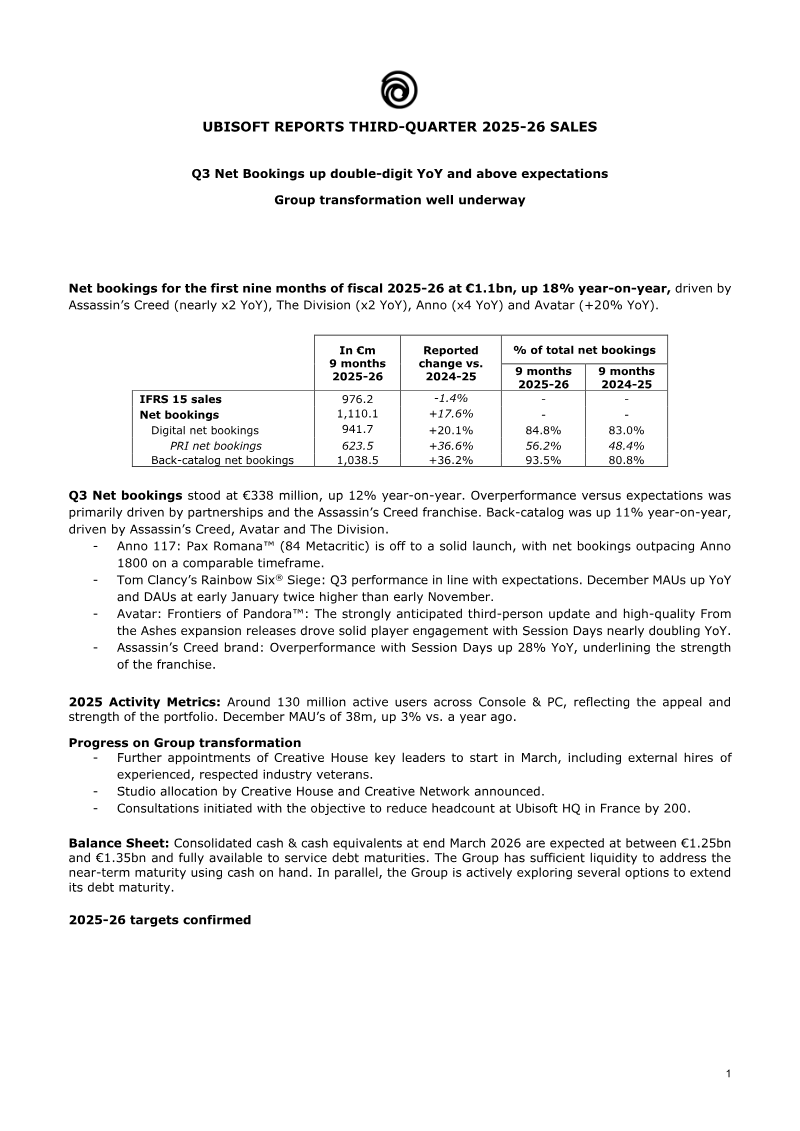
Ubisoft · 2026
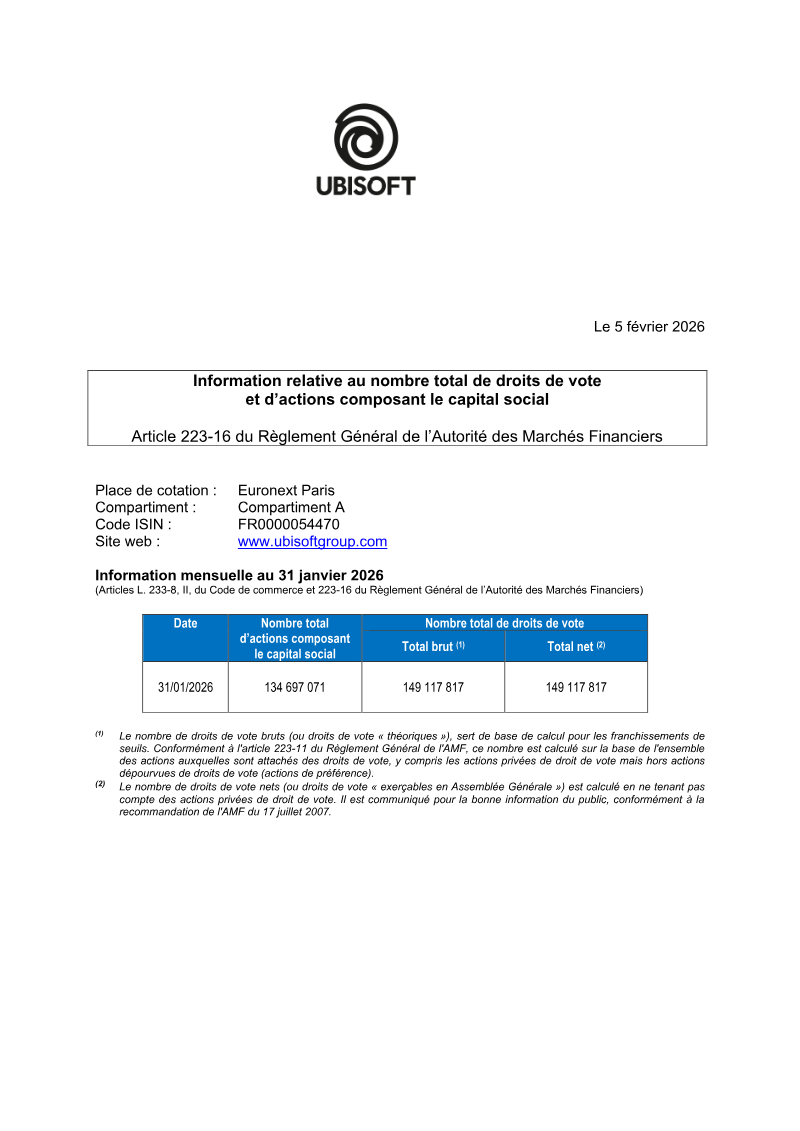
Ubisoft · 2026
Ubisoft · 2026
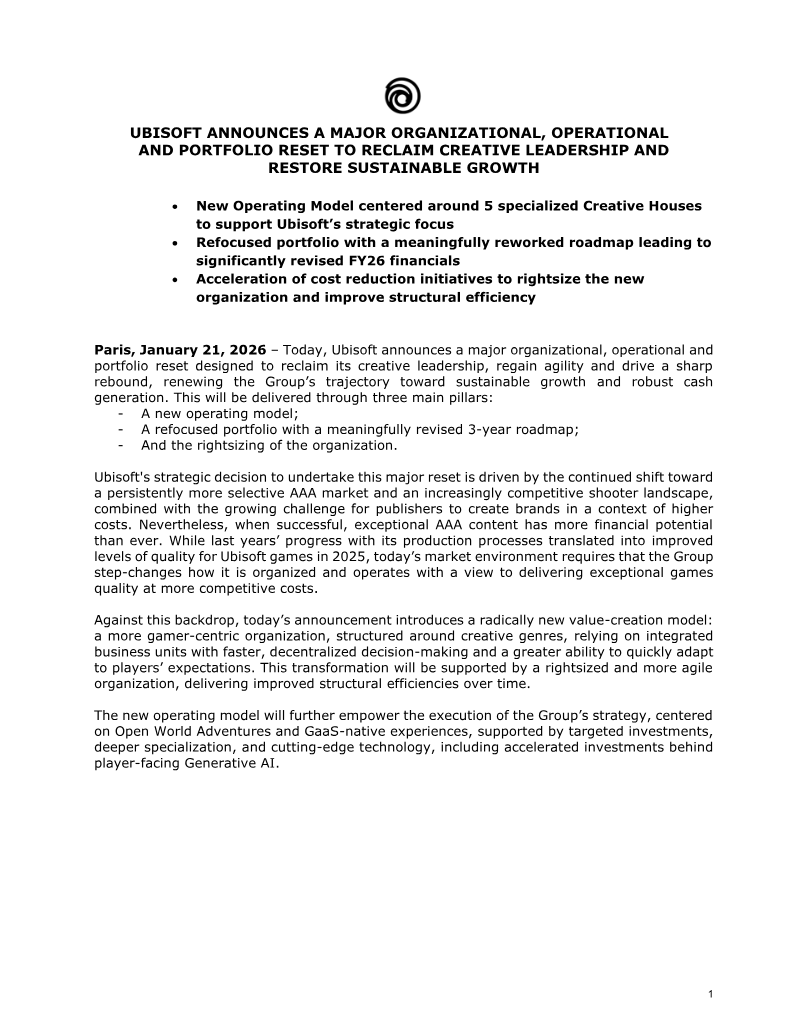
Ubisoft · 2026
Ubisoft · 2026
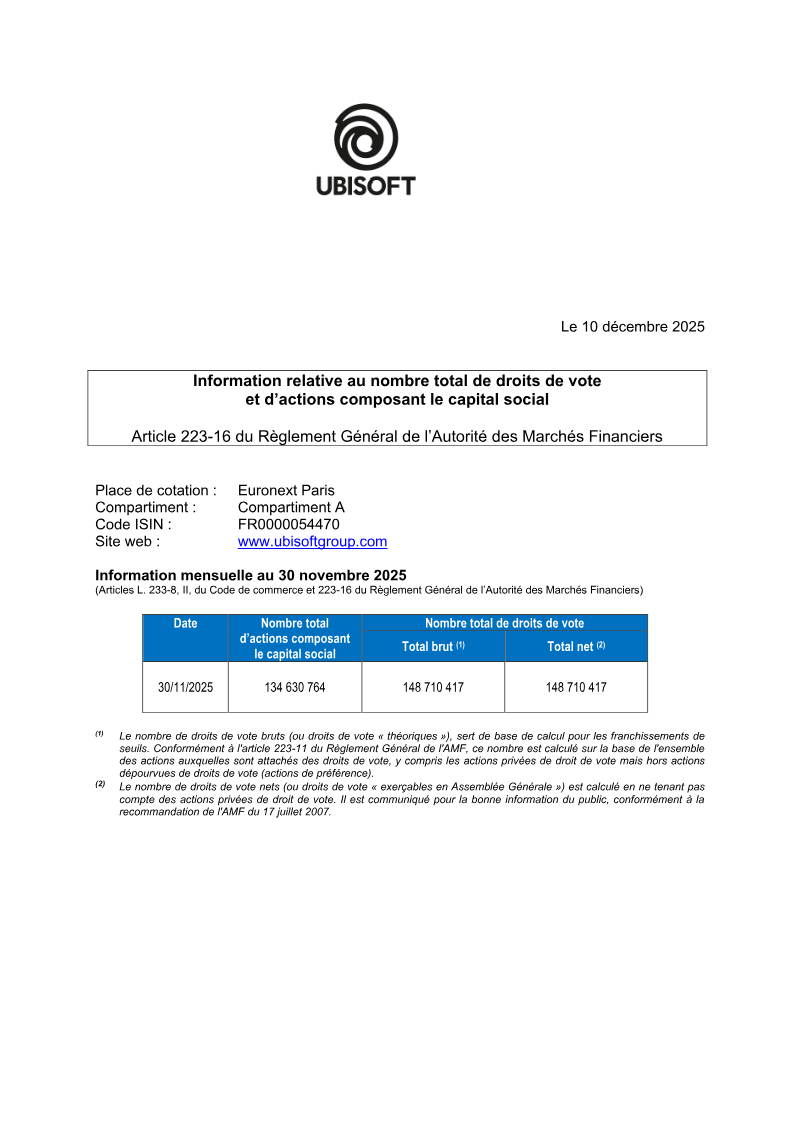
Ubisoft · 2025
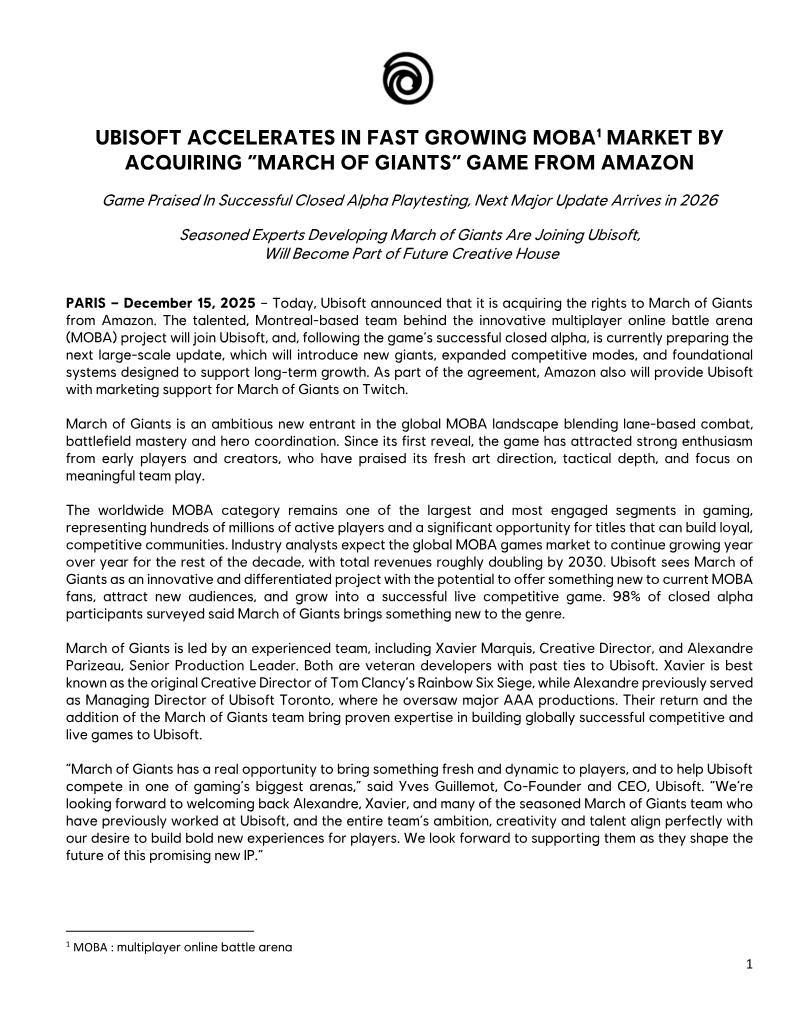
Ubisoft · 2025
Ubisoft · 2025
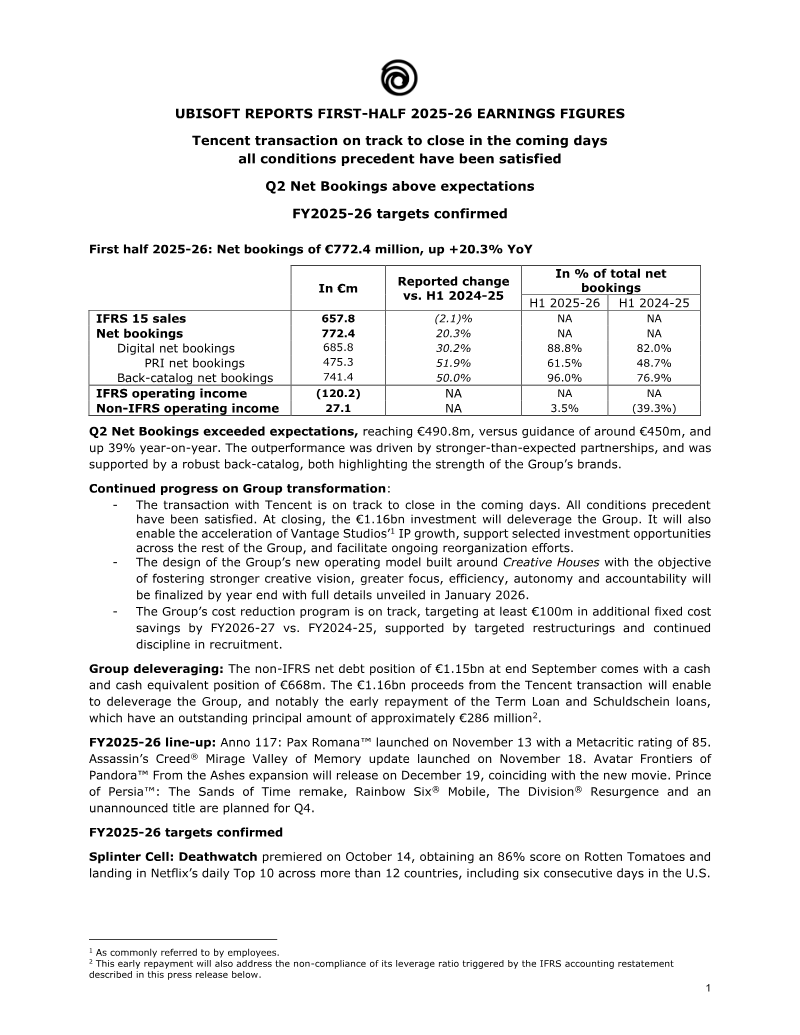
Ubisoft · 2025
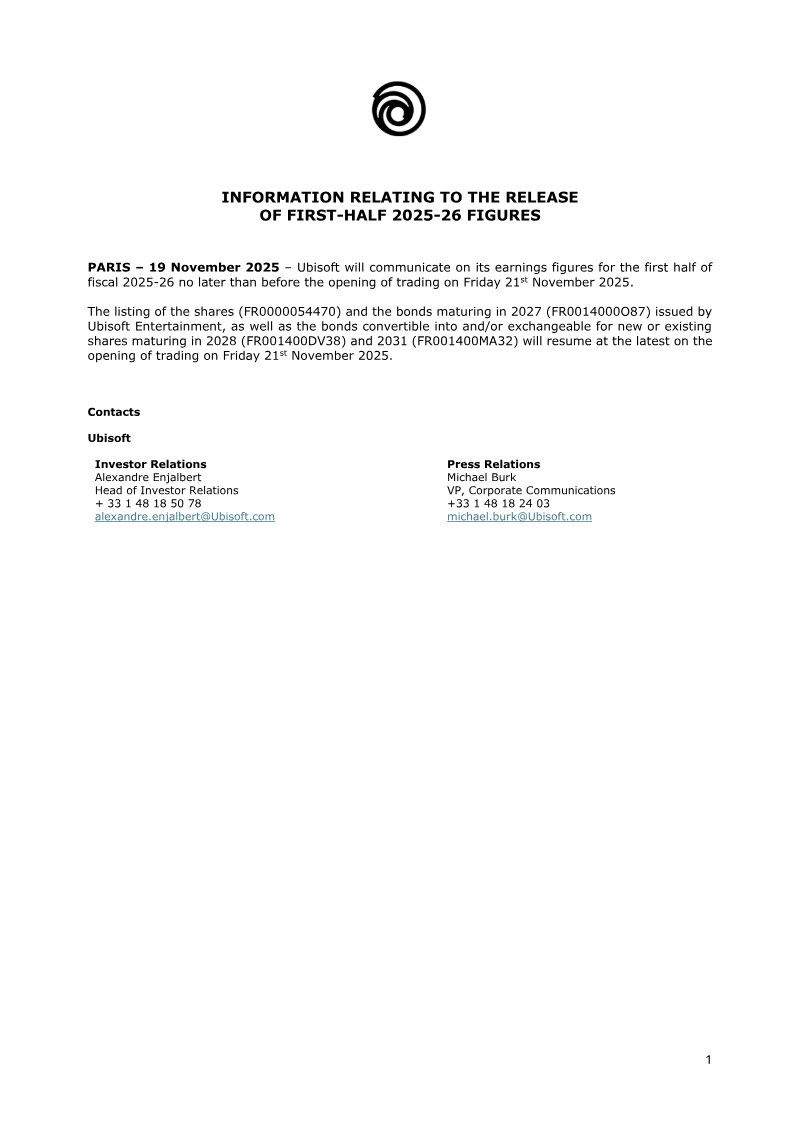
Ubisoft · 2025
Ubisoft · 2025
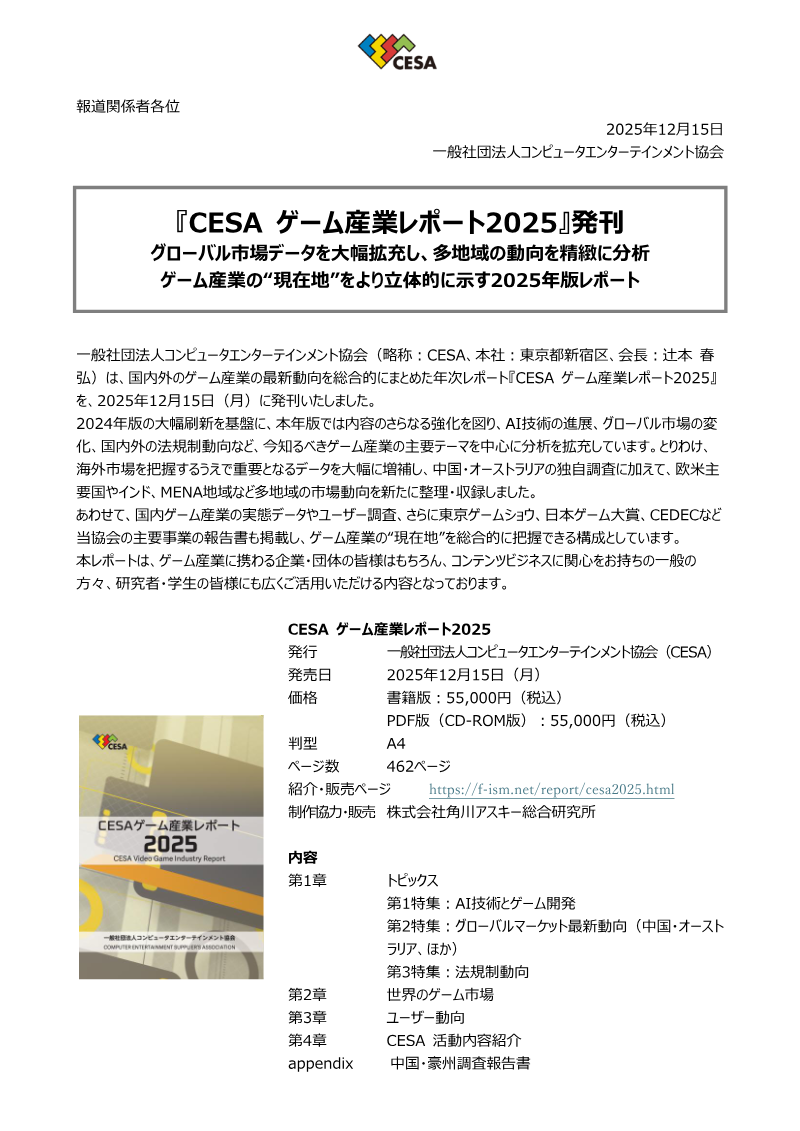
CESA – Computer Entertainment Supplier's Association · 2025
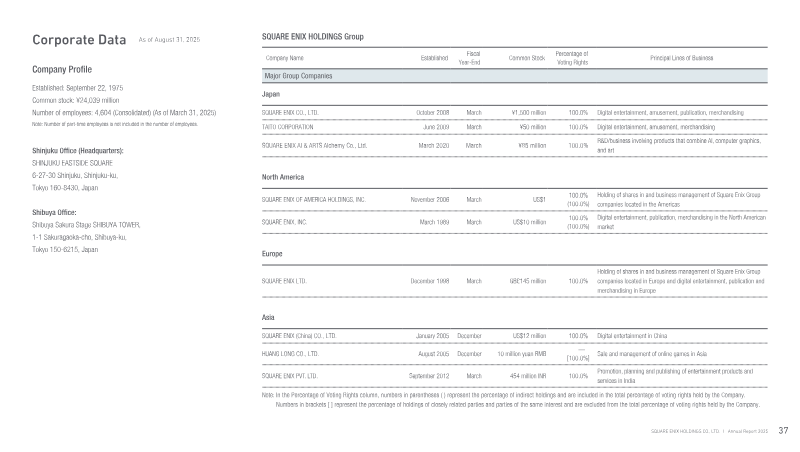
Square Enix · 2025
Konvoy · 2025

GDC · 2025
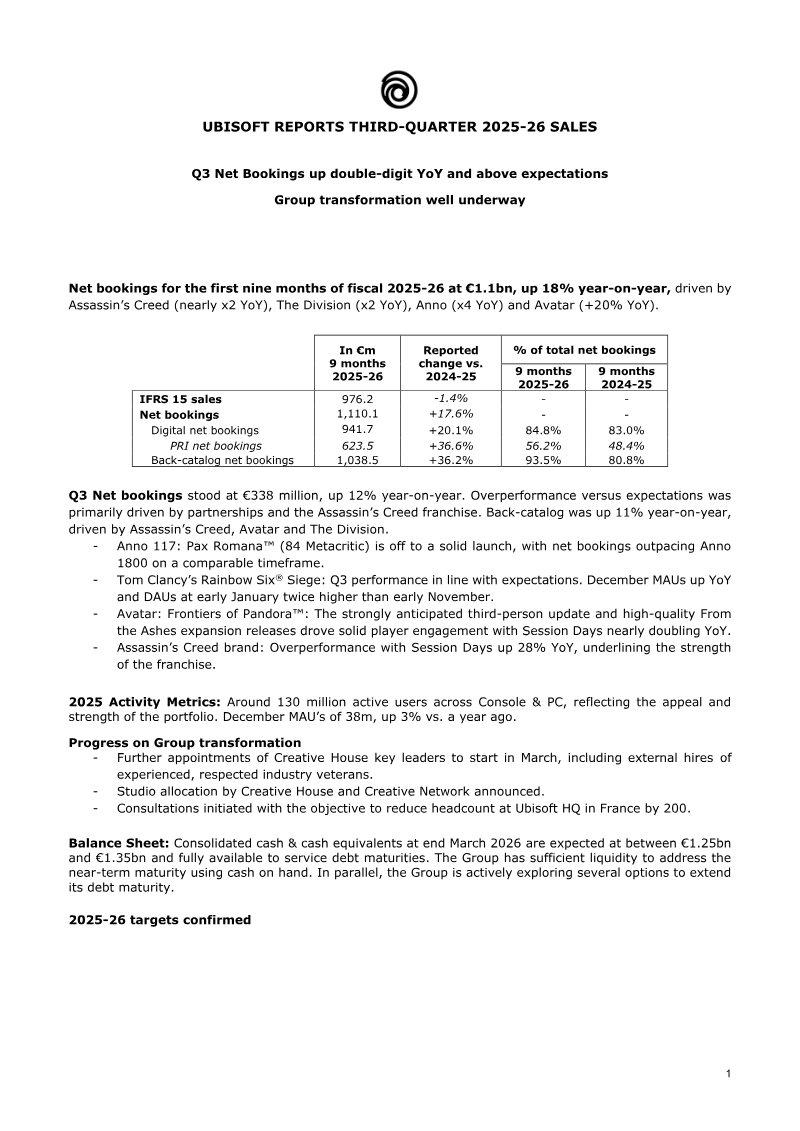
Ubisoft · 2025

Duamentes Gaming · 2025
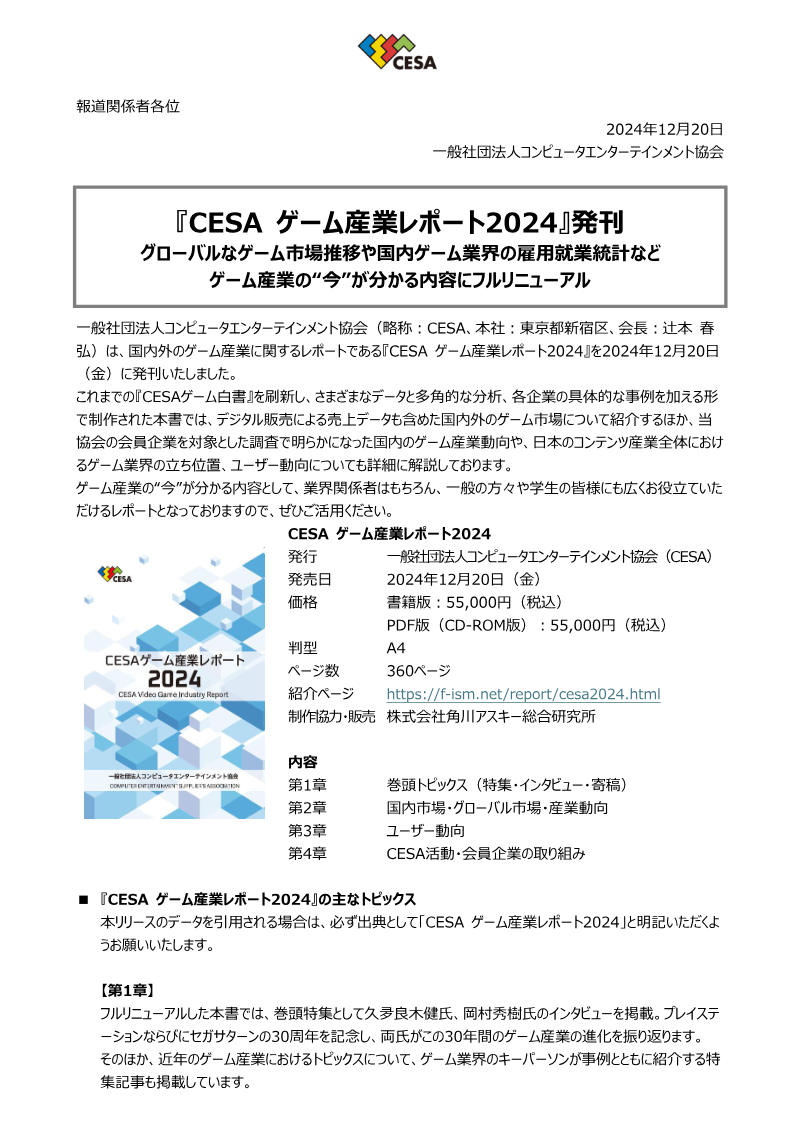
一般社団法人コンピュータエンターテインメント協会 (Computer Entertainment Supplier’s Association) · 2024
Informa · 2024
International Game Developers' Association · 2024

Game Developers Conference · 2024

80 Level · 2024
Koei Tecmo · 2024