ArticleUbisoft
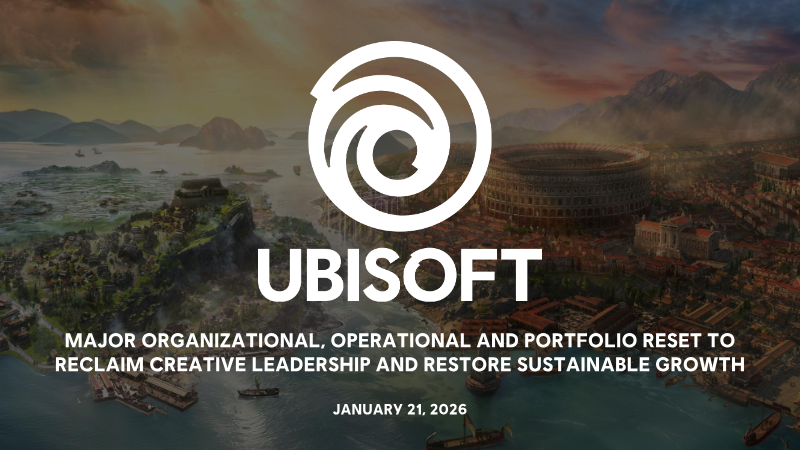
Ubisoft Announces a Major Organizational, Operational and Portfolio Reset
21 Jan 20267 pages~17 min full read
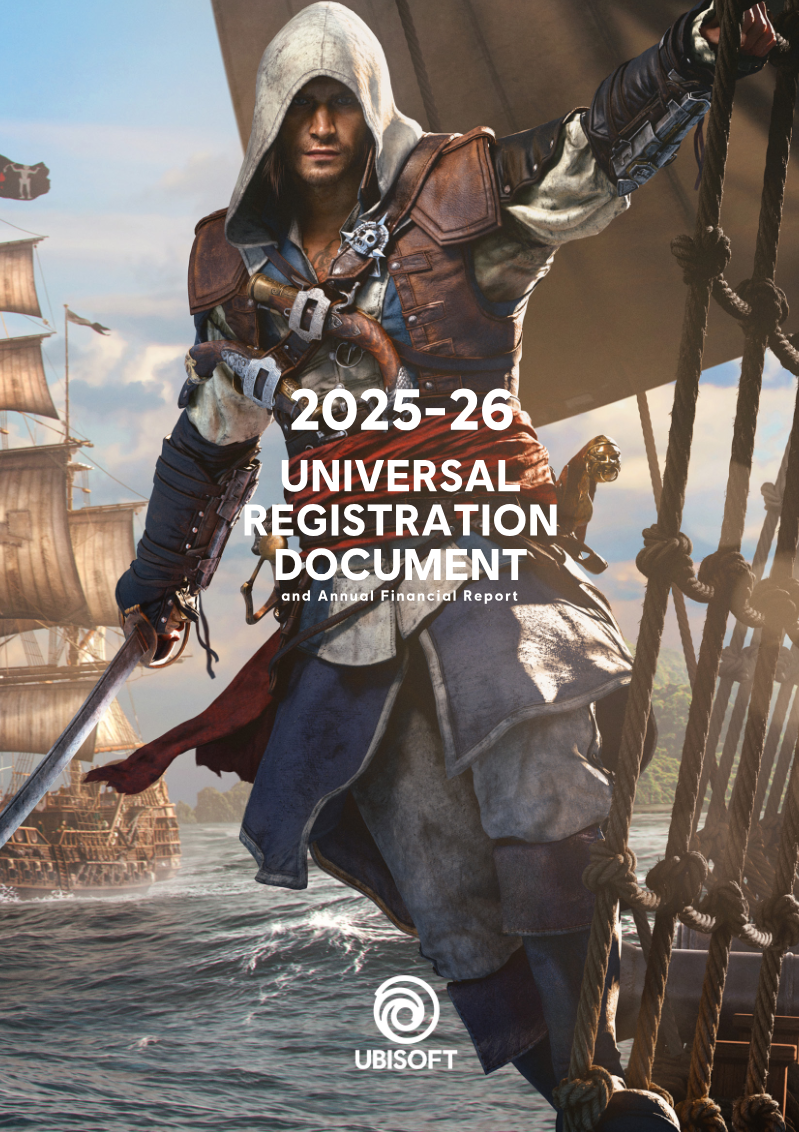
Ubisoft has announced a comprehensive organizational and portfolio reset aimed at reclaiming creative leadership and restoring sustainable growth. This strategic pivot responds to an increasingly selective AAA market, rising development costs, and a competitive landscape for shooter and live-service games. The transformation is built upon three primary pillars: a new decentralized operating model, a refocused product portfolio, and an accelerated cost-reduction program designed to rightsize the company for long-term efficiency.
The centerpiece of this reset is the establishment of five specialized Creative Houses, which will operate as integrated business units with full financial and creative ownership over specific genres. These units include Vantage Studios, focused on flagship franchises like Assassin’s Creed and Far Cry; a house for competitive shooters; one for live-service experiences; a division for immersive fantasy and narrative universes; and a final house dedicated to casual and family-friendly titles. This structure is supported by a centralized Creative Network for production capacity and a Core Services division providing shared technology, including increased investment in generative AI. To bolster collaboration, the company is also mandating a return to five days per week on-site for all teams.
The portfolio reset involves the discontinuation of six games, including the Prince of Persia: The Sands of Time remake, and the delay of seven other titles to ensure they meet higher quality benchmarks. These changes have led to a significant revision of financial outlooks for fiscal years 2026 and 2027. For FY2026, Ubisoft expects net bookings of approximately €1.5 billion and a non-IFRS EBIT loss of around €1 billion, largely due to a €650 million one-off accelerated depreciation. To mitigate these impacts, the company is accelerating its cost-saving initiatives, targeting a total fixed cost reduction of €500 million since FY2023, with the goal of reaching a run-rate of €1.25 billion in total fixed costs by March 2028.
Ubisoft · 2026
Ubisoft · 2026
Ubisoft · 2026
Ubisoft · 2026
Ubisoft · 2026
Ubisoft · 2025
Ubisoft · 2025
Ubisoft · 2025
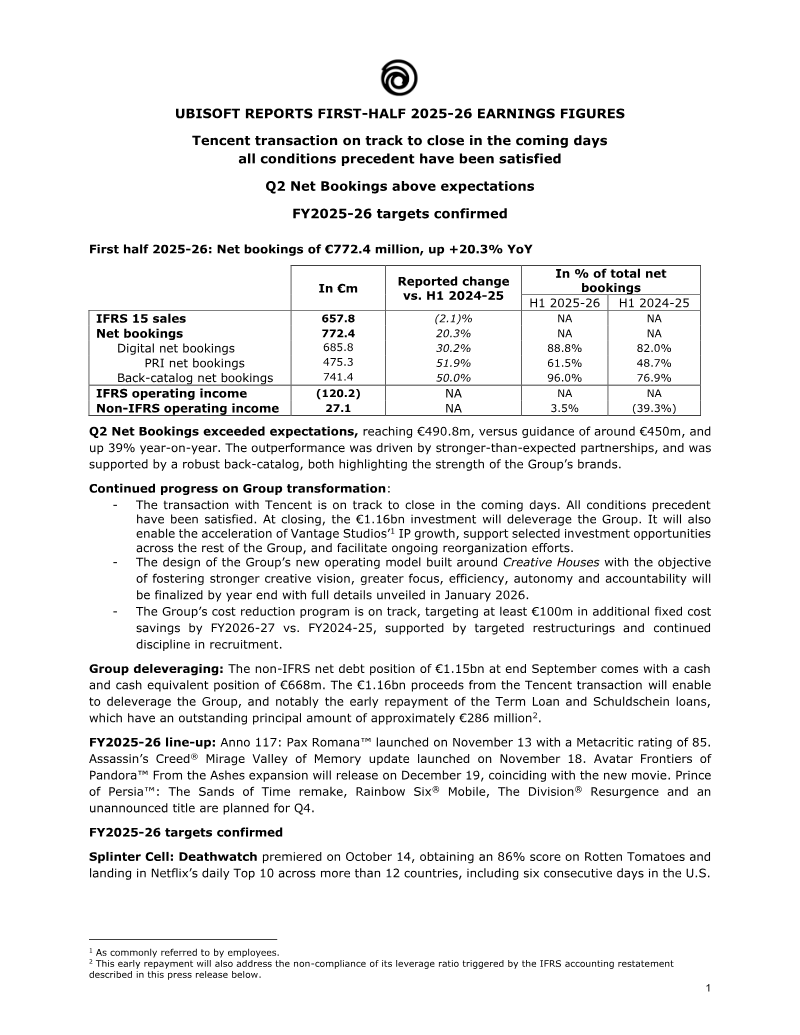
Ubisoft · 2025
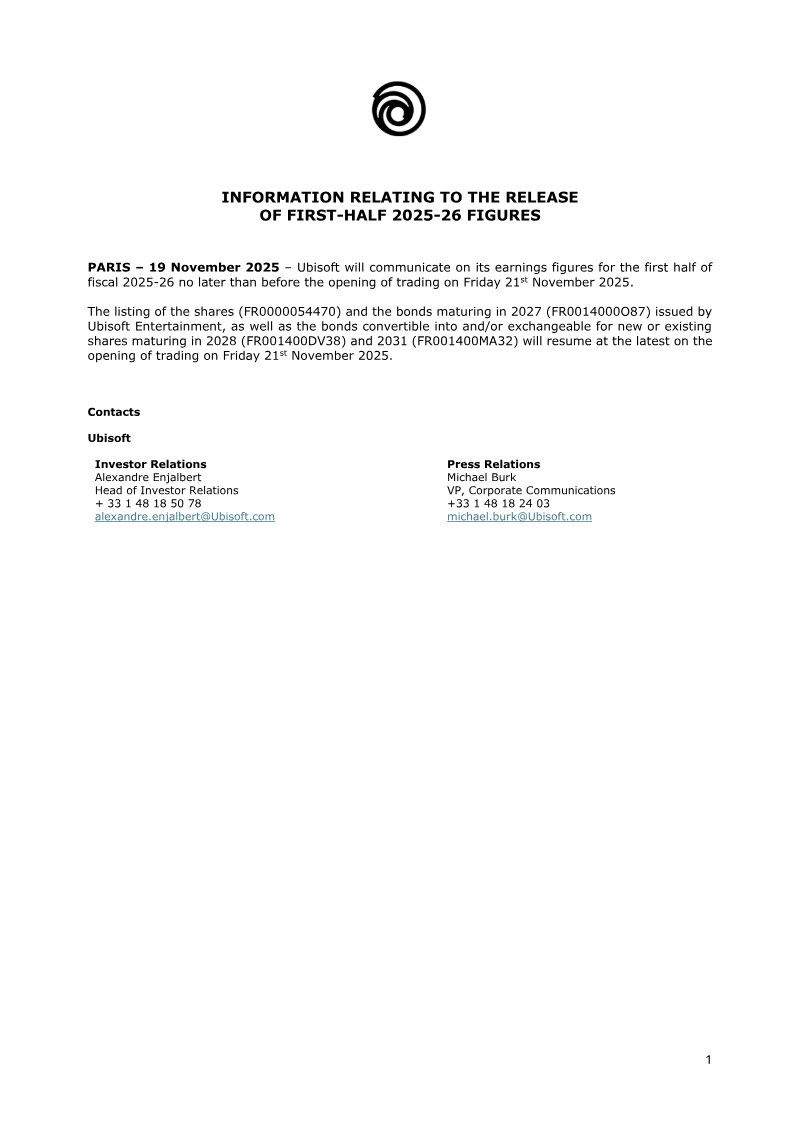
Ubisoft · 2025
Ubisoft · 2025
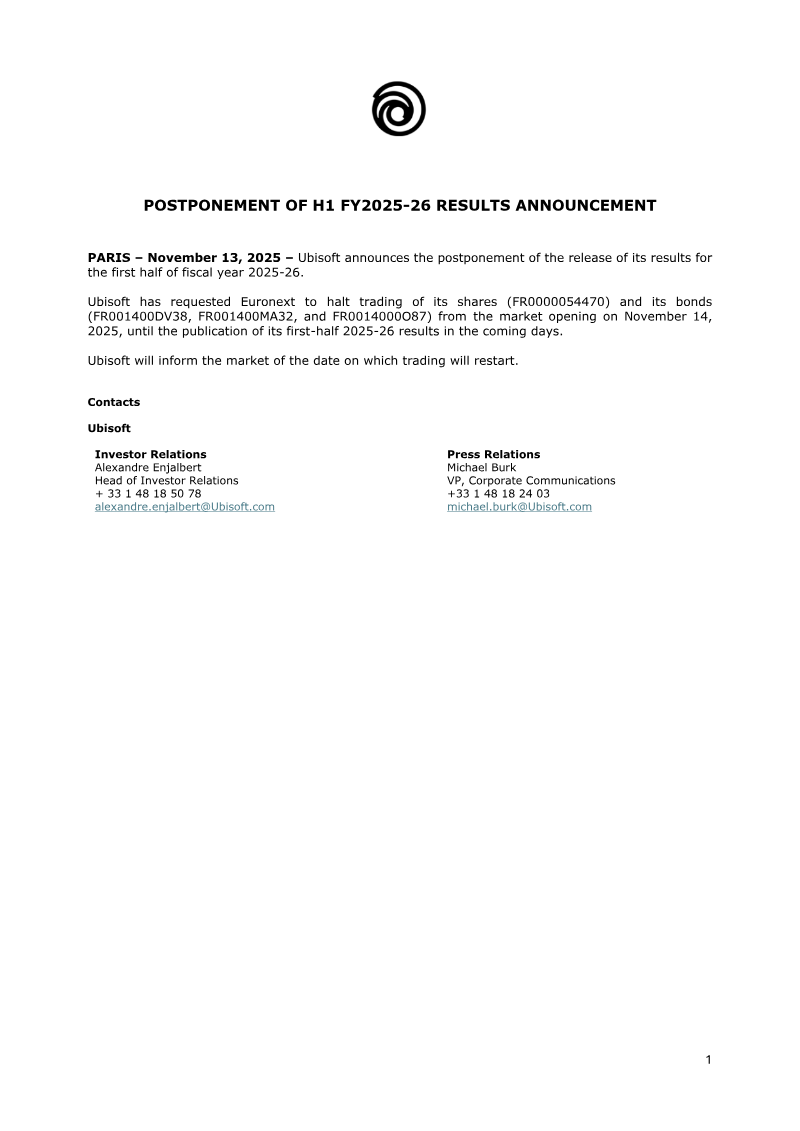
Ubisoft · 2025
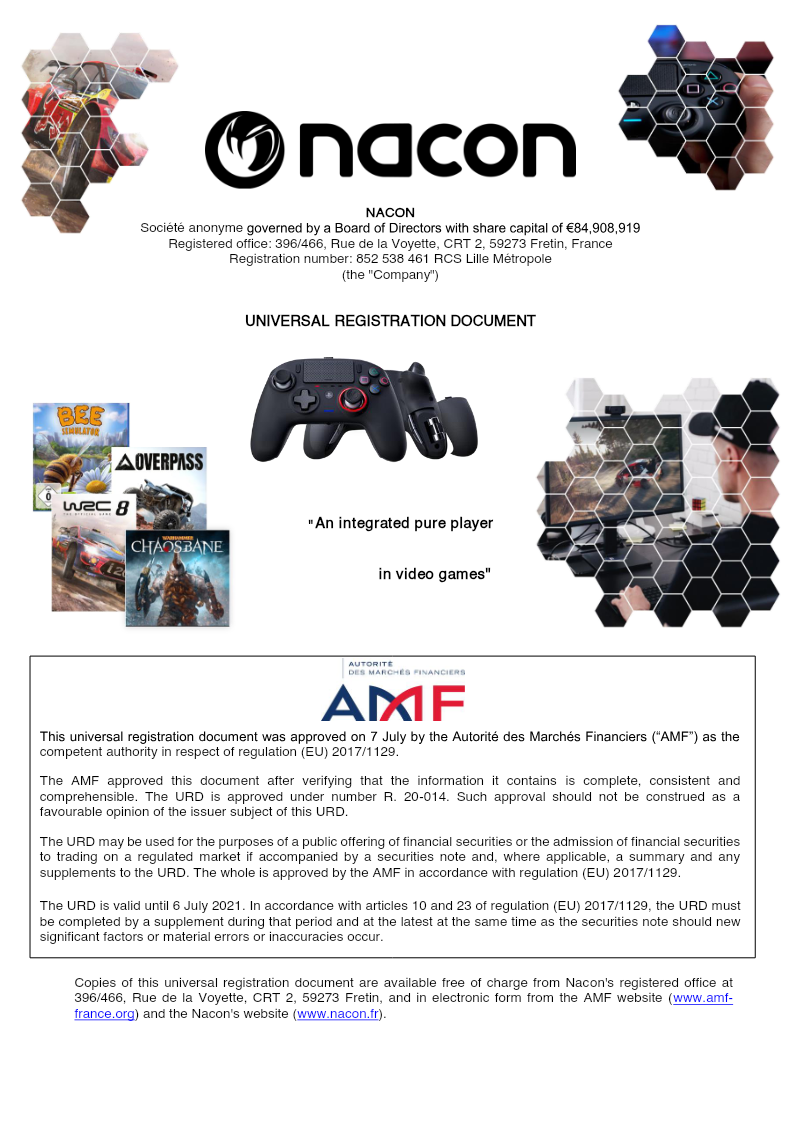
Nacon
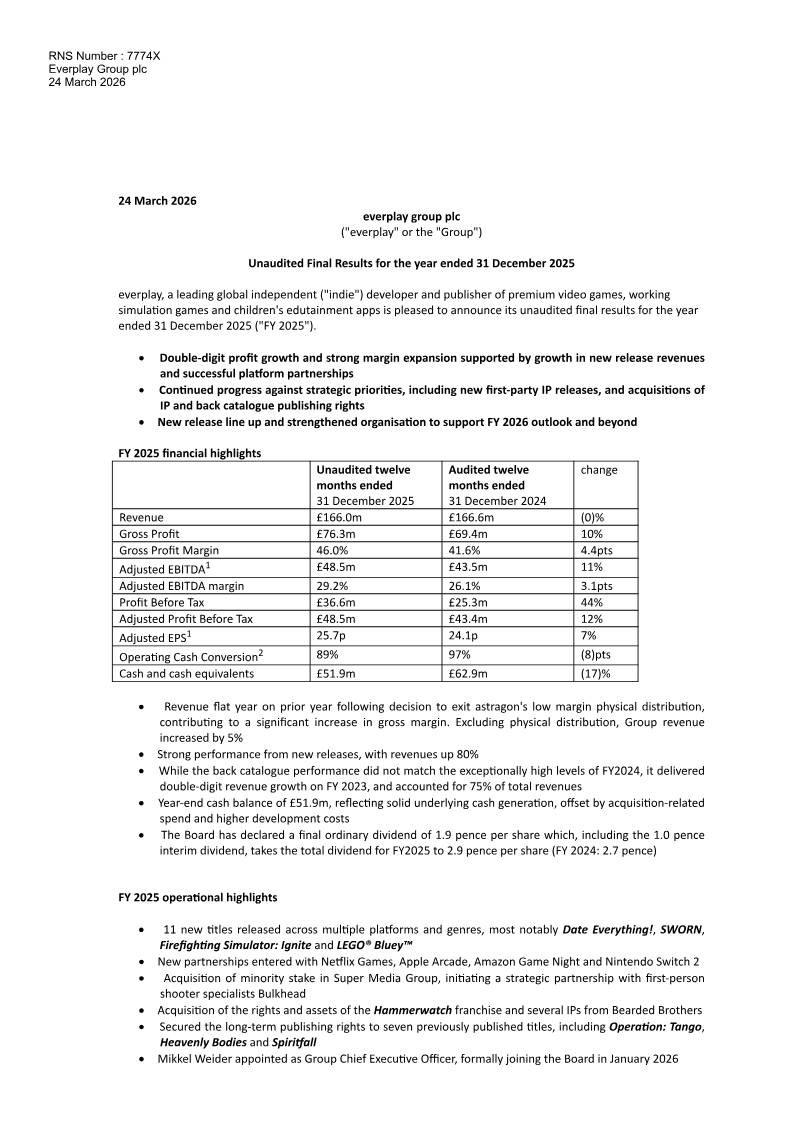
Everplay Group · 2026
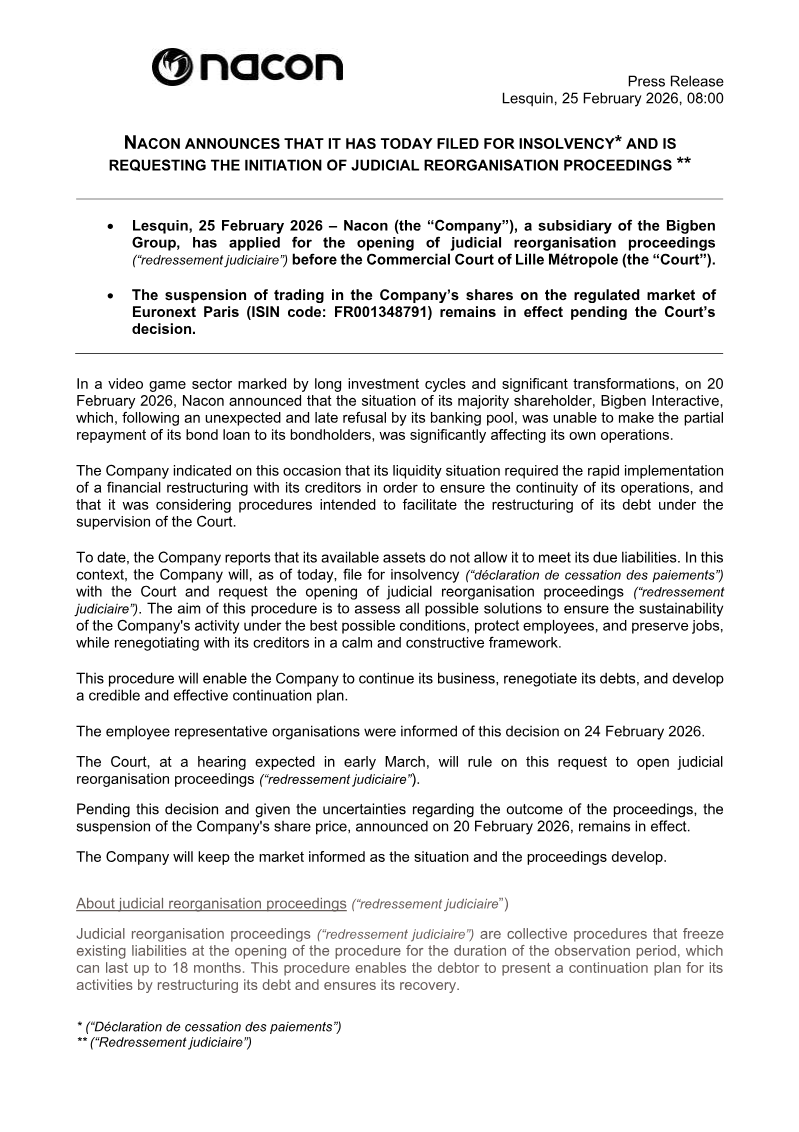
Nacon · 2026
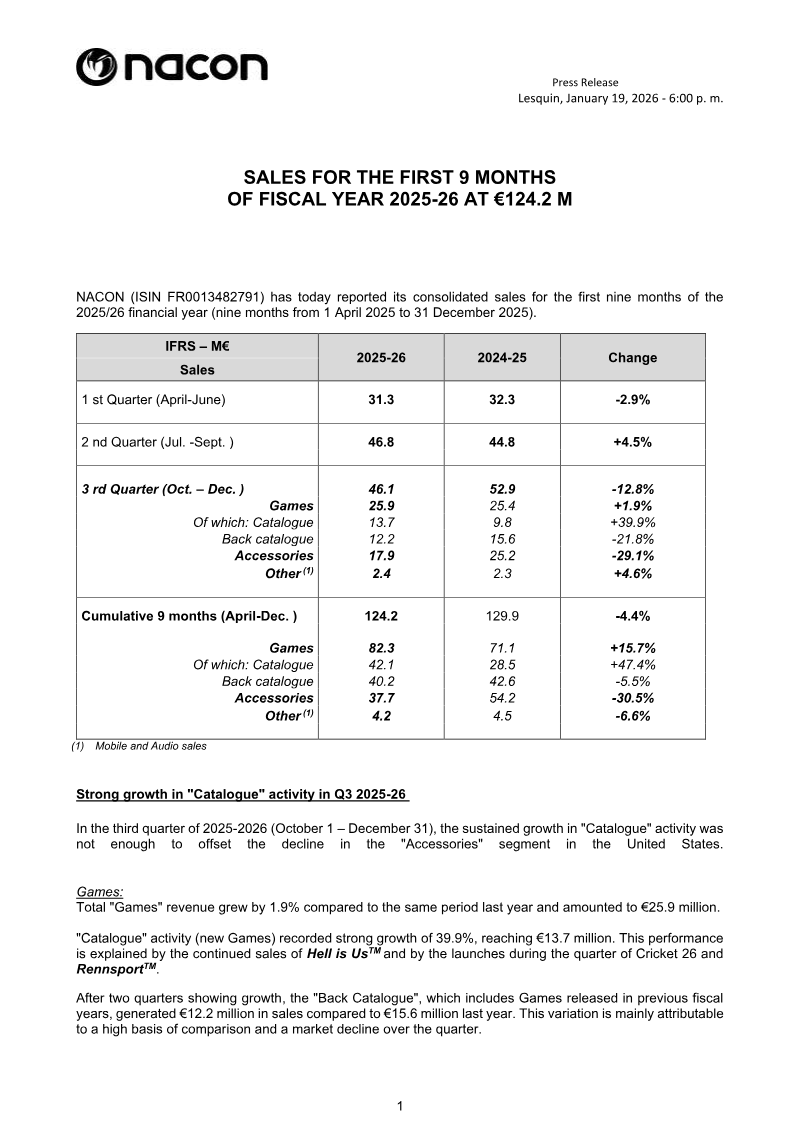
Nacon · 2026
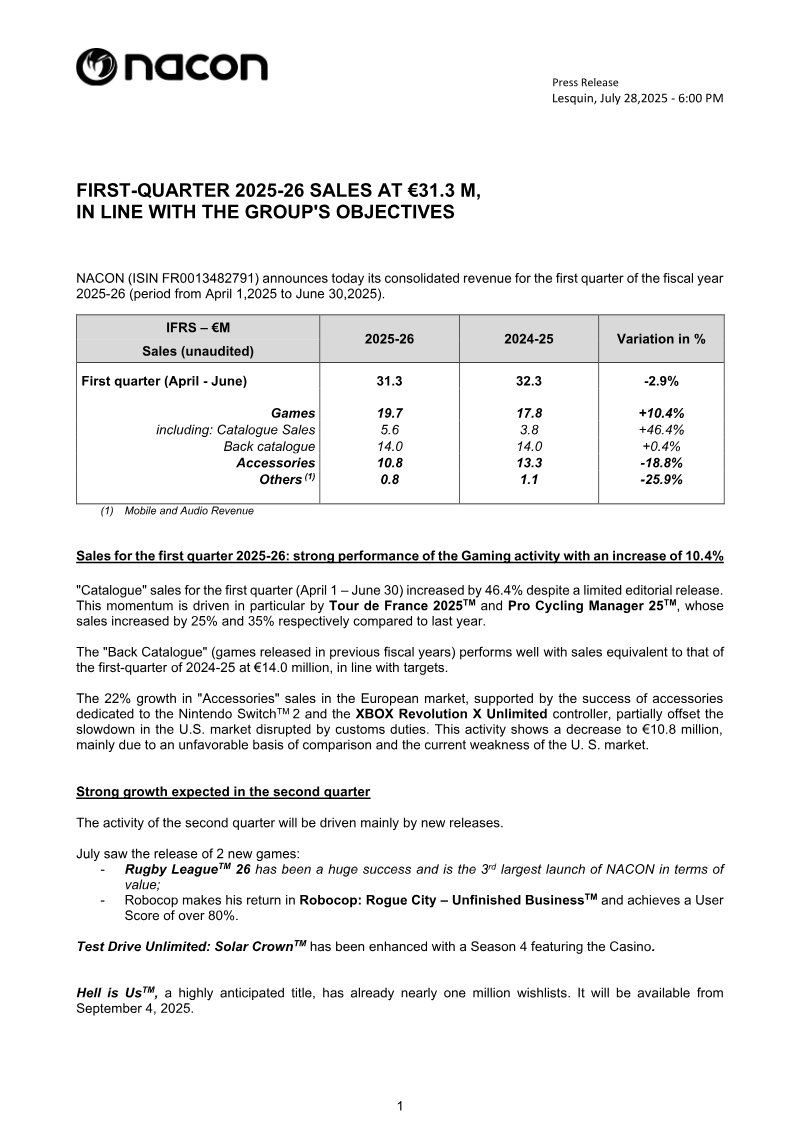
Nacon · 2025
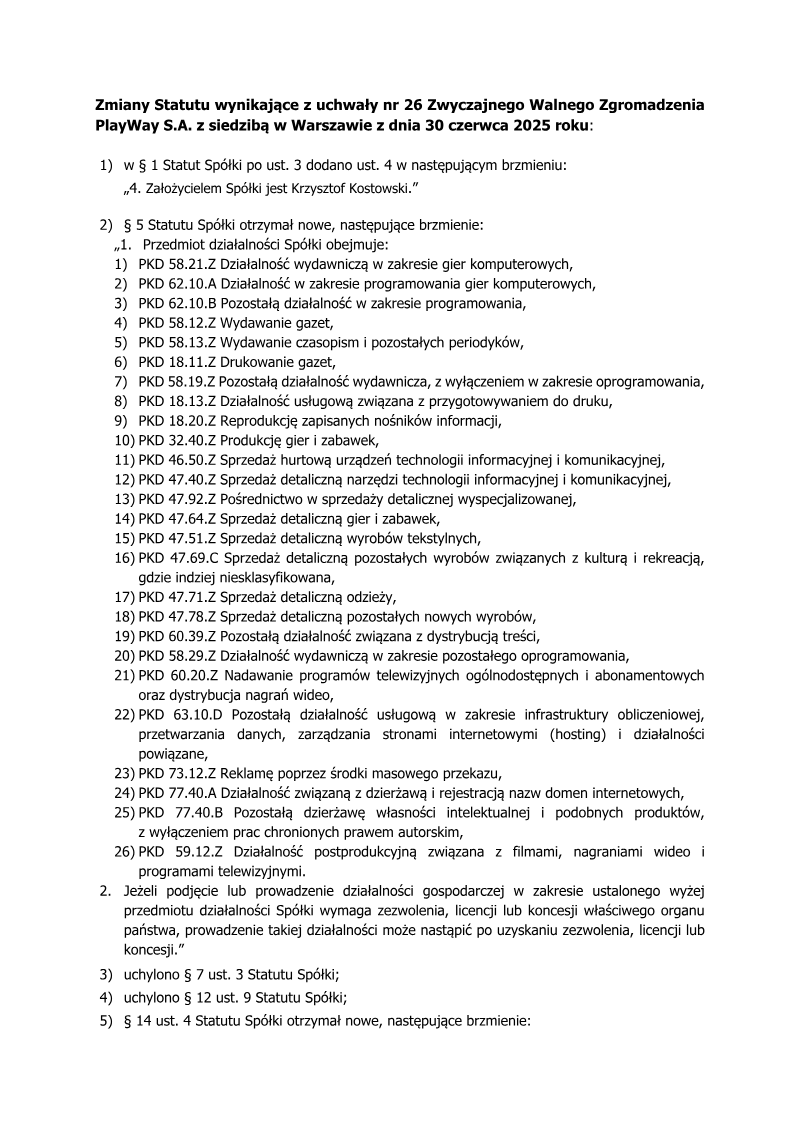
PlayWay · 2025
Nacon · 2025

Thunderful · 2025
Pullup Entertainment · 2025
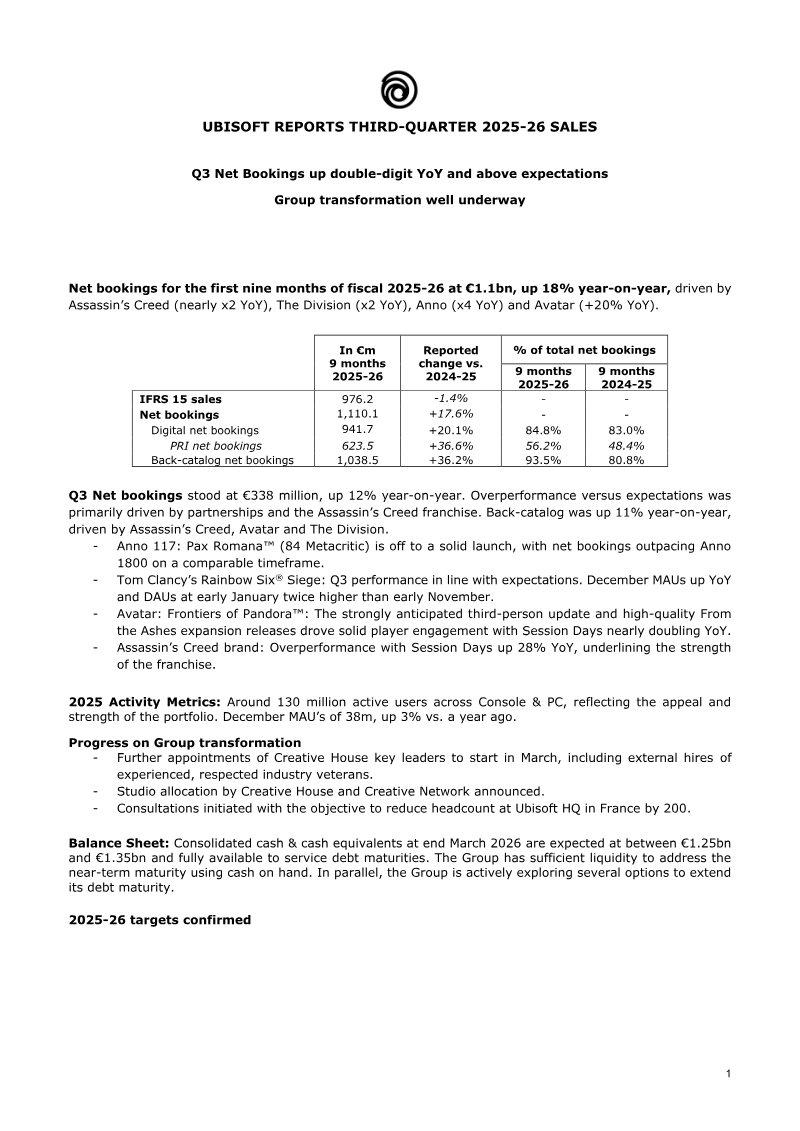
Ubisoft · 2025
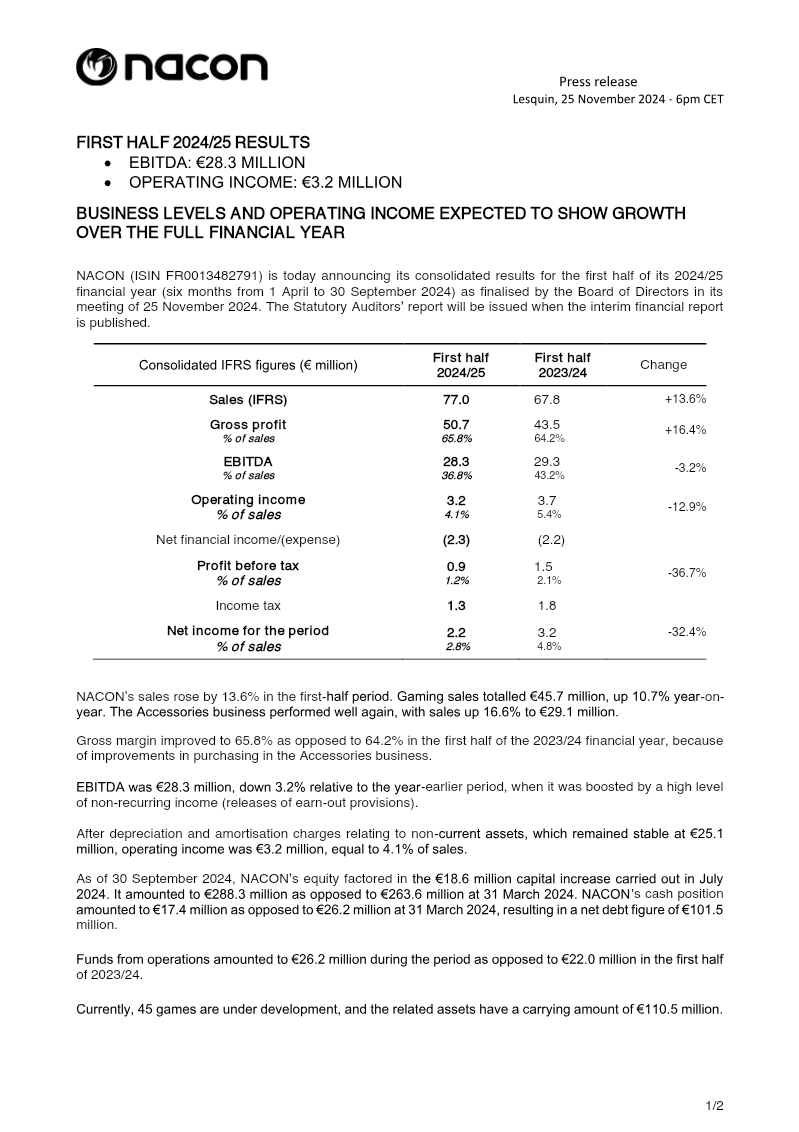
Nacon · 2024

Nacon · 2024