Key insights
6 slides
Where it starts
Gold's childhood on food stamps shaped her sense of shame.
Dana Gold grew up in a family of six that relied on food stamps. Public judgment of food stamp purchases shaped her sense of shame.
1 / 6
- 01Dana Gold's memoir-style report 'Broke: How I Made Poverty a Game' draws on her childhood in a family of six that relied on food stamps, with her mother's cash-out of a small paycheck at the grocery store and public judgment of food stamp purchases shaping her sense of shame.
- 02Gold later directed a homeless shelter, which began as a short-term emergency measure with beds from a church camp and became a permanent solution; she was motivated by her own family's experience of hiding from danger and by her daughter's homelessness.
- 03A cited experiment split participants into a group earning about $70,000 a year and one earning about $20,000 a year, and found both groups performed equally on cognitive tests when asked about a $150 car repair, but the lower-income group's cognitive performance was reportedly worse when facing a $1,500 repair.
- 04Gold describes bureaucratic barriers facing people in crisis, including Central Intake waiting lists, food stamps requiring an address, food pantries open only once a month, and very few psychiatrists accepting Medicaid, with psychiatric medication withdrawal risks including seizures and suicidal thinking.
- 05Gold built 'Broke' as a board game after finding a required theological treatise too dense for her class, using Chutes and Ladders pieces, a spiral board, situation cards based on real clients' stories, and IQ cards modeled on Monopoly's Get Out of Jail Free card.
- 06In the game, each player's character starts at a different distance from the goal of Stability, with the college graduate starting closest and the homeless player furthest, and the college graduate receives more Star Cards than any other player.
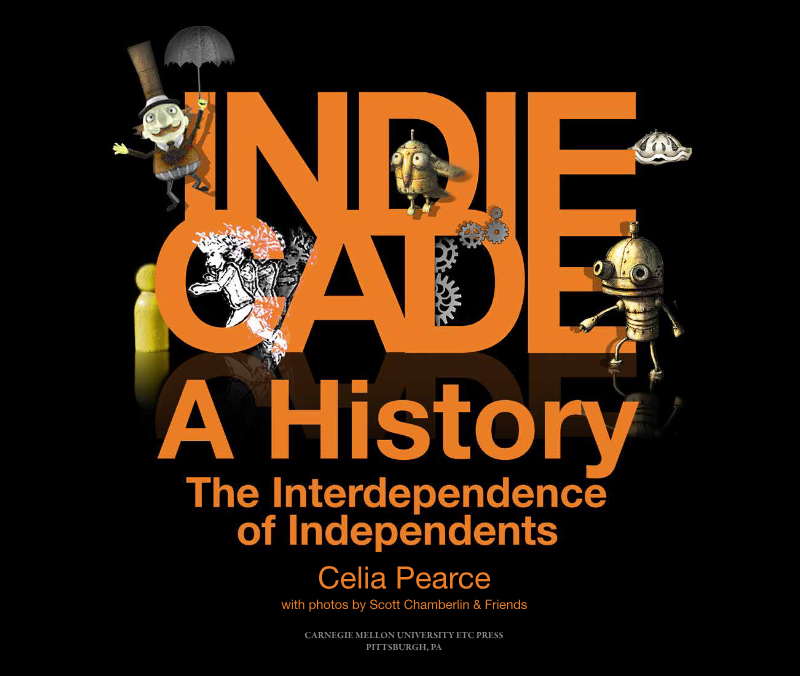
- 07The game's design includes simulated stressors such as text messages from a 'sister' and landlord emails, and the report is published by Carnegie Mellon University's ETC Press under Creative Commons licenses (NonCommercial variants).
Ask AI about this report
Summary
Dana Gold's book Broke: How I Made Poverty a Game, published by Carnegie Mellon University's ETC Press, presents the poverty simulation board game Broke as a tool for building empathy toward people living in U.S. poverty. Drawing on her childhood hardship, time in Kenya, and years directing a soup kitchen and homeless shelter, Gold argues that meaningful justice work depends on listening and humility rather than charity offered from a position of superiority. Her central thesis holds that poverty is best understood as a condition that drains cognitive bandwidth and limits choices, and that escaping it requires adequate income rather than fragmented clinical or supportive services alone.
The book's evidentiary foundation is mixed. Gold leans on a 2013 Princeton study by Zhao, Shafir, and Mani, published in Science, which found that people primed to think about a costly car repair scored roughly 13 points lower on cognitive tests than wealthier participants, with a similar pattern observed among Indian sugarcane farmers before and after harvest. Her critique of bureaucratic systems, including an account of addiction treatment, is presented largely through anecdote rather than systematic measurement, as are the post-gameplay survey responses reporting heightened empathy.
The game itself began in 1990 as a board game built from stories of clients Gold encountered in social services, originally titled The Department of Public Welfare and later renamed The Poverty Spiral before becoming Broke. Players assume character roles with unequal assets, make forced decisions on situation cards, and move through a poverty spiral toward stability, with the design aiming to reproduce the strain and constrained choices of financial hardship. A 2019 digital version, developed with Carnegie Mellon's Entertainment Technology Center, extends the simulation through simulated texts, emails, and news alerts across six socio-economic characters. Across both formats, the author reports that players commonly experience frustration and sustained engagement, though these outcomes are documented primarily through anecdote.