1 free read left. Create a free account for unlimited reading + AI research.
Create free accountArticle DiGRA
1 free read left. Create a free account for unlimited reading + AI research.
Create free accountArticleDiGRA
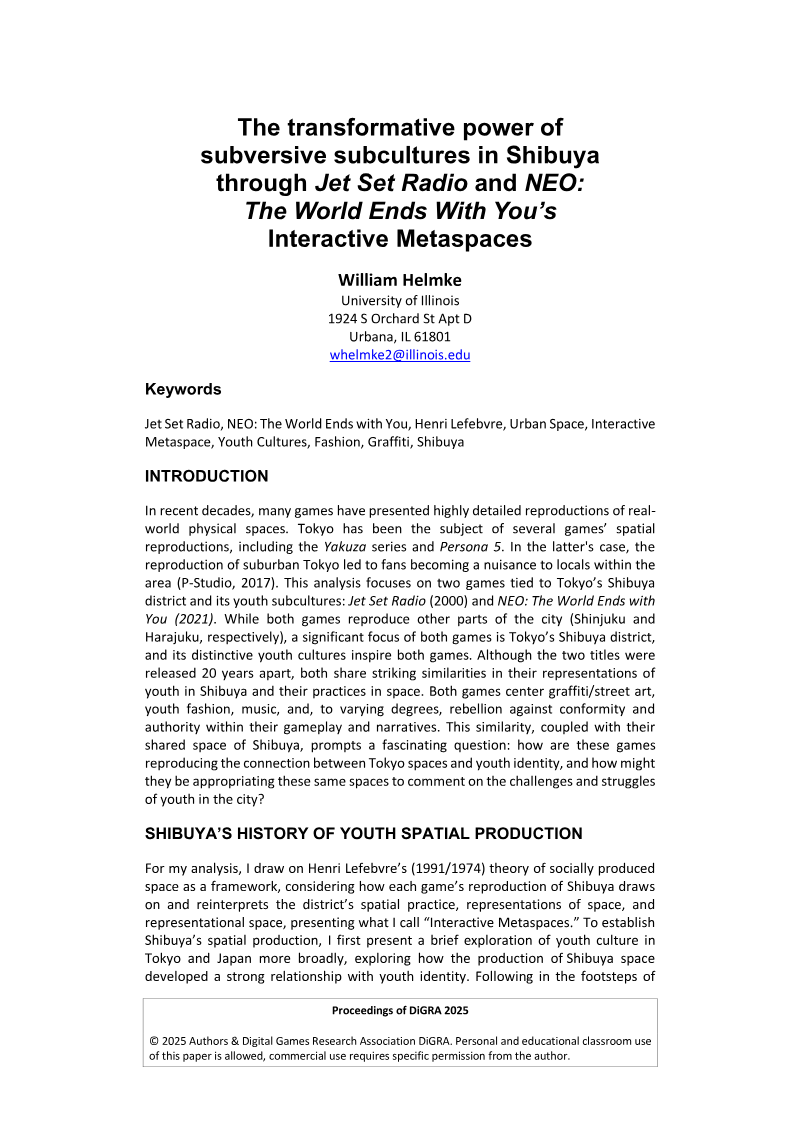
Japan's influence on the process has received little systematic attention.
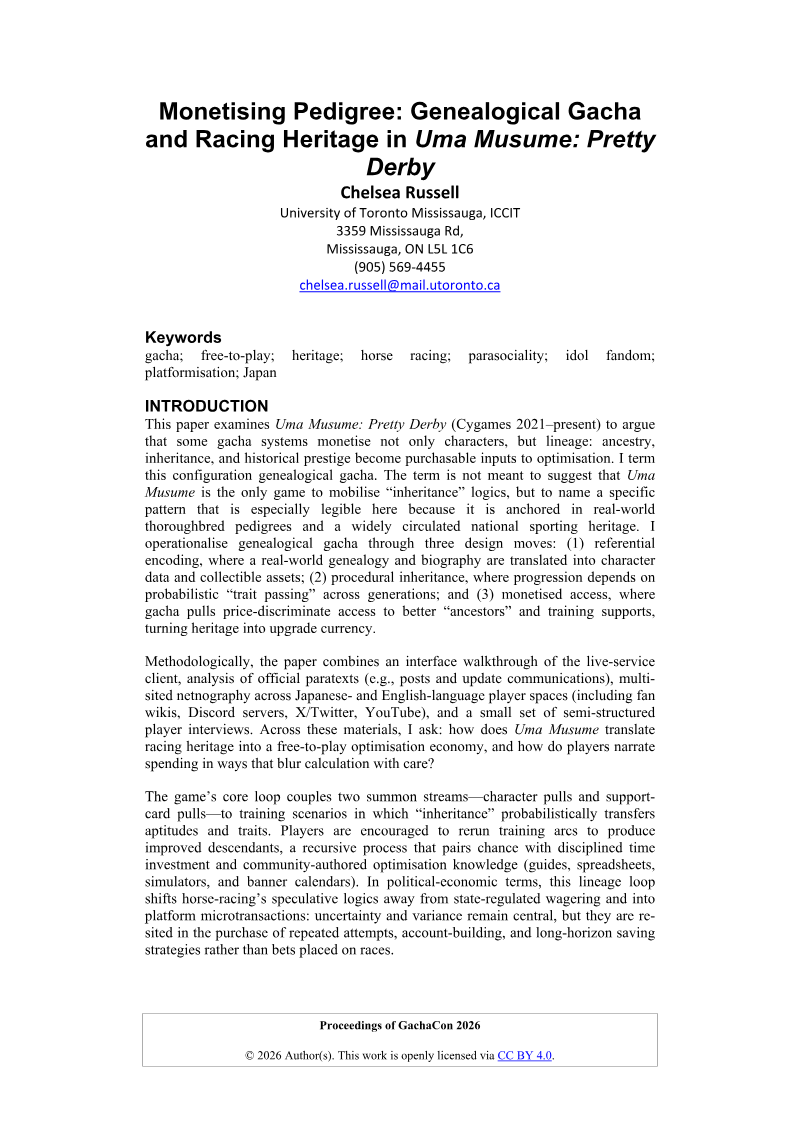
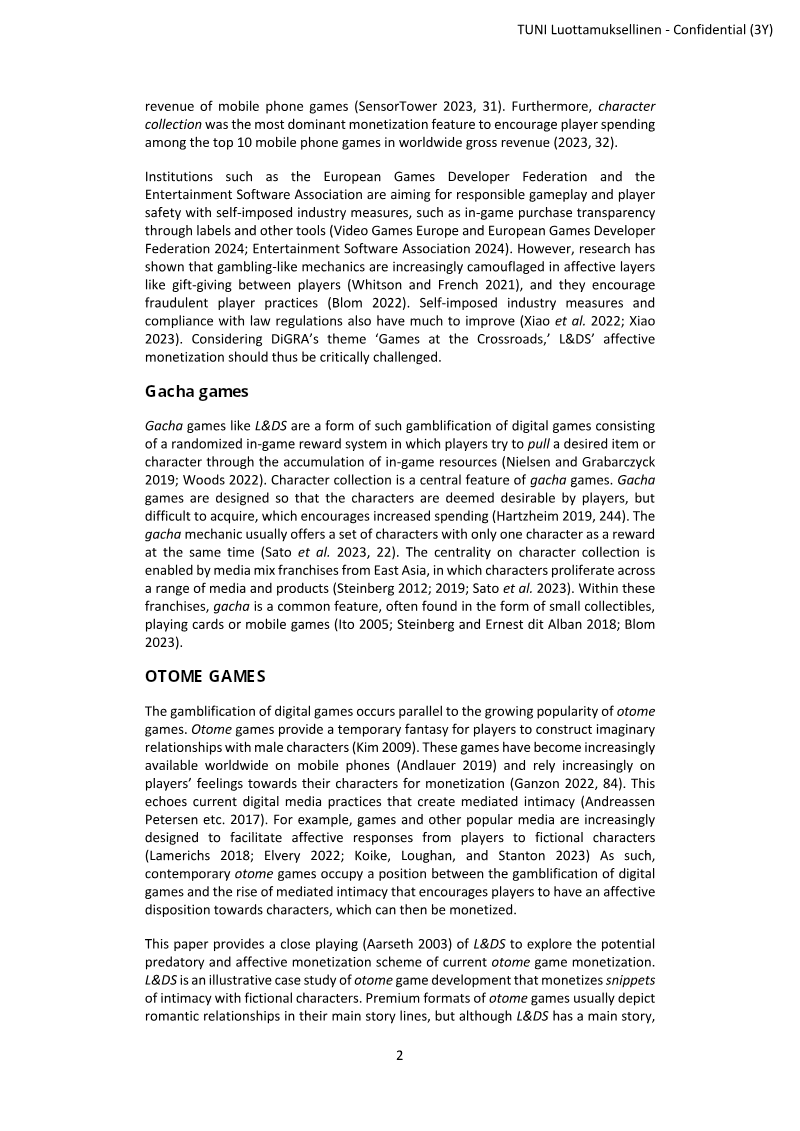
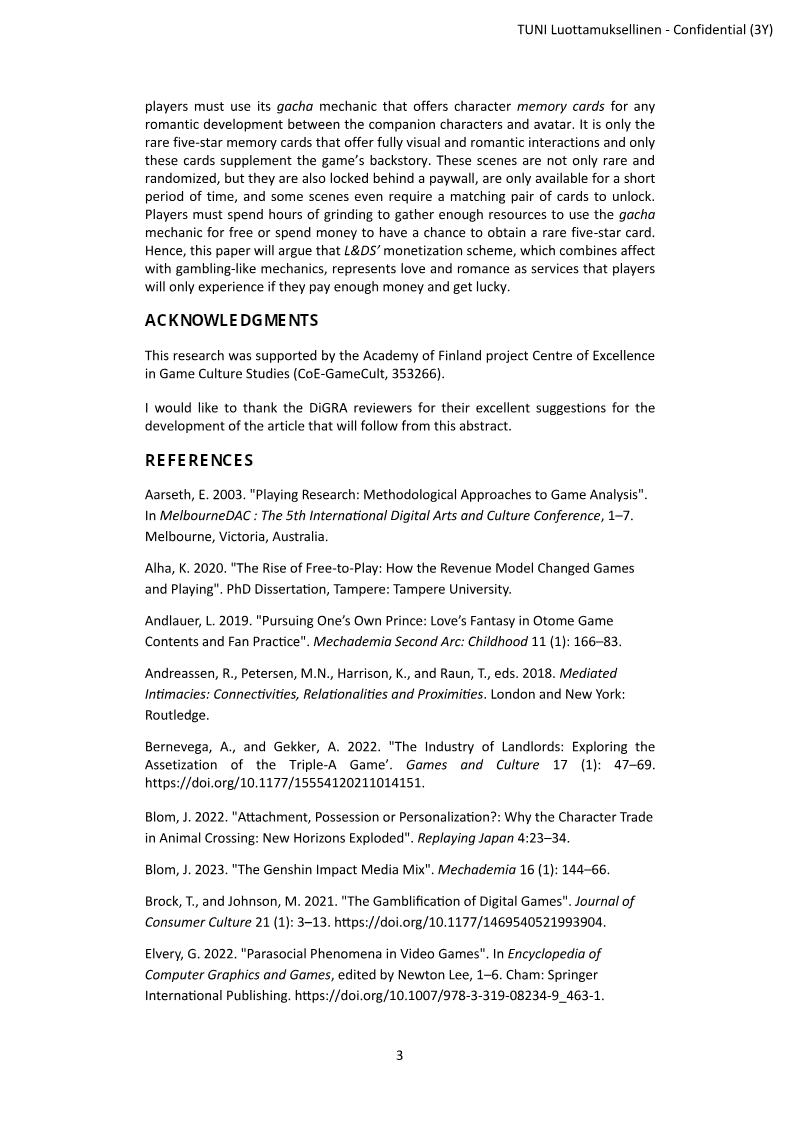
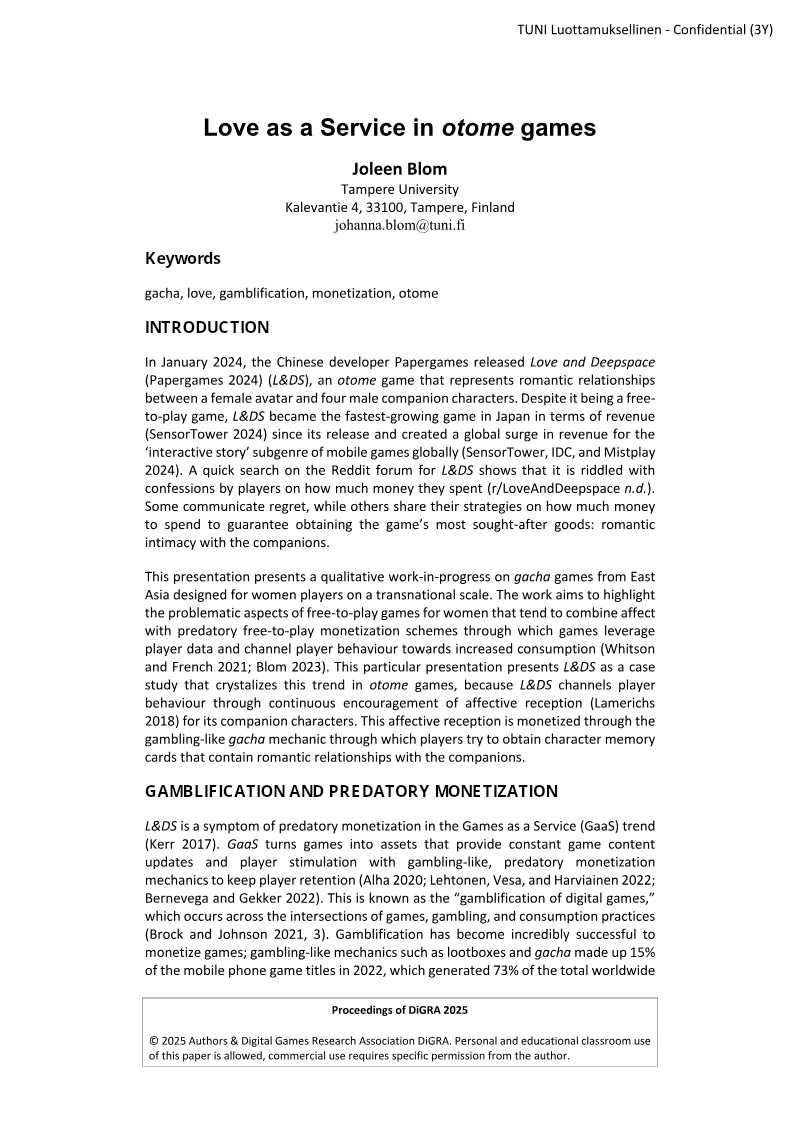
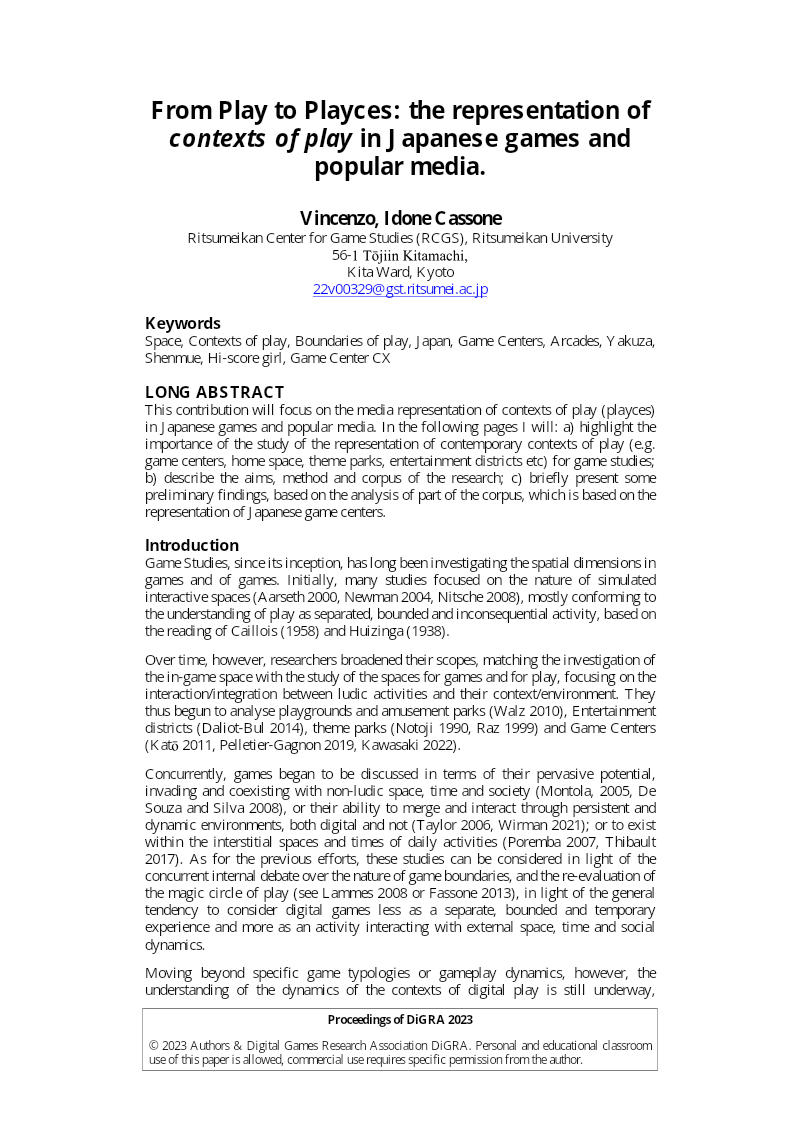
This paper by Vincenzo Idone Cassone, presented at DiGRA 2022, examines how Japanese cultural and historical developments reshaped the spatial and temporal frames of play, and how these changes helped lay groundwork for the broader global process of "ludicization," the blurring of boundaries between play and everyday life. The author notes that most scholarship has treated ludicization as a Western phenomenon originating roughly twenty years ago, and argues that Japan's influence, particularly through arcades, home consoles, and game-related cultural practices such as cosplay, gacha systems, and otaku behavior, has received little systematic attention.
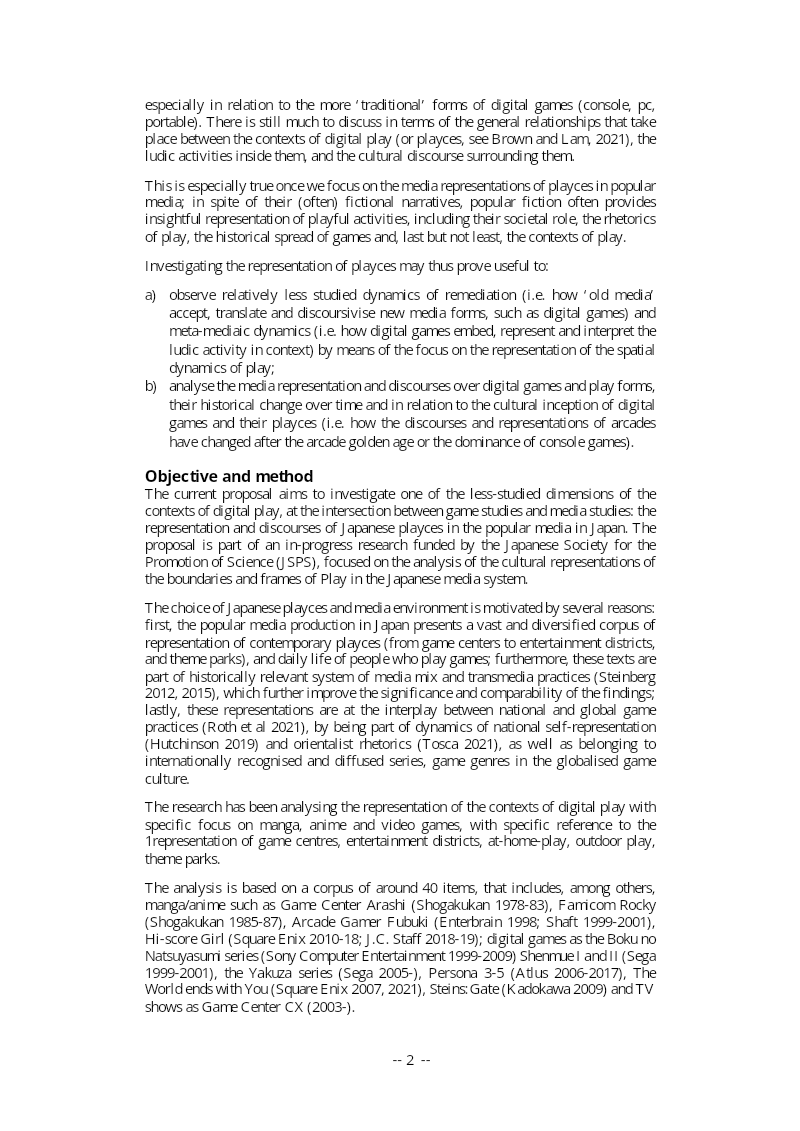
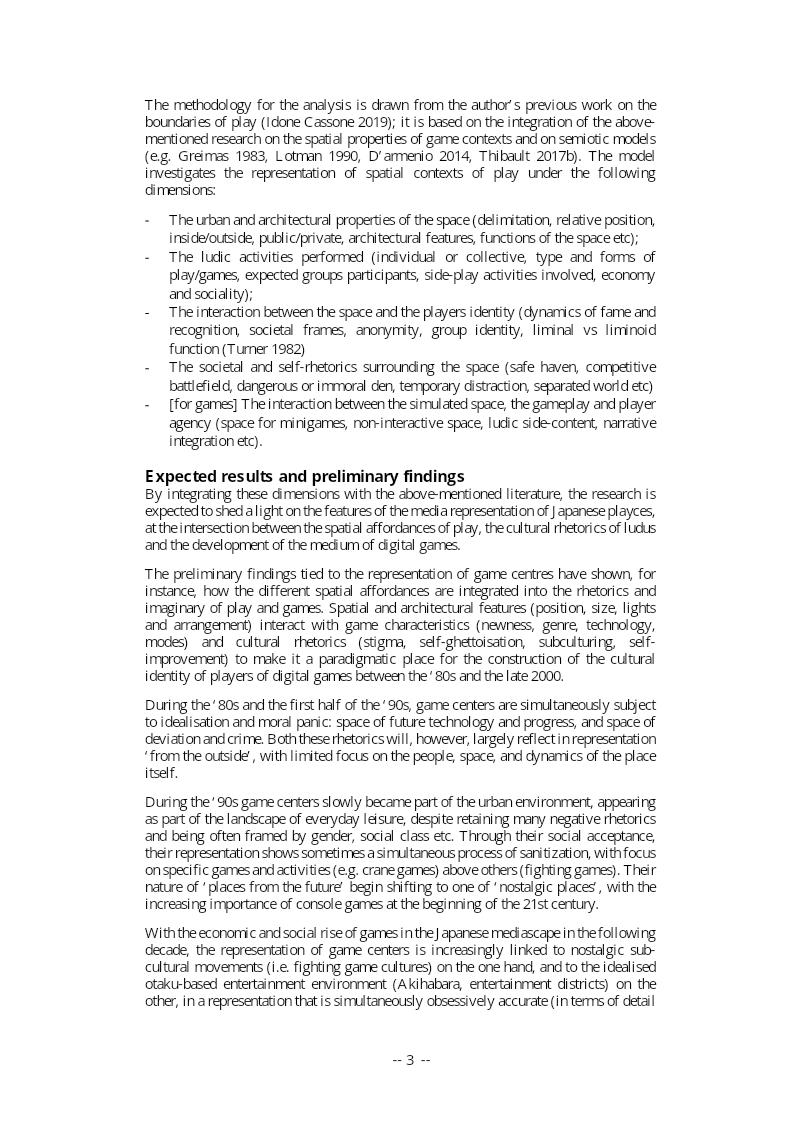
The central argument is that from the late 1970s onward, Japanese play contexts such as arcade venues, modern entertainment districts, game centers, and theme parks gradually became more autonomous and self-sufficient in relation to time and space. This autonomy, the paper contends, challenged traditional notions of play as a bounded, separate, and unproductive activity and anticipated the pervasive and interstitial forms of play that later became prominent worldwide. The analysis draws on historical sources on the Japanese game industry and on the cultural study of game centers and theme parks, and it proposes a comparative reading of these developments alongside their media representations in manga, anime, and selected game series such as Yakuza, Persona, Shenmue, and The World Ends with You.
The study is positioned as part of a broader, in-progress research effort on the Japanese historical dynamics behind global ludicization. Its scope is primarily historical and cultural rather than quantitative, and it does not rely on survey data or a defined empirical sample. Instead, its contribution lies in conceptual reframing, offering a Japan-centered account of how the semiotic and social boundaries of play were redrawn, with the goal of demonstrating that the ability to recognize and situate play within specific spaces was itself a sociocultural achievement with international consequences.
Each row is a game or company this document names, each column a document, oldest first. A mark means that document names it. Select a row to see those documents.

DiGRA · 2026

DiGRA · 2026



DiGRA · 2026



DiGRA · 2026



DiGRA · 2026



DiGRA · 2026



DiGRA · 2026



DiGRA · 2026

DiGRA · 2026



DiGRA · 2026



DiGRA · 2026

DiGRA · 2026
DiGRA · 2025