1 free read left. Create a free account for unlimited reading + AI research.
Create free accountWhitepaper Journal of Games Criticism
1 free read left. Create a free account for unlimited reading + AI research.
Create free accountWhitepaperJournal of Games Criticism
Distilling the key insights…
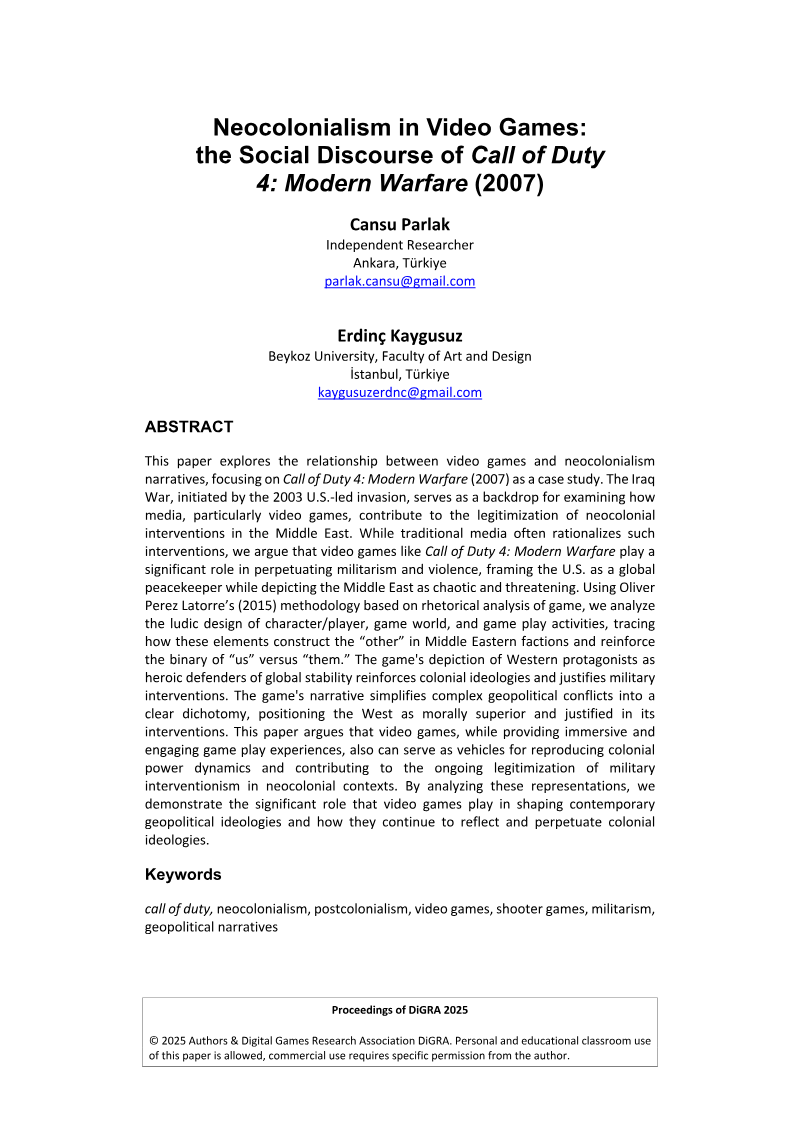
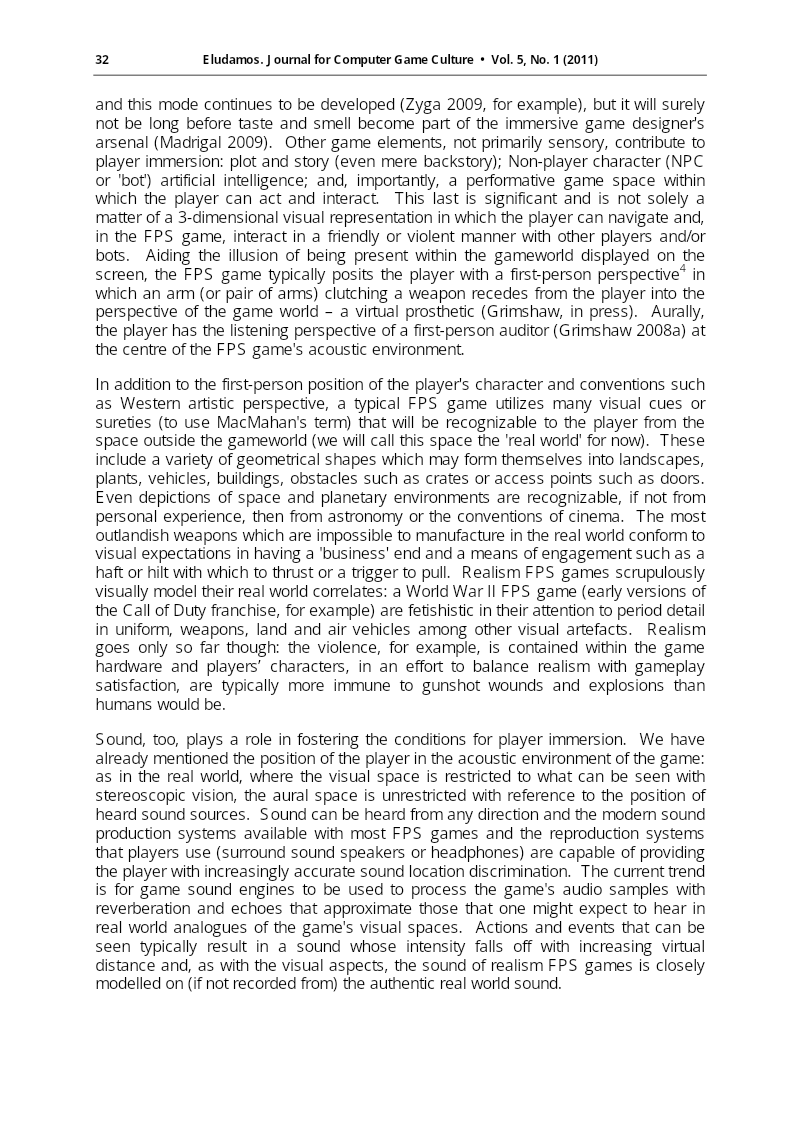
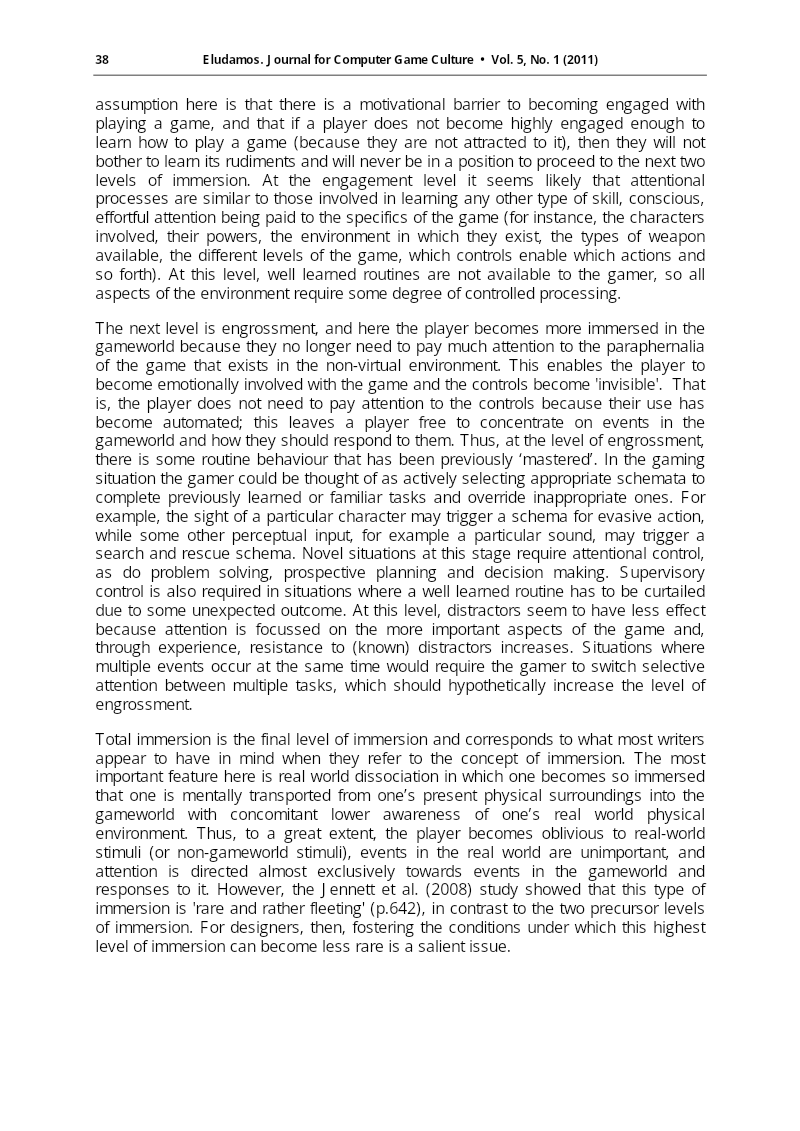
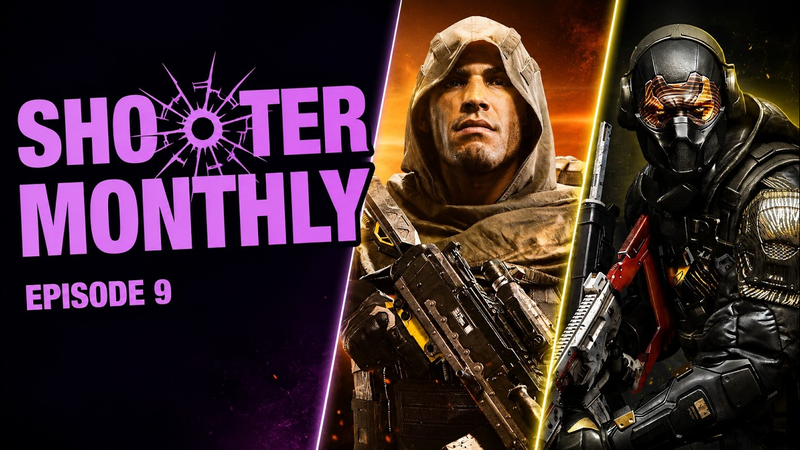
First-person shooters function as significant cultural vectors for imperialist ideologies, systematically reinforcing Western geopolitical agendas through the mechanics of territorial conquest and the pacification of foreign environments. By framing non-Western landscapes as inherently hostile spaces requiring intervention, these games utilize procedural rhetoric to normalize colonial expansion. The genre frequently centers on a white savior narrative, where players master indigenous tools and environments to impose order, effectively sanitizing the real-world implications of military violence and aligning the medium with the broader military-entertainment complex.
While certain titles attempt to subvert these conventions by implicating players in morally ambiguous or destructive acts, they ultimately struggle to escape the genre's foundational reliance on violent othering. Even when games explicitly critique the futility of conflict, the core gameplay loop remains tethered to the necessity of domination and the subjugation of the environment. Consequently, the genre consistently struggles to transcend its structural roots in colonialist logic, regardless of the narrative complexity or critical intent embedded within individual titles.
This analysis draws upon post-colonial theory and industry-specific studies to examine the intersection of digital play and geopolitical power. By evaluating a range of titles, the research highlights how the FPS genre serves as a persistent vehicle for reinforcing historical power imbalances. Ultimately, the synthesis of these findings suggests that the mechanics of first-person shooters are not merely neutral entertainment tools but are deeply embedded in the promotion and justification of imperialist frameworks, shaping player perceptions of global conflict and cultural hierarchy.
Journal of Games Criticism · 2026
Journal of Games Criticism · 2026
Journal of Games Criticism · 2025
Journal of Games Criticism · 2025
Journal of Games Criticism · 2025
Journal of Games Criticism · 2025
Journal of Games Criticism · 2024
Journal of Games Criticism · 2024
Journal of Games Criticism · 2024
Journal of Games Criticism · 2024
Journal of Games Criticism · 2024
Journal of Games Criticism · 2024
DiGRA · 2026