1 free read left. Create a free account for unlimited reading + AI research.
Create free accountReport Deloitte
1 free read left. Create a free account for unlimited reading + AI research.
Create free accountReportDeloitte
There is a necessity to shift towards converting casual viewers into consistent, paying consumers.
Like a free sample that needs to become a regular purchase.
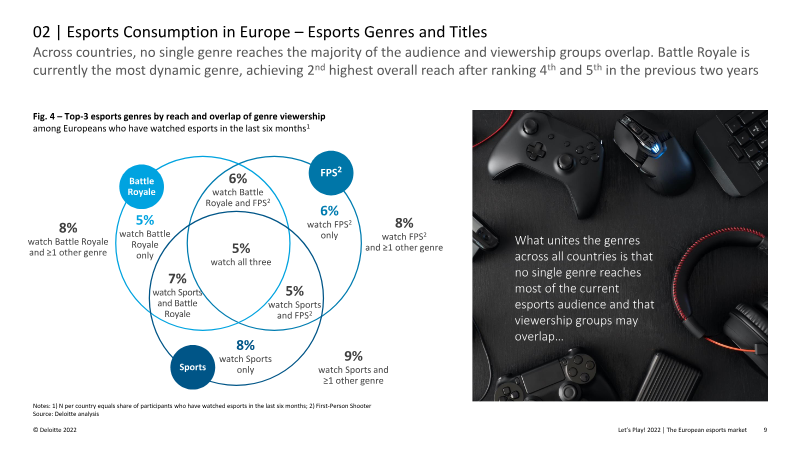
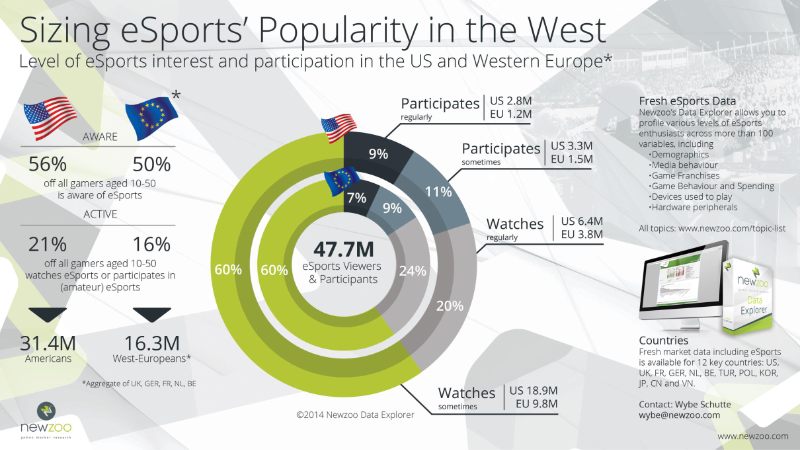
The European esports market has reached a critical inflection point, transitioning from the rapid, pandemic-driven expansion of 2020 toward a phase of stabilization and strategic maturation. While awareness remains high across the continent, particularly in Poland, Spain, and Italy, the industry currently faces a plateau in total reach and a decline in regular viewership. The primary challenge for stakeholders is no longer audience acquisition, but rather the conversion of a vast, digitally native demographic into consistent, paying consumers. To address this, the industry is pivoting toward content diversification, with Battle Royale titles leading the charge in capturing the attention of young, value-conscious viewers who are increasingly elusive to traditional media outlets.
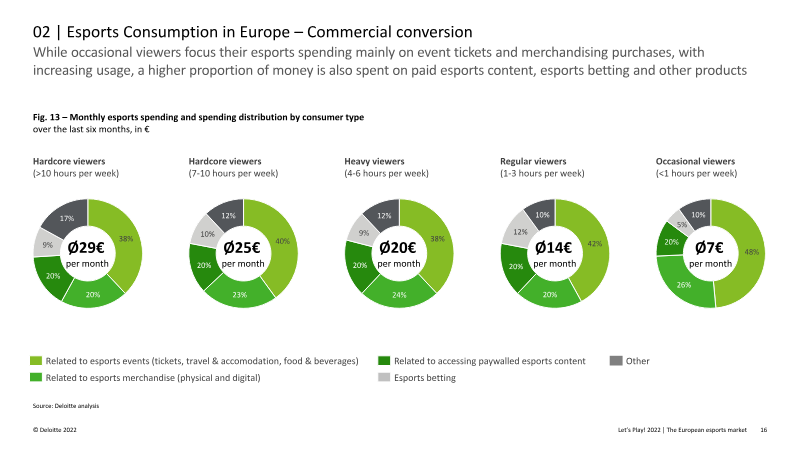
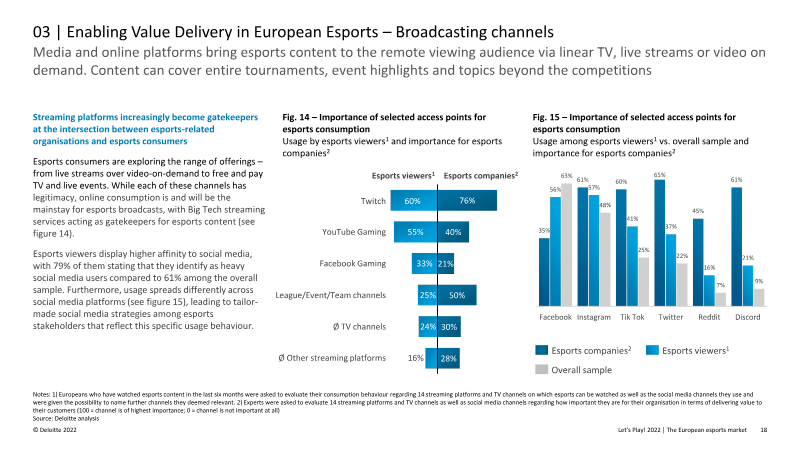
The demographic profile of the European esports consumer is characterized by highly educated, affluent Millennials and Gen Z individuals who exhibit a strong preference for authentic, non-intrusive advertising. Despite this favorable profile, the market remains significantly under-monetized due to a historical reliance on free-to-access content. Commercial success is now tethered to consumption intensity, as hardcore viewers demonstrate a much higher propensity for spending than casual observers. Consequently, platforms like Twitch and YouTube Gaming have solidified their roles as essential gatekeepers, facilitating the connection between endemic hardware brands and a receptive, tech-savvy audience.
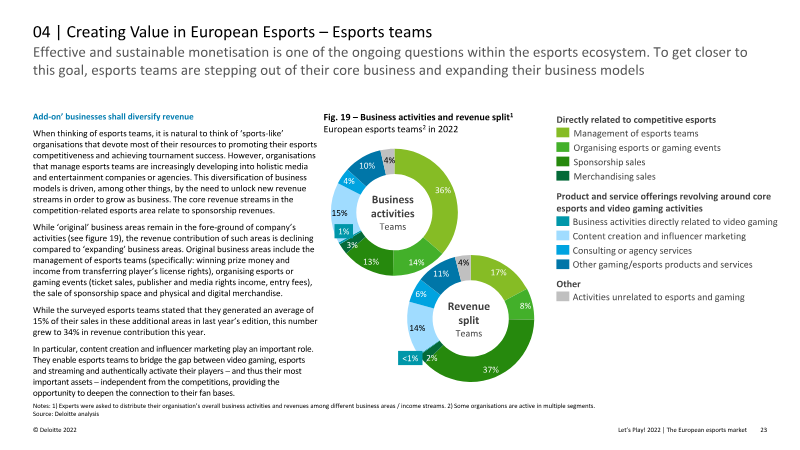
In response to these economic pressures, esports organizations are aggressively restructuring their business models to move beyond the limitations of pure competitive play. By integrating agency services, media production, and content creation into their operations, teams are prioritizing long-term revenue expansion and market sustainability over immediate profitability. This shift is bolstered by robust merger and acquisition activity and sustained interest from both endemic and non-endemic investors. As the sector matures, the focus has shifted toward building diversified, resilient enterprises capable of navigating the complexities of the modern digital entertainment landscape across 15 key European markets.
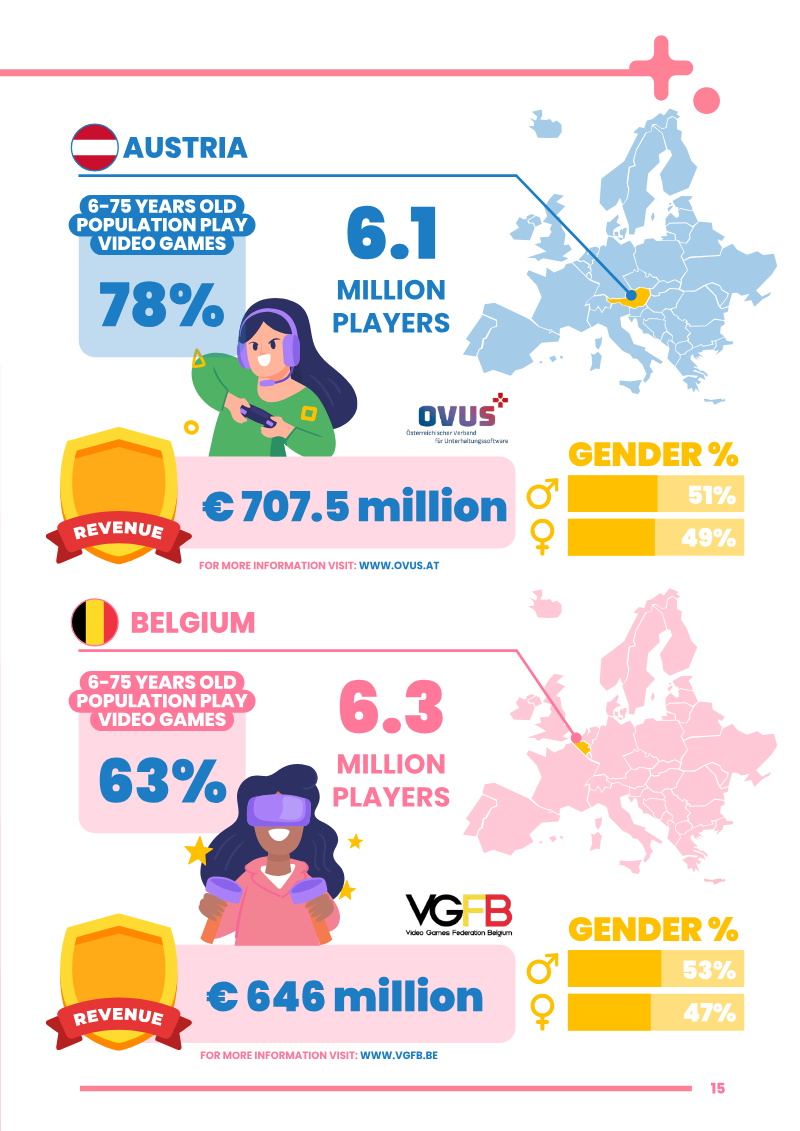
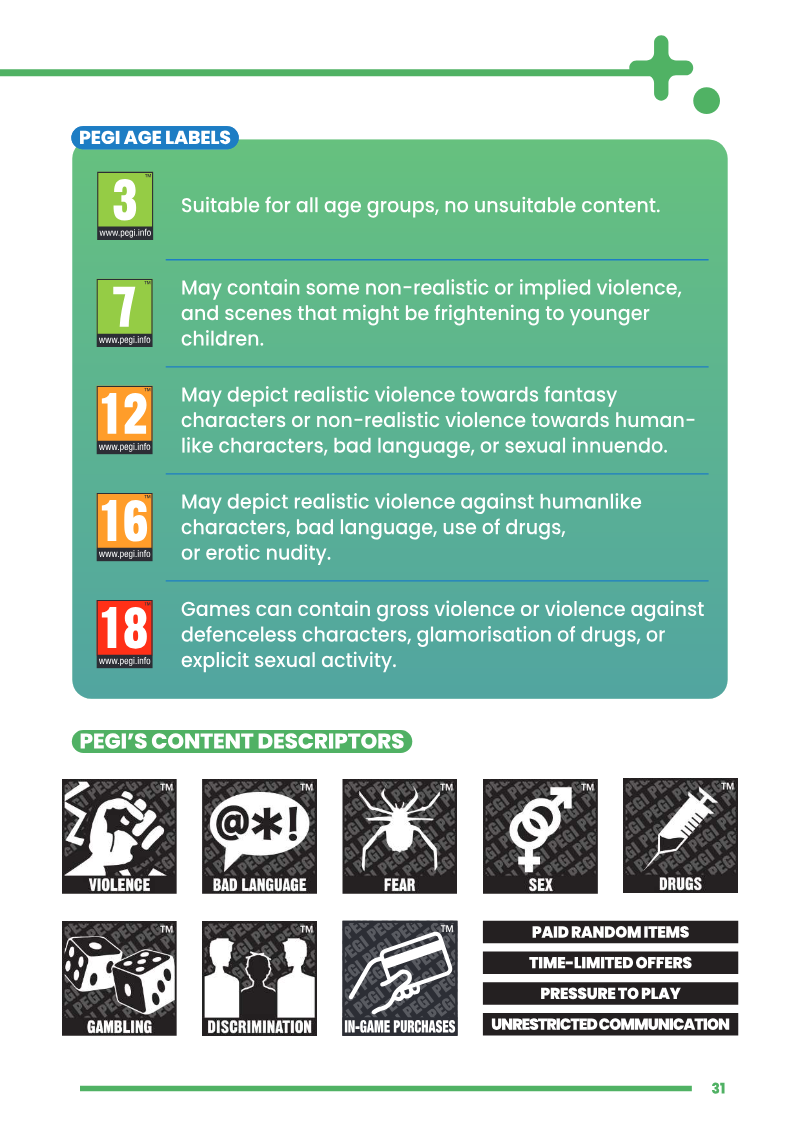
Video Games Europe · 2026
European Games Developer Federation · 2026

Video Games Europe · 2026

Video Games Europe · 2026

Video Games Europe · 2026

Video Games Europe · 2026

Video Games Europe · 2026
Video Games Europe · 2025
Video Games Europe · 2025
Video Games Europe · 2025
Video Games Europe · 2025
Video Games Europe · 2025

PocketGamer.biz · 2026