1 free read left. Create a free account for unlimited reading + AI research.
Create free account
How Does SkyBox Support NetEase’s Global Strategy? - Naavik Gaming Podcast
Key insights
6 takeaways- 01Platform-level policy changes, such as YouTube’s restrictive content monetization, are creating significant revenue uncertainty for creators and marketing ecosystems.
- 02Hardware innovations like the PS VR2 are struggling with mainstream adoption due to high pricing, contributing to an industry-wide state of transition.
- 03NetEase is mitigating domestic regulatory risks in China by acquiring Western studios like SkyBox Labs and Quantic Dream to scale AAA development for international markets.
- 04Stricter data privacy mandates, such as GDPR and expanded opt-in requirements, are forcing a fundamental shift in user acquisition strategies that disproportionately impacts smaller developers.
- 05Major publishers, including Square Enix, are prioritizing stability by divesting non-core assets and restructuring internally to focus on high-performing intellectual property.
- 06Blockchain integration has shifted from a primary focus to a long-term objective, with current industry efforts centered on organizational modernization rather than immediate product launches.
Ask AI about this video
Transcript
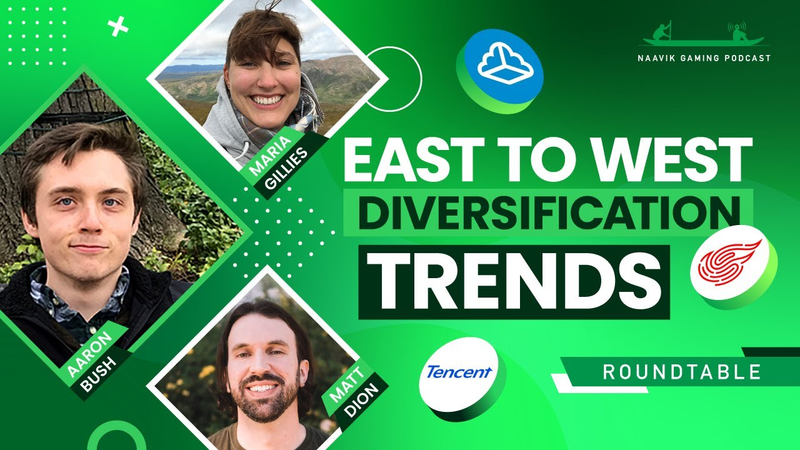
[Music] the EU has fleece billions of dollars from you know primarily American internet companies for making up new rules and then enforcing them retroactively and like finding retroactively so that just really grinds my gears [Music] hi friends welcome to the navig gaming podcast this is the round table and I'm joined by Aaron Bush co-founder of navic and Matt Diane lead product manager at EA and navigate content contributor and yes that is right you heard the navic gaming podcast and not the metacast because we rebranded we talk about gaming so gaming should be in the name absolutely and salutations everybody
hello hello is this your continued attempt to be really happy saying hello Eric I think ever since you told me that my hellos weren't enthusiastic I've tried but all it's done is just amounted to it being increasingly awkward and I don't know what to do about it but I'm still still trying I I love awkward so this is great and you brought back your donut hat which makes me absolutely Happy YouTube exclusive Donuts that's right um yeah also you know for you and for our listeners happy 2023 I think is going to be a wonderful year and I you know we're all here for each other enjoy making games playing games and yeah we'll be with you every week so actually new year new opportunities and Adventures we're on the lookout for Roundtable panelists so if you're keen on joining us and you know something you'd be interested in you can look at the navic job board to find more of a description and reach out to us Aaron
and Matt do you like being Roundtable panelists I do I recommend it's fun gives you a good chance to dig deep into a lot of things stay on top of the industry yeah you know you have good conversations um everyone is friendly and I've met all sorts of interesting smart nice people through the process so I very much enjoyed it oh no it's not an option but this still was so amazing yeah so if if you're curious to know more uh reach out to the job board and then Matt you did an amazing Arc Knights deconstruction which I really like because I'm playing neural Cloud which is kind of similar I was just wondering off the top of your head if you have a favorite takeaway from when you were writing the piece um yeah I don't know if it was one specific thing um it was a new game to me uh so it was I think my favorite part of it really was kind of like the unexpected
um rabbit holes that took me down doing the research like I I learned all about like anime and gotcha games which is sort of an area that I never really looked into before uh obviously familiar with gotcha as a monetization mechanic but sort of the like genre and kind of culture around gotcha games specifically and like character collectors that was really interesting to me to learn more about and understand how that kind of connects to the like anime subculture and things like that so anyways I'm giving away a lot of the goods in the deconstruction but it was very interesting for me now I found it interesting too and it's in um the full d-cons in our novice Pro service but even just for those who who don't know what Arc Knights is it's like a it's a tower defense mobile game that is not like any other tower defense game you played before that has a ton of RPG mechanics and you know in-depth narrative and all that kind of stuff so it's just like a really unique kind of
game to analyze and kind of thinking about like oh if this could be done with Tower Defense maybe it could be done in other areas we're not thinking about too but anyways yeah it was just really fun games a really interesting really interesting genre mashup and like expansion of the Tower Defense genre I think yeah we'll get started with the first Year's updates and Aaron you're you have the first law fantastic and this is I mean this is the first round table of the year but you know still a little bit happened at the end of this at the end of December and one of the things that happened at the the end of last year was that uh China's national press and publication Administration approved and issued licenses for 44 imported games and this is notable because it's the first time in 18 months that an imported game has been approved in China for roughly a year or so there was a freeze altogether of approvals both imported and domestic
games but after a few months of starting to approve domestic games the the regulator finally got around to imported games um of course many of these imported games are still very much connected to the the big Chinese Publishers like tencent and Netties because International companies usually need to partner with local companies in China to both localize the games and not just have a chance of winning in China and this is is also notable because even when China was recently giving licenses for domestic games it largely skipped over the biggest Publishers and instead prioritized the smaller Developers for whatever reason and if you look at the approvals in this list there there are some notable ones for example valorent is on the list which obviously made by Riot which is you know owned by 10 cent and it also seems like Japanese and South Korean companies saw a chunk of approvals too so Nintendo's Pokemon Arceus I think that's how I say it got
approved and you know net Marvel in csoft craft on cacao games and Dev sisters which are all South Korean companies they all got approvals too so in general this is a really healthy change of pace in 2022 China granted licenses for 462 games which is a pretty major step backwards from 2020 one when they approved 755 and of course there's a huge freeze in the middle of all of that but the end of the freeze and the momentum of approving both domestic and now imported games it's a good sign for the new future at least and you know of course if we've learned anything about China anything can change the government's mandates and rules and priorities around various Industries and Views towards gaming very well may ebb and flow and this might not be the permanent state of things for who knows how long that's what you sign up for when interfacing with China's game
Market but for now pretty good progress uh South Korean games had not been approved since 2017 was it I don't know this specific date but yeah it's been it's been quite a while do you know what changed that why now I have absolutely no clue um I think and the that regulatory body the the name I I just mentioned the national board um I think they were going over like a pretty huge like internal restructuring of just how they were operating is how I understand it um and also just it coincided with China just creating more regulations around gaming in general around um you know the rules around minors playing for only certain numbers of hours and uncertain days and it seems like in general China was just pushing for people to pay less attention to gaming and even just like even with
startups just less like internet startups and kind of refocus more on what they view as vital Industries and more vital uses of people's time and I'm that's just my general sense so I could be wrong on some of that I don't think anyone fully understands you know the the inner workings of these government agencies especially from from so such a far like where we are um but I think there's a few pieces at play there like that that's kind of my take on it too Aaron is like I would love to try and draw Trends or conclusions from this news but I feel like the approvals process in China is so closely intertwined with politics um and that's just something you know I don't feel qualified to comment on as a as a Westerner and like not not a close China Observer um so like you know I've seen some commentary it's like well this is good for South Korean games because they haven't been approved for a long time or you know we're going to talk about netease a little bit later like maybe
this is good for netease getting some of their games approved I don't know I don't want to read too much into any one particular angle it's just like let's just kind of see how it evolves okay yeah what's the next update Matt sure so um I have a quick update on YouTube uh policies uh around streaming so they they recently um updated their policies around what videos can and cannot be monetized and this um policy change is causing a bit of an uproar because is basically it's caused a bunch of gaming content to be demonetized which is one thing but the what sort of compounding it is that they didn't really give the creators any notice they just you know took the monetization away from a bunch of their videos without really telling them uh which is not great um so the the policy change is largely around things like violence profanity sexual content um things of that nature and there's a lot of sort of intricacies to the rules
for lack of a better term like there's a lot of talk about you can do this outside of the first 15 seconds of the video but you can't do it in the first 15 seconds of the video otherwise it's going to be demonetized um when you think about what their um what they're cracking down on profanity and violence this has bubbled up quite a bit in gaming videos around particular genres of games so I saw some coverage around streams from the Callisto protocol which is a recent survival horror game from crafting these videos were getting demonetized and if you think about survival horror games like that or Resident Evil or what have you I mean there's a lot of Gore there's a lot of violence in these videos and I mean it it kind of like makes it very difficult to create content for for certain genres think about shooters for example like the whole extraction shooter genre escaped from tarkov and whatnot it's kind of like you know there was a recent novik report on this navic Pro shout out on extraction Shooters like this is a this is a thing that is
happening right but the whole like one of the key mechanics of extraction Shooters is looting loot from dead bodies and like that is explicitly against the the policy that um that Google and YouTube have outlined so um you know I don't know that there's been a resolution but the the tldr is like not great communication from Google and YouTube on the change of policy and kind of an unclear future for the content creators that are um focused on these genres that are primarily impacted we've seen twitch losing some ground in terms of being the leading gaming streaming platform do you think this might renew their advantage and see creators move back to Twitch or even to other platforms because this affects some fairly you know staple games uh players love to watch streaming of could be um honestly I'd have to look into you know the latest on Twitch because I my recollection was there was some
um some pushback on the royalty splits or like the the revenue splits with twitch and um obviously you know it's sort of like the creators are getting pinched on multiple sides right now and they're gonna have to find the platform that works best for them maybe it's like Tick Tock or something I don't know it I don't think it's great for YouTube um maybe they'll update it um because this feels like a big chunk of creators to be alienating um and as you point out you know twitch and others are competing you know strongly in the gaming space so I don't know I don't think it's great for YouTube but there's a lot of Shifting Dynamics and uh I'm honestly not sure yeah you don't think it will be a big dealer no I I don't think so I mean obviously it's not not great um but switch itself has had its its fair share of um issues as well and you know the bottom line is that it's just hard to
you'd like really set rules around and manage like really complex big platforms like this when there's always people trying to Skirt the Rules somehow and um you know the meta is always changing and you have to deal with regulations that can also change too which can also be a country by country it's just it's just hard but I do think Matt was right just to call it the communication piece and we also know that YouTube gaming specifically has newer leadership I think they have seen a bit of an exodus I know Ryan White used to lead he's now the CEO of polygon and I think he's not the only one to to have left um so if anything this is maybe just a lesson to the new leadership of like hey communication with your creators really matters at the end of the day that's like the backbone of everything that you are so hopefully it's more of a like a lesson learned on the communication front than more of like a crack in the foundation that is a sign of more to come um but YouTube still has pretty incredible advantages as being the place
where you you can watch streams live and it's just where like all of the content is going to be stored anyways which twitch can't really compete with so YouTube is still in a pretty phenomenal position in my opinion an additional to YouTube I believe this announcement uh preceded the other announcement about monetization changes to monetization of YouTube shorts I believe they're going to implement and AD Revenue share with the creators which will be an extra Advantage with bringing creators from Tick Tock to YouTube shorts and also changing how you can become part of the Creator program of of YouTube I actually thought before they demonetized this kind of content the that the creators had to accept the terms the new terms and conditions by a certain date so I'm yeah I'm quite surprised that they announced it and then immediately start affecting the monetization yeah I mean the the coverage I was seeing was um some of the creators were saying even
videos they had made years ago were getting demonetized with no notice and they're just kind of caught off guard well I don't know if this is a big update or not as an update I'm excited about PS VR2 Aaron and I'm am I going to be excited about buying this maybe I mean it's launching soon so this was a bit more of a forward-looking um update um because it launches next month on February 22nd it was and just as a reminder the psvr2 is announced in November and honestly I think it looks it looks pretty cool um so so yeah as a as a player Maria you you might enjoy it um and just sort of as a refresher um for everyone I mean the PS VR2 obviously has improved specs over its predecessor uh it has Superior resolution per eye a wider uh field of view angle it has several cameras for movement tracking including eye tracking uh which is an innovation we don't see everywhere including switches in the the
quest right now so that's pretty cool and the the game lineup also looks pretty decent so far Horizon call of the mountain is probably going to be pretty good and is the flagship launched exclusive uh also the dark pictures Switchback VR is another exclusive and that that could be interesting and naturally the the headset will support a bunch of hits that are already on the quest and we'll see games like Resident Evil Village and no man's Sky be adapted for the headset too which um you know just could be a new interesting and fun way to play some of some of these games as well um the just for some stats the original psvr sold about 5 million units which is roughly a four percent attach rate to the PS4 um and so it did okay but not really that great it wasn't really like a mainstream hit really and I would expect the psvr2 to perform somewhat similar to
that it is a better device and I'm sure we'll be you know have a better immersive experience with more games but there still are a handful of things holding it back in my opinion one is the price point it's selling at 550 which is one hundred and fifty dollars higher than the Quest 2 and the original psvr and it's more expensive than the PS5 so um consumers will have to pay up quite a bit to get this device which um we'll see how that goes especially heading into more of a recessionary environment um it's also not super clear what exactly new players can expect to come to the platform in terms of games over the next few years it seems like PlayStation is supporting it to some degree but I don't know how much they're really reinvesting and new content yet and I'm sure that'll somewhat depend on the level of adoption and engagement and then lastly it still is a tethered device and has to be hooked into the PS5 to be played and that naturally reduces
flexibility like I can even just say for myself that like I don't know if I can realistically use this device in the space that I have if it has to be tethered and I have a quest too and like can use that somewhere else so that that might hold it back a little bit as well so I mean really it's still it still is early for VR this probably won't have a huge impact on the PlayStation ecosystem anytime soon and I think Sony knows that and really the way I think about it is that keeping up but VR keeping up with VR is Sony's way to stay in the long-term VR race and maybe once the time for more mainstream adoption comes they'll be one of the few companies that's ready to go already has their experiences um um you know Lessons Learned From the Past and has a history of knowing how to make these games and exclusives better but you know all that said it still looks fun so probably not the biggest impact
but if you're into VR and you like some of these IPS and franchises I'm sure you'll have a great time yeah the Horizon world is extremely beautiful and immersive so I can see that driving a lot of fans of of that franchise too yeah you know buy it experiment maybe it'll be their first VR experience I think it really hit the nail on allowing Studios to start gaining the knowledge and the experience in designing VR games because it is different to designing you know just a screen based game you have to know how to fully immerse a player you know I you know I develop games and I can't even imagine how to start and get knowledge to do that really well yeah it'll be exciting and then we have apple who during the fall of this year is meant to release their reality Pro AR VR device that I'm looking forward to yeah we'll see I I don't know if that's really gonna happen yet I'm a little
skeptical although I would love for it to happen that would be amazing but yeah Horizon could be cool I haven't looked into that game specifically but just like the thought of like the whole bow and arrow experience in VR uh and obviously like big robot dinosaurs um yeah that that could be pretty pretty cool so yeah fingers crossed that's good for everyone I play Beat saber just to feel like I'm in Star Wars so bow and arrow sounds really cool yeah okay well we were talking about we're not ease briefly during the China licensing of international games yeah so Aaron do you want to kick that off um so yeah this week it was announced that netty's has acquired Skybox Labs which was founded in 2011 and is a canada-based co-development studio that has worked on games like Halo infinite Minecraft and Fallout 76 they also used to work on the Age of Empires Age of Mythology games which is pretty cool
those are some of my favorite games growing up um and they made a couple Originals too and if you look closely all of those top co-develop games are now part of the Xbox family I have a feeling some of that is more you know it's just how the chips fell and not completely by Design and I can't really say why someone like Xbox didn't scoop them up instead because of that um given that tighter relationship but uh I think we can still go ahead and examine why Netties might have wanted this acquisition and then maybe dig into a bit more of like netty's motivations in general um and to start it's pretty clear right now that Netties is looking more to the West for Revenue upside especially especially given the volatility and tougher operating environment in China like we just mentioned the volatility around the game approvals that's hard to predict and not completely and companies these companies own hands um and one way they're they're doing that trying to get more of that Revenue upside in the west is by pursuing AAA
games and part of that strategy is Acquisitions for example Nettie has acquired Quantic dream last year which made the Detroit human Detroit become human um gamb but it's also been setting up new Studios so for example it started Jackalope games and Austin Texas last year which is led by an experienced MMO developer Neti has also opened a studio called jar of Sparks uh and I'm blanking on where that's that's located but it's also I think North America based um and that's Seattle okay and that's led by um Jerry Cook who by the way was the head of design for Halo infinite so maybe there's some Connection in there with that Xbox relationship and Netties has also opened like two or three japanese-based Studios too that I can see and they might have done a couple opened a couple more Studios I didn't see in my quick scan but that seems to be you know a strategy that they're very much leaning into and so in general I
think we can say that Netties is going to be scaling up AAA development and likely needs help more resources in doing that in acquiring a company like Skybox is a good infusion of flexible talent that not only is growing but can be plugged into a range of projects over the coming years I don't think that means that Skybox will operate exclusively with with Netties I don't think that's going to happen but it'll probably take much more of a neti's bent as all of these AAA Studios start uh to ramp up um so I mean I want to talk about the China angle here a little bit more um but before we go there I'm curious if either of you have any other thoughts on this acquisition um if you think what I said makes sense or there's other pieces that play here uh I think it makes sense I think um certainly there's a competition for talent talented developers and my understanding of netease's intentions
coming to uh America at least is a desire also to um bring their games to a western audience or find ways to make them more appealing to Western players I know for a fact that this is something they're doing on the mobile side I can't speak to you know the HD console side that Skybox might be working on but I do know this is a strategic priority for them the additional angle I see is I'm sure this acquisition was has had already started before the broken down contract with Activision Blizzard but it could also just reduce the risk of their operating model by bringing that talent and developing more games in-house instead of relying on those big publishing relationships to publish in mainland China I think it's very interesting the whole relationship between you know Mojang is owned by Microsoft and Skybox co-developed um Minecraft which netease is a
publisher for in China another acquisition it it solidifies the rumor that potentially if the the acquisition of Activision Blizzard by Microsoft goes through that and at ease could renew their relationship to publish the Activision Blizzard games in um China so we'll see it's a web of conspiracy theories but all all sounding very compelling um well let's go ahead and maybe zoom out a little bit um I'm also you know curious what you make of the increasing trend of Chinese Publishers in general looking to the West for diversification through game launches M A starting these new Studios and you know as we've already kind of covered it's understandable why this is happening but I'm curious where where you think this is ultimately going um and how like impactful um these you know Chinese backed games or studios are going to to be in the west obviously 10 cent is already the
largest games company in the world um and part of that is because it's made a bunch of Acquisitions across the world and it's interesting to see Nettie is ramp up on that too but um just in general when you look at these big Chinese Publishers where where do you think that influence is going from here is it just going to continue to rise is there a point it's going to taper off just curious how you all view that reality shaping out well you know I don't know how successful it will be it's certainly um something that tencent has led the way on as you mentioned um I think there's a few things going on here one is like wanting to um well there's like political pressures right like there was a Crackdown on games within China and a desire to expand their business in other ways right if you can't expand within China whether it's game approvals or the restrictions they put in place on miners playing games um well you have to look elsewhere and so that's where you see you know companies like tensa and Eddie's making
these Acquisitions overseas so that makes sense to me certainly it helps to fill the pipeline as well of games sort of hitting the market um I think it's less clear how successful they'll be in you know reaching Western consumers um I'm not going to say they can't do it uh just that like I don't know what let's just for like a thought exercise like what was the last game that netease put out that really hit with Western players I'm not sure I know the answer to that maybe it's diablo Immortal um I don't know that would have been my guess is does code Dev count yeah I guess yeah I guess where I would maybe push back a little bit just some thinking about it is that like for a lot of these like new Studios that they're building they are Western Studios right like these these aren't games that are made in in China these are made by experience you know developers and Studio leads of
successful AAA games in the west and so it's sort of a diversification of Talent on that that front too that makes me think about that that's fair I I guess the next question then is like how autonomous are these Studios from the mothership um and I think that um some of that is cultural some of it is um business specific uh I can't really comment on like how net use operates in that regard but that would be like my next kind of big question is like do these um Western developers that they have brought in do they have full autonomy to kind of do their own thing I think that's kind of the way that tencent has typically operated they try and you know leave the studios alone to do their own thing you know supercell Riot whatever like you guys keep doing your thing and we'll just kind of cash the checks um will Netties take the same approach I don't know yeah the way I look at it is that if their main market and know-how was to
develop games for the the Chinese market for mainland China is especially with a Slowdown of video game licenses we've seen a Crackdown not only on gaming but also big Tech in general and so the market even though the market is growing if you want to continue the growth that you expect without that size of company you have to expand to new territories and I think the West is very interested also in International Investment and trying well for an investment trying to attract that so that they could have interesting conditions that appeal and make it you know easier to set up instead of if we're looking at vice versa if it were the West trying to create and set up Studios and for example China and so doing so allows like you're saying to gain that talent and the know-how and if we look at developing games for mainland China the console Market is small and so if you're already strong in terms of the mobile portfolio and your mobile market then it's I think it's it just makes
perfect sense to try to track the west and make games from talent that knows how to has experience and proven hits of developing games for that market yeah um I mean what's clear is I mean the objective is just to grow revenues in the west um and there are different ways that they can go about that right like in many ways it's easier to acquire and in some ways they are like you know we're talking about the acquired Skybox um and they acquired Quantum dream last year um and you know that's something that all big gaming companies you know often try to do just because it's more Capital efficient to buy what you know already works that is in place than to take a risk on building something from scratch that might not work um but of course they're you know is more scrutiny when it comes to that you know just like geopolitically especially if they wanted to make bigger Acquisitions and buy you know like super notable Brands
um I'm not exactly sure how that would land uh probably not great in the U.S maybe a little bit better in Europe but I can't really say um and so you know because of that scrutiny you know I can see why they might want to build more from more from scratch I mean not only is there less scrutiny when you basically start at zero um but there's also more upside if you succeed right um and so they could get higher Roi from that lens I don't know if that's a huge driver behind their thinking um but it's interesting to see but either way it's pretty clear that they want to do this and it is a pretty clear motivation for both 10 cent ad Netties to find a way to succeed so I suspect that um you know these Chinese Back Games still probably will grow in prominence a bit um I think Matt you're rights probably questioned whether it'll all work my guess is no um but I still think the answer will be
yes and in some cases and maybe some like pretty profound cases where we can see you know new hit IPS that stick around and last the test of time come from a lot of these these newer newer efforts um and of course from you know more of like a consumer lens you know it'll be branded as you know it came from this us studio and it won't even really feel or seem as much like a like a Chinese game um which I don't know you know for consumers I don't think they really care anyways they just want to play awesome games um but you know geopolitically it could have an impact and of course longer term geopolitically who knows like where any of this goes the world is a crazy Place hopefully you know things stay peace get more peaceful and stay peaceful um and um you know we could just enjoy great games not have to worry too much about the geopolitics but of course that's kind of the the wrench that could get thrown into to any of this at any point in time um so I don't know if we need to dig too
much into that but if anyone has any final thoughts on any of this that would be cool and maybe we can move on yeah my my final thought is I I believe that these big gaming companies uh based in China also come from a strong position of having a lot of networks and past relationships and experience that creates an advantage in making the best choices in terms of Acquisitions we look on at ease we look at tencent they're used to having code development um sorry co-development Partnerships for Western Studios and now they're coming from a position of advantage of knowing you know partners that they worked with such as Skybox and capitalizing on those past relationships to build now games internally so that you use European data protection board rules that meta cannot require users to accept their personalized ads via their products terms and conditions now we are going to be diving into gdpr and I know that as soon as we say gdpr people usually go no this is really
boring but I have a secret love for it and so I'm going to try to make it exciting for you so to become compliant with the gdpr principles and regulation the form of how meta could resolve this issue is by having users in EU and UK have to consent by opting in or out of their personalized sorry their personal data being used for personalized ads so all the cookie pop-ups that you usually see Facebook would have to do that as well well all meta products really if we look at how much ios's ATT affected meta this is quite scary because ATT affects third-party data and now we're talking about meta losing the ability to deliver personalized ads based on first party data which is what they rely on you know what does your profile say while Pages do you engage with what are your interests and so this would also affect all platforms and you
know if we took it take an example of ATT I think the opt-in rate is about 35 percent if we want to take that as a benchmark to opt in for users through this pop-up um and I think to kick off the discussion if we take a look at even more importantly the gaming perspective this is quite scary because Facebook is still a principal UA channel for mobile gaming especially for smaller Studios I don't have the budget to do a mix of UA channels and you know Facebook not being able to Target uh players in EU and UK based on for example their demographics or their preferred activity we're already going through the the motions gtatt and so losing that ability to Target such an important Market personalized I don't think I need to expand on how concerning that is and can I yeah oh yeah you go you go I actually just want to back up a
bit and maybe just talk about the meta piece a little bit just bigger picture because to me this is like absolutely absurd and makes no sense and like time and time again I can't help but roll my eyes at how these like these like EU bureaucrats work like Maria I don't understand how you have the secret love for gdpr like I I have that not so secret like hate not necessarily for gdpr but just like it just seems like these rules time and time again they're just like bone-headed decisions so let me just break down at the high level why why I think that is I mean we can ease into like what you're saying where you wanted to take this specifically with games um so you know this rule is worse than Apple's ATT policies right because years as you were saying Maria with ATT users opt-in or out of letting apps leverage third-party data um and what the EU is saying here is that meta is not allowed to use First party data to serve ads without user opt-in and that's like inside
personalized ads they can still serve generic ads but not perfect yeah but that's even so that still is like absolutely insane so like one like these platforms use first party data already in their algorithms to provide like the core user experience in the first place and apparently that's not an issue but it is with ads so they can use first party data to pick what normal content to show you but not what like monetized content to show you like that line of logic like drawing that Line in the Sand um separating those two points like it defies logic it makes no sense um and second like the gdpr rules did not originally provide Clarity on this and so for the EU Regulators to retroactively find a company for a rule it is only now making clear is just like such clearly an unethical thing to do and and sadly like it's not new right the the EU has fleeced
billions of dollars from you know primarily American internet companies for making up new rules and then enforcing them retroactively and like finding retroactively so that just really grinds my gears and and the third thing like if we're truly honest with ourselves is that rules like this hurt consumers it makes their experience all over the Internet worse and less personalized which you know nearly everyone wants at least some things to be personalized so I mean I don't know how set in stone this is meta will probably try to push back they'll roll out some kind of like opt-in opt out text which at least they can control right like with HCT Apple like forced you know specific text and you know these companies are able to come up with their own but you know if that appeal doesn't work then yeah it means that the company will serve lower more quality ads and it'll hurt their business until they maybe find some other way to innovate and maybe improve but this is bigger than than meta right like if the
rules around using first party data for advertising truly exists then it impacts anyone who serves ads and like I also just read that France find Apple a few million dollars because they're App Store ads use first party user data without asking permission and like there's so much irony in that right with like Apple getting fined for like privacy related things when they're like when they're the most strict about it than anyone else and so um you know Amazon is gonna get whacked and you know it'll probably have like an impact on on games too maybe not as much but like anyways it's just like there's just so many pieces of this that are just absolutely ridiculous in my mind and I I want to push back a little bit because okay this regulation and implementation of products that use first party data this is not new and so any mid-sized small size company in in Europe well the EU
and UK that's developing a product has to follow the gdpm rules and you have very strict kind of text that you have to use and how you design the ux of the consent because you can't have the checkbox already pre-ticked and all of that so you know meta will have to follow some regulations of how they try to get the the consent and okay I'm going to put my I work in the games industry hat off and put my I live in the UK and I like my personal data to be private hat if all of the midsize and small size companies have to find Solutions on how to Market their products by following this regulation then the big tech companies should too and I don't think this is new I think Meta Meta was applying because there's some legal basis where you don't have to get consent and meta was using that their product is personalized and so it's a contractual necessity to have ads being personalized but as are trying to sell
you something outside of the platform and not based on the experience that you technically want to use to share and speak with your friends anyway I'm going to put my gaming hat on that didn't stop me at Aubry I'm sorry like that like like meta was following the rules that were set out by by gdpr they were not well this is what the they absolutely were they're using a legal basis that was ruled against that's that's not true at all um they were following the rules and the clarity around like using this first party data like in their case for ads like that is a new that is a new thing that is starting to roll out across these these bigger companies and even still like it makes no sense to separate between like what the content types are if it's all still part of the same experience but anyways we don't have to overly dig into into that but yeah there's a lot of pieces here that just don't make sense and the whole retroactive finding is the part that can
I ask a clarifying question um as someone who knows much less about this topic than both of you do um when they talk about personalized ads through first party like how do you define an ad so for example if I am in like Netflix or Amazon uh and they're gonna like personalize what they recommend to me um based on my previous viewing data or previous products that I've looked at like does that count as ads even though it's within their you know ecosystem no because it's not trying to sell you something yeah it's not you know you're not clicking on the ad to then buy something it's not trying to influence your purchasing Behavior well I could see that being the case within Amazon for example they have Amazon products that they may surface higher or lower than non-amazon products within their Marketplace I'm not that deep of an expert we need a DPO here a data Protection Officer according to the gdpr to answer these questions in in
detail it does feel weird that you can't use your own first party data yeah that's a line that shouldn't be shouldn't be I Am pro privacy to be clear but like I don't know yeah is the tricky part that um they can't um use the terms and conditions anymore they have to get like an explicit you know pop-up or something it's like here I'm opting into this yeah yes so for there's different anyway there's different types of data and for different uses and you have to be able to opt in for the different uses but pretty much every website product in EU and UK has to follow that you cannot personalize an experience whether for marketing or of weather reasons until the user has opted in for you to use their historical data you know and personal data is very abstract it's just anything that could be used to
identify someone and it's not an identifier like an email but we're going into the leads uh but yes gdpr is a thing in EU in the UK and it has to be followed and then I put my gaming hat on and this is very concerning so I know So Meta are going to appeal and we can conclude the the topic yeah meta are going to appeal and so we'll have to see what happens they've been given three months to become compliance so yeah well I just have a couple thoughts I mean it hurts companies that rely on like more specific like first party data to like deliver ads and so someone like Facebook or Amazon that just has a lot of personal info to work with to make ads especially um personalized like those are those are going to get hit quite a bit and if we look at like the games industry like yeah it's it's going to be a net negative but um it's the kinds of ads you see in games usually you know you're not going to learn a ton about a person from like how they're playing just like
a specific mobile game and that like specific first party data you get from it so you know it's still not negative but not as as huge but the other thing to just keep in mind about these regulations is that like they tend to hurt smaller companies more than they hurt larger companies because larger companies have the resources two so one best comply um and and two to like build workarounds of sort and so you could say with like meta's case that like all of their investments into AI could actually like create some type of work around or competitive Advantage here where like without using like specific first party data as they're using right now to Target ads like they'll just be able to like Leverage an AI to best like know what to put in front of people I don't know exactly where you draw the line on what first party data or not is used in any of that but just like smart Ai and knowing what works or not um could make a difference but like that's so expensive to do that smaller
companies have no chance of doing that so if anything like if you compare the two it is more of a net positive for large companies competitive Advantage lead speaking but still is a negative for everyone I think you're right about small companies being really impacted I think it's just another thing to add to the pile in terms of like difficulties around acquiring users as a game developer um so yeah if you're a larger company you're going to have resources to maybe find workarounds but also you're more likely to have IPS that are less reliant on user acquisition and can more easily get organic installs um so yeah I just I chalk this up as another development along with ATT and other privacy regulations that make it more difficult for game developers and game Publishers to get their games out to the players that they want to get them out to
okay [Music] scary next let's go to happy news yeah is this happy news I don't know it depends on your perspective but um so uh so we're gonna cover uh Square Enix um New Year's letter so for the last couple of years at least um the president of Square Enix has put up this public letter where they talk about the macro conditions and they detail some of their uh strategic initiatives for the year coming up so uh this particular Edition the 2023 edition of the New Year's letter um starts out talking about the the macro environment and makes reference to uh what they call their medium term uh business plan uh which I'll get into in a moment but let me take a step back for a second the headline here is that the the letter has kind of reaffirmed the company's focus on blockchain gaming and I'll talk about a little bit like why why they're going into that and what's what's happening there but
they sort of work their way up to blockchain gaming in the letter so they start with the macro conditions they reference their medium term business plan which um I went and looked it up from previous letters the medium term business plan covered 21 to 22 22 to 23 and 23 to 24. so they are just heading into the final year of their medium-term strategy and they have um three sort of uh vectors for this strategy one is strengthening their IP ecosystem two is taking on new domains which is where we get into blockchain and some other stuff and three is optimizing the business structure for the covid world this is their words uh and so then they talk about the uh the other big news for Square Enix this year which was around or this past year which was around the divestiture of their studios in North America Square Enix Montreal Crystal Dynamics um they sold those off to embracer group and they attribute those sales to items
number one and three in the um medium term plan which was strengthening the IP ecosystem and optimizing the business structure for the code world so they're talking about getting rid of some IPS that are maybe less uh performant for them or less Central to their strategy and focusing their resources on a smaller number of projects and they're also looking to kind of revamp their publishing organizations they talk a little bit in the letter about how they've got new Chief publishing officers and they're trying to um do this strategy called one Square Enix which is like straight out of the the Consulting like naming book um but um I think this is actually in my opinion um where we'll see most of the developments for Square Enix in the coming year I think the news about blockchain gaming which I'll get to in a moment is like it's it's kind of um it gets all the headlines but it's really like not something we're going to see from Square Enix in a meaningful way uh in 2023 this is my opinion we can we
can debate this so uh the last thing they talk about in the letter of course they got all the headlines was blockchain gaming this is where they hit number two which is take on new domains by the way they talk about a couple of other things in new domains which is AI and cloud gaming they don't really mention this in the letter but those are the other new domains as a company they're interested in exploring but they're most focused on blockchain games and so they mentioned in the letter multiple quote multiple blockchain games based on original IPS under development um so they're clearly focused on this uh we at novik have covered a lot of their moves um they have uh some uh I think art nfts coming out or like a collection nft um they've done some game projects they're involved in I think the Oasis blockchain so they have a number of um kind of initiatives happening there um so you know I think we can kind of debate as a group whether this is the right strategy for Square Enix my take
as I mentioned is that the blockchain stuff gets all the attention but really you know the the main thing I think this letter is for it's for shareholders it's for business interests and so the main thing that we're going to see as business observers is Square Enix revamping their publishing organization to try and streamline it and focus their resources on fewer projects at greater scale um they talk in a little bit about like there's a an inherent conflict between selling off um these Studios but also like reinvesting in Talent which is something they talk a lot about and like how are they going to balance those two and like they mention it in the letter but they don't really get into specifics around how they're gonna square that Circle um I don't know I think it's a multi-year thing like it's very difficult to get rid of a bunch of Developers and then say oh we're going to invest in our talent um you know so I you know as a as someone who works in the games industry I don't really buy that argument
um but I can see where they're coming from at least so I threw a lot at you guys I think two things to discuss one the um streamlining of their publishing organization and to the focus on blockchain do you think that this is the right approach for them do you think that my take on blockchain getting all the headlines but not actually being the the main takeaway from this letter is correct or am I off base here it is interesting I think that the the refocusing in general is probably a wise move I mean I think we know from some of what they sold off that those those assets were not really moving the needle in terms of profitability and if anything we're holding the company back um and so I mean I don't really know the specific details there but kind of um kind of moving that aside and then taking you know the earnings from selling that to then reinvest into the the IPS and assets and opportunities
that they think have the most um upside that they already know succeed and can build out further um primarily I think that makes a lot of sense um and that for sure is going to be like the largest business driver over the next few few years um I guess you could say maybe these two pieces maybe like tied together in some way if part of their refocusing is also potentially on like the blockchain gaming elements especially if they're doing plugging that into their core IPS in some ways and that's where I sort of go hmm I honestly don't know um just because I think it still is going to be a while for that next era of web through gaming blushing gaming whatever you call it really clicks just because we still haven't really seen the successful case studies yet at least not many of them um there's still a lot of lessons to learn and best practices to nail down in terms of how to like really manage these
economies in particular um I don't know Square Enix like how prominent they want to make this like Tech and these kind of features in their games or if it's going to be more kind of like sink into the background there could be elements of like what like Western Gamers kind of feel and think about those implementations could be different from what um you know more Eastern located players view towards it too so that'll just be interesting to see out but of course I think we have to realize that it could also take time too because even though this is a big company they're not fully in control of their own destiny in the sense that especially like when it comes to distribution like app stores they have a bunch of rules in place now that limit what's possible steam doesn't support you know blockchain enabled games the consoles don't really yet either and so um you know they sort of have to wait for the ecosystem to be able to support it more fully to you before making those
moves um so yeah I think I agree with you that we're not going to see like big actions there in 2023 but I do think we'll see some Rumblings it'll be interesting to learn more about what those plans are and I think once we know that we'll be able to better judge um how we really feel about their efforts like what exactly are they trying to accomplish with the blockchain parts where are they plugging it in like is it gonna look like play to earn is it going to be something else I don't think we really know yet at least I I haven't seen too much about that um so those are my my quick thoughts on all of this something I found very interesting about how the letter was worded is about exploring how blockchain can be implemented for fun and new kind of games and not going down the already known you know types of how to how to use it and also they entered into a deal late December with gummy games I think it was you know 7 billion yen or
something it's quite a significant investment in that relationship and they already have a relationship with gummy games and developing some some mobile titles I think for Final Fantasy and so there they have a partnership with a mobile Studio that's used to developing high quality mobile games they've made that investment into blockchain they want to explore how to use it for fun so I'm still I'm so hopeful that they are they are working with their longer their midterm strategy and not maybe next year but seeing a game like screenix helping shape that segment of gaming at least for me it keeps me excited about the future of blockchain yeah I I think I agree with both of you um it will be interesting given that this is the last year of their medium-term business plan what the next medium-term business plan looks like um you know I wouldn't be surprised if the next business plan was like yeah we you know we really looked at blockchain hard and then we decided we're going to go to AI actually and that like that
makes more sense for us I'm not saying they're going to do that but like AI was one of their areas to explore um the previous letter from uh from last year talked a little bit about um uh comparing like play for fun versus um like I forget what the term was it was like contribute to earn or something like players who can participate in like a ugc style or contribute to their games in in some ways and being incentivized through tokens or other means to do so is something that they're interested in and something they're looking at but um yeah I think you're right Aaron this is like this is kind of a rebuilding year for them they're going to get rid they've already gotten rid of these Studios and IPS that they didn't want they're going to streamline their organization as best they can and they'll start to build towards a future that they think is going to be web 3 and and they'll be hopefully prepared for but as you rightfully point out you know nebulous who knows what's going to happen there as platform restrictions
and whatnot so uh it will be interesting it could flame out spectacularly uh or it could be you know really successful yeah and I on the in the letter two it seemed like their strategy with the blockchain gaming part was twofold like one part was like building their own games but the other part too was just like the Investments and kind of supporting the ecosystem and things about that I forget the specific wording that they use so maybe this year like we're probably not going to see any big releases they might have some smaller releases just to kind of test stuff out because you know they need to learn um learn from doing too but yeah we could see them make more interesting Investments or become more prominent investors in that space who really knows but I mean if I were in their shoes that's probably how I would be leaning like find the find the talent and the really smart people out there who don't have the same baggage that you have in terms of like what comes with your IPS and expectations there and what just comes from what you need to move the needle as a really huge company and
just support some of these smaller teams who are like figuring it out and um maybe you know however you structure those contracts or Investments like do it in a way that maybe like enables you to either acquire them later or just like deepen your partnership relationship with them later but yeah finding ways to like invest intelligently in the ecosystem around you and finding ways that maybe if you succeed there it could benefit your business in bigger ways going forward as maybe something interesting there but again lots of speculation here we really have have no idea uh what exactly they have up their sleeve our planning but it is interesting they are a huge company with a ton of really awesome IP so I'm so curious to see how that goes down and we see a product like I believe it's called fractal that's trying to create almost a Steam for blockchain games and if I remember correctly they're in Square Enix is Ambitions included potentially developing a product that is also for distribution and selling blockchain related stuff so it almost
sounded like they were alluding to some kind of launcher or uh the Steam for Square Enix we'll we'll have to see and I remember when they made the announcement for gummy games they use the expression of wow and earn which was the combination which is oh yeah the combination of having a wow factor IP that really pulls people in and then you know the whole blockchain mechanism to earn yeah I'm just regulating what it what it sounds but it sounded cool that sounds cringe to me um I actually really like one Square Enix oh really oh sorry I I don't like either of those very consultant e maybe yeah the urn part just needs to be left in the past the wild part is fine like you always want to do that but yeah playing in order to earn that's if if that's your strategy no matter who you are that's not really going to work for you I don't think
for me the okay let's relieve the let's park the ones for Enix name uh outside the door for me it just feels like a modernization of the organization as well I believe they celebrated now 20 years of the Square Enix merger and so it's a global market now it makes sense to centralize your Global operations instead of having this divide between the different parts of the of the globe we see that really big game companies have that style of operations and it feels like the right direction to reordanize for another 20 years okay well I think we're gonna wrap up this first episode yeah what does a donor hat say wait what what are you gonna say Aaron no I was just moving oh you're a wooing oh yeah but it was a weird nonetheless sorry you can do it again if you want a second attempt oh it's okay
and I don't want to let it unnoticed how Matt used to square the circle expression in the scary next topic that oh not intentional was it normal picked up on it no no it wasn't oh wow I thought it was masterful okay thank you we can edit that out Well yeah if you enjoyed this episode you can help us reach others by subscribing on your favorite platform we love hearing from you and it makes me really happy when you leave a comment on YouTube so if you have something to say say it in YouTube and I'll go and read it uh you can sign up to our free navic newsletter digest and we have other podcast content with the crypto corner and the interview so a lot to enjoy and yeah thanks for joining everyone and we'll see you again next week foreign [Music]
Summary
The global gaming landscape is currently defined by a strategic pivot toward international expansion and organizational restructuring as companies navigate volatile regulatory environments. NetEase is actively mitigating the risks associated with China’s unpredictable domestic licensing climate by acquiring Western studios such as SkyBox Labs and Quantic Dream. This approach mirrors broader industry trends, where major players seek to bypass domestic hurdles by leveraging established international talent to develop content specifically tailored for Western markets. These moves are essential for maintaining revenue growth and scaling AAA development capabilities outside of China’s shifting political priorities.
Simultaneously, major publishers like Square Enix are undergoing significant internal transformations to improve efficiency. By adopting a unified corporate structure and divesting non-core assets, these firms aim to prioritize high-performing intellectual property. While blockchain integration remains a stated long-term objective for some, current efforts are largely focused on organizational modernization and ecosystem investment rather than immediate, large-scale product launches. This cautious approach reflects a broader industry trend of prioritizing stability and core competency over speculative business models.
The industry also faces mounting pressure from evolving digital regulations and platform policies. Stricter data privacy mandates, such as GDPR and the expansion of opt-in consent requirements, are fundamentally altering user acquisition strategies. These shifts disproportionately affect smaller developers who lack the resources to navigate complex, AI-driven marketing workarounds. Furthermore, platform-level changes, such as YouTube’s restrictive content monetization policies, continue to create uncertainty for creators. As hardware innovations like the PS VR2 face challenges regarding price and mainstream adoption, the industry remains in a state of transition, balancing long-term technological bets against the immediate necessity of navigating a restrictive global regulatory and advertising environment.
















Comments