Key insights
7 slides
Timeline
A single fighter takes one full year to develop.
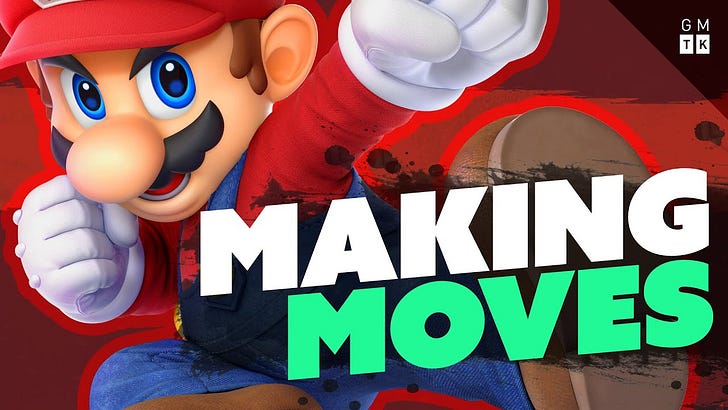
The creation of a Super Smash Bros. fighter follows a rigorous, year-long development cycle. This cycle centers on establishing character uniqueness.
one full year
Development cycle for a single fighter
Core philosophy
Designers prioritize character uniqueness over perfect parity.
Each fighter is defined by a distinct thematic identity that differentiates it from existing combatants. This ensures every fighter offers a specialized playstyle.
Aesthetic harmony
Developers adjust proportions and desaturate color palettes.
To maintain a cohesive aesthetic across diverse franchises, developers make specific visual adjustments. These include modifying proportions and desaturating color palettes.
Gameplay responsiveness
Frame data and animation sequences are meticulously fine-tuned.
Responsive gameplay is maintained through the meticulous fine-tuning of frame data and animation sequences. These elements are essential for the gameplay expected of the series.
Strategic selection
Fighter selection weighs fan requests against technical feasibility.
The selection process is strategic, weighing fan requests and franchise representation. It also considers the logistical feasibility of implementing complex mechanics within the game’s engine.
Rating constraint
CERO A rating requires modifying outfits and move sets.
Regulatory compliance remains a critical constraint throughout the production workflow. The team frequently modifies character outfits and alters weapon-based move sets to adhere to strict content standards.
Unified experience
Disparate gaming icons integrate into a singular, balanced experience.
Through a blend of creative adaptation and technical discipline, the series integrates disparate gaming icons. The result is a singular, balanced fighting experience.
1 / 7
Ask AI about this report