1 free read left. Create a free account for unlimited reading + AI research.
Create free accountReport Dataspelsbranschen
1 free read left. Create a free account for unlimited reading + AI research.
Create free accountReportDataspelsbranschen
This growth marks the twelfth consecutive year of profitability for the sector.
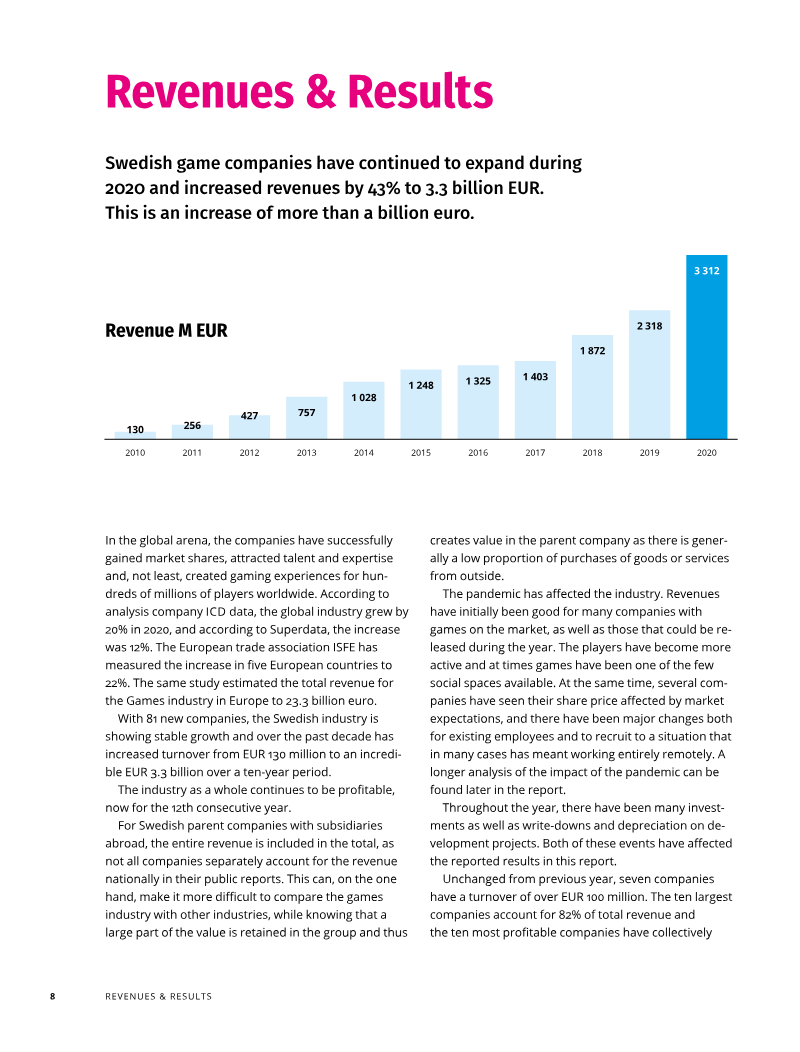
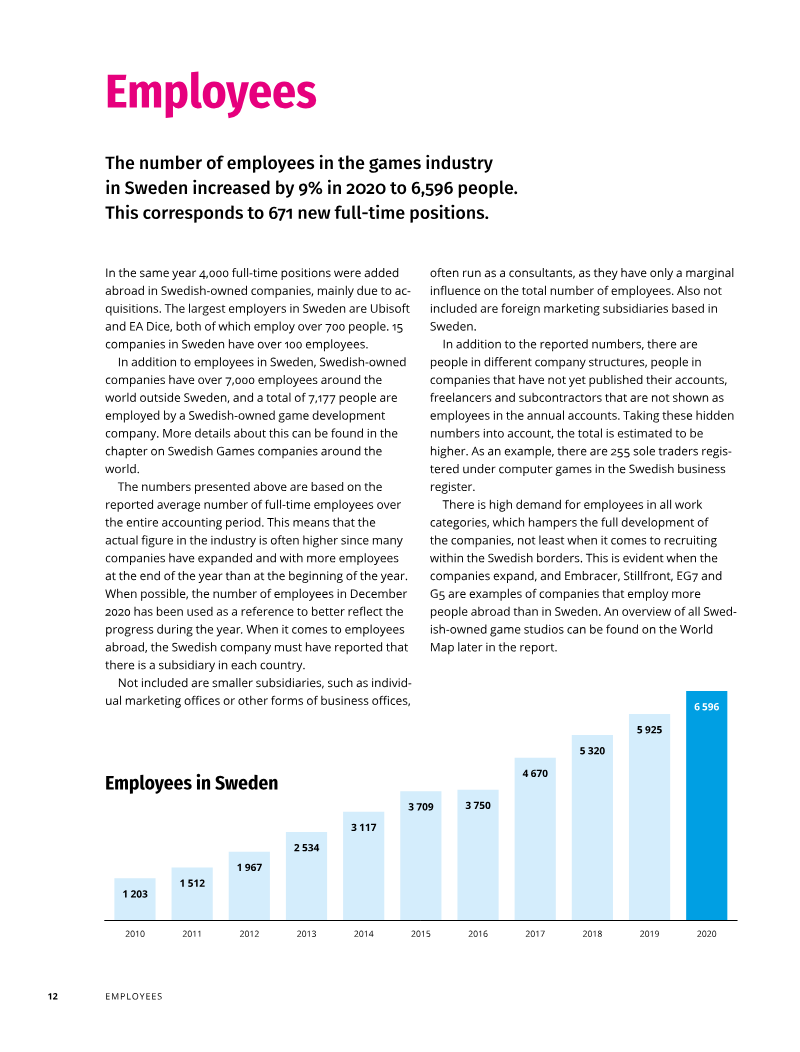
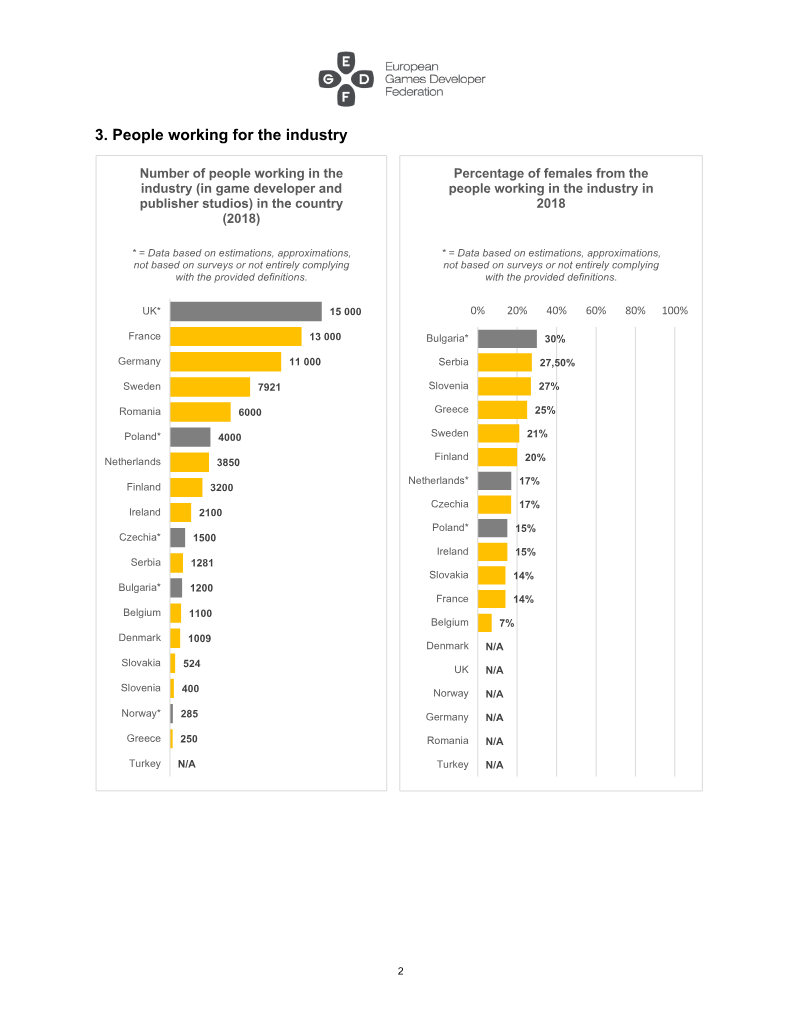
The Swedish games industry demonstrated exceptional resilience and financial performance in 2020, achieving a 43 percent revenue increase to reach 3.3 billion EUR. This growth, marking the twelfth consecutive year of profitability, is underpinned by a robust ecosystem of 667 active companies and a workforce of nearly 6,600 employees. While the sector remains heavily concentrated in the capital region, it maintains a significant global footprint, with Swedish-developed titles accumulating six billion downloads worldwide. The industry is characterized by a dual structure: a vast majority of micro-enterprises and solo developers operating alongside a growing cohort of 19 publicly traded, internationally dominant groups such as Embracer Group, King, and Mojang.
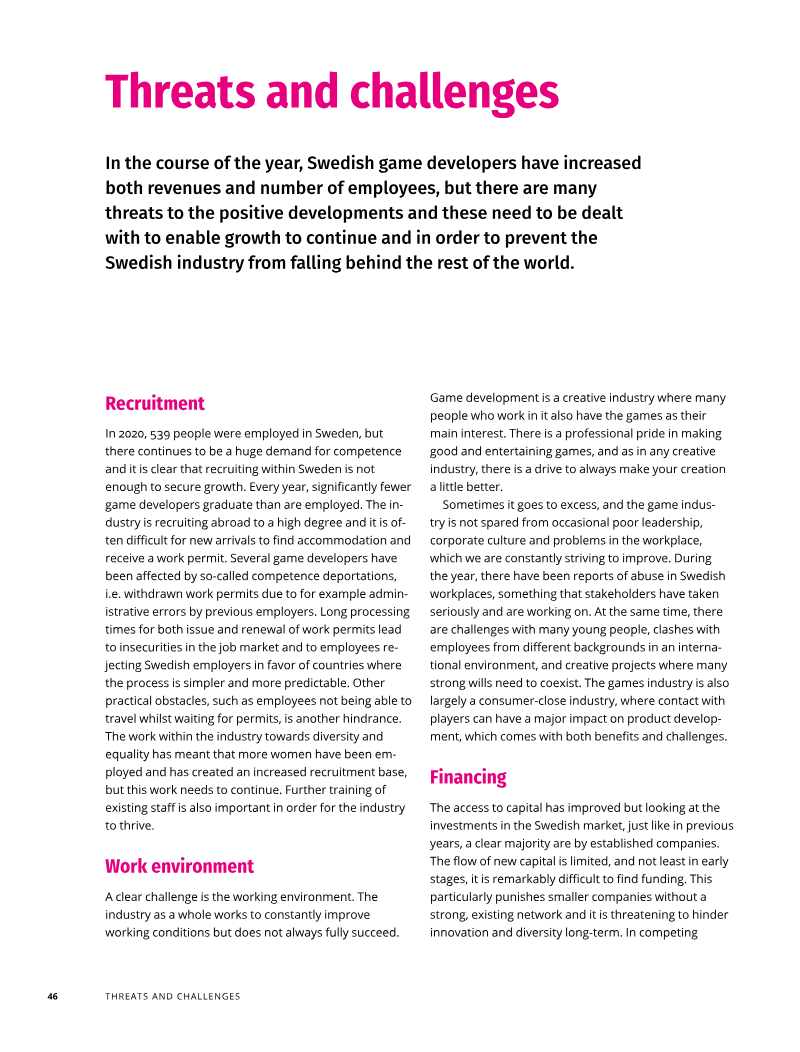
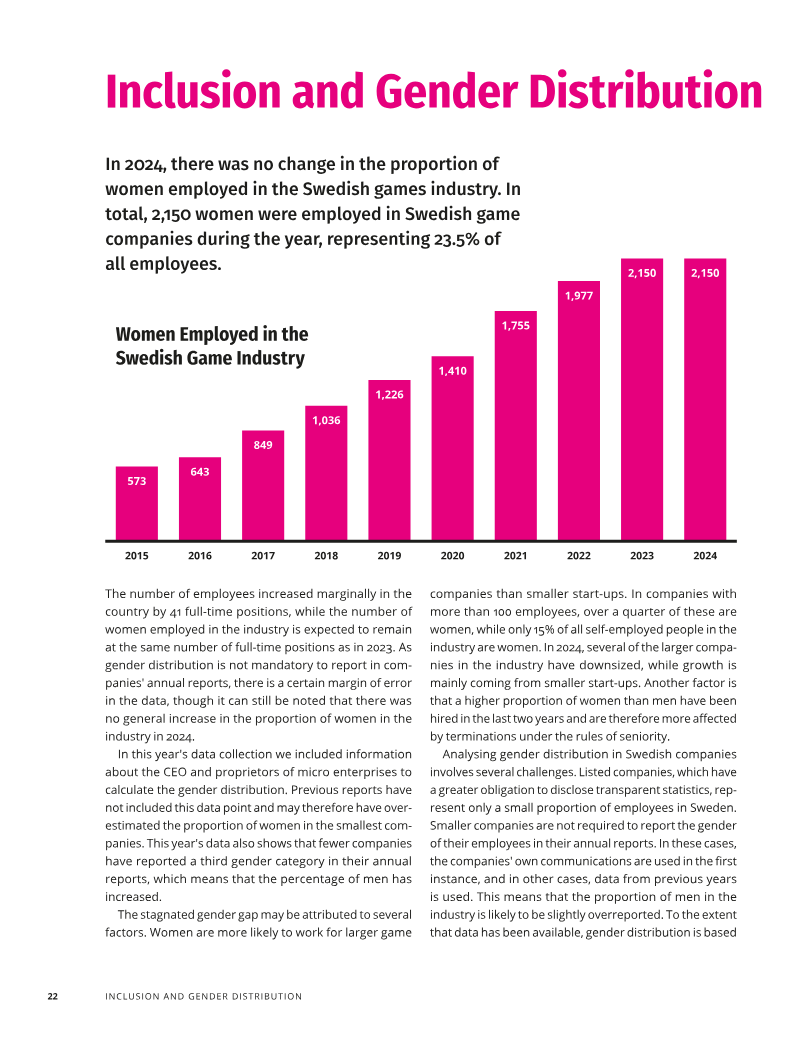
International expansion has become a primary strategic driver, with the number of Swedish-owned studios abroad surging from 39 to 126 across 38 countries. This acquisition-led growth allows major Swedish firms to mitigate domestic talent shortages and scale production capabilities. Domestically, however, the industry faces structural headwinds. Despite a 9 percent increase in total employment and slow progress in gender diversity—with women now comprising 21.4 percent of the workforce—the sector struggles with restrictive work permit processes, limited access to early-stage capital, and a lack of competitive tax incentives compared to international peers.
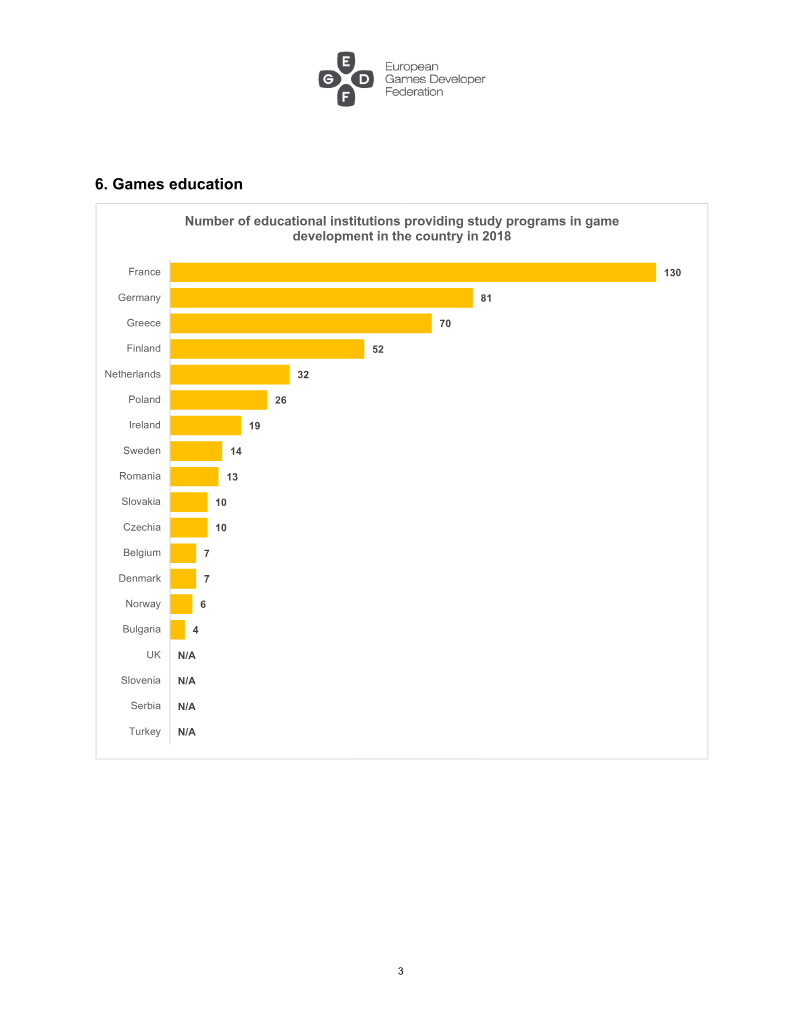
To maintain its competitive edge, the industry is increasingly focused on regional incubators, educational partnerships, and professional development initiatives. While the sector benefits from strong public interest and a resilient business model, long-term sustainability depends on addressing regulatory hurdles and improving business competency within smaller firms. By fostering a more supportive domestic environment and refining strategies for international coproduction, the Swedish games industry aims to overcome current operational constraints and solidify its position as a leading global hub for interactive entertainment.
Dataspelsbranschen · 2025
Dataspelsbranschen · 2025
Dataspelsbranschen · 2025
Dataspelsbranschen · 2025
Dataspelsbranschen · 2025
Dataspelsbranschen · 2024
Dataspelsbranschen · 2024
Swedish Games Industry · 2024


Swedish Games Industry · 2024
Dataspelsbranschen · 2024

Dataspelsbranschen · 2024

Dataspelsbranschen · 2024
Dataspelsbranschen · 2016