1 free read left. Create a free account for unlimited reading + AI research.
Create free accountReport The Swedish Games Industry
1 free read left. Create a free account for unlimited reading + AI research.
Create free accountReportThe Swedish Games Industry
This marks an 11-year streak of profitability and represents a 24 percent year-over-year growth rate.
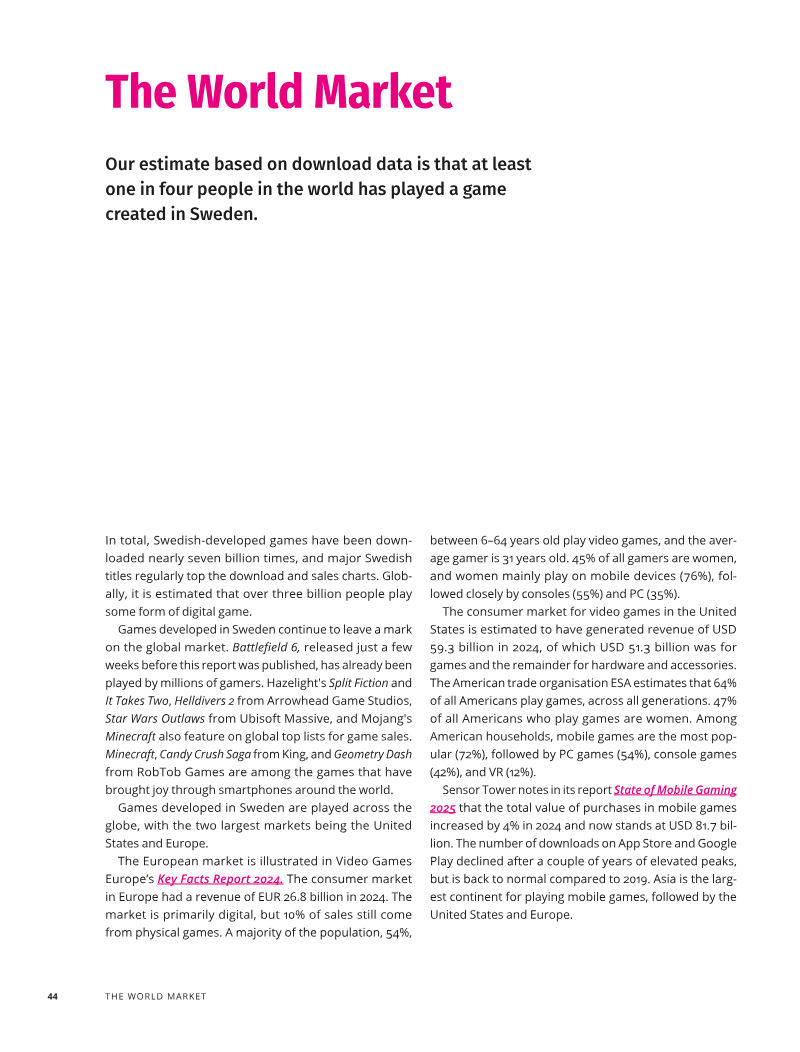
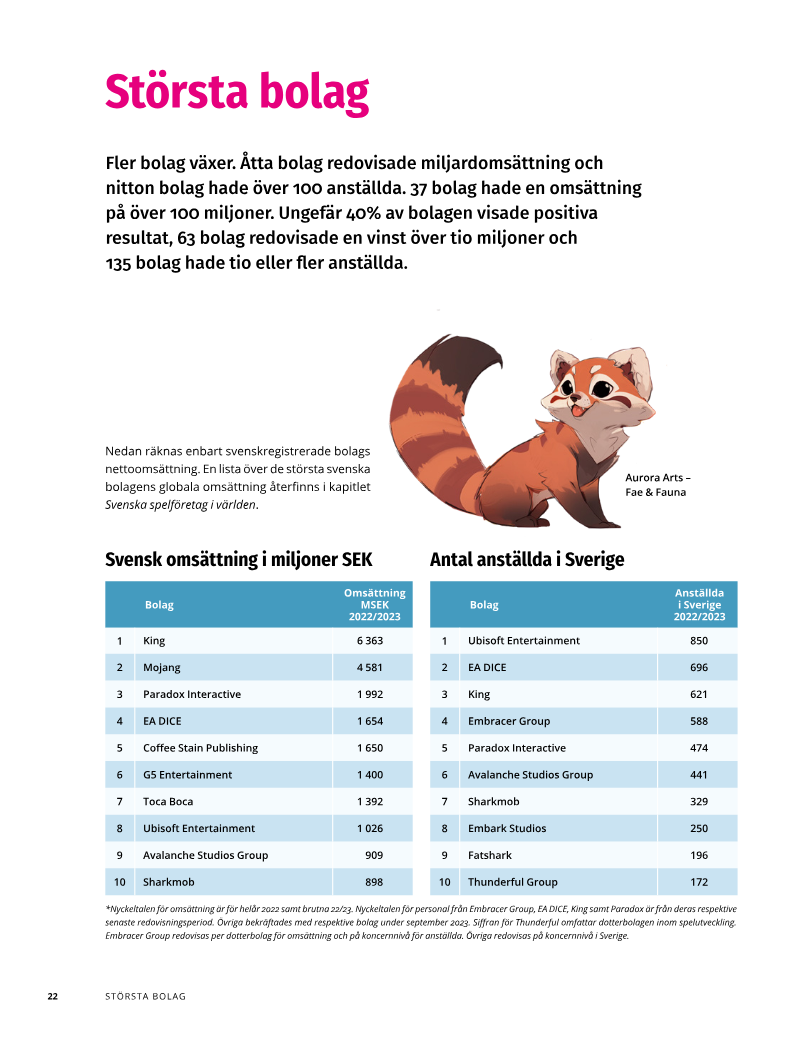
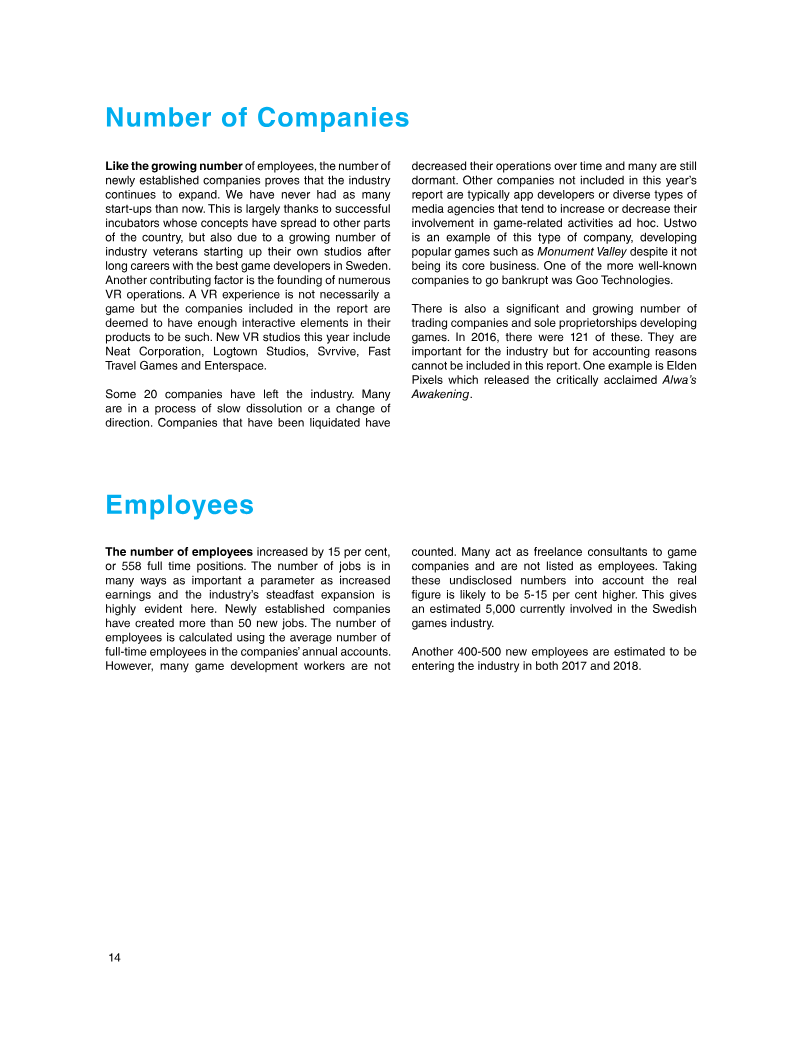
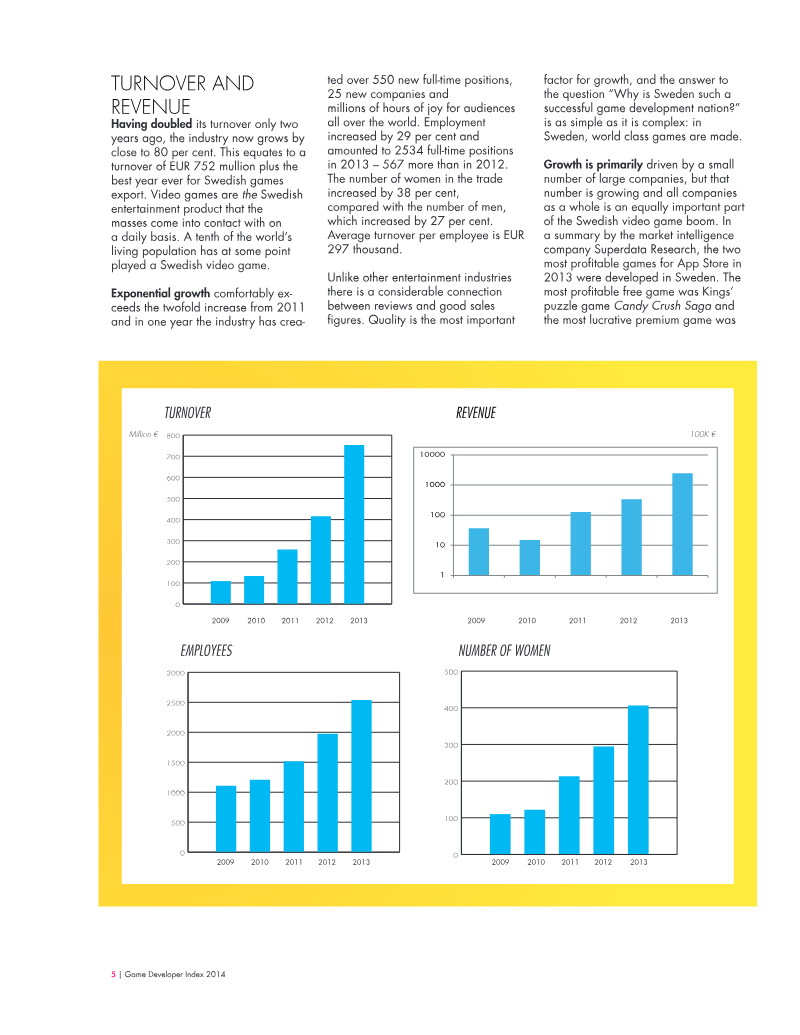
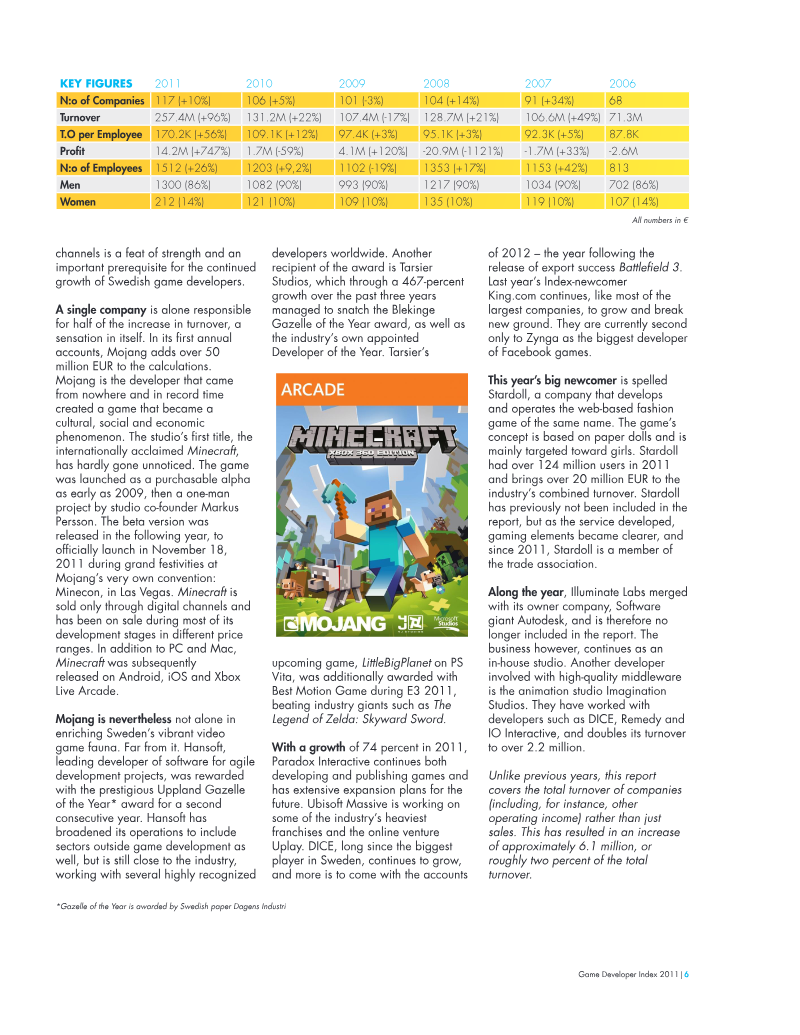
The Swedish games industry solidified its position as a premier global export sector in 2019, marking its eleventh consecutive year of profitability. Total revenues reached €2.3 billion, representing a 24 percent increase over the previous year. This growth is underpinned by a robust ecosystem of 435 active companies, ranging from independent developers to major industry leaders such as Embracer Group, DICE, and King. The sector’s financial health is further reflected in the performance of 13 publicly listed companies, which commanded a combined market value of approximately €15 billion on the Stockholm Stock Exchange.
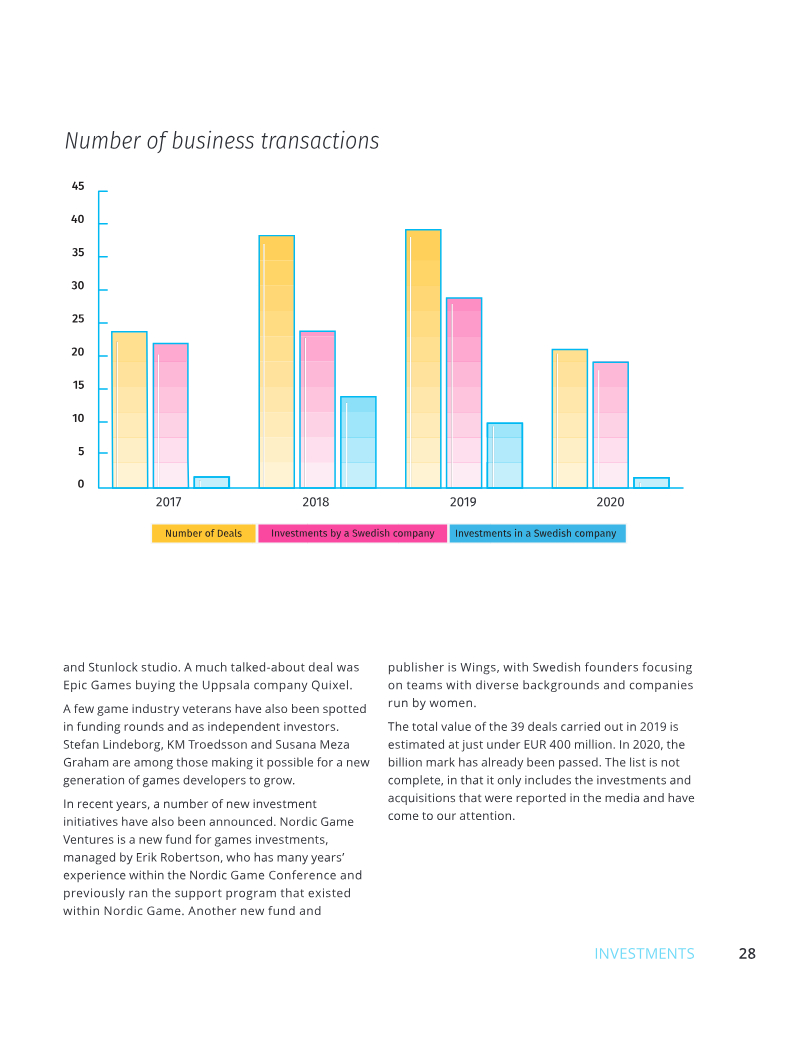
Investment activity remained highly dynamic throughout the period, with 39 recorded deals totaling roughly €400 million. While domestic entities drove the majority of this activity, significant interest from international investors like Tencent and Nexon underscores the global appeal of Swedish gaming assets. This capital influx, combined with resilient business models, has allowed the industry to maintain a defensive posture against broader economic volatility, including the initial disruptions caused by the 2020 pandemic.
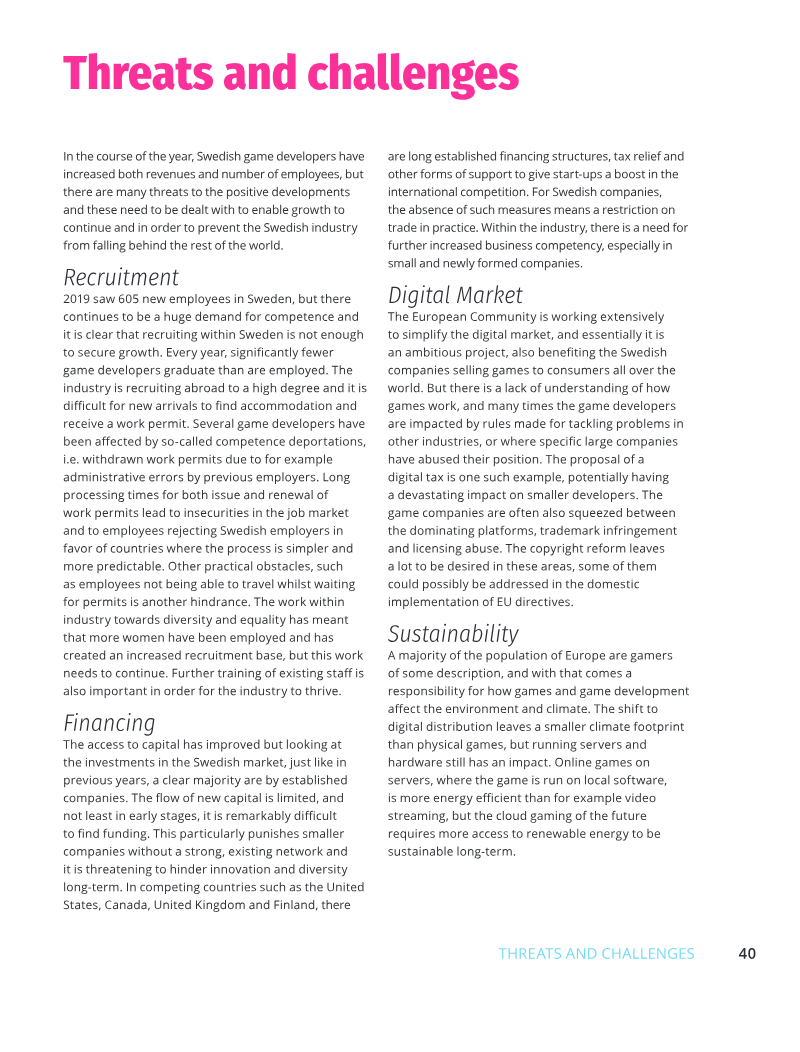
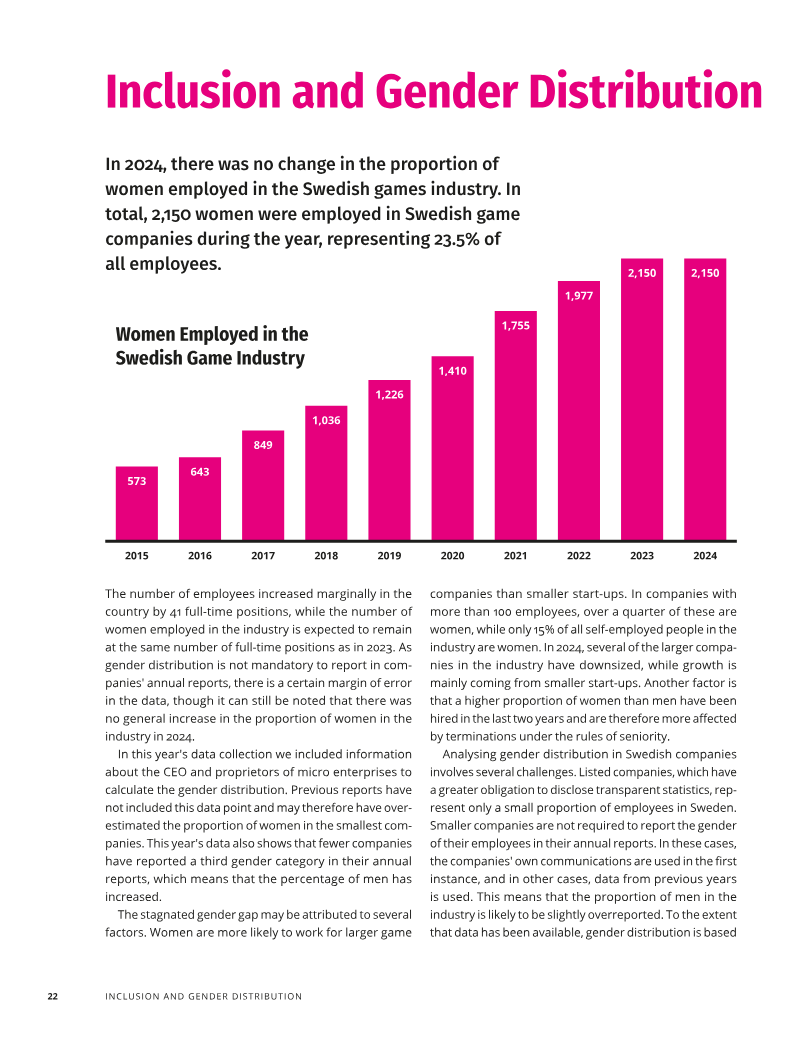
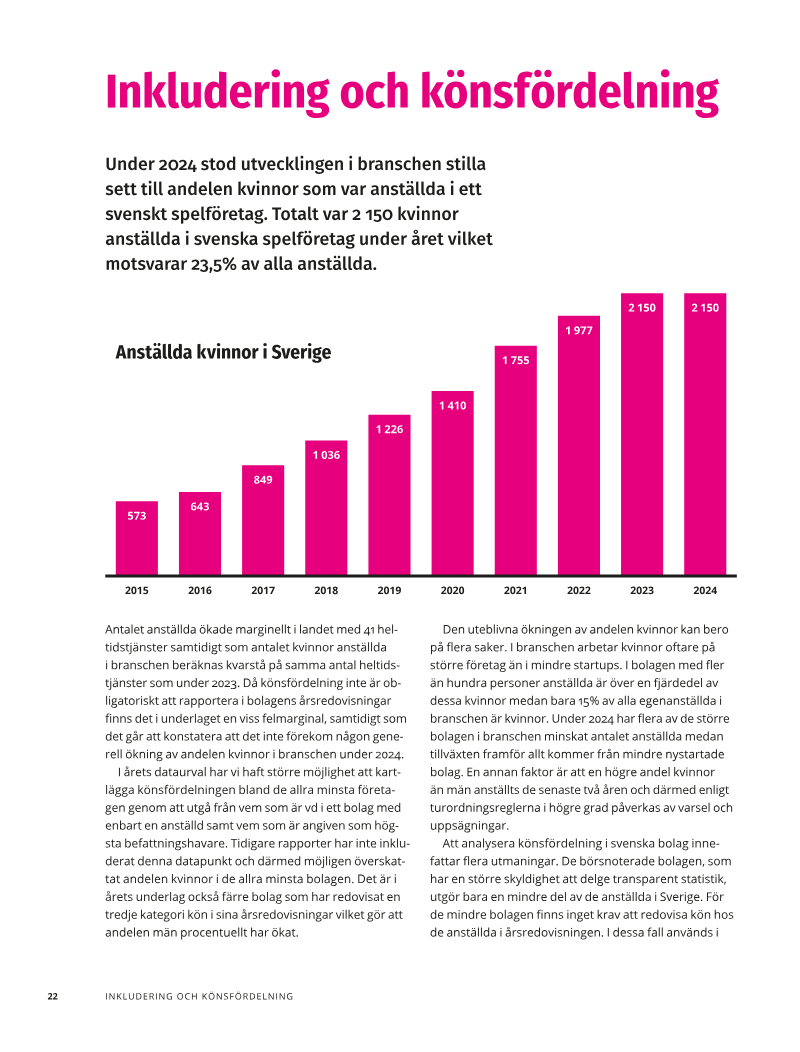
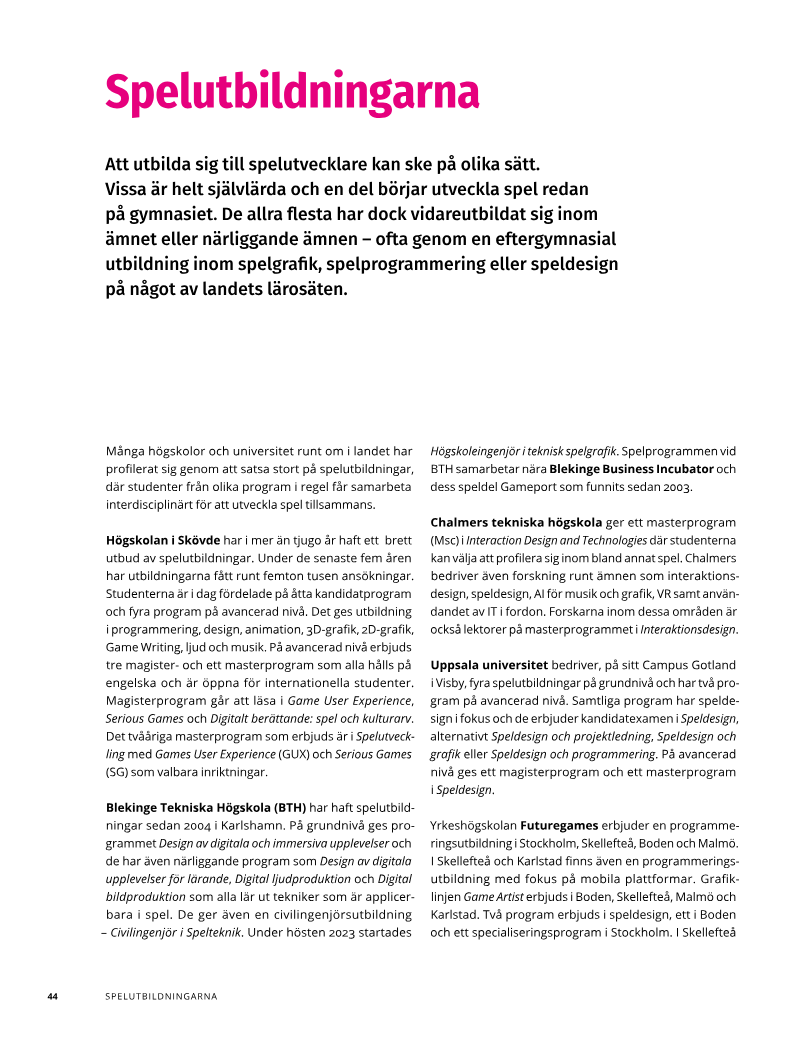
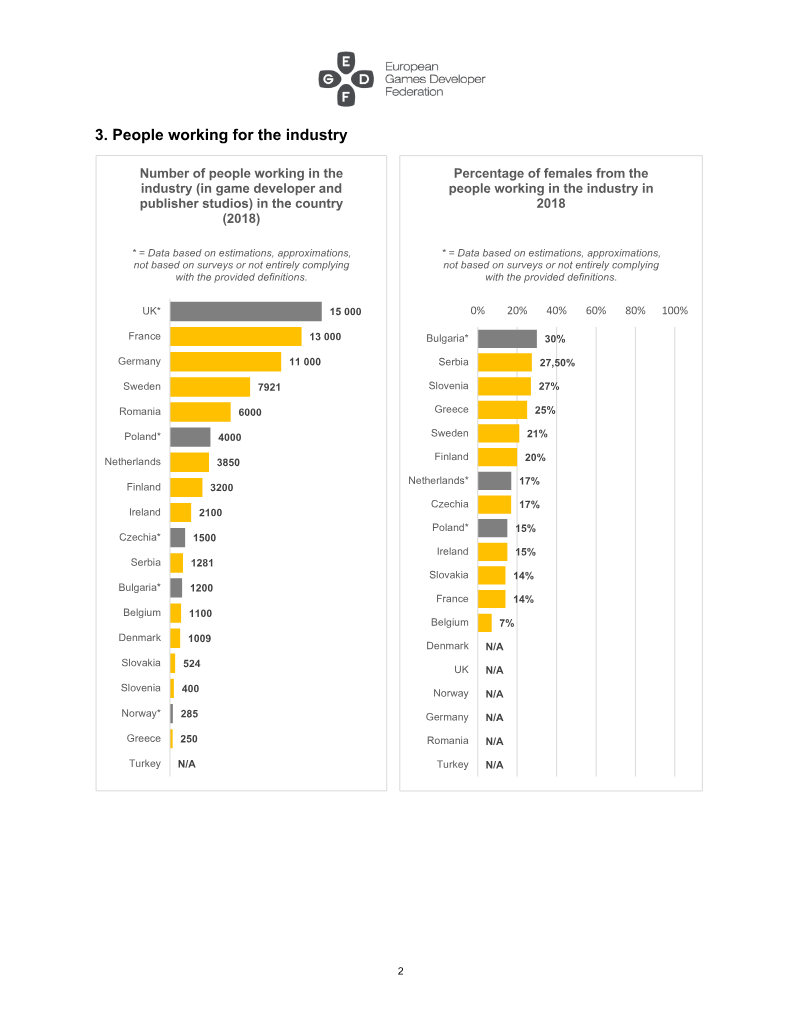
Despite this commercial success, the industry faces structural challenges that could impact long-term scalability. Talent acquisition remains a primary hurdle, necessitating increased recruitment from abroad to meet the 16 percent growth in workforce demand. Furthermore, the sector continues to grapple with persistent issues regarding gender equality, as female representation remains limited at 23 percent. Additional operational risks, such as limited access to early-stage financing and ongoing threats from intellectual property theft, highlight the need for continued strategic development to sustain the industry’s current trajectory of expansion and innovation.
The Swedish Games Industry · 2024

The Swedish Games Industry · 2023
The Swedish Games Industry · 2023
Dataspelsbranschen · 2016
Dataspelsbranschen · 2025