1 free read left. Create a free account for unlimited reading + AI research.
Create free accountArticle The Game Business
1 free read left. Create a free account for unlimited reading + AI research.
Create free accountArticleThe Game Business
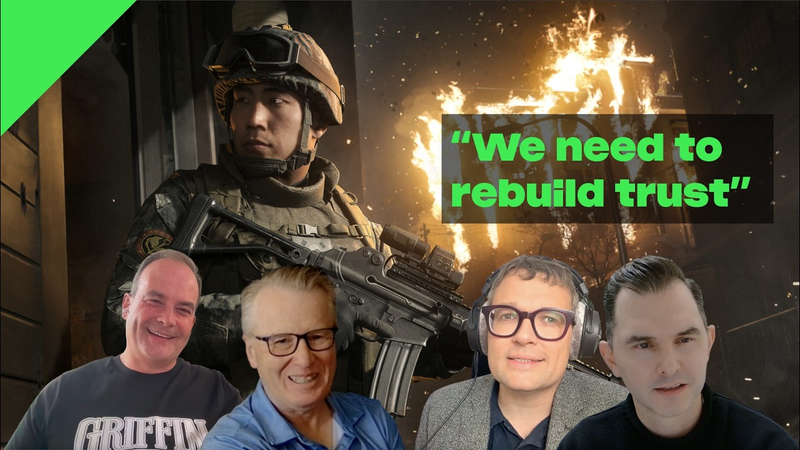
Wildlight's decision to bypass early player feedback left the studio unable to adjust gameplay mechanics before launch. This contributed to the game's poor reception and financial instability.
It's like launching a product without ever letting potential customers try it first.
The recent failure of the live-service title Highguard serves as a cautionary tale regarding modern game development and release strategies. The developer, Wildlight, opted to bypass public playtests and beta phases, a decision that left the studio unable to gather critical player feedback or adjust gameplay mechanics prior to launch. This lack of early community engagement, combined with a saturated market and a skeptical audience, contributed to the game's poor reception and subsequent financial instability, evidenced by immediate layoffs at the studio. The situation highlights the risks of attempting to generate hype internally without validating the product with players, a stark contrast to successful titles that utilized early access to build advocacy and refine quality.
Beyond the specific case of Highguard, the industry is currently grappling with the long-term consequences of development cycles that began years ago. Many current project failures are rooted in decisions made as far back as 2022, suggesting that the industry's ongoing shifts toward smaller team sizes and adjusted project scopes will take time to manifest in the market.
In other industry developments, attention has turned to the upcoming Pokémon spin-off, Pokopia, as a potential system seller for the Nintendo Switch 2. While Pokémon spin-offs have historically varied in quality, early previews for Pokopia have been positive, with some reports indicating high levels of engagement. Data from Circana currently places the title at number five on its purchase intent tracker, though its ultimate impact on hardware sales remains to be seen. Meanwhile, broader industry trends include significant labor unrest at Ubisoft, financial fluctuations at Supercell, and continued consolidation or downsizing efforts at companies like Riot Games.
The Game Business · 2026
The Game Business · 2026
The Game Business · 2026
The Game Business · 2026
The Game Business · 2026
The Game Business · 2026
The Game Business · 2026
The Game Business · 2026
The Game Business · 2026
The Game Business · 2026

The Game Business · 2026

The Game Business · 2026