Transcript
I will say it's not a 100 percent clear to me if they want UFN to be an incredible commercial platform. Um we we have made an assumption that we believe they do uh and they have signaled things that makes makes it seem like yes that is the direction that they want to go in but the actions haven't really followed um that assumption and the hope is it it will and and obviously we talk to Epic a lot so they they hear the things that we're interested in and sometimes it's reflected back and yes that we we we share that intent sometimes it's ambiguous so I'll just start with there. There's not an there's not a 100% guarantee that Epic's goal here is to turn this platform into a successful commercial platform for commercial developers. There's still there's there's still some wait and see. We last talked about Look north world and the bullcase for UFN which for our audience is Epic's Roblox alternative
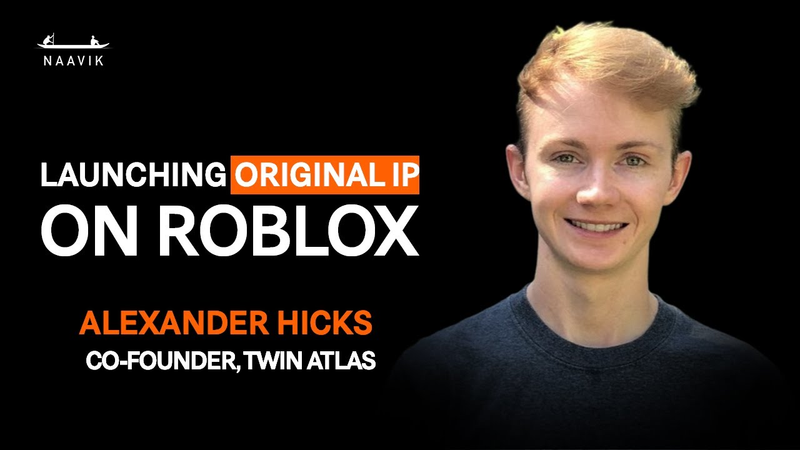
UGC creator platform. That was back in August of 2023. So I thought we could just start with what's changed. So uh since you started back around that time I believe to today now in 2025 what has been your experience? Did you make the right move focusing on UFN? Well, there's a few questions in there. Lots of things have changed. Uh certainly on the UFN platform, the game industry in general in the world. Lots has ch lots have changed. Um we'll get to did I make a the the right the right decision in a minute because there's quite a bit to unpack. But um let's see. And in August of 2023, the platform was nent. You know, it creative 1.0 know, had already been out for a little while, but UFN as a uh as a a sort of extension of the Unreal Engine and a development platform uh in and of itself was only maybe 6 months old at that point, I believe. Uh
if we're talking August 23, was it really that long ago? My goodness. Um and in that time, you know, Epic has been um releasing consistent updates to the development platform. Uh I would say I would give them a a grade on their uh cadence and support of the developer tools which makes sense. That's their bread and butter is that engine and um and actually I I might even veer into A+ territory for the simple reason that um they are piloting and releasing new tech like verse and scene graph in UFN first. I've mentioned this before, but like if we think about forward- facing game development for the industry, uh how many wins Unreal Engine just has in general. When UE6 comes out, it's powered by Verse, it's powered by Scene Graph. UFN developers will have had years of experience on it at that point, I'm guessing. So that's really
fascinating to me. So in a tool chain, lots has changed. Um in the the ecosystem, a a lot has changed as well. you know, they they have um I think since that time, uh have released quite a bit of um kind of vertically integrated content packs. They just released Walking Dead Today, uh TMNT, uh it was a little while ago, Lego, I'm not sure if LEGO was out at that point. I think it was forthcoming. So, from that perspective, uh quite a bit has changed. I would say the thing that I don't give them an A on the thing that is um that uh we are very eager to see develop and I I have to always remind myself the platforms it's just two years old compared to Roblox blocks which is over a decade old um is is the commercial side um which for a professional developer like us is is important I mean you have the word uh
commercial in our descriptor which means we we are here to um you know create fun, make games, have an impact, but it's also a business concern. So the commercial features of the platform are important to us. That includes um how we uh can you know create an audience, how we can bring players to the platform, um how we can uh use the platform uh as a uh engine of commerce. So how do we make money there? Um, and and how do we just communicate in general with that with that audience and and and and build, you know, community, you know, and those things, they're still not they they haven't arrived to a a level that we might be used to on other more mature platforms. And I would include Roblox in that c in that category of other mature platforms. So that's a I said a lot of words there, but that's kind of like a highle view of what's changed since August 23 on this platform. There's lots of other things
happening in the industry which um I think are super relevant but maybe pause there for a sec because that's a bunch of stuff. Yeah. And I think on the economics I definitely want to dig into that but maybe a little bit later because uh just to the point on the capabilities and the features I do remember when we first talked there were a lot of developers who did feel that the capabilities weren't quite there like basic things like saving state and things of that nature and so you give them an A+ in terms of like execution against features and capabilities but would I do remember at that time a number of my friends who were Roblox developers jumped on to UFN and they're just like ah it is just not ready but do you still see any gap right now in terms of what what you would wish for in terms of specific capabilities or features? There's there's tons of gaps. There are tons of gaps but you know they started at a certain point and they've been uh building steadily and you can see you can see the improvement, you can see the
road map. Some things aren't showing up you know quick enough. That's that's game development. Um but you can you can match the results to the intention and I have 100% confidence that um all the things on from a game maker perspective that we uh that we need or want you know to to really stretch our creative wings they will be there 100%. I believe that. Okay. So, so, but so so yeah, a Roblox developer coming over to to UFN will be will be like, "Oh, how do how do I how do I query my server for some information?" No, you can't do that. So, they will take my A+ and go, "Come on, man. You're not grading. It's what curve is this?" Um, but you know, I am accounting for where this is in the trajectory and and what the belief is that, you know, we'll get to where we want to be. In just reading a little bit more about look look northworld, it does
seem like you have engaged in a lot of games with bigger brands like Harmonics, Hasbro, Bandai Namco, Twitch, and it sounds like you've been able to achieve a fair amount of scale in terms of brand imp like hundreds of millions of brand impressions, millions of play hours and downloads. But as your experience in terms of building games on UEFN, how important are are the brands and maybe you could also uh make a comparison to Roblox in terms of the the importance of the brand versus developing an independent original IP game project. How does that differ? And you know, I think that the answer for some folks will will vary just depending on um you know, strategy. I guess and we have a very particular strategy. So I'll I'll from my lens I'll I'll give you the my answer and our part our partnerships are extremely important to us and there's they take many different forms. You know I think a lot of people think about brands or say say
the word brands and that that kind of means anybody that's uh sort of coming into a platform like Fortnite that's not actually make you know they're licensing or they're they're not making the the doing the development themselves or they're not the actual publisher or record or whatever. But um you know we we work with um um when when we worked with Harmonics um that's very different from uh say games that we might do with uh Twitch and it's very different from what we're doing with Hasbro and and Bondi and they take the form of sometimes this is building a product where the the intention here is to create create a fun gameplay space and and an interaction that is interactive for a gamer and uh say in the case of Twitch, we've done um games with Domino's and Door Dash, etc. Um and that's a whole new that's a whole
new model that's enabled by um platforms like Fortnite and Roblox. But then on the on like when we work with Bondi um or we work with Hasbro, we are game makers, you know, and you know, we're always game makers, but we're licensing that IP to make out like a game that we design for um purely for the um uh for the for the gameplay aspect of it. You know, it's not it's not designed to expose players to brands and brands to players. It's designed to build an incredible game within an existing universe. Not unlike how Now, I'm going to make a comparison here. I'm not saying we made uh BG3, but like when Larry makes Bowlers's Gate 3 and they're doing it in the D&D universe, it's that's a different sort of endeavor, you know, and both of those things exist uh in this space um like like uh like might exist um in
Roblox as well, right? And one of the other reasons why I wanted to ask you about brand is just because of the impact to economics, which I'll ask you next. But for example, some of the Roblox developers I speak to get half of their economics from platform and half from brands, brand integrations, and they often have to have these bigger teams. Like I I know one one game studio has a hundred people just doing the brand integration stuff for their Roblox game. And so is where is the state of like the economics from brands on UFN? Is it comparable to Roblox in uh what is that like right now? Um well I I will be because some of those commercial features are still um nent and and not as well developed as other platforms. um the there is a uh there are
opportunities for developers to uh drive revenue from these partnerships. Um and it's super I think it's super important on this platform. You know what what we what we are you know our our company our goal or strategy is you know we we are a video game company. We build uh u uh games and entertainment and part of that is building original IP. Um and part of it the reason why we started on UFN and uh we're still exceptionally bullish on that platform and other platforms like it is is because of the macro um you know you ask what's changed you know because of what is changing in the video game industry. um on two fronts. On one front, um it has gotten exceptionally competitive. Um and everybody knows it's expensive to make video games, but in that AAA space, it's almost become the domain of the platform holders where these investments are $100
million plus just to get the market. So the idea of of a startup going and say competing in that in that place, I don't know what you call it. It's not really certainly not blue ocean. I don't think it's red ocean because it's a it's a small very deep well that you will drown in unless you have all the scuba gear and stuff. So I don't know what you call that. It's a black well I guess. Let's call it a black well. Um so that's not really the domain of a of a startup that's trying to do something new. So if you in the game industry now this is one of the I think most exciting places where you can take creative risks. you you know the investments are low and honestly that's a big attractor to uh these platforms is you can do a lot with a little and that just opens up opportunities. So working with brands is a great way to fuel um that endeavor and to do really exceptionally cool things and it the fact you couple it on the other side not only is it low cost to develop but there
are a lot of players here and this is the other macro trend which is it 70% of gameplay time is in games that are seven years or older um you know like I think um the Matthew Ball report said something like new games last year accounted for like 15% of play time. So you like if you release a game, you're competing for just this small small slice of the market. Whereas these big forever games like like Fortnite and Roblox, they're number one and two on all the game list. That's where players are. So if and that's really that's really the the the thesis behind our business is, you know, we're operating in a place where the cost to to to enter is low. It means it it uh is a place where we can be take creative risks yet the audience is really large. Um so on the outside there's a lot of opportunities. So yeah. So working with these companies is just is a great way for us to um uh to to build and to scale and to do great things with the support of a of a good partner. Right. And I think to your point as far as a a major
macro that has had a major impact on the game games industry especially for new games is to your point like live operated games are taking more and more time but then also the video on demand stuff. So Netflix and those things and Tik Tok and there's all of these things fighting for the attention of players. So it is just becoming increasingly difficult. Um and yeah, that's that's something that I I think that as an industry we got to kind of figure how do how do we get the players attention? But let's let's get to the question on economics. And so I think that Epic did announce that over $350 million was paid out in 2024. more money than ever before. So that's good news. Uh I think the number of game studios that are making over 10 million is still singledigit number. So seven maybe that could be better. But how would you characterize the econ economics right now? So you you made some initial um you
you had some initial thoughts on it's not quite there. What what is it missing? What what do you think Epic should do to make the the ecosystem for UFN more attractive to professional developers like yourself? I mean, obviously I have some opinions here. Um, and it's I would say it's still it's still not crystal clear to me. Um, so it it is very clear to me on the sort of the engine side that the intent matches uh their actions. you know, like they they intend for UFN to be an incredible development platform, and they're doing everything they can to to support that and do consistent releases. It's I will say it's not 100% clear to me if they want UFN to be an incredible commercial platform. Um, we we have made an assumption that we believe they do uh and they have signaled things that makes makes it seem like yes, that is the direction that they want to go in, but the actions haven't really followed um that assumption. And the hope is it it
will and and obviously we talk to Epic a lot so they they hear the things that we're interested in and sometimes it's reflected back and yes that we we we share that intent. Sometimes it's ambiguous. So I'll just start with there there's not an there's not a 100% guarantee that Epic's goal here is to turn this platform into a successful commercial platform for commercial developers. There's still there's there's still some wait and see. But for it to get there, there are some things that um you know I think developers like us really need and uh and it really sort of boils down to um maybe I think three things. One um how do we uh pull an audience into our games? Um you know when you release a standalone game uh you can start marketing that game well in advance. You can start collecting an audience. Um you can message those players. You can do things like early access. You could run a Kickstarter, whatever it is that you
want to do to create pre-demand. Um, it's hard for us to do that on this platform today because a lot of a lot of the um mechanics that you might be used to like um deep linking um attribution um uh messaging those things don't exist on a platform. Um deep I should I should clarify deep linking does exist but uh not on every you know PC. Yeah. but non-console not so much. Um, so that's one thing is like how do I create demand and pull players into my uh game. The other is how how do I get discovered on this platform? So a lot of people talk about discovery on UFN and and how it it's um it you know it's not great, it's not working for them, etc. They have been making improvements on discovery. I will say it's still it's it's still basic and and and sort of like um uh what's the word? mono. That's like it's it's it's like monocohorted, you know. It's like we we still don't
have enough um uh um analytics or data driven, you know, um discovery for us to build niche audiences. So if if we want to veer, so this is why a lot of um success, you know, you said seven developers making 10 million uh or more. I would imagine I I I don't know if I can name all seven, but I know I know who they are and I and and they are making like you know the red versus blues, uh the pit um you know games that don't veer too far from the battle royale formula um or were part of the creative 1.0 um suite of products which means uh to us that uh Discovery isn't quite good yet at creating new genres. Um, and that's mostly uh because it's not, you know, it it doesn't thread very well and it's not cohorted and it it's hard to develop new
audiences. It's also because Epic is extremely agnostic. They don't they don't want favor anybody. They're not they don't really want to put their finger on the scale for say let's let's make a new genre a thing here. So, that's the second thing. Um, and the third thing is just monetization. It's it's like today the only way to make money on the platform from Epic is through the engagement payout um which is one KPI um and you know they'll tell you many KPIs feed into it but at its core it's kind of minutes played but there aren't any opportunities on platform for us to um to either sell premium content or to do microtransactions and I know that that is a big deal for Epic uh to to enable those kinds of features and that's the part I'm unsure of whether they will tread in those waters. Um I think there's a vibe that they want to build
and protect on UFN. Um and you know when when other platforms like mobile and Roblox introduce uh microtransactions it you know I think there's no argument that it changes the vibe you know is it better worse that's debatable but um that's the third aspect so how do I build an audience how do I get discovered on platform and how do I actually monetize my game to the extent that I can be ROI positive those three things are the commercial building blocks of a platform like this that they they're lagging on all three Um, some of it may be intentional, some of it just may be roadmap pressure. And so on that third point, as far as not supporting specific kinds of inapp transactions or being able to sell items and things of that nature, so you do you think that that is because Epic is concerned about the player experience and maybe protecting younger kids from potentially, you know, uh, predatory free-to-play practices or I'm just
trying to understand. Yes. What your I think so. And I think you know that's tooth that's toothpaste you can't put back in the tube, right? You know it's like right you know it's like they're either going to go all in that way and and it will I mean it it will just it will also change the development community quite a bit. Um you know in in some ways the UFN development community is is pretty tight. We all know each other. Um it's it is very creatively oriented. If you get on Twitter and you have an X and you and you watch what makers are doing, they're posting videos of cool stuff that they're they're either, you know, making something with a new feature that just came out or they're kind of hacking something together from old features that nobody's tried before. And it's just awesome. Um, okay. Once once development effort goes into creating monthly content that's monetizable, I think it will change development focus quite a bit. and and that that that's a big community change
too. And let's say they don't do that then for for the reasons stated then as far as the other things that you mentioned if Epic were to put more effort and to make um sort of discoverability, marketing, that sort of thing uh better. Would that be do you think that in itself would be good enough to fix some of the commercial prospects for a professional developer like yourself or would they need to like increase payouts or what what can they do or or or I'm I'm just trying to understand what would make you happier? that would make you uh well you know I I I think if um the answer to your question is yes if if they're able to uh you know make some sort of progress on those the first two parts of the of those commercial building blocks uh you know giving us tools to to build audience and get discovered there still need to be some movement on monetization um you know part of that whole monetization effort you know that the uh
KPI dashboards are still kind of new and basic. So, for us to be able to live service our games, even if it's just towards the at the end uh end of making them stickier and you know, just long more long-term engaging to improve our our our engagement payouts. There's work that needs to be done there, too. And I think there is definitely a business that can be built on this platform around premium content. So, not necessarily, you know, inapp purchase microtransactions, but hey, maybe there's, you know, kind of like a Telltale game, which is like a story driven thing that's like a six-hour episode or even a 1-hour episode that you want to sell for some V-Bucks. Um, I think that could be super cool. It will give the platform it a its own unique sort of flavor, but it will give developers an opportunity to continue to build something compelling uh that they can monetize above the, you know, the engagement payout. Right. And you mentioned that Epic doesn't like to put their foot on the scale with respect to game genres, but I think historically,
if you look at other platforms, some of those platforms have treated kind of more professional developers differently. Do do you think that Epic should be potentially treating professional developers like yourself? I mean, you know, given your background and experience. Yeah. Well, I I mean I I very much admire the sort of the integrity with which they are pursuing creating this platform. Um I and I recognize and and I should preface all of my criticisms or whatever that I really do like the platform and I do really like everybody at Epic and I'm very bullish on it. Um, but I will say that, you know, they've been very um they've been cons cautious about some things because they they they do want to protect it and they do want it to work. So, um, should they treat developers like me differently? Well, I mean, I'll say this, uh, we we we did raise venture
capital money and we have been investing a lot of money um, in the games that we make. Not just the games that we make, but we do off platform marketing. We do a lot of things to promote uh the platform as well. So in some ways I would say uh you know we are evangelizing and investing in this platform and in order for us to continue to do that we we do need to eventually see some returns come out of the platform. So to the extent that that there's a relationship there that makes sense um it it does make sense that uh uh that they help us get there and and they do help for sure. It you know how does that show up? Should it I don't think I don't think we deserve anything that's unfair but I do think that we deserve uh to be at least be made aware of any opportunities that might be helpful for us to build our business um and uh etc. And and to be you know to be honest like I I just got their monthly
newsletter in the email box and one of our games is prominently featured. The the game we did with Harmonic. So they they do you know provide opportunities for pro prodevelopers to to get exposure etc. Um my simple answer to your question is yeah of course put the foot on the scale for please. Thank you. and and maybe we could talk about the games themselves that are able to achieve success on the platform. I remember when I speak to some Roblox developers, they're very like um they're very clear that if you're coming from mobile or if you're coming from another kind of game design space like the thinking to be successful on roadblock has to be different. So I wanted to ask you about for UFN the kinds of games that are successful on that platform. what seems to be working, what's not working, and then is is there also like a mindset change that that you need to design games specifically for UFN that's different from other platforms? I mean,
yes, UFN is uh is a unique platform. There are definitely things that are um like there the the genres that are popular are different. Um some of the conventions for how UX works on the platform is different. Um, and just the fact that every single player on this platform came there to play Battle Royale, uh, Fortnite Battle Royale is makes it its own unique place as well. Um, and you know, Epic is a first party developer on this platform. So, um, that's kind of unique. You know, on mobile, you're you don't have Apple making games that drive anything or compete with you. And same on Roblox. Um, but on UEFN, uh, there's a couple flavors of Battle Royale. There's, uh, there's there's all, you know, there's the the the Lego stuff, the music stuff,
the, um, the, um, all sorts of Ballistic. Ballistic came out the same day as, uh, as as our firsterson um, tactical shooter, you know, so that makes it different as well. Uh with that said though, there are plenty of things that are that are similar. Some of which we thought we would lean into. Some of it we had to learn the hard way, remind ourselves, etc. Um you know, it's developers are even individual um makers on this platform. We're very sophisticated and very smart um the successful ones. Um, so like I said, a lot of the similarities come from just the genesis of like where this platform came from. Um, right? They're the things that make um make games successful here. Um, but some of the things that maybe you don't necessarily think about until you've built and watched and deconstructed, you know, like
um things that just drive long-term engagement, like, you know, figuring out how how to do um game progression. And that may seem like table stake simple stuff, but just remember there was no game saves for the first, you know, nine months of the platform's development. Um so you know there's we we at the end of last year you know we we we have um there are a lot of developers that uh well there there are a lot of developers that uh came up during creative 1.0 and the early days of UFN that have um created some exceptionally successful and great games. and we sat down and and looked at some of our competitors games and a lot of our games and kind of deconstructed where we should be going on the platform um this coming year. Um, and it was a mix, you know, it was a mix of things that um are unique to this platform. Um, and a mix of things that are um kind of
like uh just game design concepts um that the platform is ready for, you know, or has embraced already. And and maybe kind of digging into that a little bit more if if you were to think about maybe specific characteristics like for example you mentioned that a lot of the folks coming in are battle royale fans and you also mentioned that there's a single KPI which is engagement. So is is there like in terms of the kind of creator what they understand or you know specific characteristics of successful creators could could you maybe like describe that in a little bit more detail in in terms of I'll give you an example of like a game that's really successful on on UFN that is related to the fact that everybody sort of came in through battle royale and this is a a simple but very creative uh mechanic that maybe wouldn't be success successful on other platforms, which is which is the pit. So, I don't know if
you ever played the pit, but basically the concept behind this game is there's a big pit uh and you go into the pit and you uh fight each other and when you die, you spawn up top and every there's you have access to basically every weapon in the game. So, it kind of fulfills this, you know, in in Battle Royale, you know, you you load in and there's a a long prospecting phase where you're, you know, running around searching for stuff and getting a gun. Um, and you you continue that until you engage and shoot and all battle royale game will take uh, you know, an hour or whatever. Um, and there's some RNG in terms of like what kind of equipment you get and etc. And so I think the reason why a game like The Pit is very successful is because it sort of gives you that combat experience without having to do that prospecting. Um, and it makes that loop on there super fast and it's endless. So, there's no turn points for you to leave. Right. So, the right there, there's like four or
five or um orthogonal game design components to battle royale that all feed off of the the uh player behavior in battle royale. So, gun combat, got it super fast. Battle Royale, die, you're out. pit die you respawn you're back in immediately right battle royale you prospect for 20 minutes to get a good gun maybe pit get good gun right away um so it's the same but completely different and and that's you know like I think you could it's easy to come to this platform and look at a game like that and go what the what is this this is what this there's 20,000 people playing this right now um but when you think about it in terms of player behavior and game sign it actually makes complete sense and it's kind of genius. Um and so like how do you take a genre like that and um expand upon it? Well,
you know, maybe six months ago um I can't remember who you know good gamers boy I think made uh the pit legends which was basically the pit but now it's got um kind of like hero combat built onto it. So already seeing some genre mashups of a UFN only genre u and kind of a traditional you know standalone game genre. I think that's really interesting. Uh and I'm sure we're going to see a lot more of that. Yeah. Now I thought maybe we could also talk about the game development process itself. Now you're best known or probably best known for for Bungie Halo. You've you've also worked at Electronic Arts. So when you're building now for this kind of more UGC platform, can you talk about how you've had to change maybe your mindset or has the development process that you were typically used to for more of a AAA kind of background? What are the specific changes that you've had to make to more
optimize for UFN versus like the big budget AAA types of games that you've worked on before? I mean I you know you could you could say have to make or get to make you know because and some of them I think are awesome. Um and a couple just spring to mind right away. One is um we don't spend we do we do design things. You know we use Miro a lot uh and we do write out like here's how this game's going to work. Um, but we build, you know, you get right to building. Uh, and because you're in this um, uh, editor that is very contentrich, you can build very quickly and it's not unreasonable to go, hey, here's an idea for a game and we're playing it in a week. Um, the basic version of it, you know, right? You don't have like a huge design spec. Maybe your design spec is is a mirrorboard. Is that what you're saying? Yeah, exactly. Okay. Or a one-page document. Um we we could you know if it's if it's a larger project
that's got you know a partner you know there's probably some pre viz or some or a deeper sort of dive on the on the design but that thing one is you build right away and you can get to playable exceptionally quickly which is a huge unlock you know um it means you can find something you can get to something that's fun you have a higher likelihood of something that's fun before you actually do the production work. Um, that's a common huge pitfall in big budget games is you, you know, you have to do a lot of design. You got a lot of people working on it, a lot of stakeholders. You got to get everybody on the same page and you build build. And then you've got this company pressure. Your burn rate is a million dollars a month or $10 million, whatever it is. And you get to these points where it's like, okay, are we ready to go into production? And if your g your game is never going to get more fun than it is when you go from pre-pro to production, right? So if you go into production
before your game's fun, you're right? And it's this huge economic pressure to do that. Doesn't exist here in UA because it's so small. It's because it's so fast. So that's thing one. Um thing two is another sort of uh design process that um is really really hard to do in commercial games. You pretty much only see it with like student games or or really small indie games, which is you can bake a game for a long time. And um and that's possible here because you can make a one person can make a game like a whole shipping game code. Yeah. Our design, the whole thing. So you can do things like, hey, I have this idea for a feature like I'm working on a project where I had an idea for for a feature a year ago, you know, and I I spent a month and prototyped it. Ah, it works. Cool. And then I was like, I don't know what to do with it. You know, a month could go by doing nothing to it.
And then you can be like, oh, I got this cool idea how to use that thing. And then you spend another month and wow, this is kind of fun now. Um, and then you can slow roast a game on this platform. And if you look at some of the big successful indie games there, you know, you know, a lot of people were talking about uh like Hell Divers last year and there was a whole string of these indie games that popped off on Steam and you know, people started saying, "Oh, it's this tiny little team that made this huge game. So awesome." But what people weren't talking about quite as much is some of these games were in development for years, you know, three, four, five, six, seven years. Um, and you can only do that if you don't have like you can't do that in a sort of corporate environment. You can't do that in any environment where there's stakeholders you have to report to and you can't do that in any environment that where there's a big burn rate. And none of those things are true on these platforms. So this is a platform where you can slow roast games
and I think some really interesting results come out of that kind of process. Um, so we have one or two projects that are sort of uh developing that way. Um, I just think that's awesome. Yeah. And to your point, like there have been games like Among Us is is a good example where it was around for years and then all of a sudden it got kind of got discovered and so so if that game were at a big studio would have just gotten shut down rather than being able to survive for years kind of getting noticed and then moment in time where that game makes sense and then it just kind of blows up. So, yeah, that that's interesting that you're you're able to do that on UFN and that's that's a more viable option there. Maybe kind of a tangential question is like so you've been working on UFN for a while. Has there been anything that surprised you or what has surprised you the most about building for UFN? Um, well, let's see. Um h in uh well one thing that's surprising
to me now um and I don't want to I I don't want to be too negative or whatever but um when we started uh iteration time was super fast and we've gotten to a point now where it's like you push a build and it it takes it can take a little while to cook and that's just surprising to me. Um, you know, Epic, if you're listening, it'd be awesome if those uh, you know, launch session times were were shorter. Um, the fact that you can basically, um, on a positive note, the fact that you can build, um, in the editor cooperatively, uh, was kind of a surprise that that works. Um, and just that the whole the whole like development sort of environment process is super slick in that it it will cook and build in the cloud and deploy and I could I could be in an edit session testing out something and pull another developer in and they're all of a sudden they're in the session with me and now we're testing
some multiplayer feature together. Um, that's just a really cool way to to build a game cooperatively. Um, and uh, I guess that was maybe a surprise that that actually just worked right out of the box. I don't know if you were asking specifically like as a developer or just in general on the platform, but from a developer perspective, those things surprising. Okay. One of the things that I kind of hear, especially when I talk to folks that are like friends from Riot or Ex-Riot, is just the importance of player persona. That seems to be a theme that I hear a lot from those guys. And you mentioned that there's a lot of people that are coming into UFN that are coming in for Battle Royale, for example. But if if you were to like characterize the player persona that you think is there, not just in terms of like potentially like a a a genre preference or or a gameplay style preference like Battle Royale, but in
terms of demographics, I assume they're younger. Maybe, maybe not. Are they looking for shooters? Is it male versus female? Like one of the interesting things about games like Valerant or Brawl Stars is like having a heavier female, you know, on a relative basis, more more female players uh than you would see on other more competitive or shooter games. I I'm I was hoping you could like break down your perspective. If if you were to really try to break down the persona of players on UFN and what they're looking for, how would you describe that? Sure. I mean that's a that's a great question and I think you know when you say persona I think there's a couple of ways to look at that. There is the demographic and and this audience is is young but older than roadblock. So this is this is kind of like the uh the the middle school through high school uh crowd. It go it does go older because uh there are folks who grew up on Fortnite and it's been around for seven eight years. Um and when they did that OGC season a lot of them came back. So there is a uh and
it's and it is mostly male. Uh there are plenty of female players on Fortnite, but it is um I've don't have the numbers in front of me, but it is uh uh majority male audience. Um so that's one way to look at the demographic and also just regionally um uh big in big in western territories um big in South America. There's a a strong presence in Japan that's growing. Our Gundam game was very popular with the Japanese audience. um uh for obvious reasons. Um and if you look at platform breakdown, it's primarily PC and console. Uh a lot of players on Switch. Um obviously not so much on mobile because of all the lawsuits, but starting to come back and I I have belief that it will come back in a more meaningful way on mobile and hopefully be actually as a result of hopefully some kind of settlement in the app stores again. That's the demographic. That's sort of
the quant and the numbers. The other way to look at persona is like what kinds of players are here? Like are are there are they purely competitive players that are here to to um uh compete? Are they here for because uh they want to belong to a community? Um are they here because they want to be creative? Those are like, you know, at a at a big company that that commissions studies on their their audience, they they they tend to look at their players more that way. It's like, you know, what are they interested? What kind of activities are they're interested in doing? Um, and I think, you know, there we haven't commissioned a study on UEF players, so I I can't tell you with any degree of certainty that this is what the audience is. I'm sure somebody has, Epic, I'm sure, has done this. Um but um you can you can you can make some reasonable assumptions just by looking at the platform. So if you look at the breakdown between um battle royale and ranked mode, um there
are a lot of people that play ranked mode, but it's not the number one mode. Um so yeah, there's a good cohort of competitive players here. Um but it's my belief that there's more players here that are looking for belonging. Um and uh we do see uh a very common behavior on uh UEFN is basically walking the mall together. So they may come to Fortnite um to play battle royale or maybe one of the other modes or or games and then players will move their squad around from experience to experience and it's it's a hangout, you know, and that's belonging. Um I think and if you look at how vibrant uh the UEFN like the development community is and and how they present on social media, there's absolutely a strong community of people that want to create, you know, and that goes back to creative 1.0. Um and even
goes back to just the nature of the of the game, uh of build mode and building inside of a battle royale. If you watch the endgame, uh, and you can look at the the breakdown between build and no build on the platform as well, and there's a interesting split there, but um, I think build mode and UAF fan, creative 1.0, that that's a good tell that there's a a very strong community of I would say those are probably the top three personas on this platform or Okay. Um, folks that are looking for community, folks that want to be creative, and folks that want to be competitive, right? And so it sounds like just high level you've got a younger audience largely male probably more shooter oriented likes battle royale primarily western plus you you're saying Japan so probably wants right so so probably wants fair to play rather than freeto play uh in in terms of monetization um is there anything else
like you know you you talked about social I I really appreciate the three points that you made But are there any other kind of lessons or things that given this these kind of personas that you described? Anything that may have surprised you about some of the whether it's certain features or the the gameplay, the community aspect, you mentioned hanging out in the mall or things like that. Anything else that you think that some game studios might overlook that they should pay attention to? Well, see like secrets secrets that I want to share. All of your secrets. Um well I you know I think probably any studios that are building on on UFN right now know this but if folks who are not building on UFN are thinking about uh building on UFN probably should know that there there is a real developer community here. It behaves differently than the development community on uh standalone platforms like PC and console. you know, in uh when you're building on PC, uh you're you're kind of primarily targeting Steam
as your distribution platform. You probably need a publisher involved. So, you have these relationships that are that are um value chain oriented. When you come to a platform like UEFN, um you're you're building for a community and the developers themselves are are I think vector number one inside that community. So you're sort of building within a cohort and your relationships are more peer-to-peer and then value chain. So um you do spend some time hopefully trying to interface with Epic, but you spend a lot more time interfacing with other developers. I didn't nec I didn't realize that would be the case when I came to this platform, but um it once you do it unlocks uh a ton of opportunities um and it's different. Okay. And when I just as a guy coming from the mobile free-to-play space, when I look at the core pillars of what a lot of the successful games have, it's generally like unique gameplay plus
robust live ops and especially a lot of events and things like that. And then growth and those three things are like really really important for this in my my view for the success of mobile games. And on that last part, that's the part that I probably understand the least. you I think you kind of touched upon it, but when when it comes to the growth part in in terms of like user acquisition, can you describe a little bit more of exactly how that works and and you mentioned that there might need to be a little bit of improvement there, but what does that look like right now on UEFn and what do you how would you compare it to maybe maybe other platforms and what do you think may maybe if you could also reiterate a little bit again what you think Epic should do on that side. Sure. Well, I mean that that is why those first two aspects of the of their commercial building blocks, the the ability for us to bring players in and to um you know build a cohort within Discovery that they're why they're so important um because we we are willing to invest
beyond just making the game. We are we do we do run ads. We run ads on Meta uh and we do uh partner with uh creators and streamers uh to promote our game and to give visibility and to uh help their audience find us and and our game on the platform. So today our playbook um among other things kind of looks like that where we we le leverage our existing community. We do spend money uh on um uh customer acquisition um to bring players onto our platform. today the the the um the scale at which we can do that is targeted in such a way um so that uh we're able to get some um appearance and scale within Epic's discovery system and then dis their discovery uh uh algorithm will put us in the store in their store
um and give us some visibility directly on platform. So if if that ecosystem that ecosystem alone uh becomes more sophisticated so that I can correlate where my investments offplatform to my users who show up in my game, that's a combination of linking and attribution. Um if there's a an ability for us to do any merchandising within the storefront, there's no ability to do that today, but you can do that on other platforms. that will also help our ability to uh to to get shelf space to lack of a better phrase. Um so th those two elements there uh I mean if we want to build a funnel that's what we need. Um there's related you know analytic stuff that once a player comes in uh you know being able to tell exactly how they behave is also super helpful. Um and that's that's things that need to show up in road map also. But primarily those first two
bits, how how do we track like how effective is our investment on acquiring customers uh so that we can build an optimized funnel? The the kinds of things that are pretty mature and well-developed on a platform like mobile. Um right like getting your rorowaz and things like that. Yeah. Yeah. I I will say on the plus side um Fortnite is like our game is very targetable because it's in Fortnite and Fortnite is an existing game with a huge audience. So I can go and buy um ads or um or do activities that uh say like I work with a a streamer who has a Fortnite audience. That's all he does stream he or she does is is stream Fortnite. Um, so I can get pretty targeted there, which which is an advantage that you don't have when you're creating something completely standalone and original. You don't you have to kind of target your competitors or figure out how to build the right
cohort, which makes it more expensive. So, you know, our acquisition cost is under a dollar, well under a dollar, I think, under 50ents, which is um Yeah, that's great. Which is amazing. Well, it' be great on mobile. Yeah, it' be great on mobile. you know, on the flip side, you know, you kind of kind of have to figure out how to get the LTV to be bigger than, you know, the acquisition cost. Um, and then and then you can, you know, build have a marketing business around your your games. Okay. So looking ahead 3 to 5 years, do you have any specific predictions on the evolution of UFN and uh how do you think based upon that outlook developers for UFN can best position themselves to be successful? Yeah. Well, I mean uh I I there there are some possible futures that we're heading towards. Um, and one of them which I think is I
think it's the one that Epic is trying to get to and I think it's fairly likely that we will get there is uh that um the platforms UEFN uh Unreal Engine 6 and the Epic Game Store uh begin to uh operate in a single stream. Um, so that means I can open a game editor, the Unreal Engine. I can create and I can deploy to UEFN and it goes right into their metaverse, which today they call Fortnite. Um, will it always be called that? That's a great question. Maybe. I don't know. Um, or I can build that as a standalone game uh that maybe deploys on console. um or even if it's UFN, maybe it shows up in Fortnite, it also shows up in the Epic Game Store. Um that the
fundamental tool chain that's uh you know designed around verse and scene graph is common across uh all of their authoring tech. Um I think that's a future that we get to. Um, and that content repository, as long as I'm deploying uh on uh on an Epic platform at least, um or or you you know, Fortnite, um will include everything that's ever been in there, you know, including, you know, Teenage Mut Teenage Mutant Ninja Turtles, uh Walking Dead, and coming soon Disney, you know, uh Wild Card. don't know exactly how things will shake out once Disney's uh uh game launches. Um but I imagine based on everything that I've heard that all this content is designed to be interoperable. You know, you already have uh you know, your Fortnite skins are they're Lego versions of them. Um you know, will Peely be running around at Disney World? I don't know,
but it's probably um and vice versa. So that's a really interesting future. I think it opens up a lot of opportunities um for uh smaller developers and creativity. Um I would say if if you look at um what I was saying before I give them a good mark on the on the engine development part of it because they you know you put your money where your mouth is there's every few weeks there's a release with new features. Yay. Yay. Yay. not as high scores on the commercial aspects because it's it's still you know I want I want I want I want and there's not much coming out. Um if you look at the macros though you know I think we see in a lot of parts of the industry there's still contraction there's still challenge in uh uh funding um certain games there's there's still um consolidation at the big studios etc. But one place where there's um a lot of things thriving are on platforms like this. You know, Brook
Brook Haven on on Roblox just got acquired for over hund00 million dollars. Um that's a really interesting signal uh about the things that are coming uh through this part of the game development um aspect of the of the industry. Our company is thriving is doing uh is this is I've this is the fourth studio that I'm I've started and the studio was the quickest to revenue, quickest to profit and growing faster than than the others uh by a long shot. Um and that's that's another signal that there's something really interesting happening um in this part of the market. Um so yeah. Okay. So, I just have one last question. May maybe one last multi-art question. So, do you have any final words of advice for game studios or folks who are interested in UFN? Also, if someone's interested in reaching out to you, how
could they? In the final multi-art part of this question, you have a really amazing podcast, Forth Curtain. maybe you could talk a little bit about that and what are your plans for for your podcast? Oh, thank you. Um, well, okay. So, for a developer that's interested in UEFN, um, uh, I I would say like any anything related to games, it is not easy. Um, and you have to think, you have to just calibrate um, scale, you know. So, things are a lot smaller. So, if if you have a studio that's like 10 plus people and you're thinking, um, oh, Alex says this is this his company's going gang busters. Let's stop working on these console games and go over there. Um, it might not you might not I don't know, just mileage may vary. So, uh, but on that note, if you want to talk to me, um, just find I'm on LinkedIn. Uh, just that's probably the easiest way. Just, uh, send me a note.
Um, and uh I I love talking to to folks. Um, as evidenced by my podcast, nice segue. Uh, the fourth curtain. We just kicked off our third season. Um, right now uh we have Gova Chen on the show. Uh, the founder of that game company. Um, man, I'll tell you, Gova is a true artist. I got off of that chat with him. Just super pumped and and inspired. Um, Elon Lee, maker of Exploding Kittens, uh, next week. And one of my favorite games of last that I played last year, I know it came out a little while ago, Outer Wilds. Alex Bechum will be on uh this week. So, we just started our third season. You can find us at uh the fourthcurtain.com or anywhere you get your your podcast. We have a Patreon, too, where we have some behindthe-scenes extra stuff. If you want to find us over on Patreon. All right. Well, thanks so much for your time, Alex. For anyone in the audience out there, please do go check out Alex's podcast. give him some money on that
Patreon and thanks uh thanks for sticking with us and we will catch you next time. Thanks so much, Alex. Thank you, Joseph. Great to be here. Thanks. [Music] [Music]
Auto-generated captions from YouTube — names and numbers may be misheard.
Key insights
Distilling the key insights…
Ask AI about this video
Cite this video
Citation
Generating citation…


















Comments