ArticleDeconstructor of Fun
Google Play's Rate Cuts: Who Actually Won
23 Mar 20261 pages~8 min full read
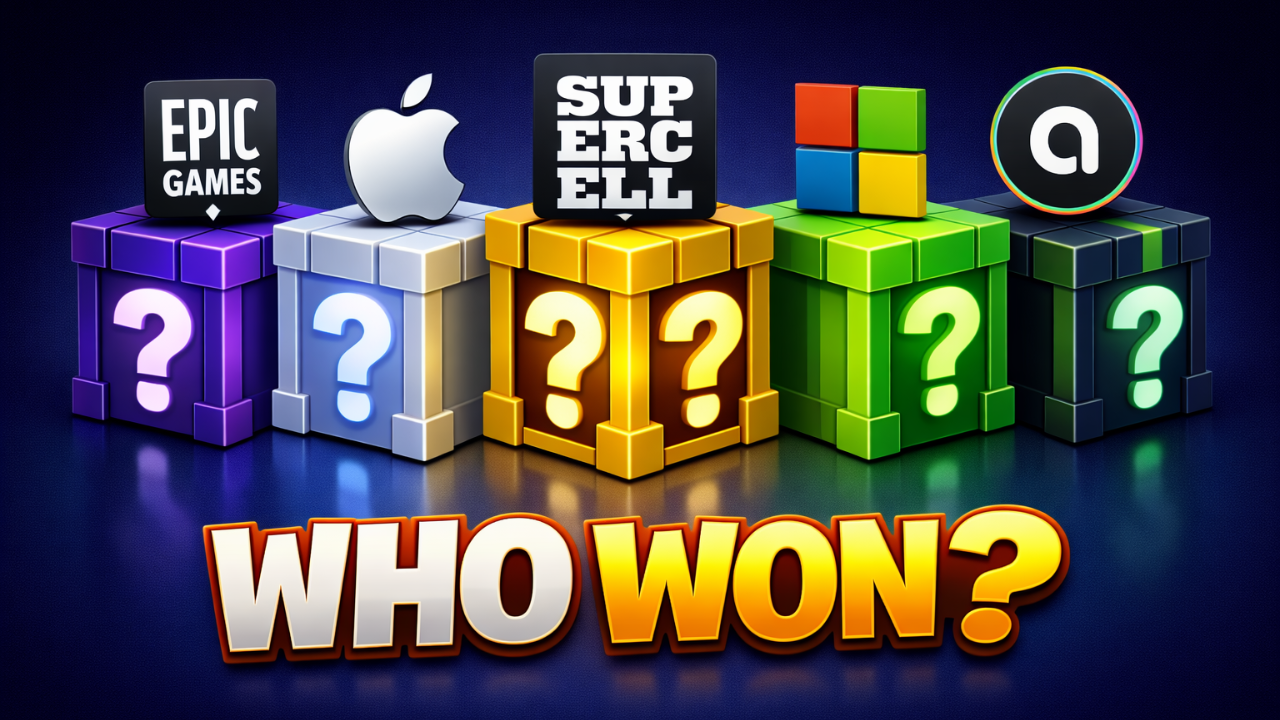
The settlement between Epic Games and Google, following years of antitrust litigation, has resulted in a restructured fee schedule for the Google Play Store that is less transformative than initial headlines suggested. While the standard in-app purchase commission for new installs has been reduced to 20%, existing installs remain subject to a 25% fee, effectively reaching 30% when combined with mandatory Google Play Billing. To access a lower 15% rate, developers must participate in the Level Up program, which requires the integration of specific Google services, including cloud saves, achievements, and an AI-powered sidekick.
The analysis characterizes the outcome as a Pyrrhic victory for Epic Games. Although the litigation successfully forced the removal of obstructive sideloading friction and established a more open Android ecosystem, the core duopoly remains intact. Major publishers are unlikely to abandon their established web-based monetization strategies, as the cost savings of direct-to-consumer channels continue to outweigh the benefits of the adjusted platform fees. Furthermore, the settlement imposes significant constraints on Epic’s leadership, effectively silencing public criticism of Google for a decade.
The broader industry impact remains nuanced. While small developers previously benefited from earlier rate cuts on the first $1 million in annual earnings, the current settlement primarily serves to provide Google with regulatory breathing room. Conversely, the reduction in friction for alternative payment methods may benefit third-party web shop providers. Ultimately, the shift in fee structures is expected to marginally improve lifetime value for publishers, potentially fueling increased user acquisition budgets and creating a rising-tide effect for ad-monetized games, even as the platforms retain significant control over the mobile ecosystem.
Deconstructor of Fun · 2026
Deconstructor of Fun · 2026
Deconstructor of Fun · 2026

Deconstructor of Fun · 2026
Deconstructor of Fun · 2026
Deconstructor of Fun · 2026

Deconstructor of Fun · 2026

Deconstructor of Fun · 2026

Deconstructor of Fun · 2026
Deconstructor of Fun · 2026

Deconstructor of Fun · 2026
Deconstructor of Fun · 2026

Almedia · 2026
Sensor Tower · 2026

Sensor Tower · 2026
AppLovin · 2026

Sensor Tower · 2026
Modern Times Group · 2026
AppMagic · 2026
InvestGame · 2026

Sensor Tower · 2026
Sensor Tower · 2026
Coda · 2026
InvestGame · 2025