Key insights
5 slides
The launch
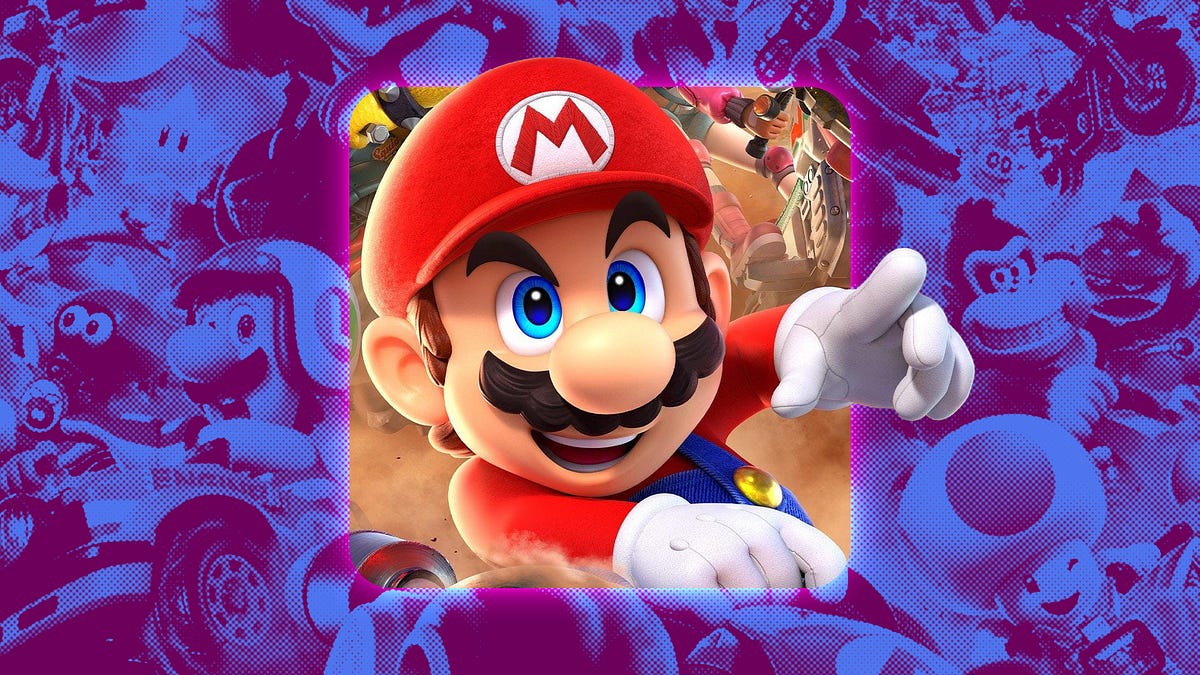
Mario Kart World launched alongside the Nintendo Switch 2 in June 2025.
The title is a flagship release that pairs traditional arcade racing with a new open-world environment.
The pacing issue
Open-world integration significantly disrupts core gameplay pacing in the racing mode.
The open-world elements feel largely lifeless and disconnected from the core racing experience. The Grand Prix mode suffers from long, empty, and liminal spaces between traditional tracks.
The one success
A survival-based knockout mode effectively utilizes the expansive island map.
Despite broader structural failures, the title successfully uses the new design philosophy in one specific mode.
The trend
Shoehorning open-world mechanics into established franchises often results in diminishing returns.
The report highlights a growing industry trend of integrating open-world elements into established franchises. This often results in diminishing returns for genres defined by tight, arcade-style mechanics.
Core strengths
The title maintains the series' hallmark polish and high-quality core racing mechanics.
Even while the new open-world environment lacks sufficient depth and meaningful interaction, the core racing remains high-quality. The game retains the series' nostalgic soundtrack and established polish.
1 / 5
Ask AI about this report