1 free read left. Create a free account for unlimited reading + AI research.
Create free accountArticle Loading... The Journal of the Canadian Game Studies Association
1 free read left. Create a free account for unlimited reading + AI research.
Create free accountArticleLoading... The Journal of the Canadian Game Studies Association
Distilling the key insights…
The Glutomax collection serves as a historical case study of Quebecois proto-indie game development during the late 1990s. By examining a curated archive of games distributed via Bulletin Board Systems (BBS) prior to the formalization of the modern indie movement, the analysis explores the evolution of independent game production, the significance of cultural and geographic identity in digital media, and the distinction between commercial shareware and creative, independent expression.
The findings categorize early Quebecois game development into three primary models. The first, exemplified by Oracle Software Productions, focused on commercial viability within the shareware market, prioritizing established genres and broad accessibility. The second model, represented by the developer I-Grec, aligns more closely with the contemporary indie ethos, characterized by creative experimentation, retrospective ludophilia, and the inclusion of culture-specific elements, such as the use of joual (Quebecois vernacular French) in titles like Tabarnak. The third model consists of portfolio-building or self-training projects, which were often derivative remakes that served as foundational exercises for developers.
The research highlights that while globalized, industrial game development often obscures local cultural markers, independent creators possess a unique capacity to anchor their work in specific regional identities. The study concludes that the loss of early digital artifacts from the BBS era necessitates urgent archival efforts to preserve local game history. By comparing these early, localized practices with the current, globally connected indie landscape, the analysis provides a framework for understanding how independent game making has transitioned from fragmented, regional hobbyism to a self-aware, globalized aesthetic movement.
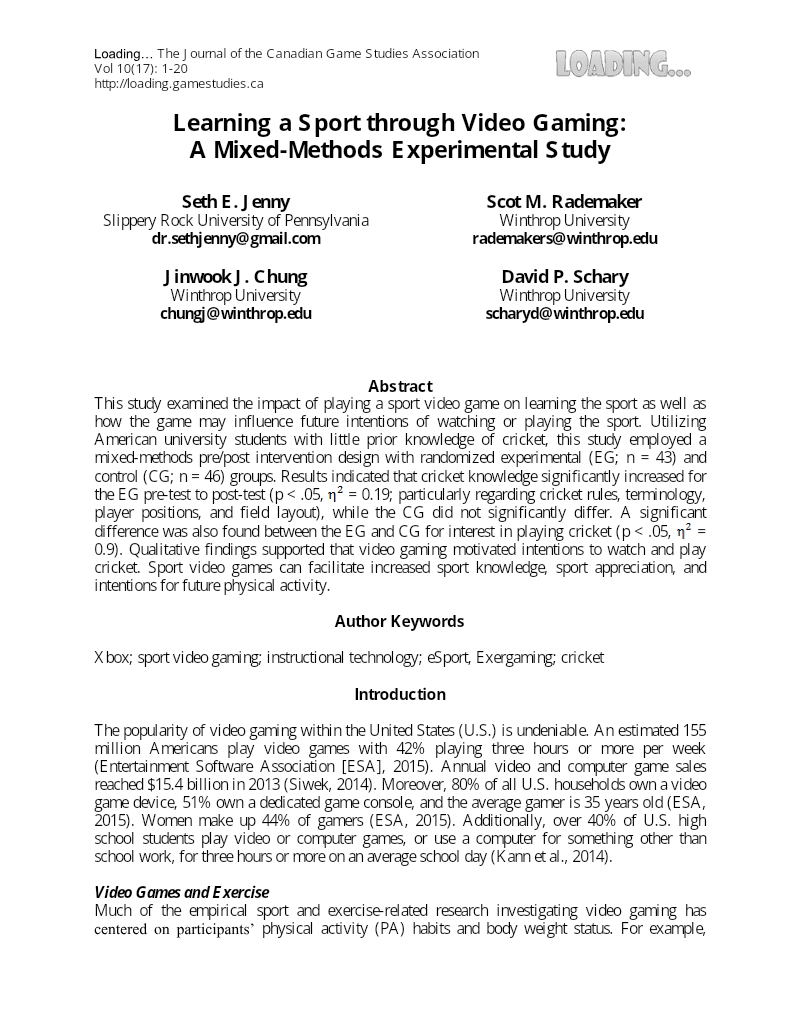
Loading... The Journal of the Canadian Game Studies Association · 2018
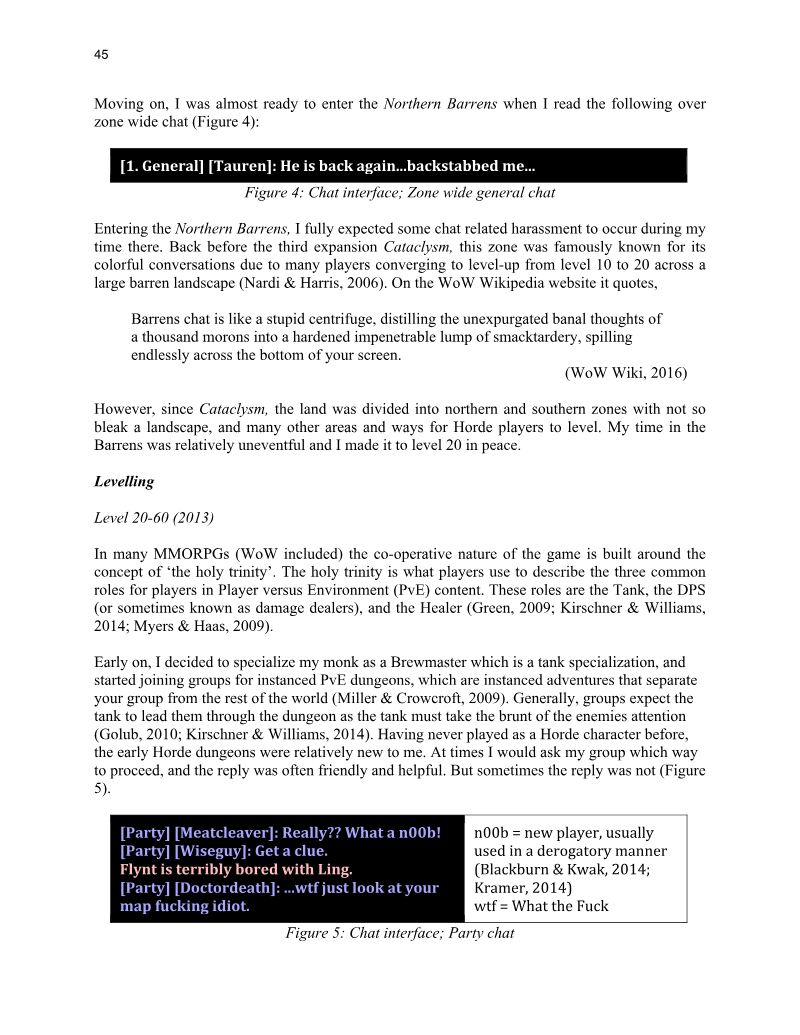
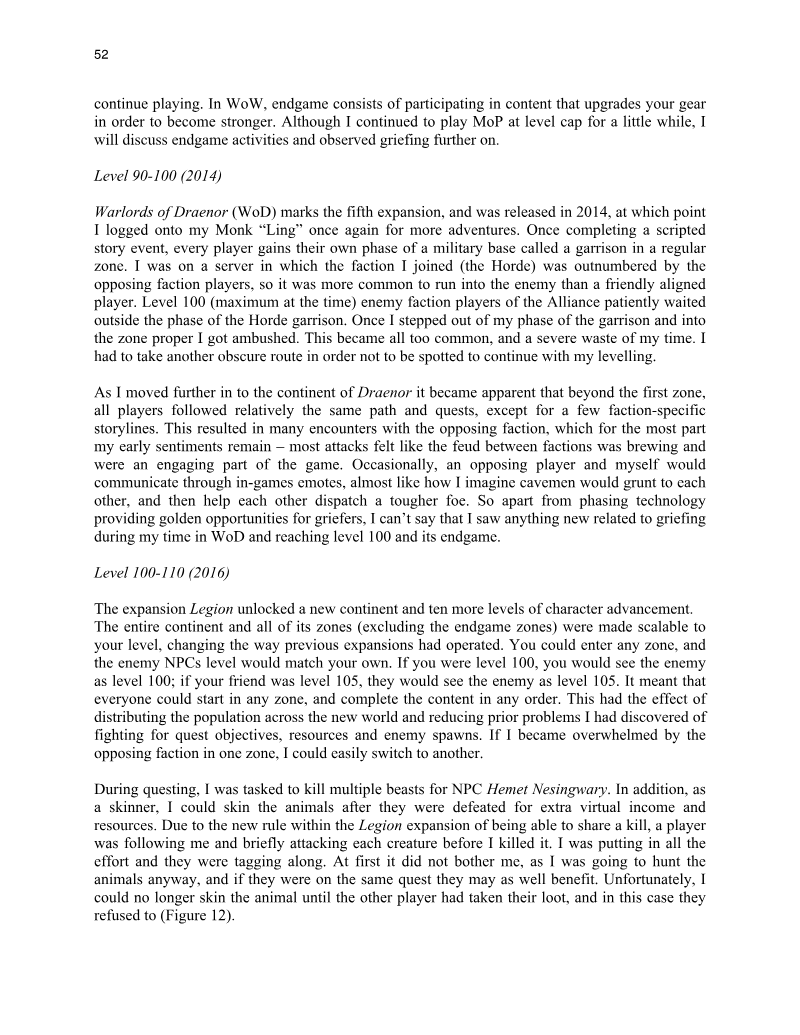
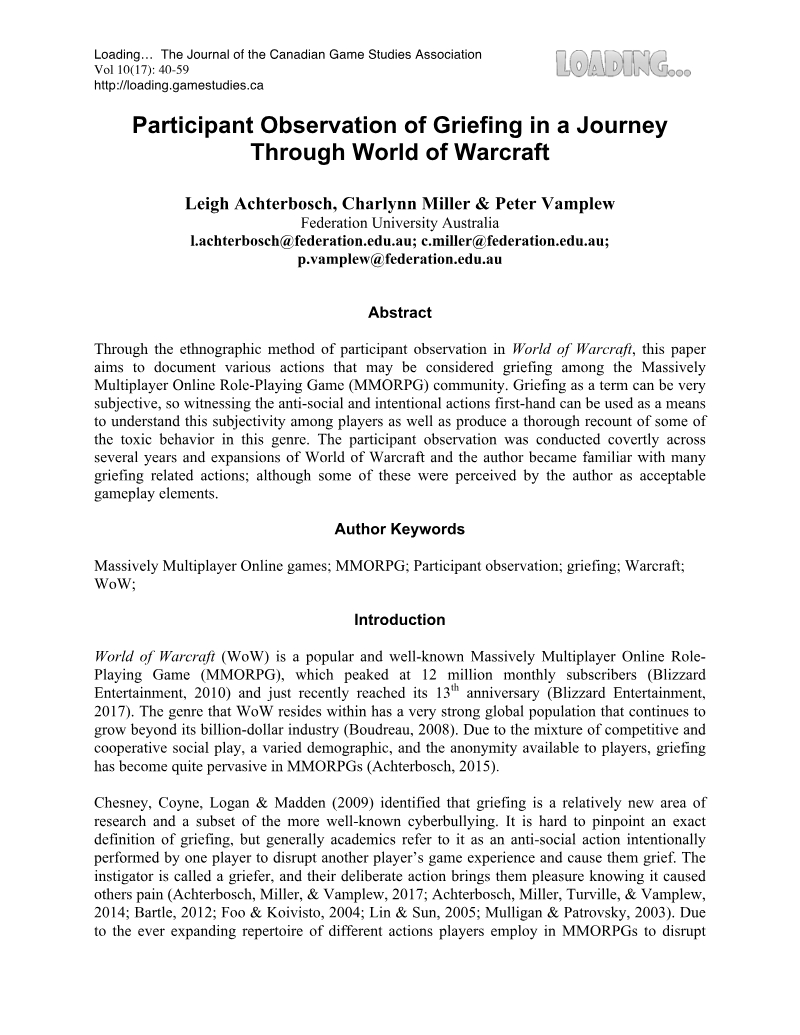
Loading... The Journal of the Canadian Game Studies Association · 2018
Loading... The Journal of the Canadian Game Studies Association · 2017
Loading... The Journal of the Canadian Game Studies Association · 2017
Loading... The Journal of the Canadian Game Studies Association · 2017
Loading... The Journal of the Canadian Game Studies Association · 2017
Loading... The Journal of the Canadian Game Studies Association · 2017
Loading... The Journal of the Canadian Game Studies Association · 2017
Loading... The Journal of the Canadian Game Studies Association · 2017
Loading... The Journal of the Canadian Game Studies Association · 2017
Loading... The Journal of the Canadian Game Studies Association · 2016
Loading... The Journal of the Canadian Game Studies Association · 2016
G|A|M|E – The Italian Journal of Game Studies · 2026